“The Boy and the Heron” is a journey of trauma and recovery through creation
Lee Dror
07/12/2025
Studio Ghibli
“The Boy and the Heron” the latest film by animation master Hayao Miyazaki, strikes the heart perfectly and leaves you pondering. Animator Lee Dror dives into the inspirations that influenced it and provides an in-depth analysis.
“The Boy and the Heron” the latest film by animation master Hayao Miyazaki, is currently screening in theaters. Since its announcement last year, I’ve been greatly anticipating it. Miyazaki is responsible for seminal animated films like “Princess Mononoke,” “Spirited Away,” “Howl’s Moving Castle,” and many others. Nineties kids and nostalgia lovers will be happy to know he was part of the animation team that worked on well-known television series such as “Heidi, Girl of the Alps,” “Anne of Green Gables,” and, of course, “3000 Leagues in Search of Mother”.
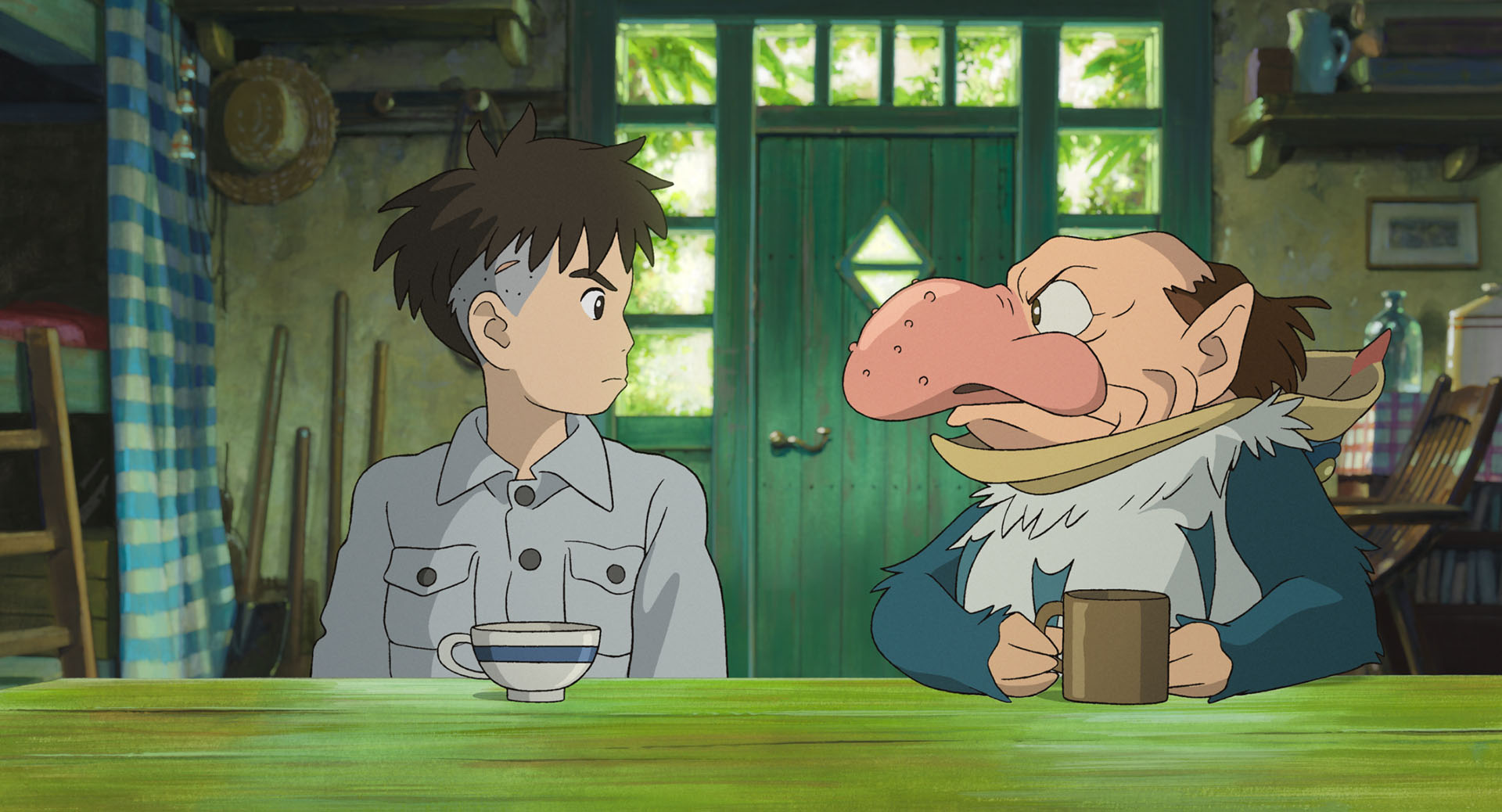
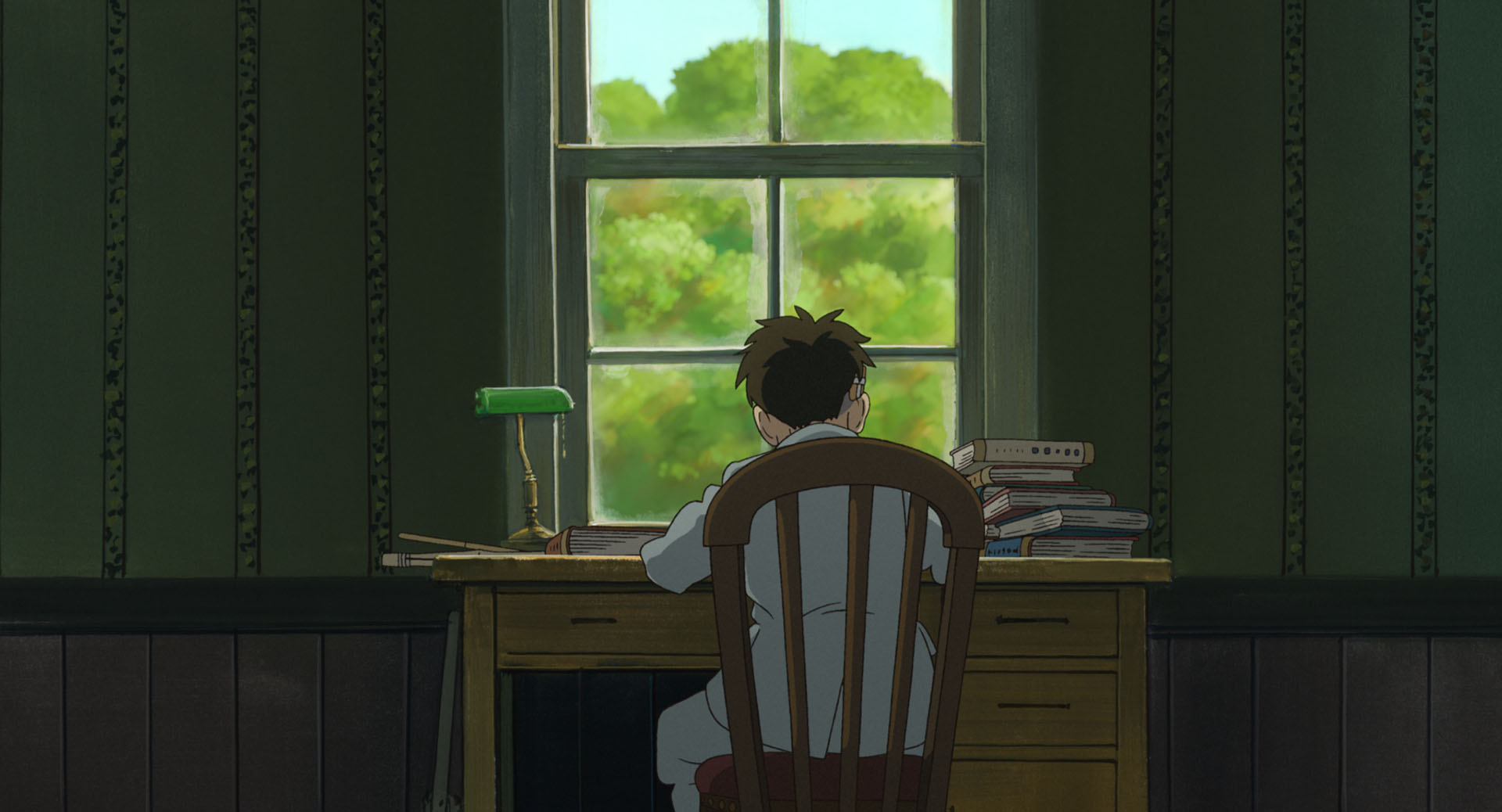
The Boy and The Heron, Studio Ghibli
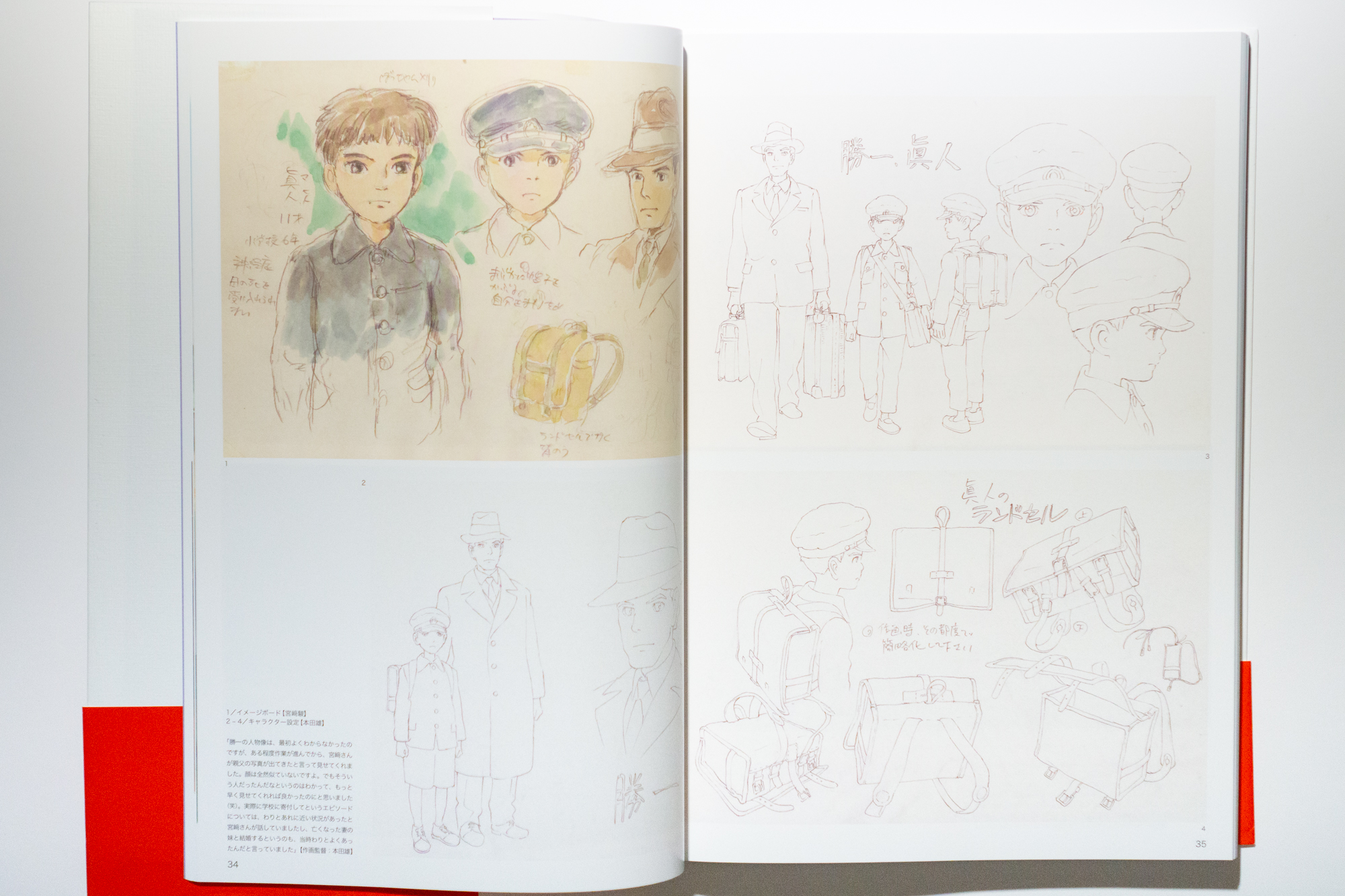
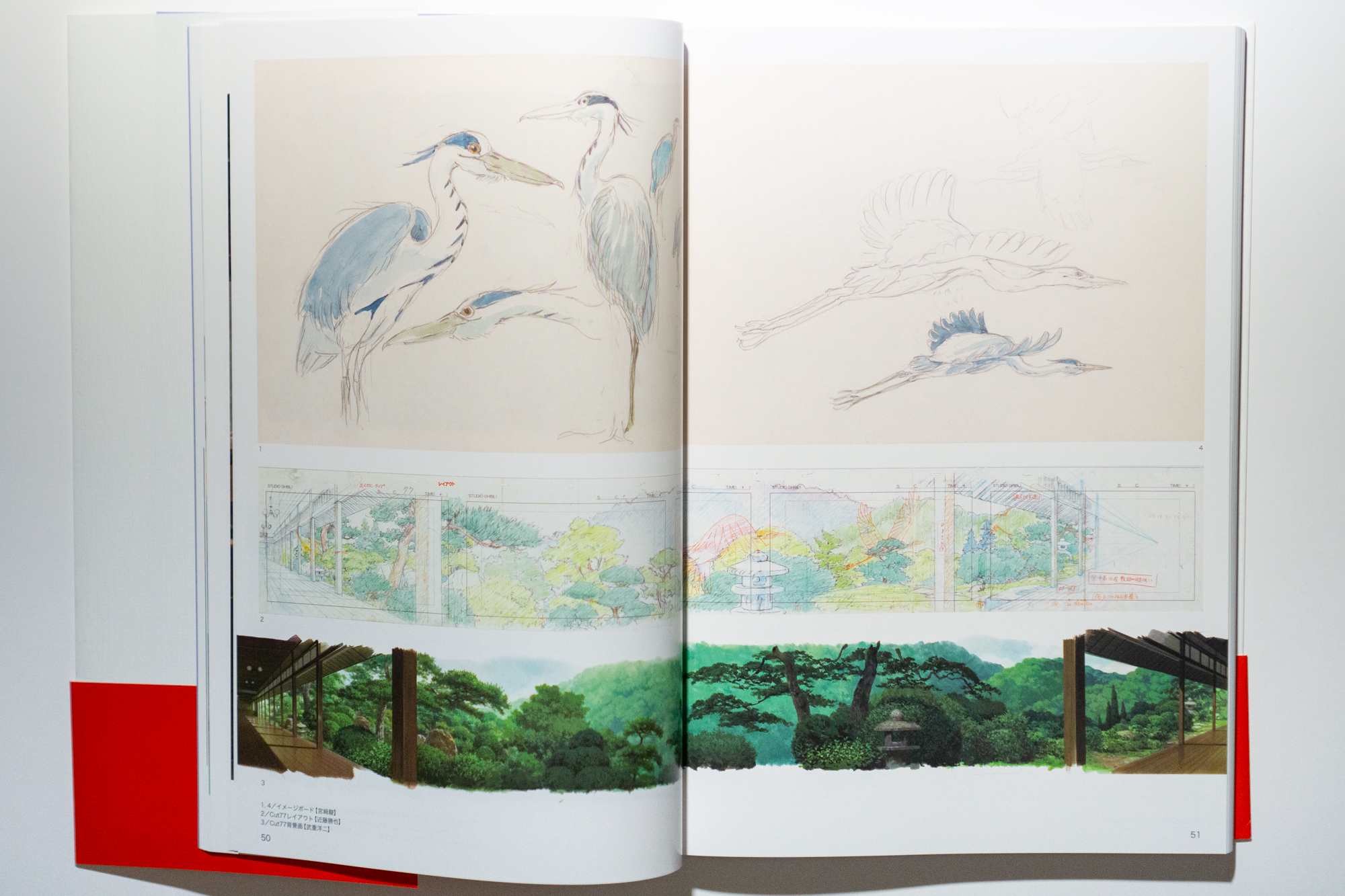
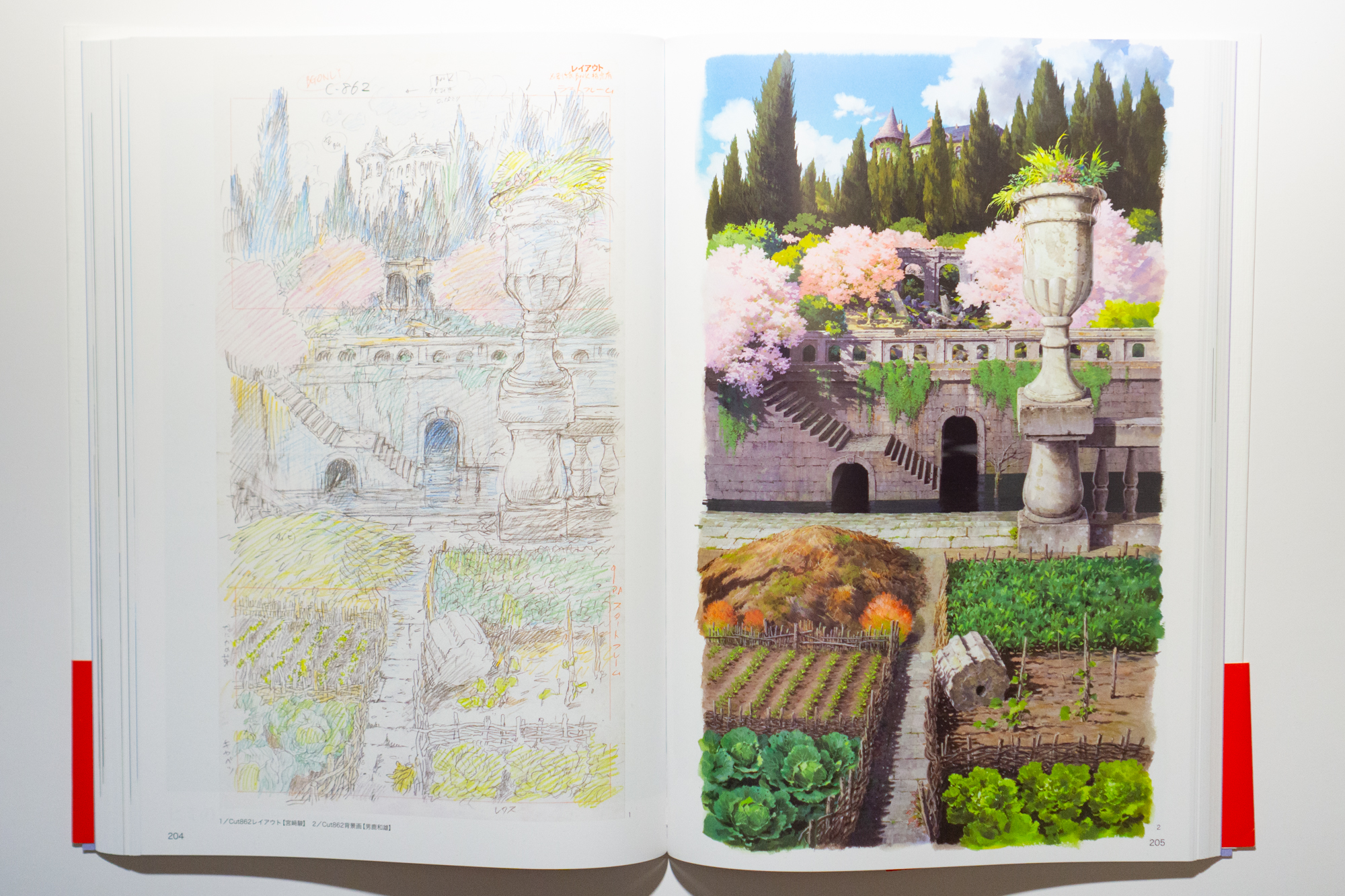
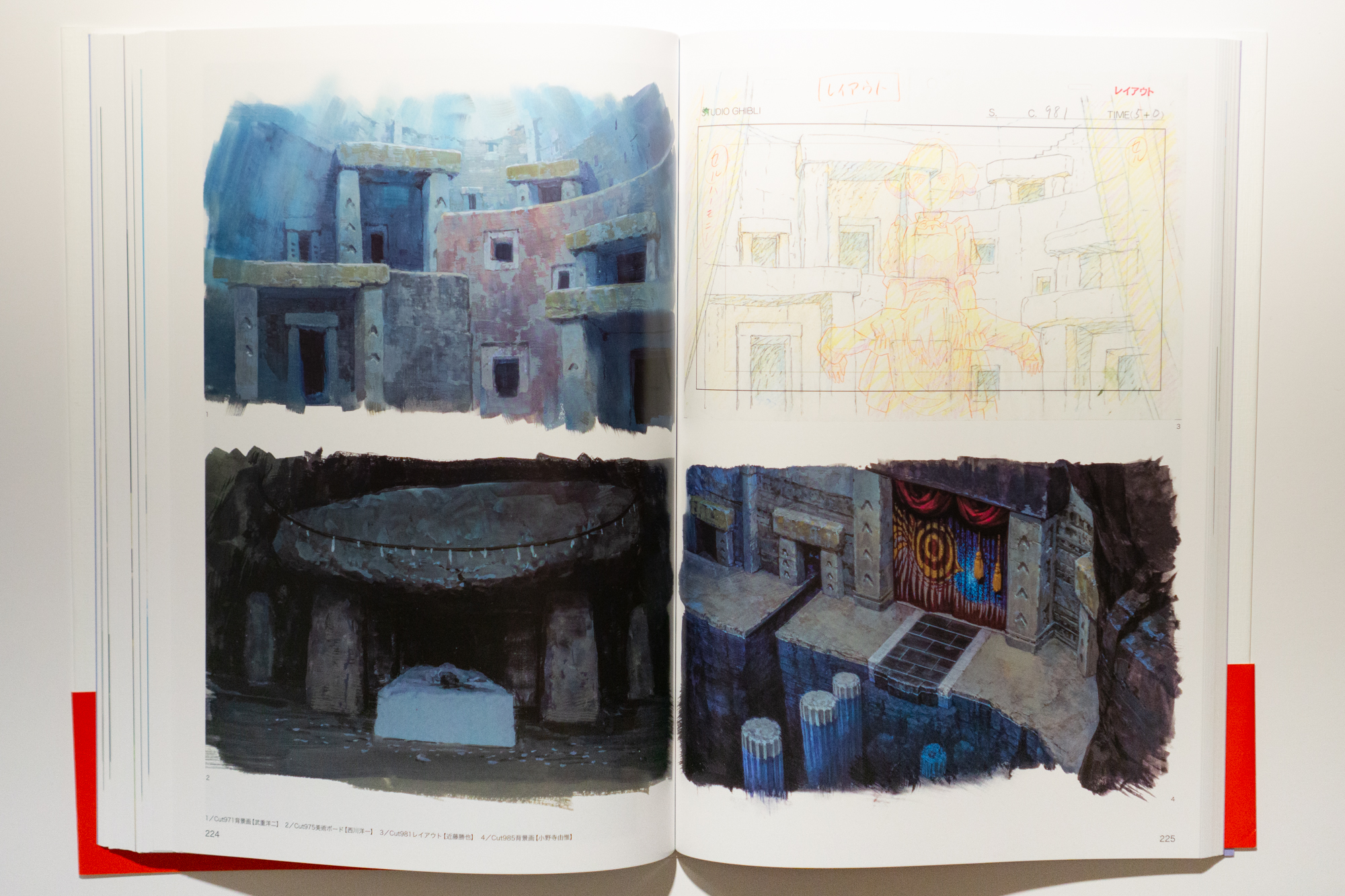
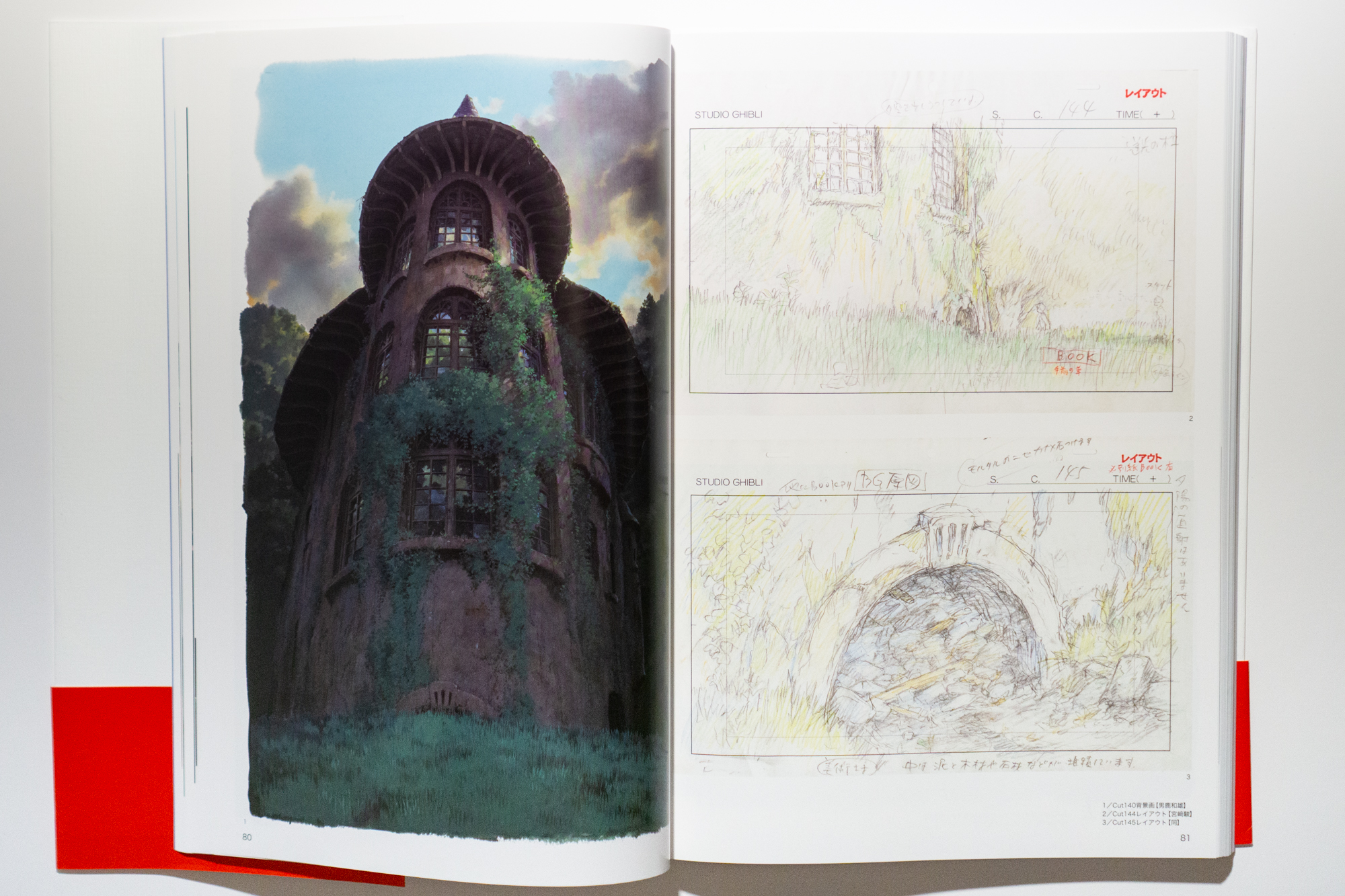
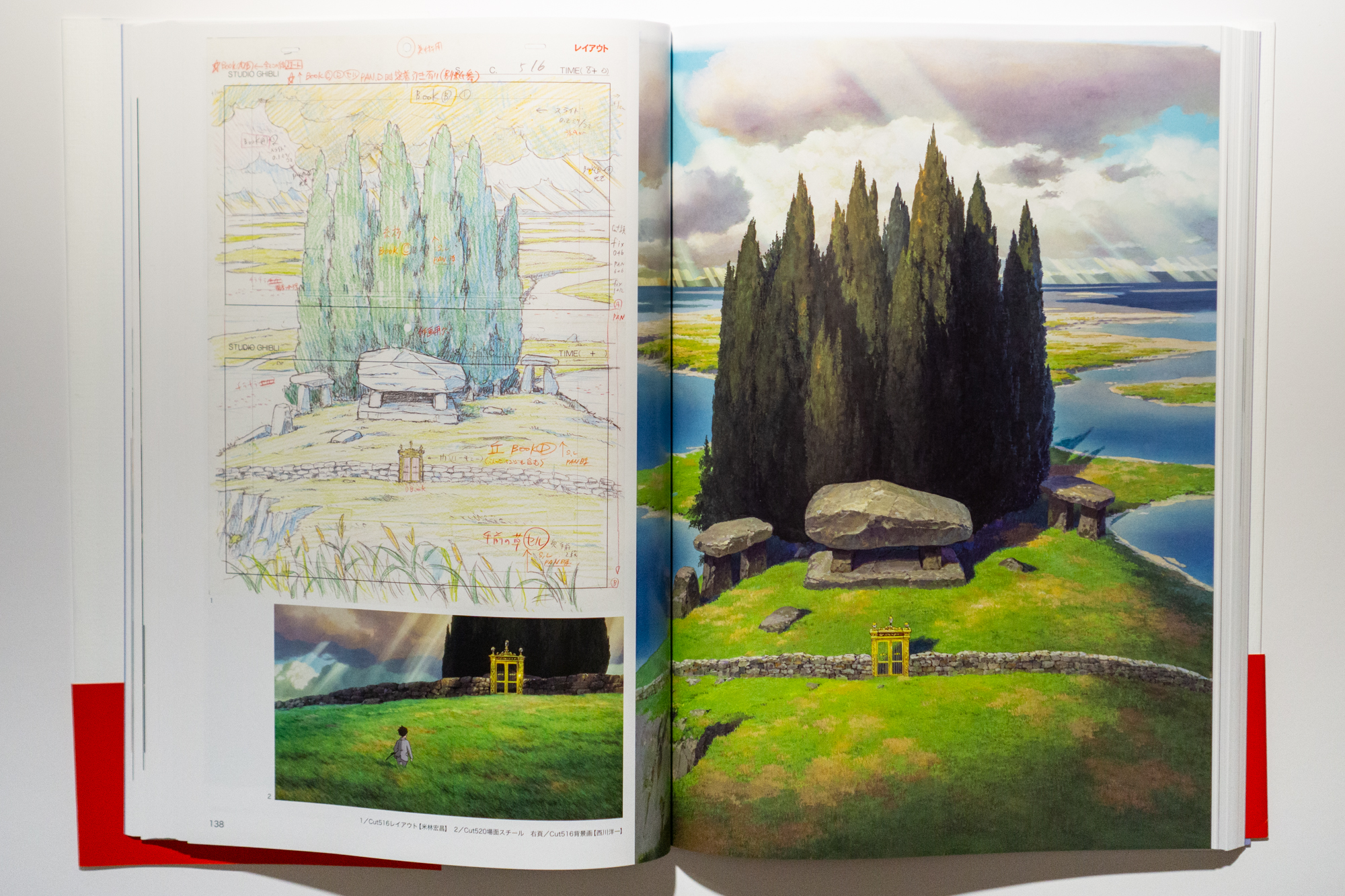
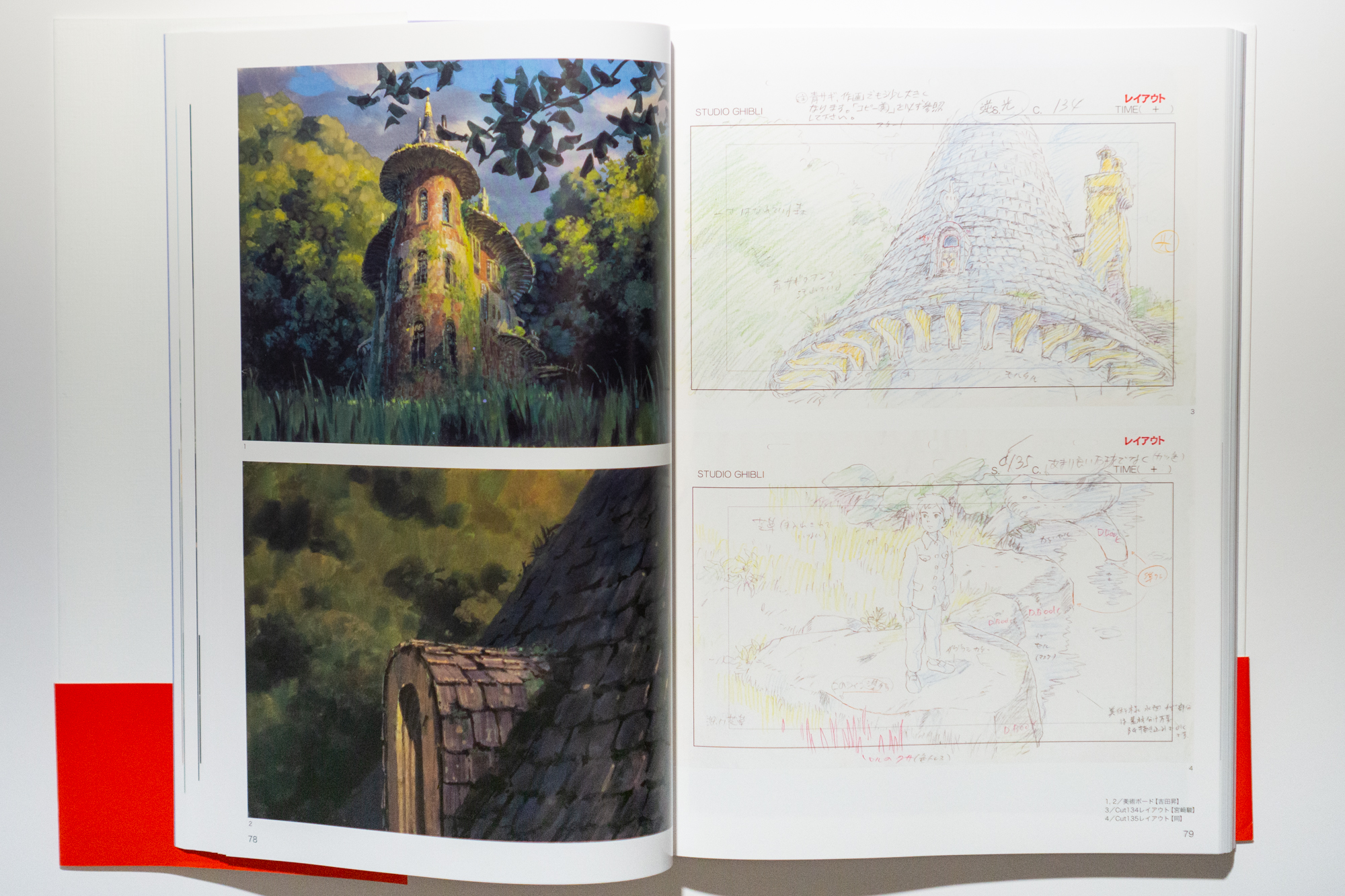
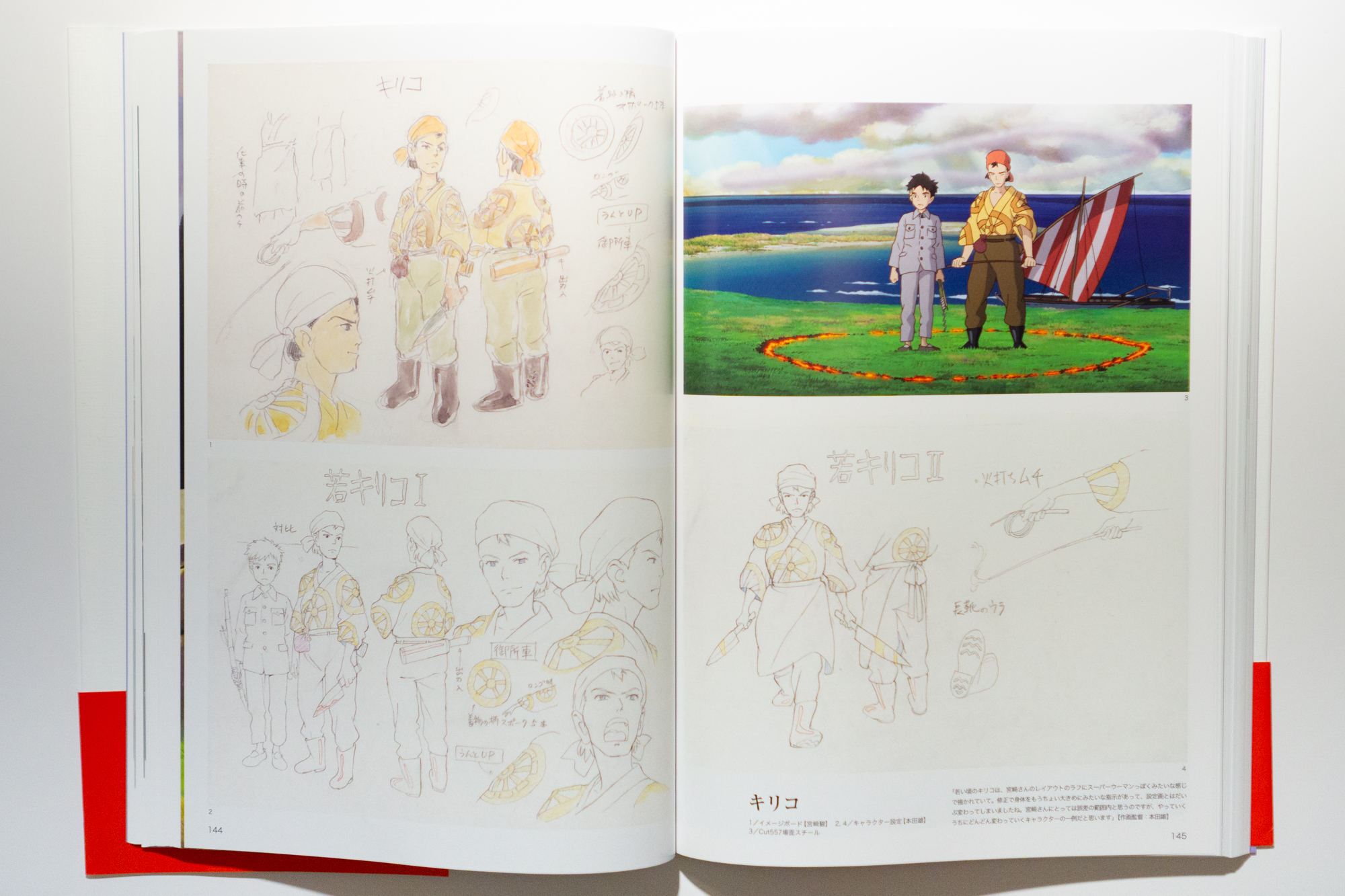
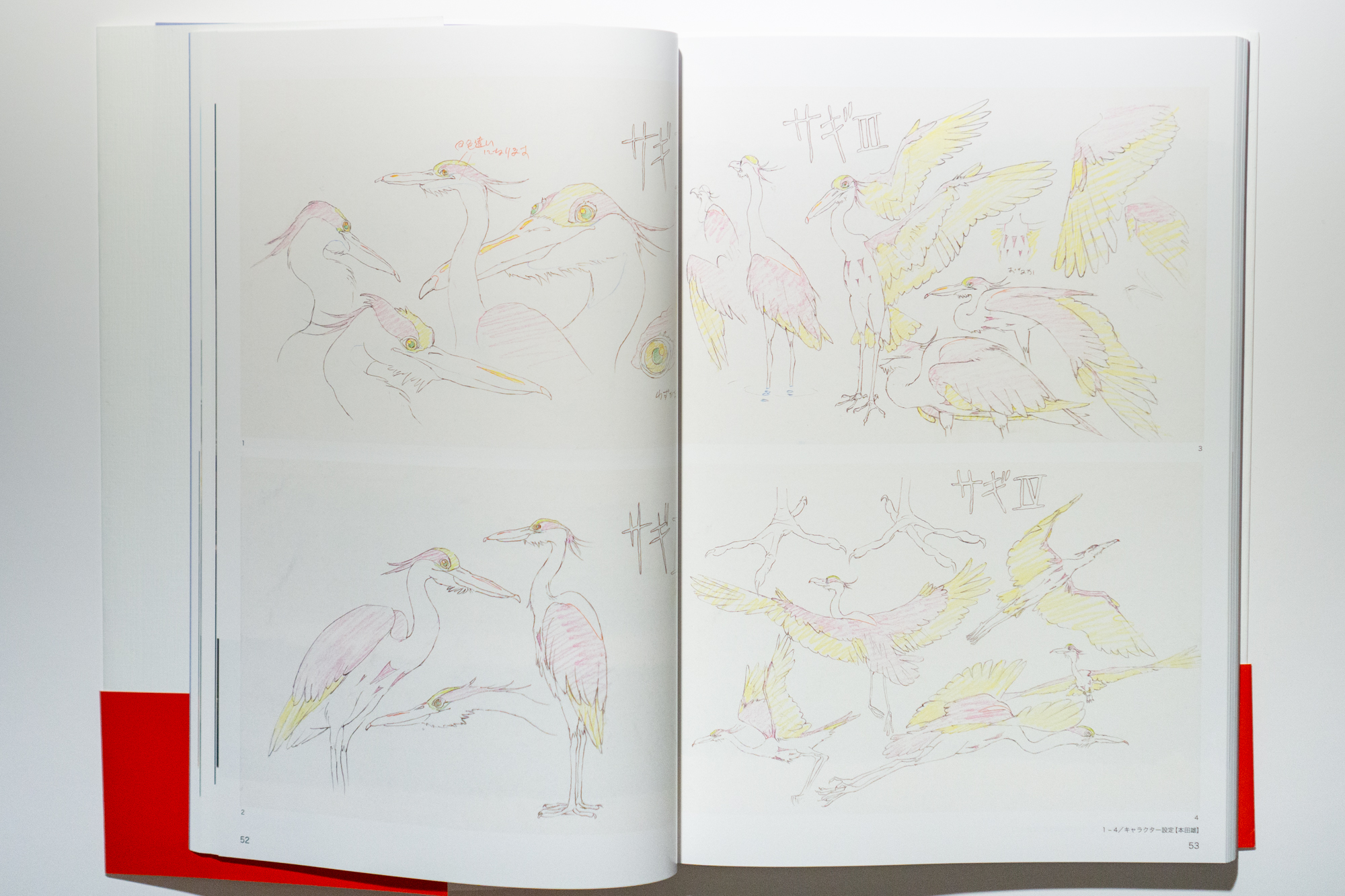
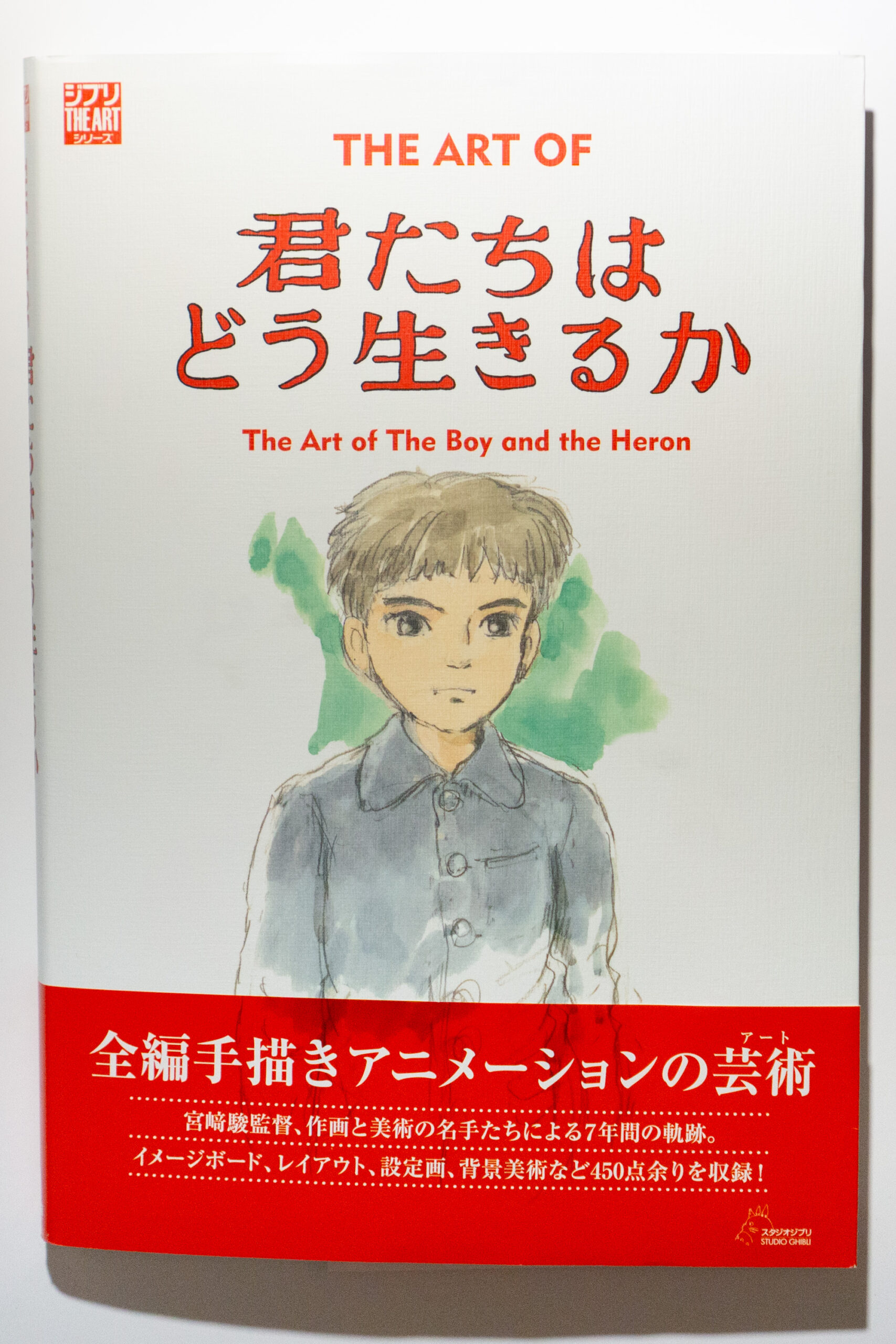
The Art of The Boy and The Heron
The name given to the film in the West is not the original name Miyazaki is credited with. The film is called “How Do You Live?” (Kimitachi wa Dō Ikiru ka) in Japanese, and it accurately describes the feelings that arise during the viewing and remain afterward.
The film has two narratives that coincide: the first is the overt one, a journey to dismantle trauma and live life; the second is an attempt to summarize the life of a creator. Therefore, the title “How Do You Live?” is so relevant. Miyazaki poses an authentic question to himself and the viewers: ‘How does one live alongside pain?’ These narratives are joined by impressive visuals created with meticulous craft, drawing inspiration from the Romantic era to Abstract Art. These reinforce the time and place of the work – the end of Japan’s imperialist regime in the 1940s.
The Art of The Boy and The Heron
The Boy and The Heron, Studio Ghibli
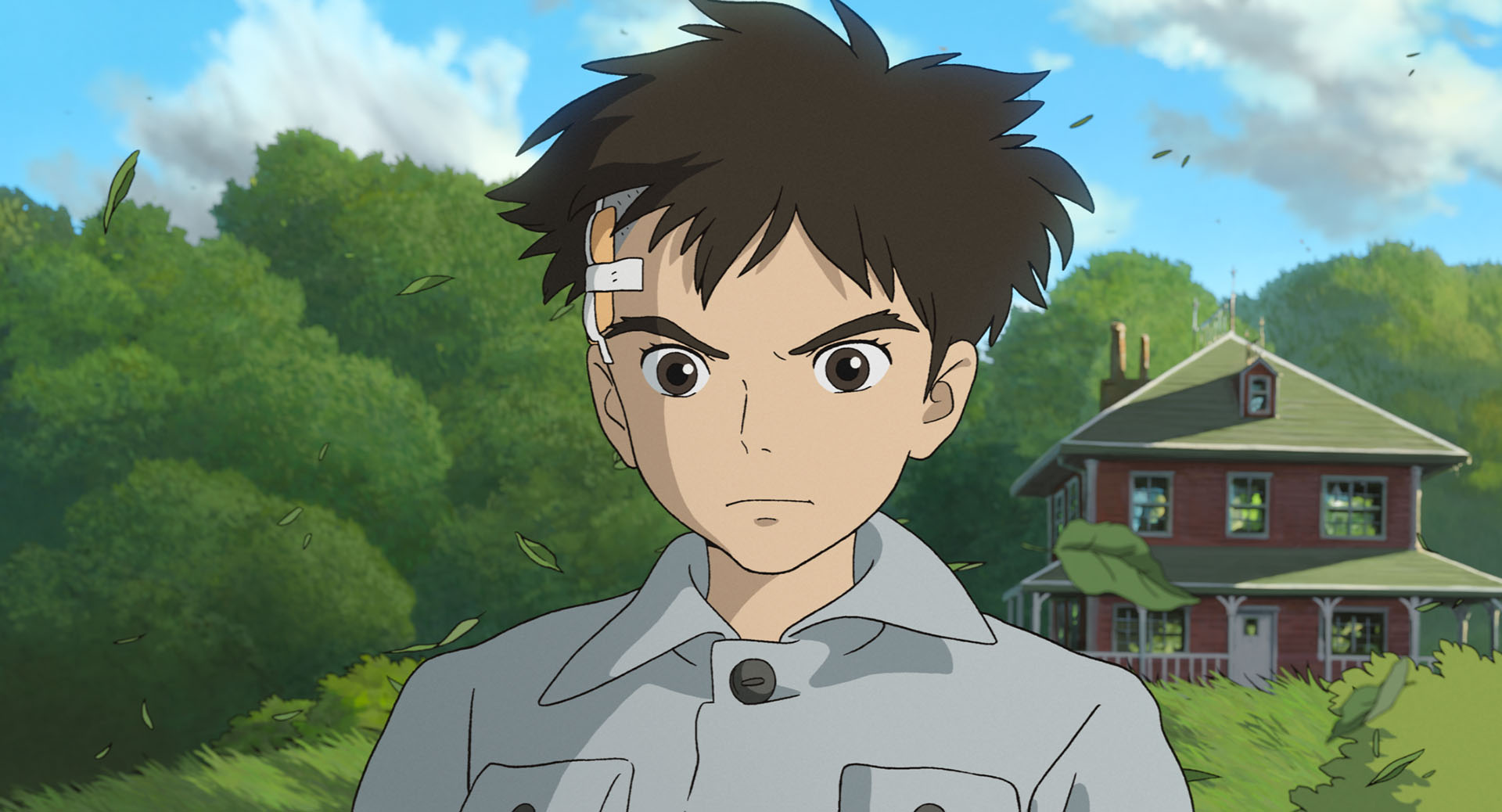
The timing of the film’s release, coupled with the current situation in Israel, makes the opening scene doubly triggering (‘Lev Cinemas’ went the extra mile and placed a trigger warning before the screenings). The film opens with a loud, prolonged air-raid siren, and the entire sequence feels like a punch to the gut. Tokyo is being bombed in World War II, and 11-year-old Mahito loses his mother in a fire. Throughout the film, we join Mahito on a journey of farewell, mourning, and acceptance, accompanied by symbolism that only Miyazaki knows how to create and by a delicate, beautiful soundtrack by Joe Hisaishi, the Master’s longtime partner and responsible for most of Studio Ghibli’s soundtracks. If “The Boy and the Heron” is your first introduction to Miyazaki, I would recommend watching his other films first – most of them are on Netflix.
If you are a fan of the genre, I strongly recommend seeing the movie on the big screen while you still have the opportunity. For those who have already watched it, you are invited to dive with me into an artistic analysis of this beautiful work. From here on, there will be spoilers for the film.
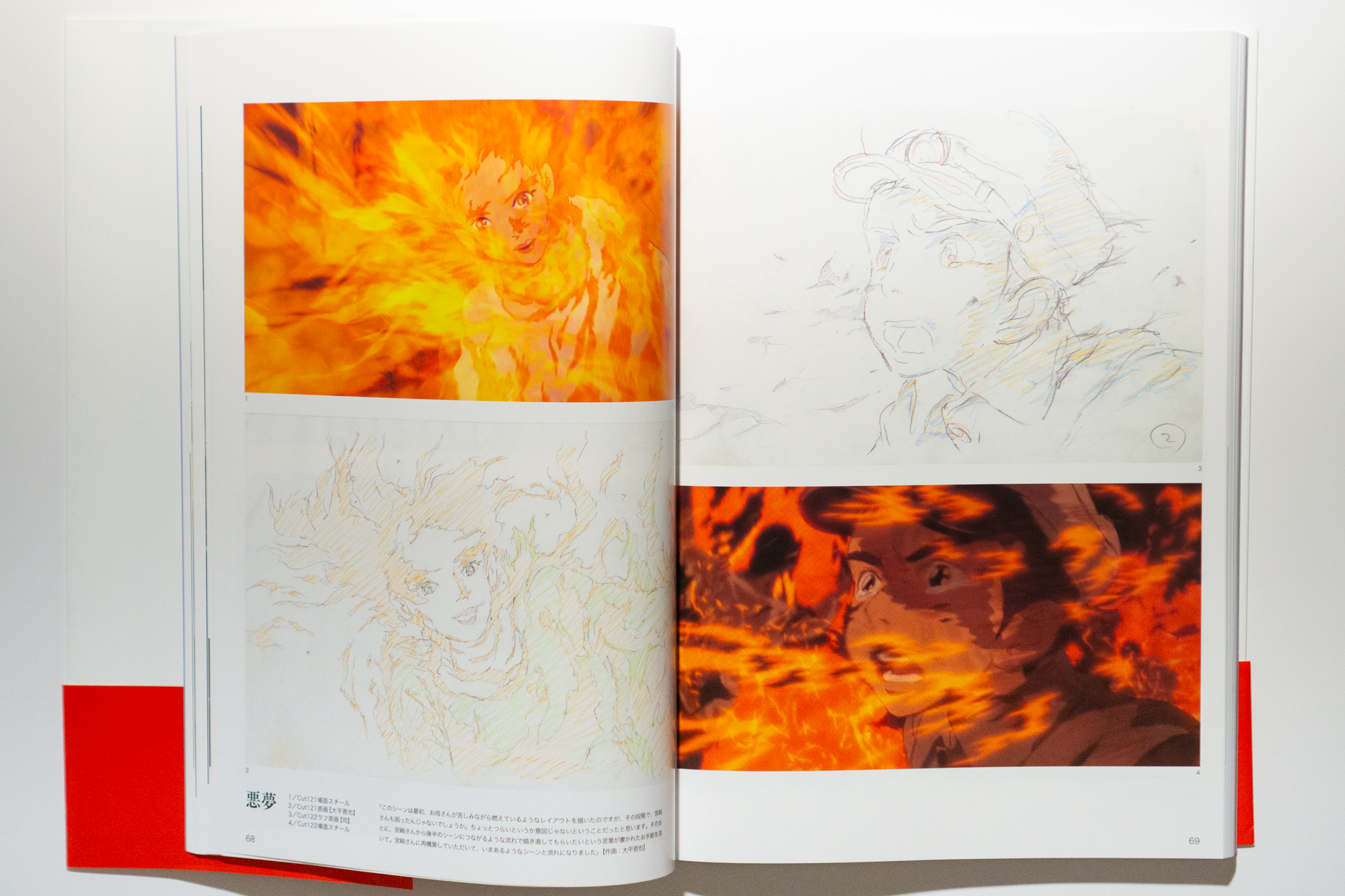
Within a large cloud of uncertainty resides Mahito’s major trauma – the fire that consumed his mother. Its impact shakes the viewer thanks to the blurred, free lines and the endless layers of crowd and fire smeared across the screen. Animator Shin’ya Ôhira is responsible for the scene. When planning it, He chose to emphasize the contrast between the fire and the shadows and their stretching to extremes.
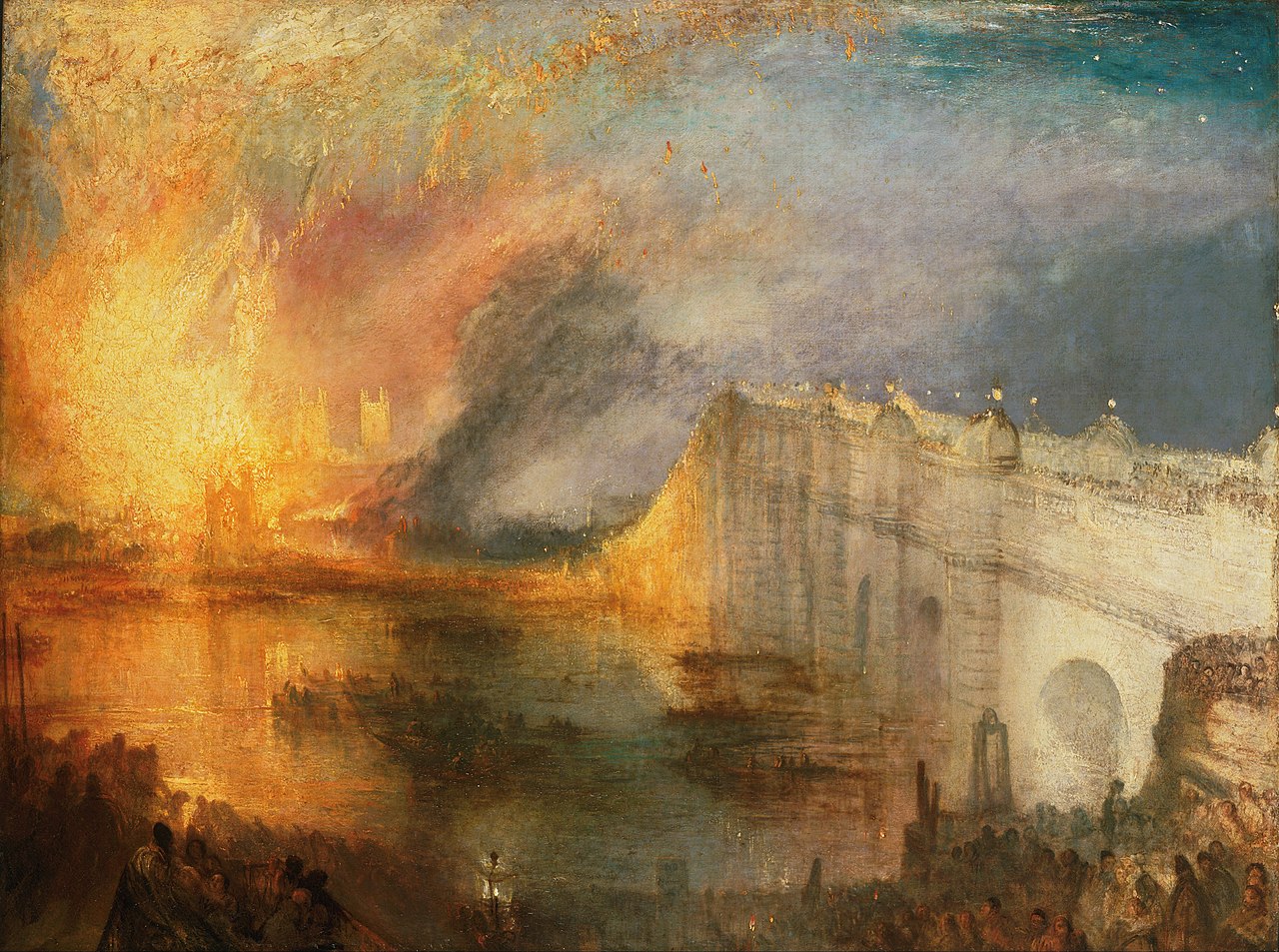
The opening scene reflects Mahito’s inner world and sweeps us inside. The blotchy work reminded me of the technique of the English artist William Turner, who painted fires as a metaphor for the stormy soul, using patchy smears of paint.
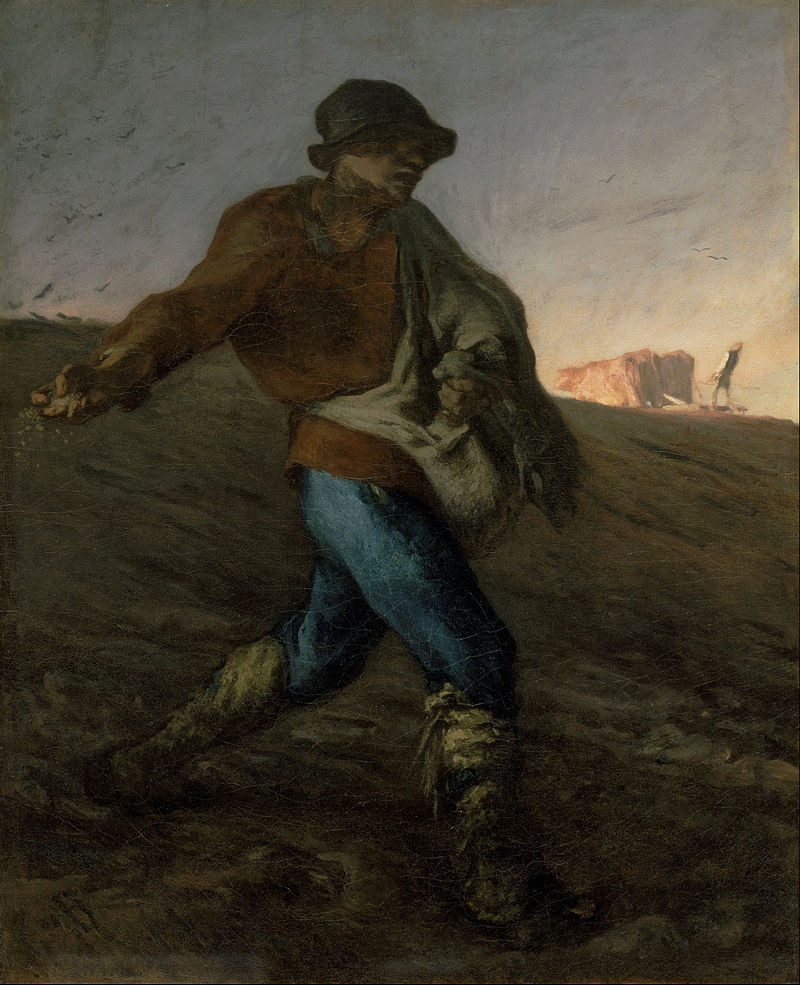
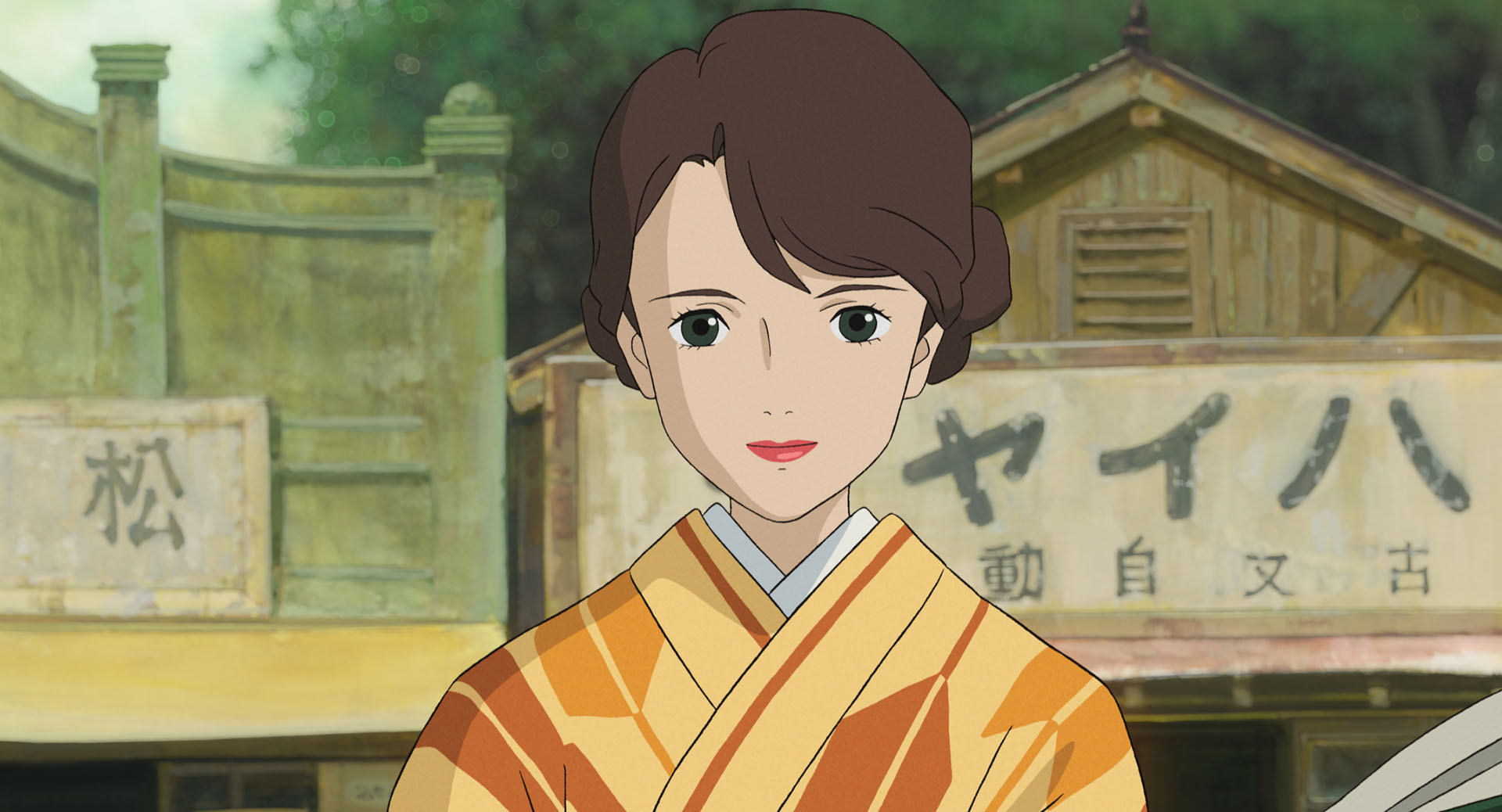
Mahito is coping with many changes: moving to the countryside, meeting Natsuko, his new stepmother and aunt, his father returning to work at an airplane parts factory, and his biological mother being gone. He is an introverted child who observes the world and absorbs it within him without letting anything out; guilt and anger accumulate inside him, manifesting in a heartbreaking moment of self-injury. In my opinion, this is an accurate description of the expression of unprocessed emotions in young boys. The blood that emerged from his temple gushed forcefully, a surge of pain with a life of its own. Mahito’s mother left him a book called How Do You Live, a real novel written in Japan in 1937, featuring a drawing of “The Sower” by Jean-François Millet. This is a symbol of growth and maturation.
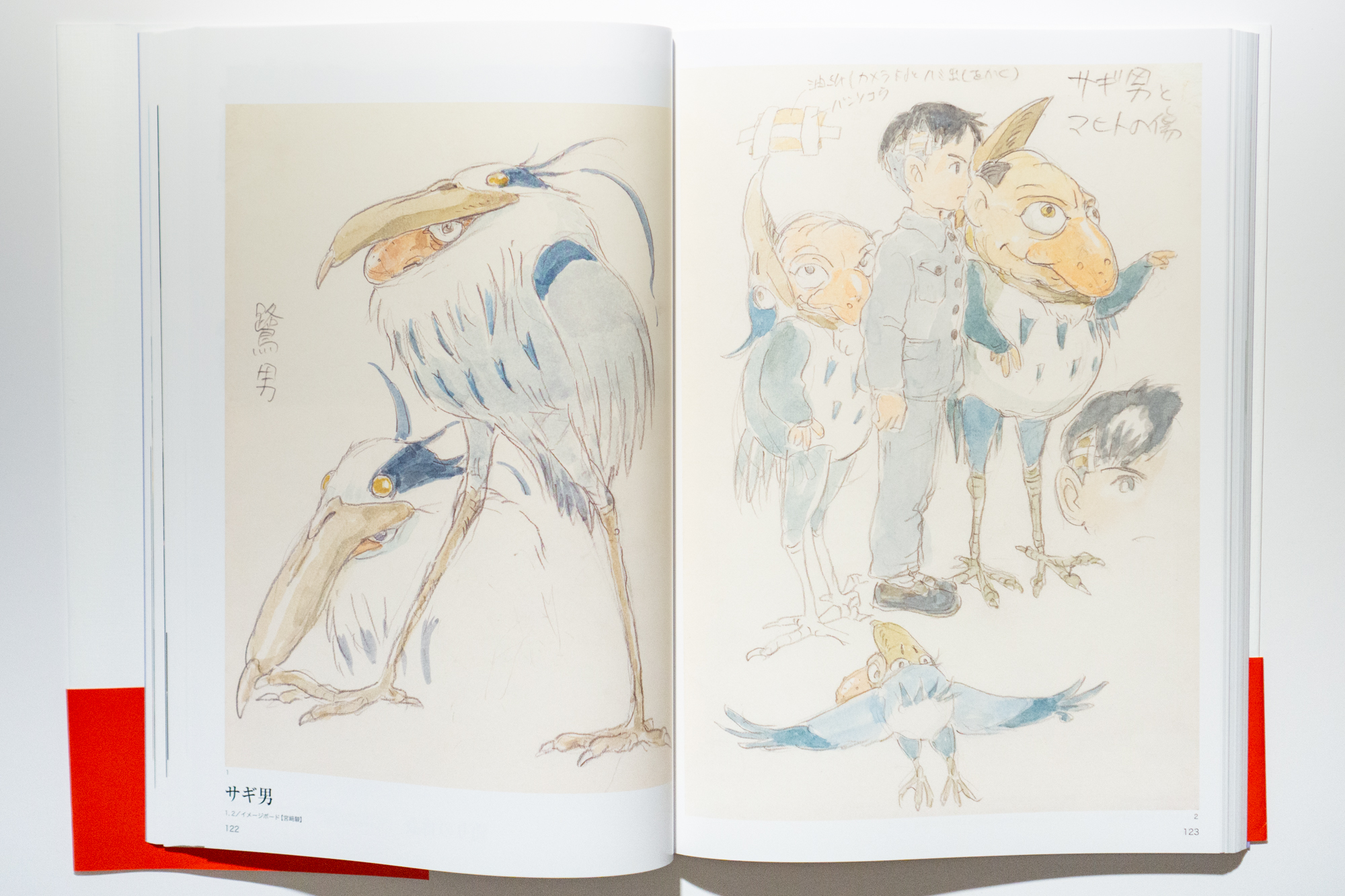
Another image of transition and change in Japanese culture is a gray heron. The heron, perhaps a metaphor for Mahito’s unprocessed emotions and maybe a memory of trauma, reveals to him that his mother is still alive and that Natsuko has disappeared. Mahito sets out to look for her through an abandoned building and into the world of water.
Jean-François Millet - The Sower
The Boy and The Heron, Studio Ghibli
Despite the many Western images we carry of crossing into the world of the dead via a river, this is not that world; it is one between life and death. A big clue to this comes from Kiriko, the fisherwoman, who turns to Mahito and says, “You smell of death” (the war raging in reality).
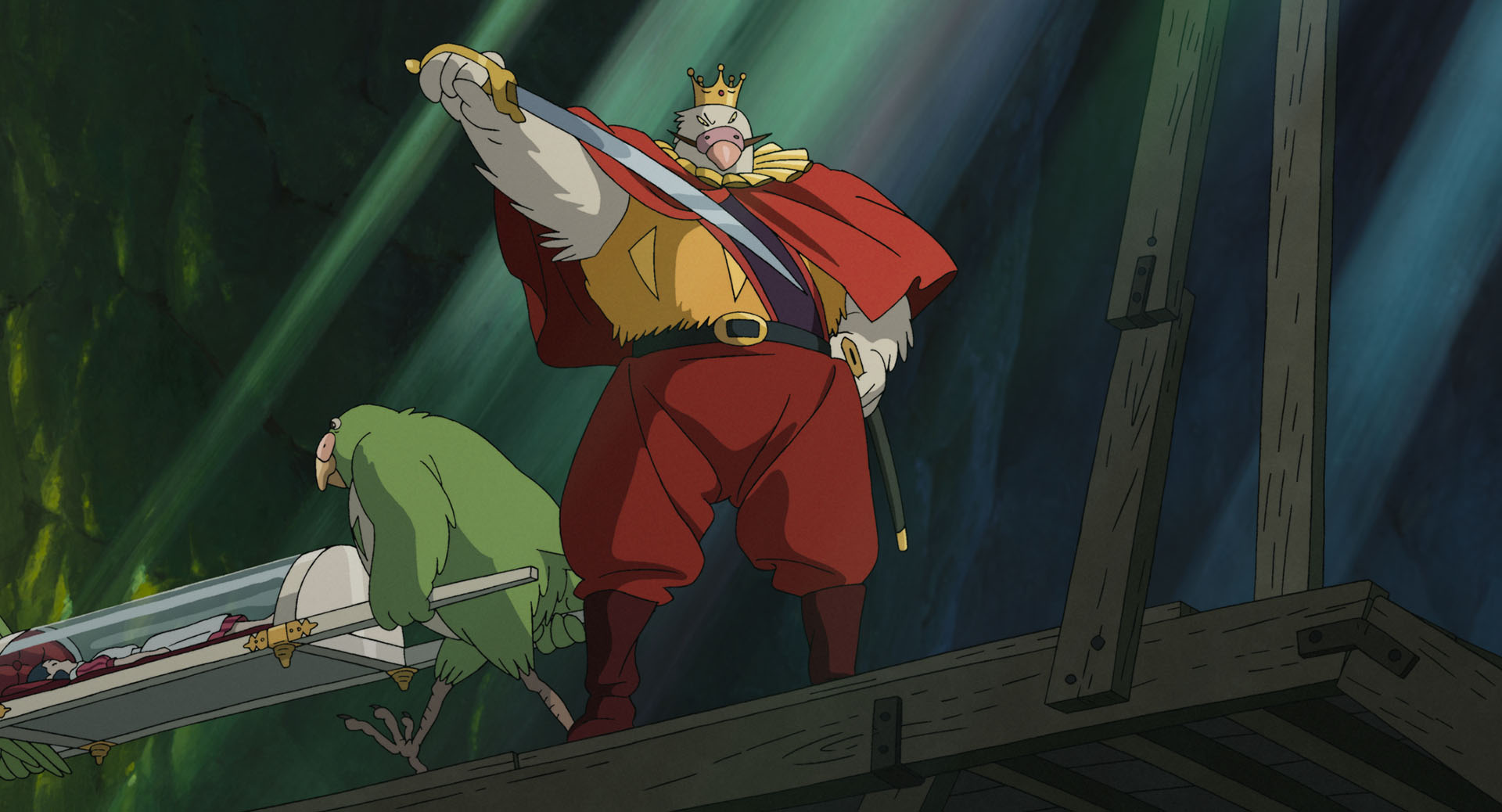
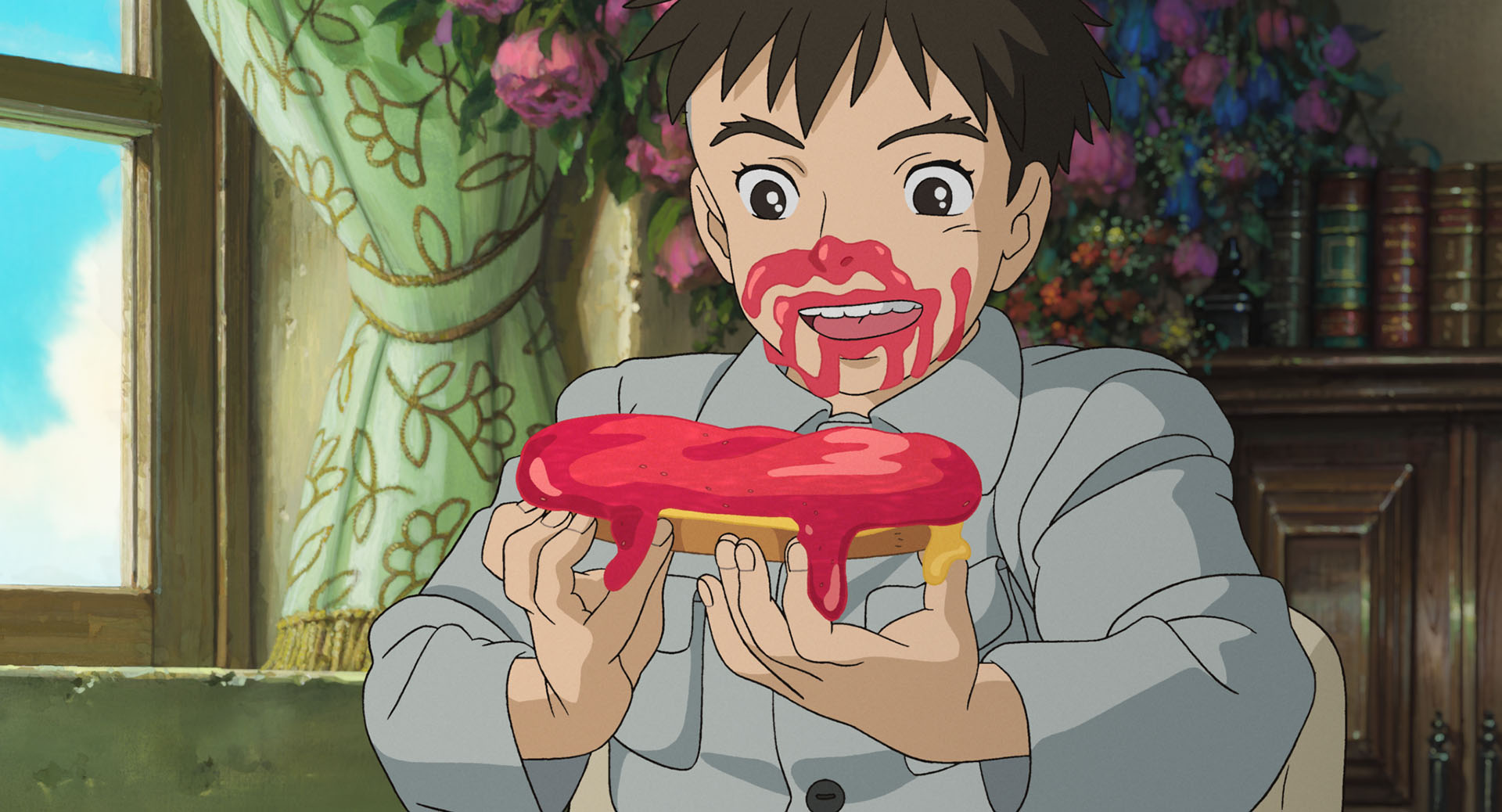
Mahito successfully processes his emotions during the transition to this world. This is the world of images and illusions, where there are memories of the Japanese regime, mixed with fears of being an unloved stepson alongside beautiful memories of a mother who is no longer alive. The only scene where Mahito looks like a child again is when he eats his mother’s jam toast, embodied by the girl Himi. All of these are represented through different elements: the flesh-craving parrots, the delivery room surrounded by white shrouds, and a mother who melts and disappears. These images feel specific to Mahito’s personal experiences, and, as viewers, we are swept along with them. Some are revealed in their clarity only a few hours after viewing, and most are not. This is a blessing.
My personal interpretation of these images is necessarily related to the two parallel narratives in the film. In the narrative of trauma and healing, there is a struggle between emotion and logic, and the specific choice of parrots is intentional. Parrots are invasive species in many places on Earth (even in Israel, there is a scourge of ring-necked parakeets). The leader of the parrots, named Douche, like Mussolini, wants to control and frame emotion within a mold. Grief has no logic; it simply happens differently in people.
In the narrative of the artist and the creation, the fascist parrots are a metaphor that has gotten out of control and lost its original context. When we create content without human context or withhold information from it, a catastrophe can arise, such as placing pelicans in a world without fish. And so, underneath the symbolic heron hides a human creature.
The Boy and The Heron, Studio Ghibli
The Boy and The Heron, Studio Ghibli
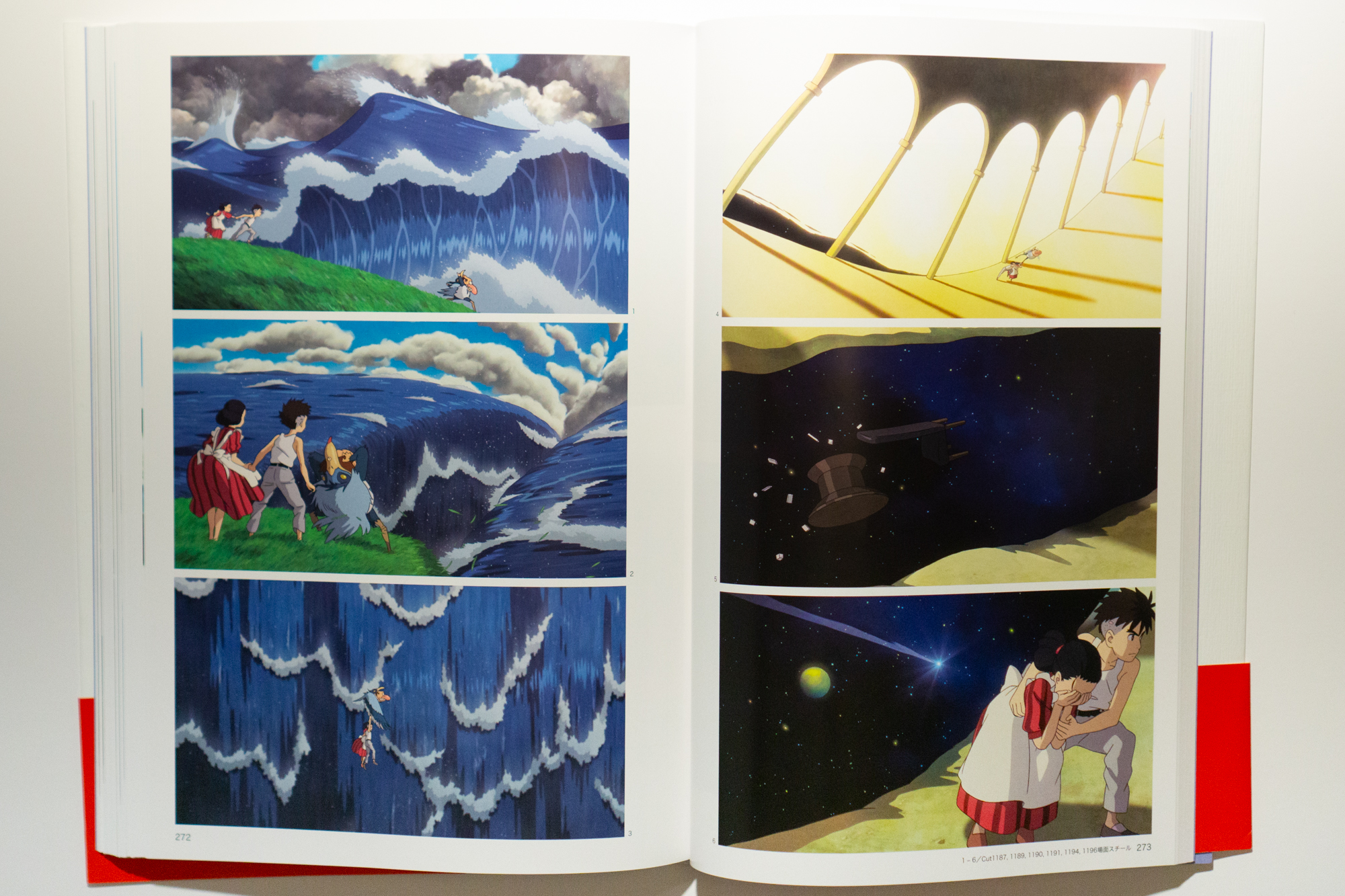
Throughout the film, there is an intense animation of swarms of items: running people, frogs, parrots, and pelicans, like the flooding of Mahito’s emotions. Unlike Miyazaki’s previous films, where the fantastical worlds were full of vitality mixed with apprehension, here the world of water is enveloped in discomfort and even perceived as threatening. We don’t really want to take part in it; it’s a dark fantasy with blue skies.
The world of water is one of the many worlds that the creative great-uncle, belonging to Mahito’s family tree, prepared. Analogous to animation, it is the illusion of life – the creation of worlds that do not physically exist, yet feel complete. Life begins with a fertilized egg; in the world of water, it starts with a spherical and bouncy creature called ‘Warawara,’ similar to the first exercise animators learn – a bouncing ball, the discovery of life through movement.
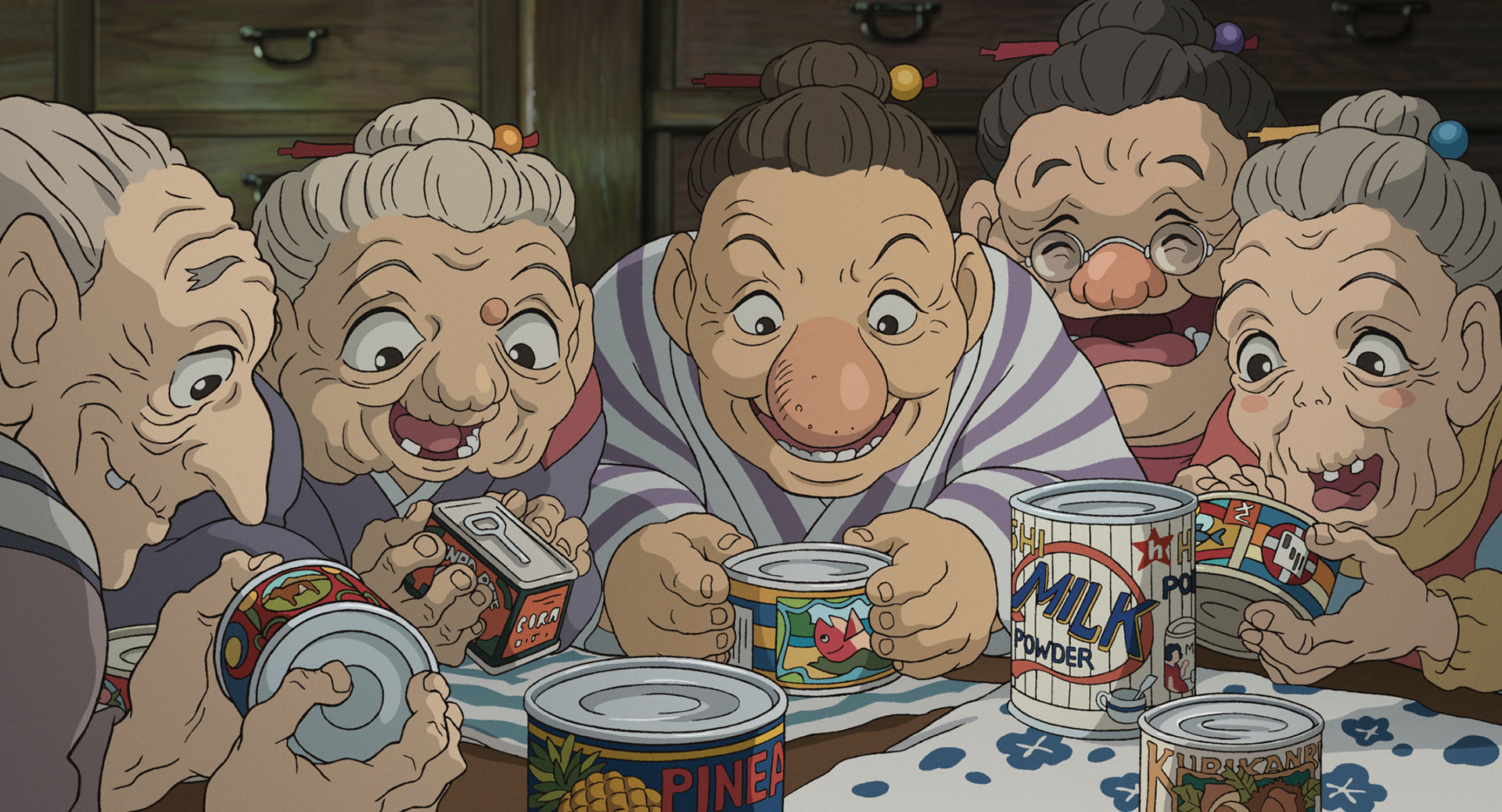
Miyazaki has always excelled at making us think that his characters live in the world. Their acting is authentic; they take their time taking off their shoes, struggling to start a car, and getting excited about canned food during a shortage, and genuinely needing a cigarette. This time, Miyazaki decides to distance the extremes between the fantastic and the realistic, and to emphasize the silence between the characters and the actions he chooses to show us. He found an incredible loophole for this – bird droppings. An action that allows for a comical moment and also emphasizes that, in reality, we all excrete. In animation, we choose whether to show it. I don’t remember ever seeing a character in an animated film ask, “Where’s the restroom?” Mahito asks and also goes to relieve himself.
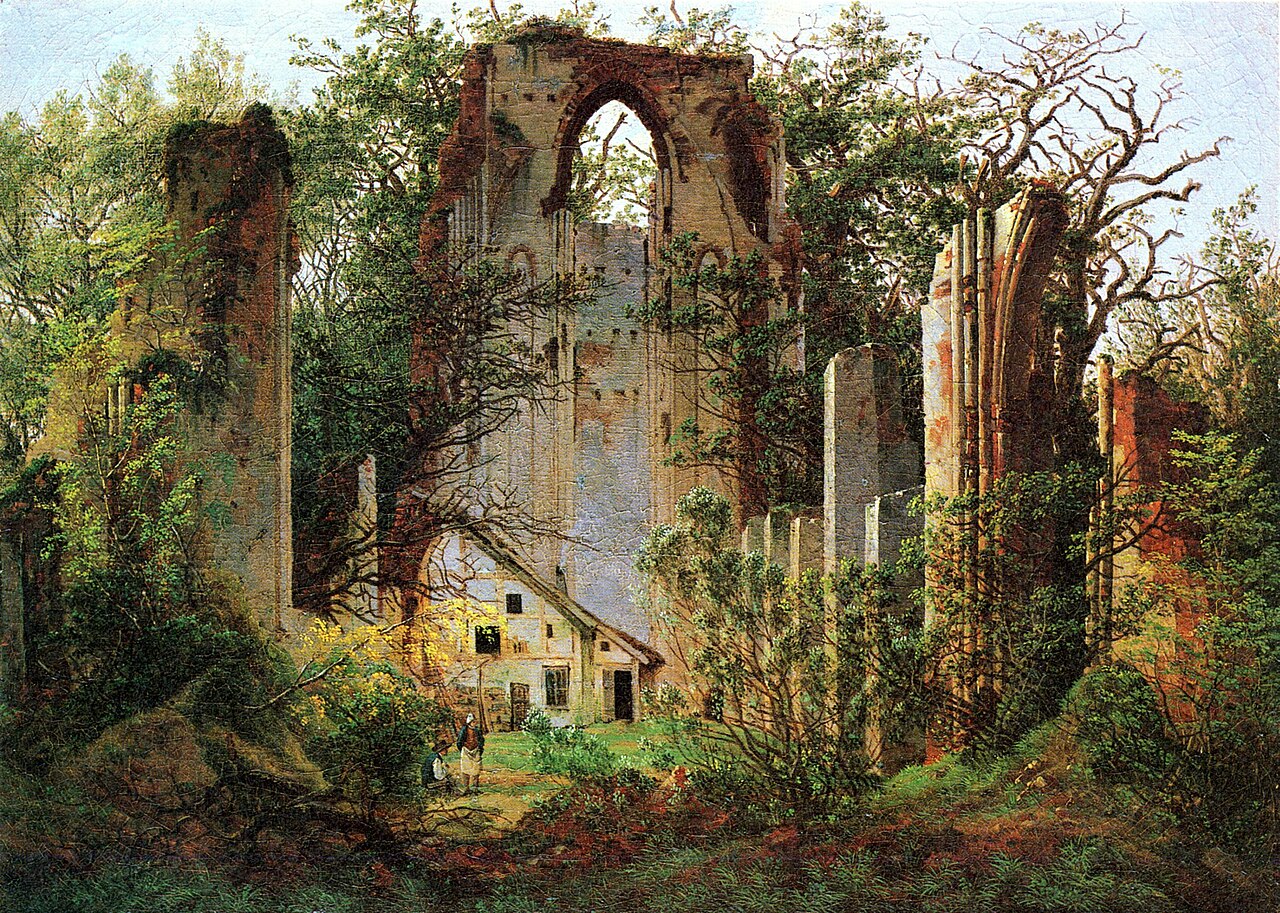
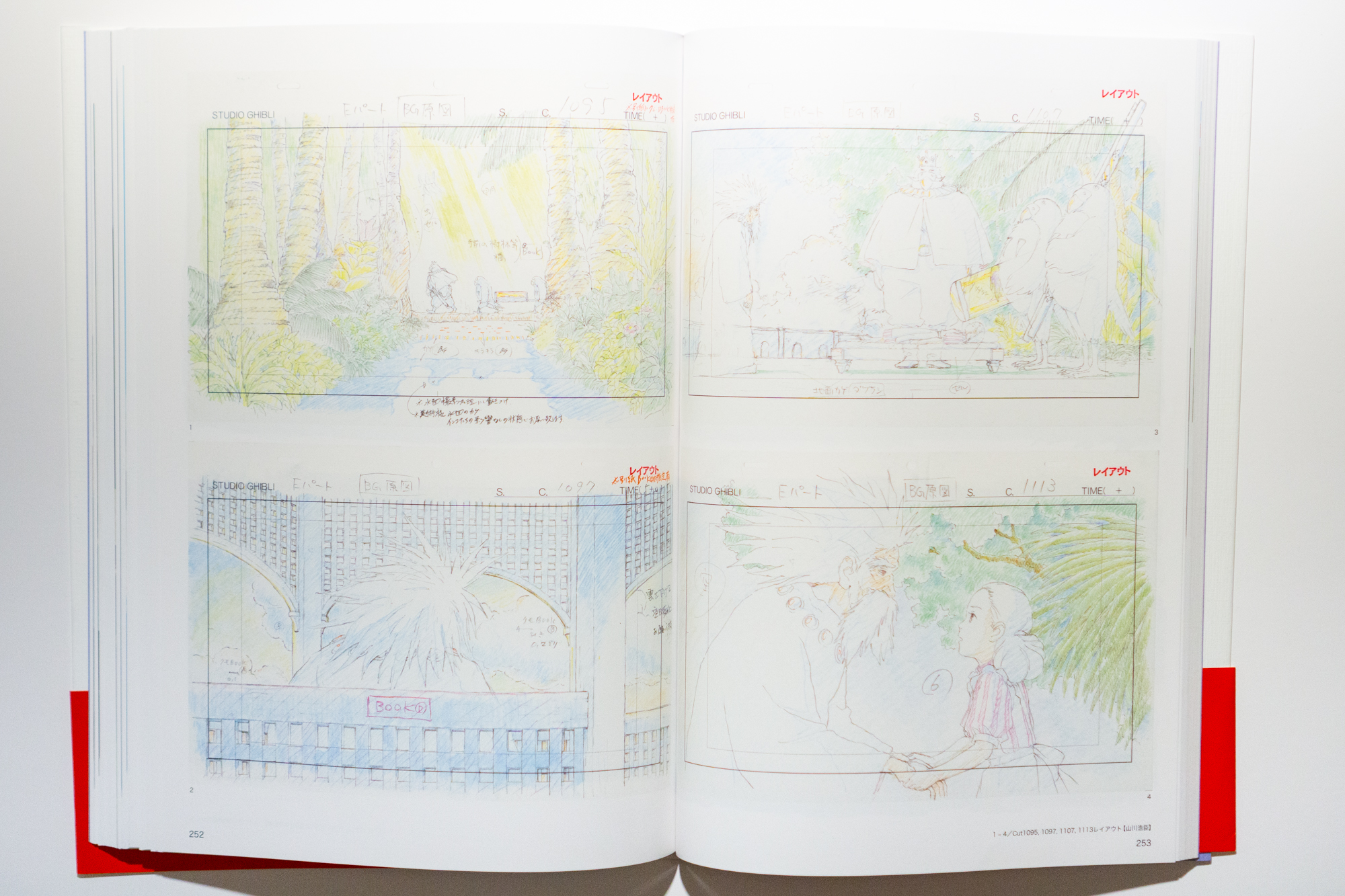
The visual richness present in Miyazaki’s previous films is reversed in “The Boy and the Heron” The visual language gradually diminishes from symbolism to abstraction and back to figurative reality. The red color that was prominent in his films is almost gone; it only appears through the fire. The landscapes in the movie speak the narrative’s language through nature in two ways: one is the dying nature in the world of water, and the other is a present nature taking over the remains of humanity in the abandoned building; both represent death.
These two reminded me of the works of Caspar David Friedrich, the Romantic artist who illustrated desolate landscapes full of mysticism as symbols of death and loneliness.
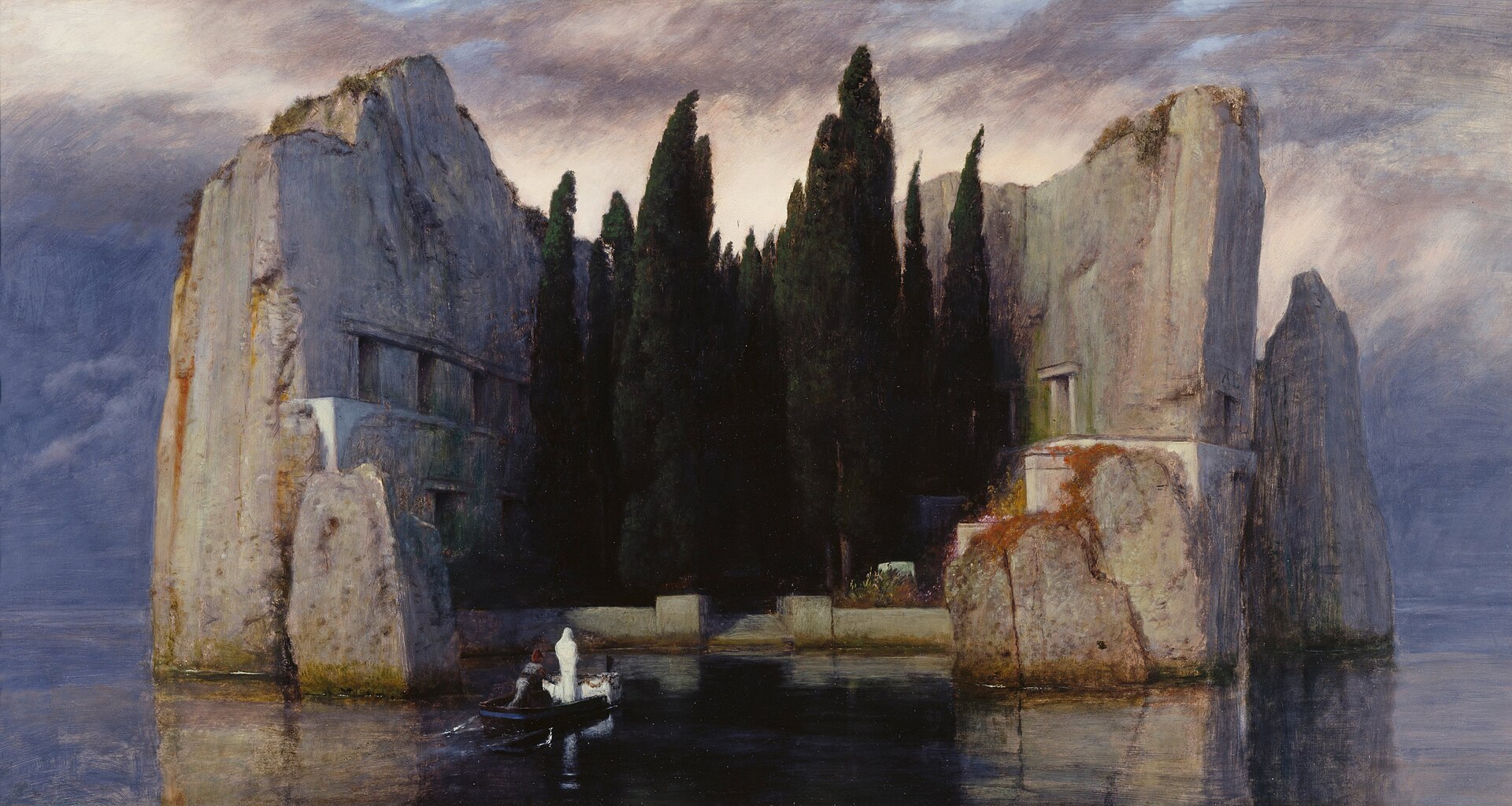
Arnold Böcklin - Die Toteninsel III
Caspar David Friedrich - Klosterruine Eldena
The visual richness present in Miyazaki's previous films is inverted in "The Boy and the Heron" The visual elements progressively shrink from symbolism to the abstract and back to figurative reality.
Along with him, there are flashes of works by the Symbolist artist Arnold Böcklin, the most prominent of which is the entrance to the world of water, reminiscent of his work “Isle of the Dead” As the film progresses, more and more enter the world of water, and thus the dreamlike images continue to appear.
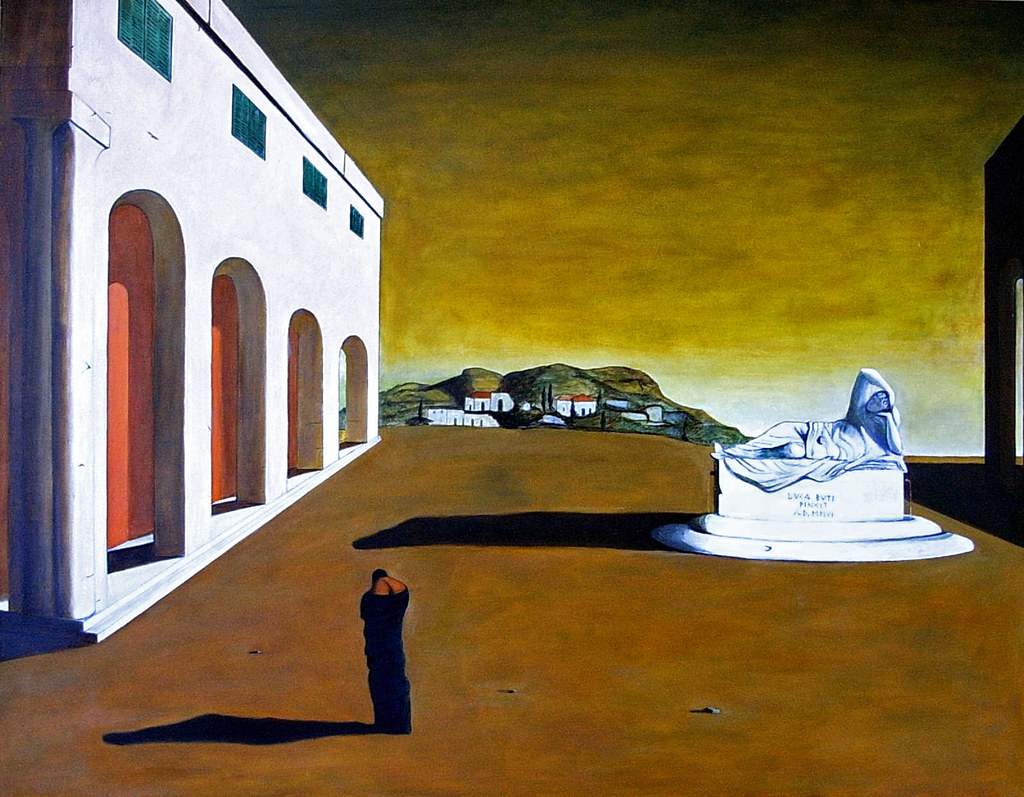
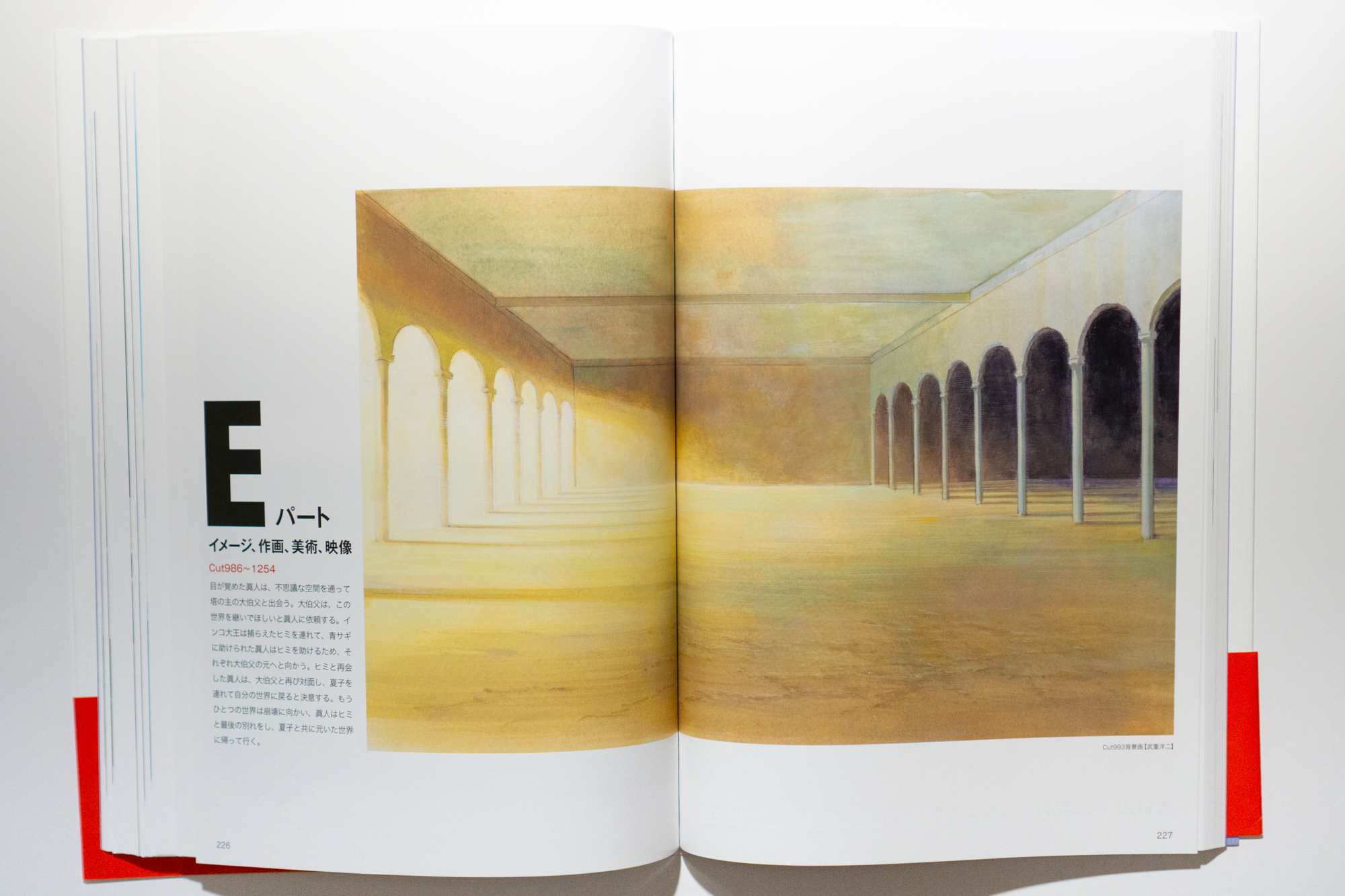
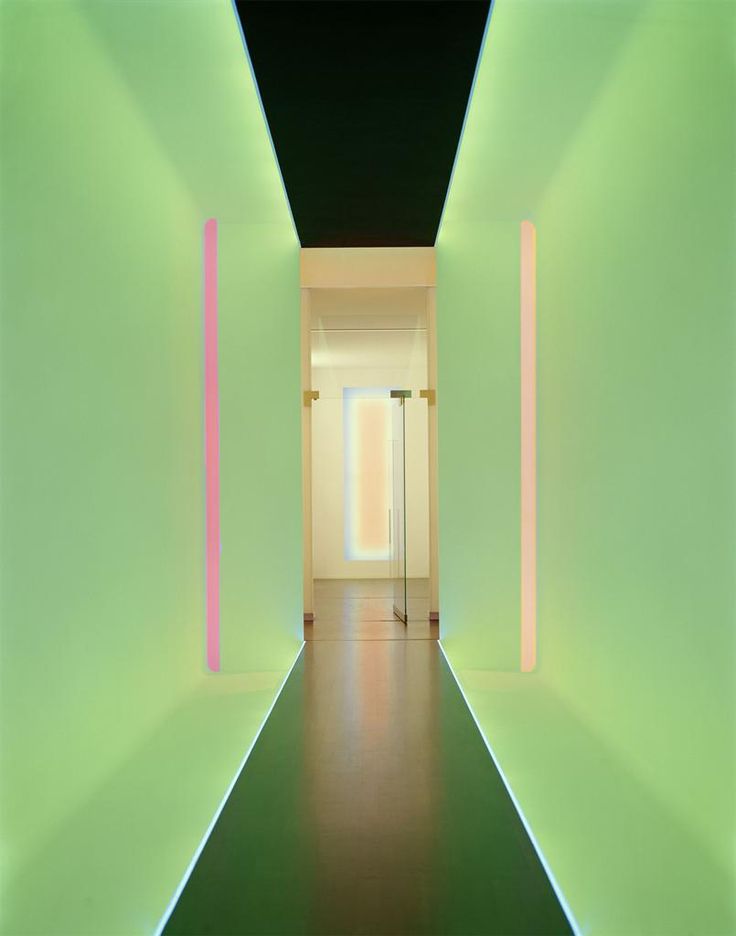
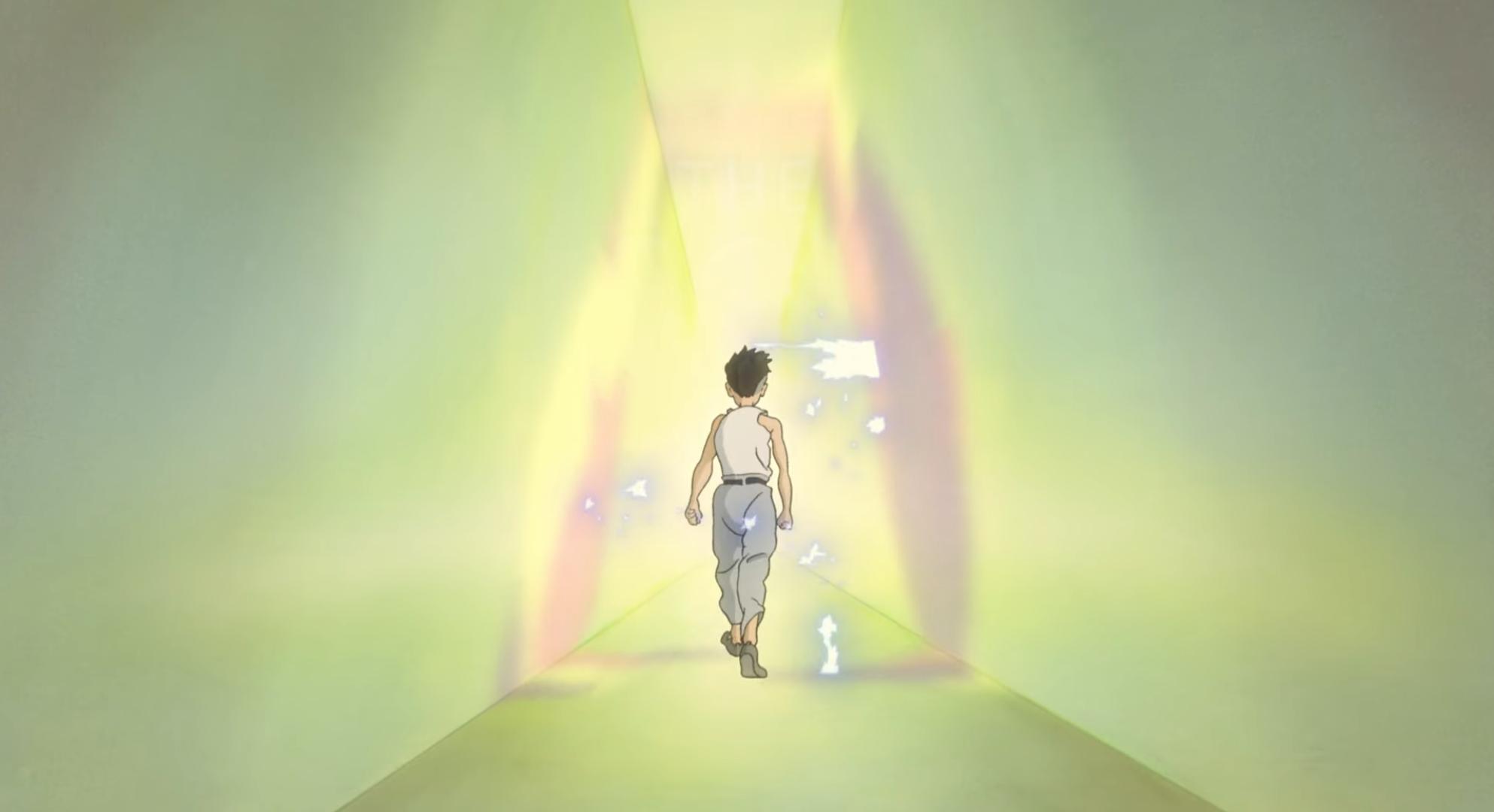
The most prominent of these is the arched room leading to the creative great-uncle. It is reminiscent of the works of Giorgio de Chirico, the man who inspired the Surrealism movement. His works before World War I resembled dreams, mixing archaeological structures with strange lighting and lengthening shadows that gave the paintings an unreal atmosphere. And finally, a sequence of walking inside an abstract, light-flooded space that draws Mahito inward, similar to the light works of the artist James Turrell. All these visual means are used to summarize the most crucial scene of all – the meeting between the creative great-uncle and Mahito.
Melancholy of a Beautiful Day - Giorgio de Chirico
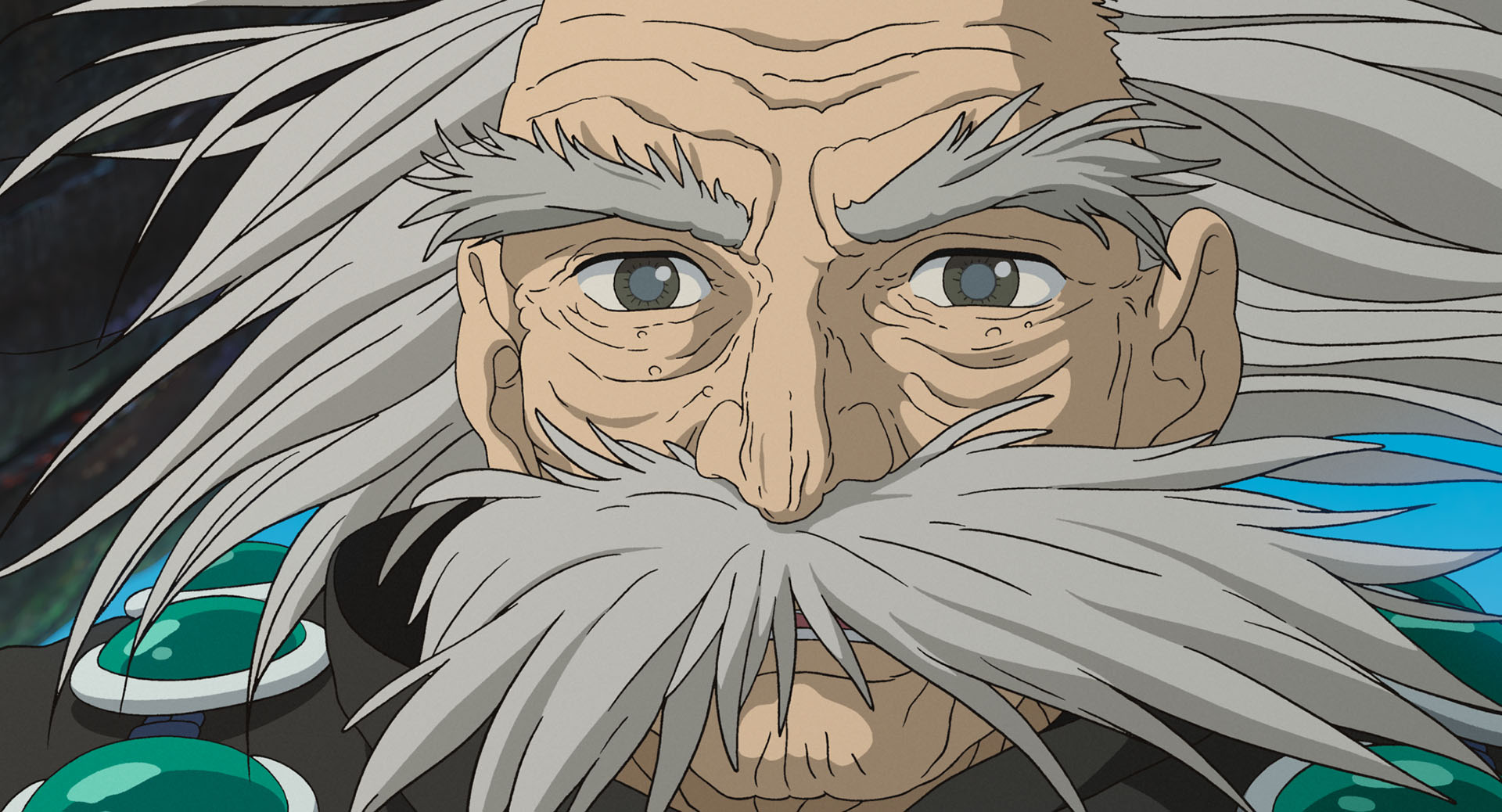
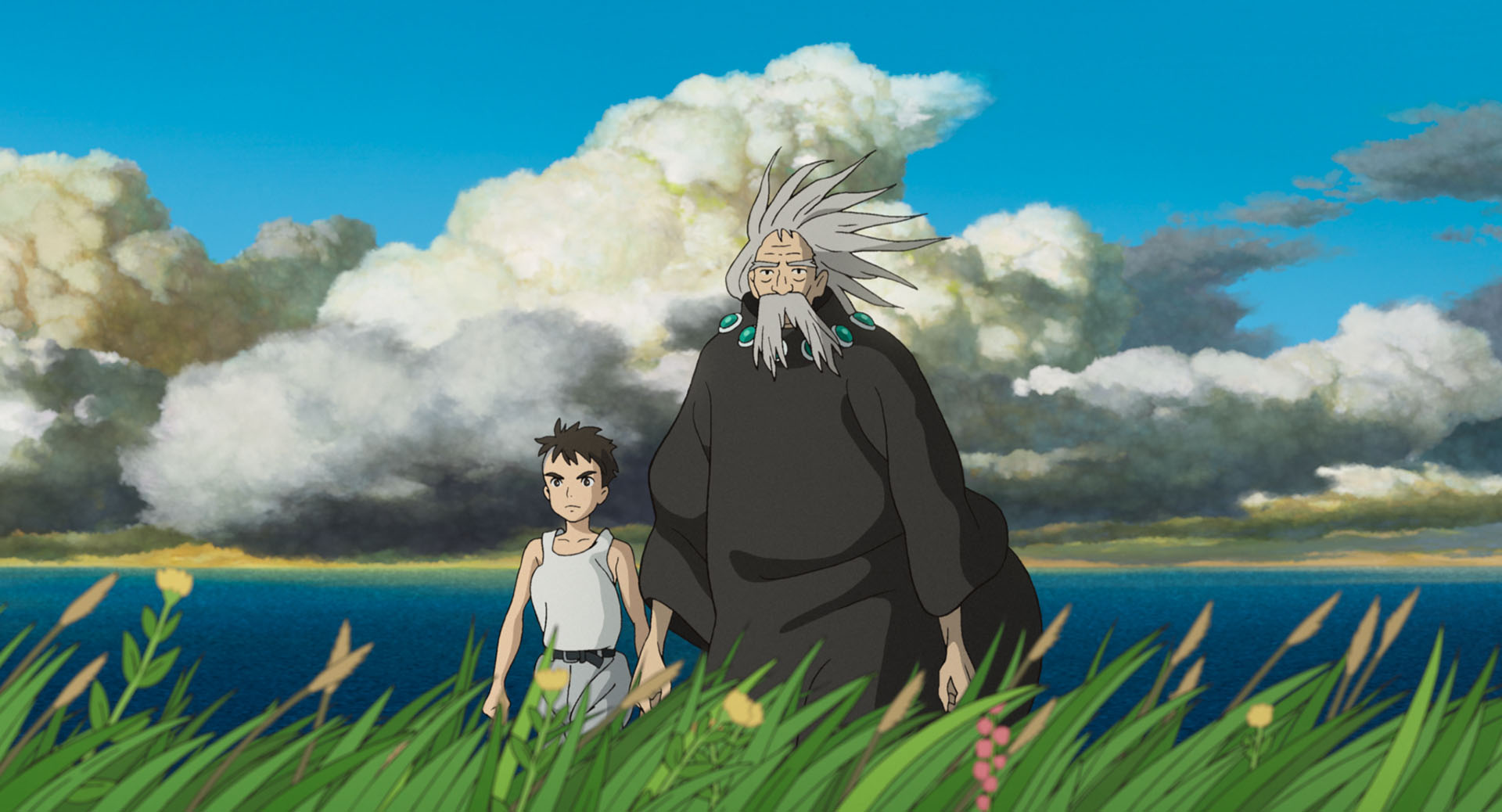
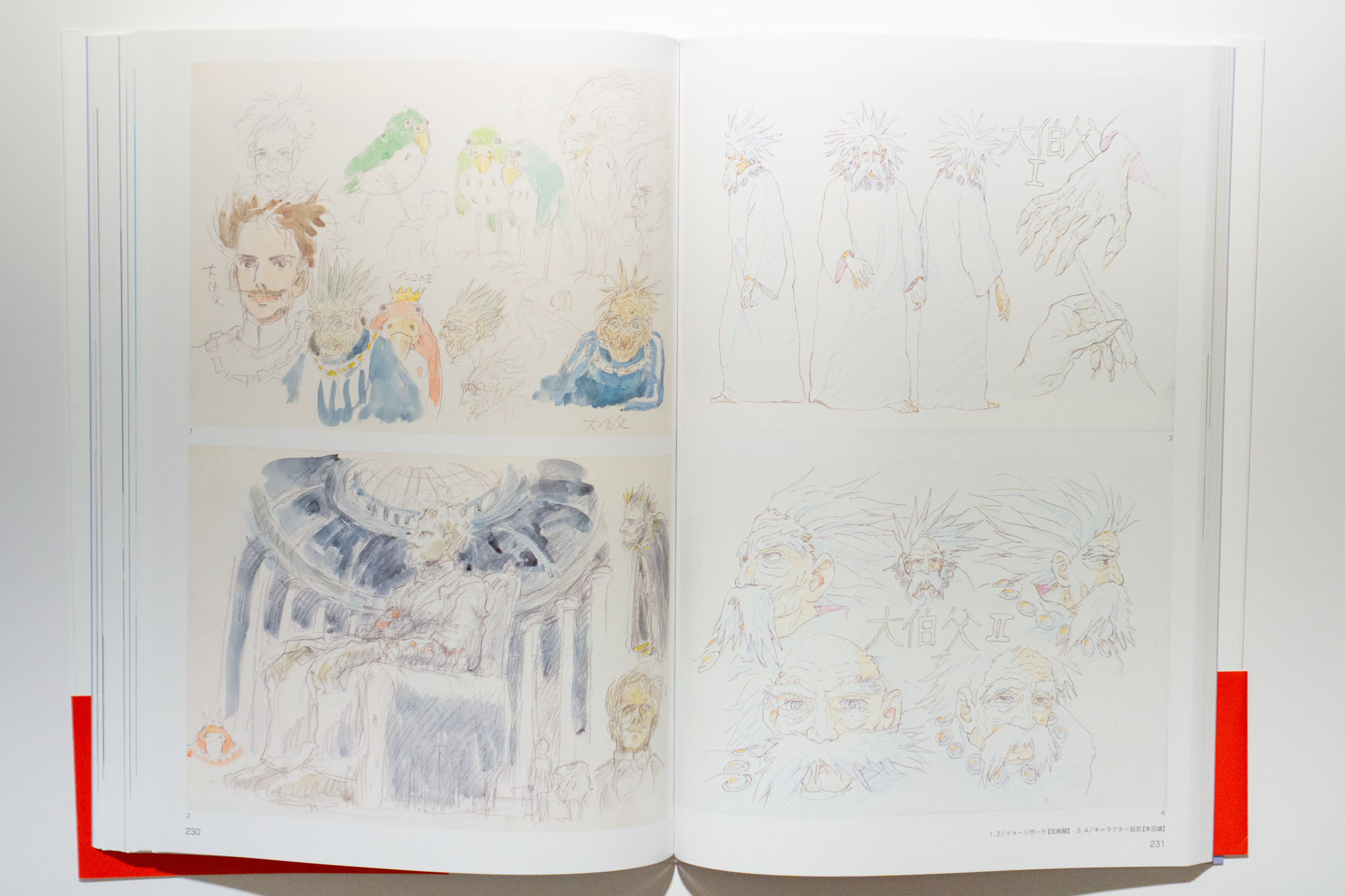
The creative great-uncle is the older Miyazaki’s counterpart, while Mahito is the younger Miyazaki’s counterpart. And so, the main narrative of trauma and recovery is intertwined with the personal narrative of the artist and his creation. The director asks himself how he chose to live. Since he decided early in life to process his emotions through animation, he has created worlds in which conflicts are resolved, wars end, and man embraces nature in all its glory, making complex and moving films.
The films he produced are an escape for a child with traumatic childhood memories as a toddler in World War II, including the bombing of Tokyo, a father who worked in an airplane parts factory, and a sick mother. Fire represents trauma and creation simultaneously. They fueled each other. When Miyazaki addresses us with the same question throughout the film, he wants to tell us to find our own way to deal with the pain, and that the creation emerging from it should be personal, not an imitation of the familiar (meaning his). Through the choice of words in this sensitive dialogue, there is also a hint of an intended apology to Miyazaki’s son, Gorō, who followed in his footsteps and received torrents of criticism from him (as seen in the documentary series about him).
The Boy and The Heron, Studio Ghibli
The Boy and The Heron, Studio Ghibli
The Boy and The Heron, Studio Ghibli
I also found in “The Boy and the Heron” a statement about Miyazaki’s presence in reality. In contrast to his escape into creative work that acted as a honeytrap, this is reinforced when Mahito chooses to return to reality, with all its flaws. Everything has an end. Mahito comes to terms with death and accepts his new mother, Natsuko, calling her ‘Mother Natsuko’ rather than ‘Dad’s partner.’ He understands that part of life involves a lack of control. The life’s work called Studio Ghibli also has an end, and perhaps this is what Miyazaki would like us to know: how to choose how to live life, to be present in it despite all the surrounding difficulties, as one who has tried to choose them again and again.