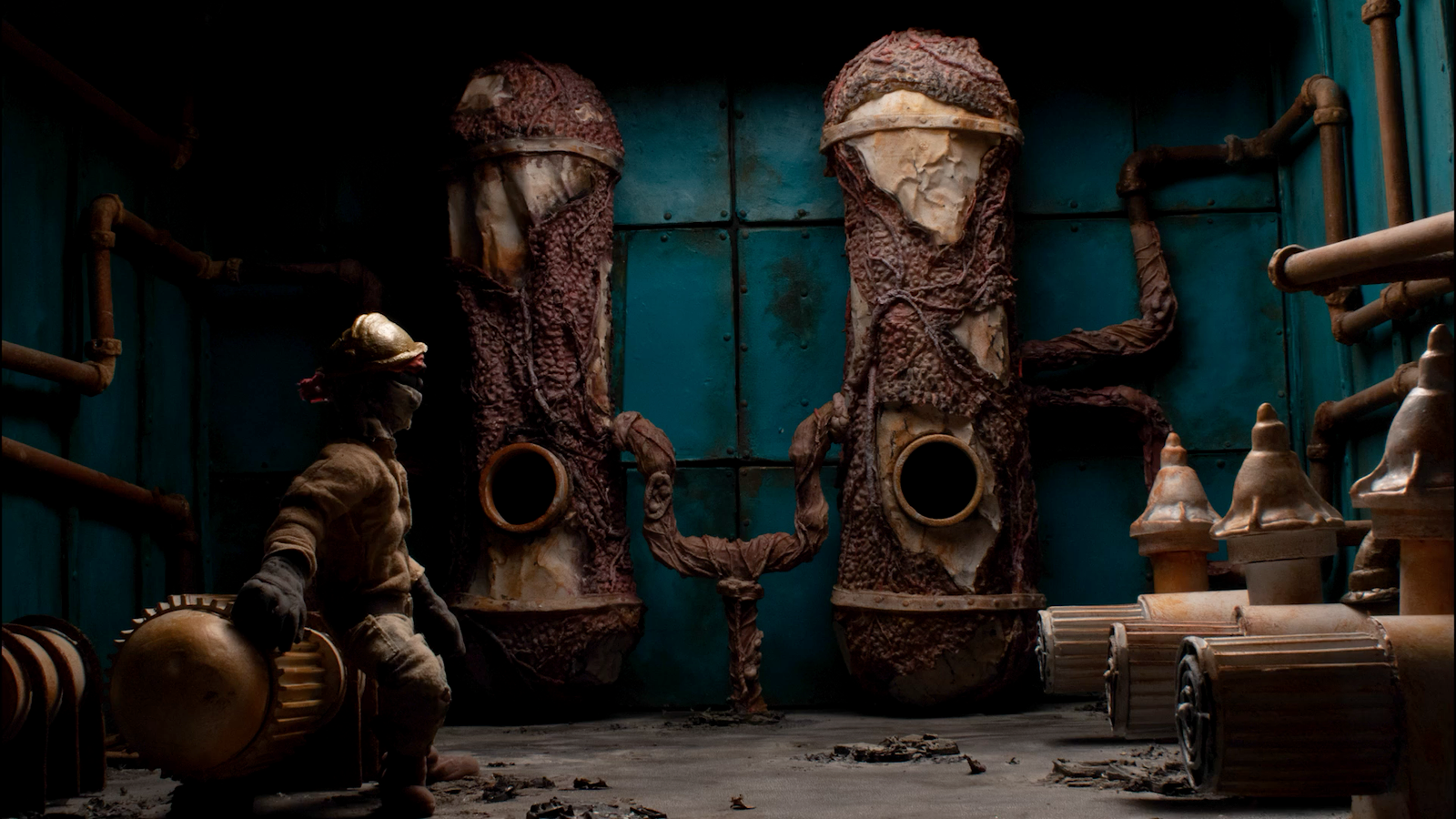
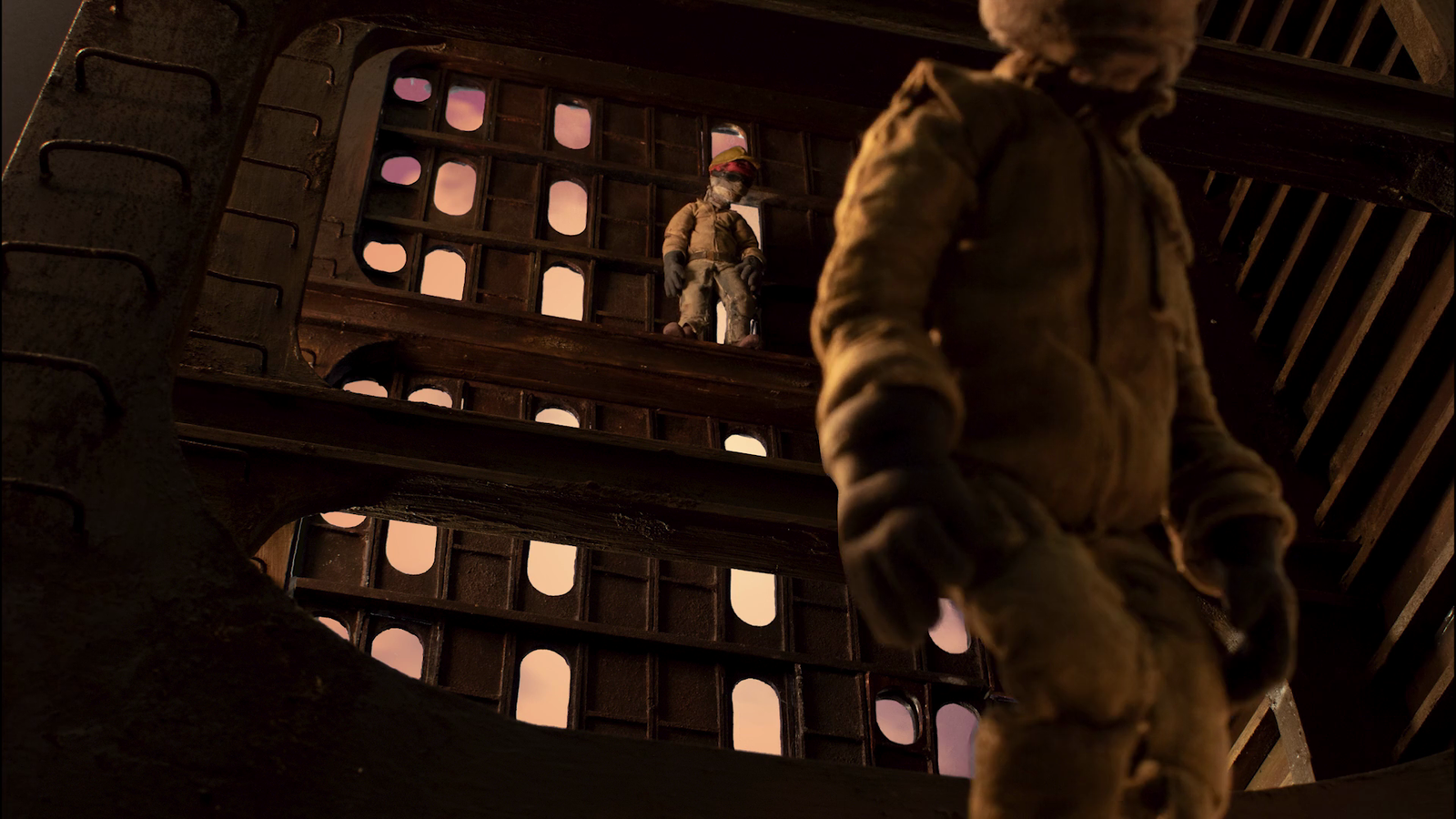
Oved Poran, a Bezalel graduate and animator, has created Apart — a wordless animated film about a heavy body, a creeping illness moving between rooms, and a ship that becomes a sweeping metaphor for loss, life, and death.
In a joint interview with the film’s lead animator Liron Narunsky, they reveal the intense creative process, the decision to avoid dialogue, and the curiosity to work manually in a digital world.
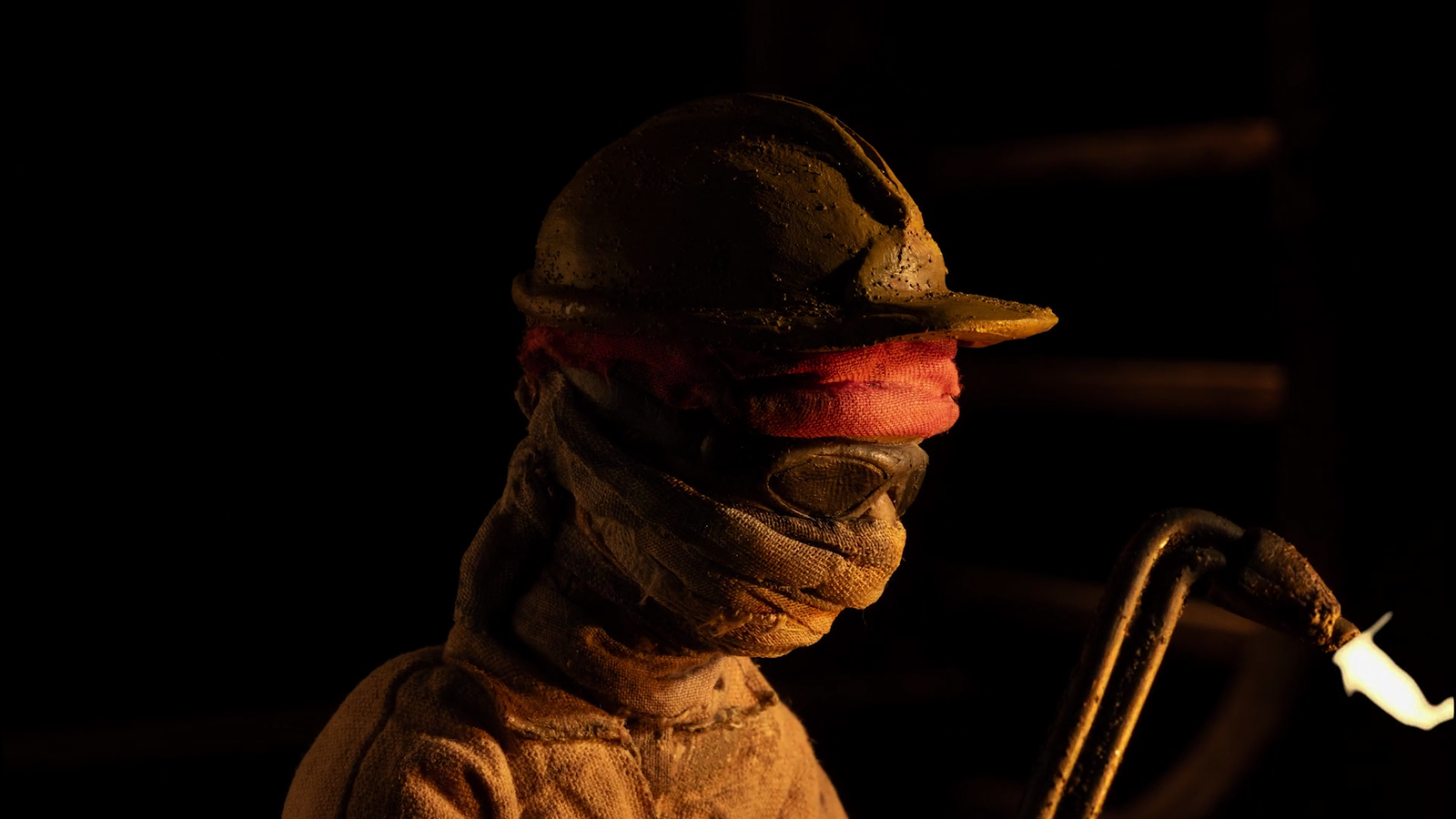
A shipbreaking worker is grappling with his father’s death. A work accident distorts his perception, and the ship’s body transforms into his father’s body — and the consuming illness threatening both man and vessel. This hallucinatory state forces him to confront deeply buried fears.
Oved Poran — director, creator, screenwriter, and animator — brought animator Liron Narunsky into the development process of Apart early on. Both share a deep passion for stop-motion (check out their graduation film) and are alumni of Bezalel’s Screen-Based Arts department. In recent years, they’ve been working on a stunning stop-motion film that is now touring film festivals worldwide.
The film Apart was produced with support from The Makor Foundation and Mifal HaPais, and is distributed through M&H Distribution — a collaboration between The Hive Studio and Metaphor Productions.
How did the idea for the film come about?
Oved: “The film is a combination of two elements — the loss of my father, and the shipbreaking shores. There are a few such places in the world; the largest is Alang in India. There are also some in Pakistan and Bangladesh.
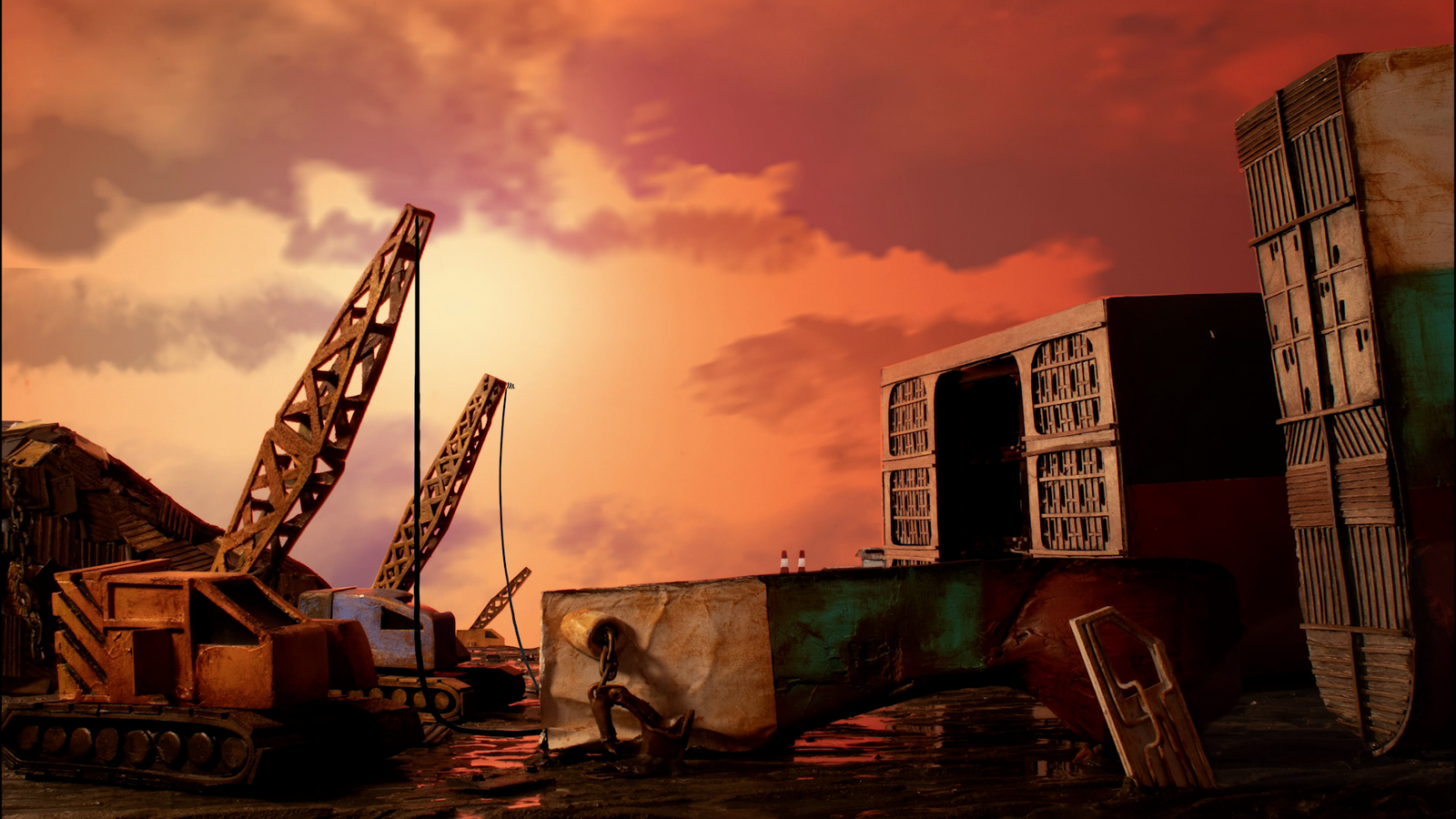
They dismantle old cargo ships for their metal. The iron is melted and recycled for other uses. It’s a very dangerous process, since the ships are filled with toxic materials like asbestos, and the shipbreakers work without protective gear — they literally risk their lives and die. And yet, when you watch videos of it, you see this impressive choreography of tiny people dismantling these giants — cargo ships.
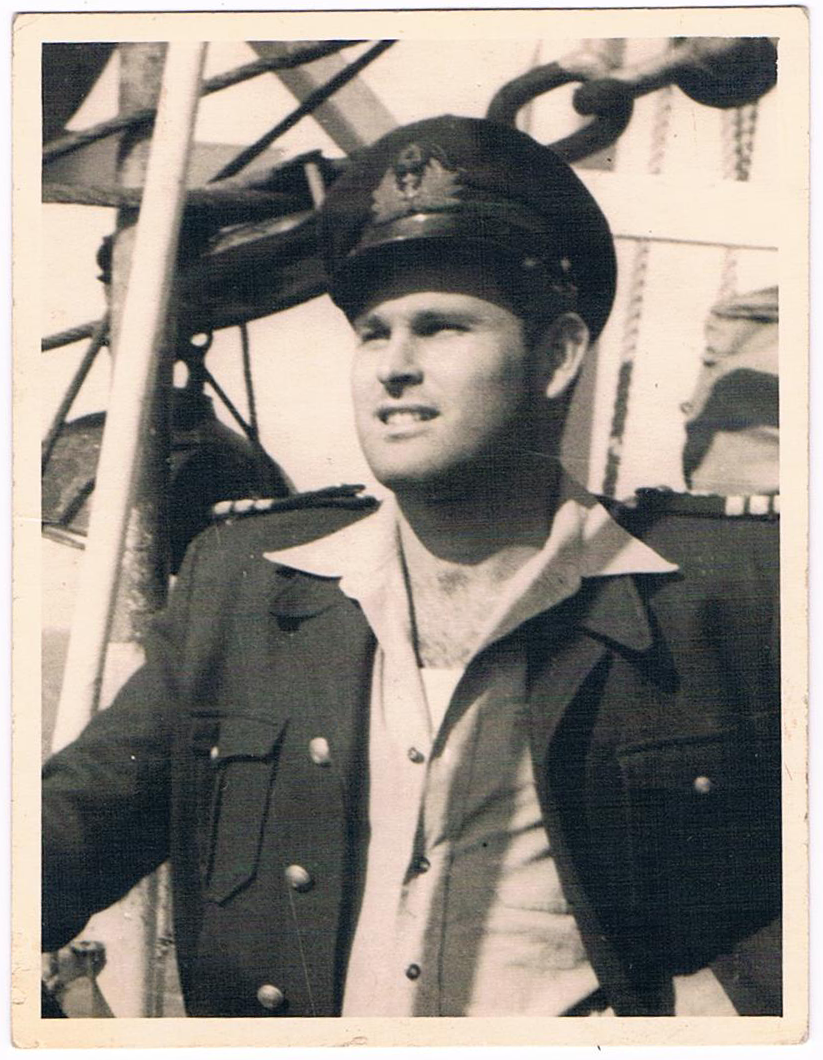
My father was a sea captain, and he passed away from cancer in 2015, when I was in my third year at Bezalel. I witnessed his slow dying, and it stayed with me.
Only in 2018, while flipping through my sketchbooks from that time, I felt a conceptual spark. I spoke to Adi, my partner, and she thought it was a very compelling idea. I trust her judgment.
That year, the Makor Foundation published a themed call for submissions on the topic of ‘place’ — which obviously fit the film. I quickly prepared a proposal, and we received a positive response — the project advanced to the pitch stage. That’s when I spoke to Liron Narunsky (a friend and my partner on our 2016 graduation film Above and Beneath) and asked him to join me.
After prepping and working with the Makor Foundation, we reached the pitch. We didn’t receive the grant, but we did get a consolation prize — a script development residency in the Czech Republic called ‘Anomalia.’”
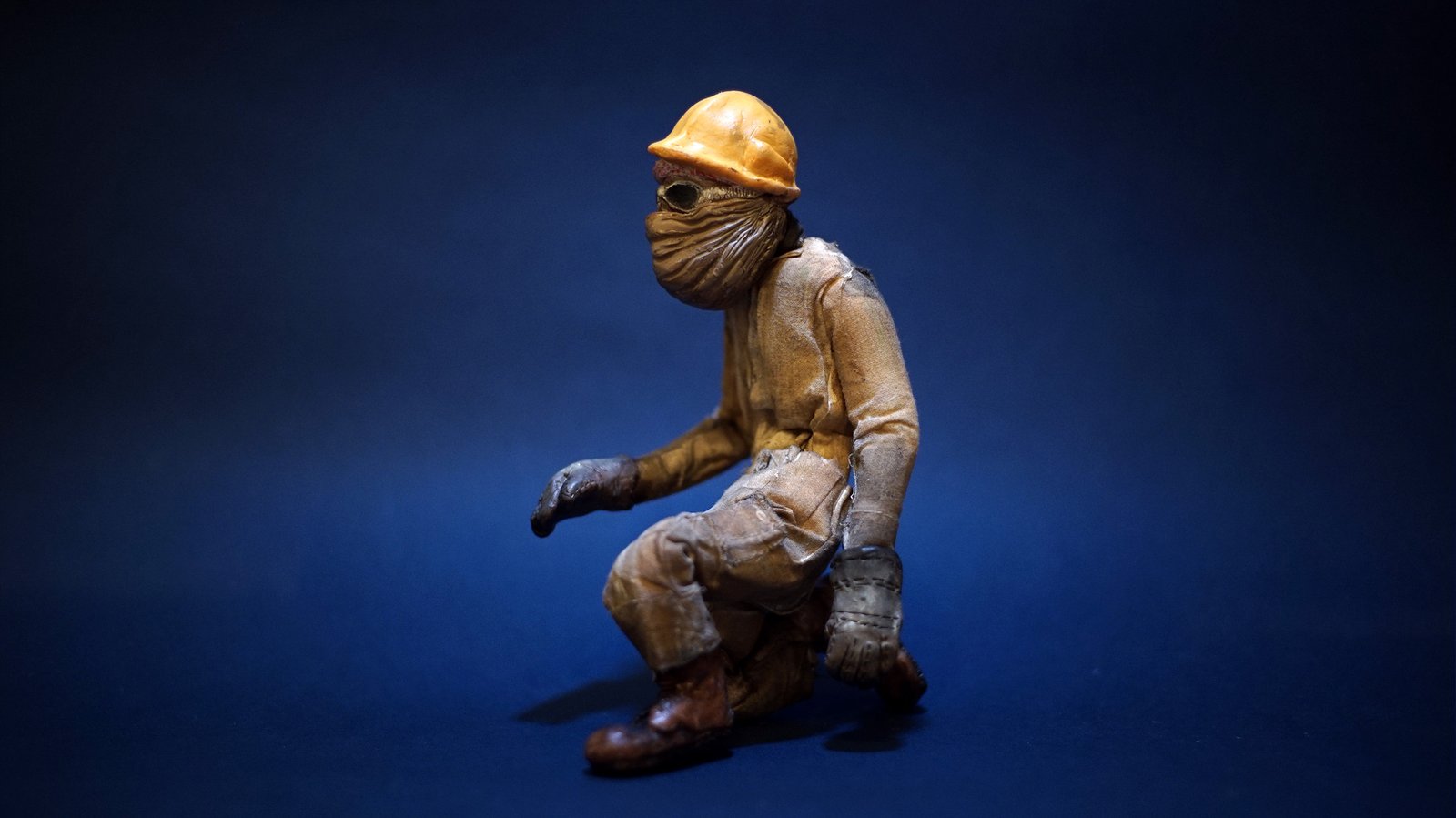
Apart - Oved Poran
Hadar Poran, father of Oved Poran
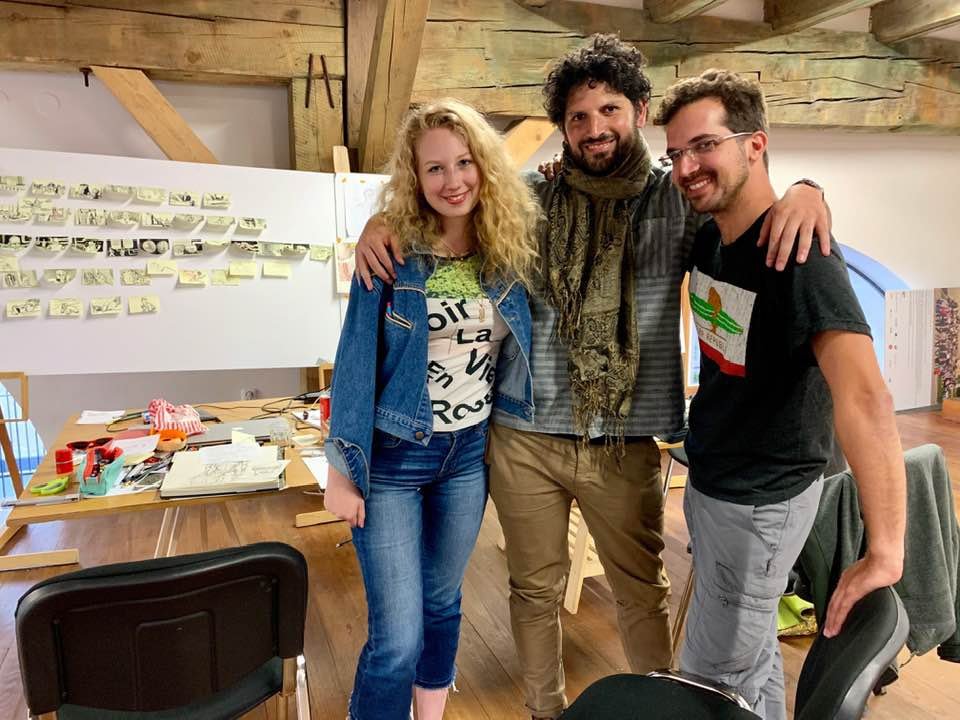
Liron Narunsky, Oved Poran, Luna Mascha Wieland
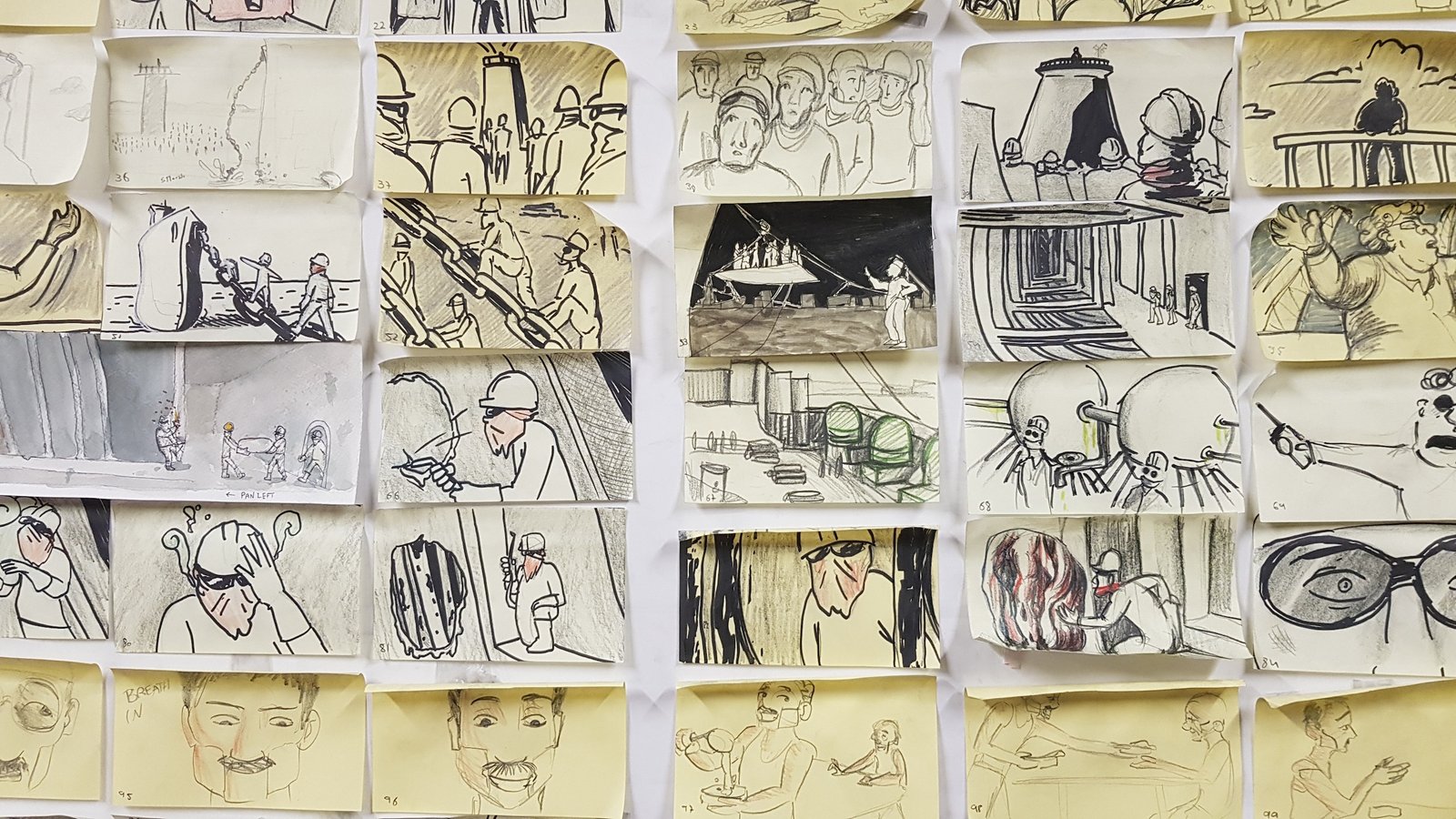
From the Anomalia workshop. Illustrations by Oved Poran and Liron Narunsky
That sounds amazing! What was your impression of the workshop?
Oved: “I told the Makor Foundation that our focus was the screenplay. At Anomalia, you can do different types of workshops, but I felt that the story was the most important thing to work on — because it wasn’t ready yet.”
Liron: “At the time, I had just started focusing on storyboarding. The workshop was two weeks of pure delight. We worked with an American mentor named Robert Lence, an industry veteran who storyboarded the films we grew up on (Toy Story, A Bug’s Life). He taught us to work with a ‘beat board’ — the most critical moments in a story that expand into a full storyboard.
We had never used this workflow before, and it fit the structure of the workshop perfectly. Working manually with sticky notes was something I had only seen in Disney behind-the-scenes footage. But actually understanding why it’s effective and how it supports story-building sharpened my skills. It was one of the best lessons I’ve had in my career, and I took it with me moving forward.”
Oved: “I was able to focus on the world the film was made of — I studied ships in depth. And if that wasn’t enough, we were joined by Luna Mascha Wieland, an animation student from FAMU — the film and animation school in Prague — and her work helped push the project forward.
In the end, thanks to the workshop’s intensity, we made significant progress with the script. When we presented the results to the Makor Foundation, they were impressed and decided to give us the production grant. I’m very grateful they chose to send us to the workshop — it was incredible.”
Liron: “It’s so important to invest in the storyboard phase — it’s where directing begins.”
Oved: “Especially in films without dialogue. There’s a world of difference between a screenplay and the actual movement — and how the action is perceived. Three words can turn into a much bigger movement than you’d expect.”
Apart - Oved Poran, Liran Narunsky
Apart - Oved Poran, Liran Narunsky
Why the choice to create dialogue-free films?
Oved: “I think that once a character says a single word, you enter a whole world that needs to be justified — especially when dealing with a foreign setting like India. Unconsciously, you start asking: how do they speak, what language, how do they talk to each other?
That’s cultural research I preferred not to delve into, because the film is about a place, not a culture. It’s about rusty iron — not temples. And sometimes, dialogue detracts and adds unnecessary information — things that visuals can communicate far more effectively.”
Apart - Oved Poran
Apart - Oved Poran
How did you approach developing the film’s visual language?
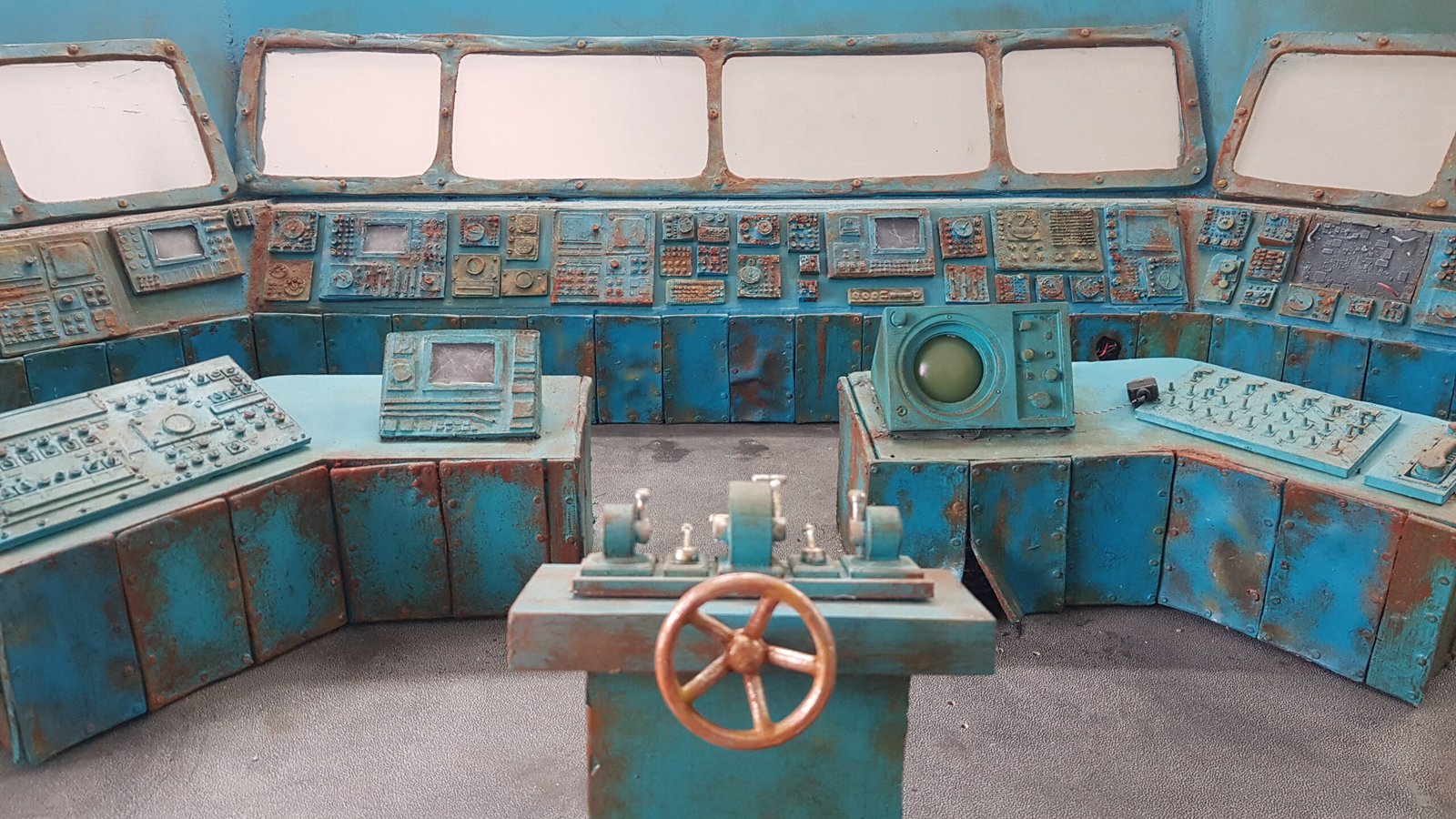
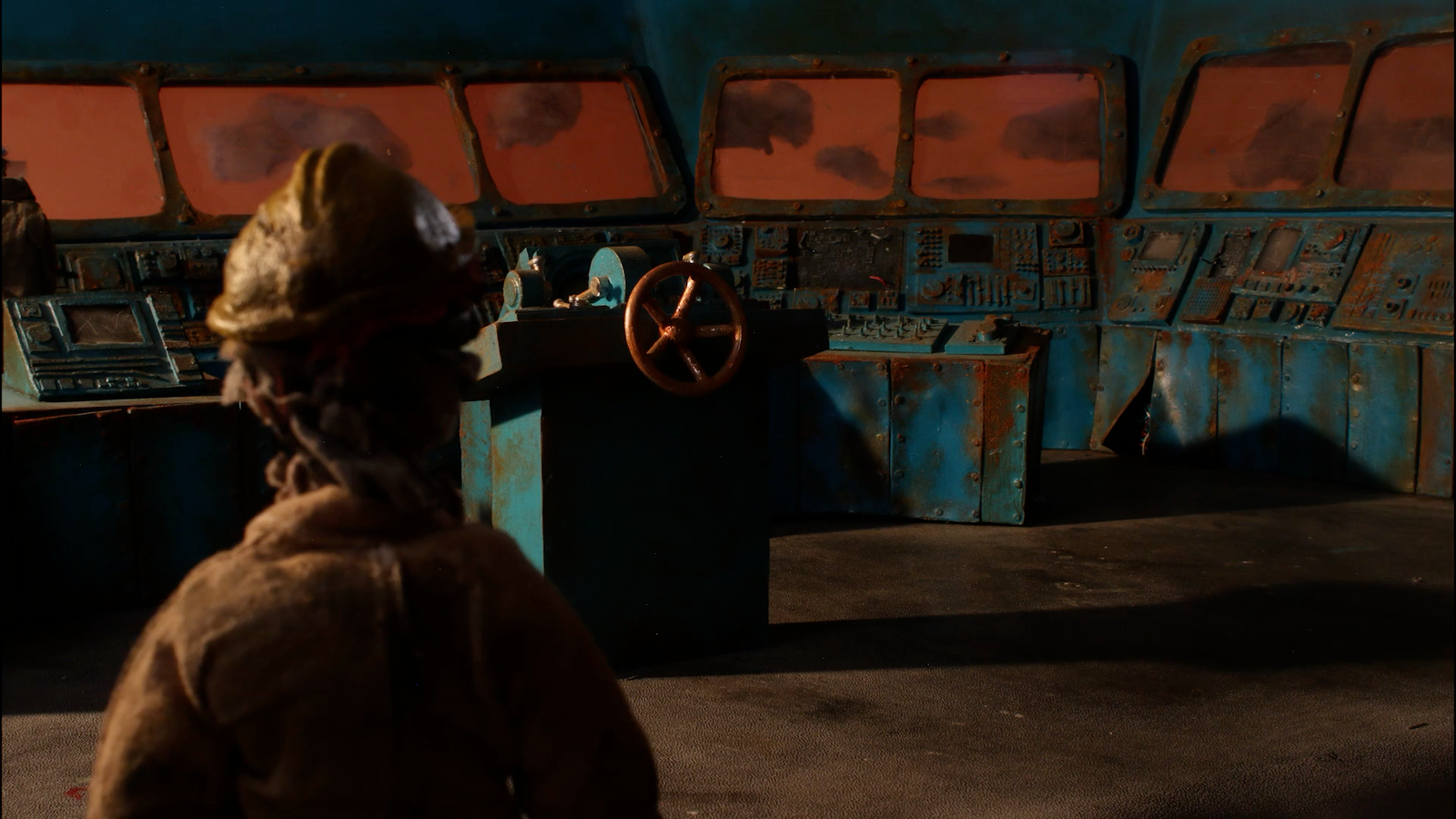
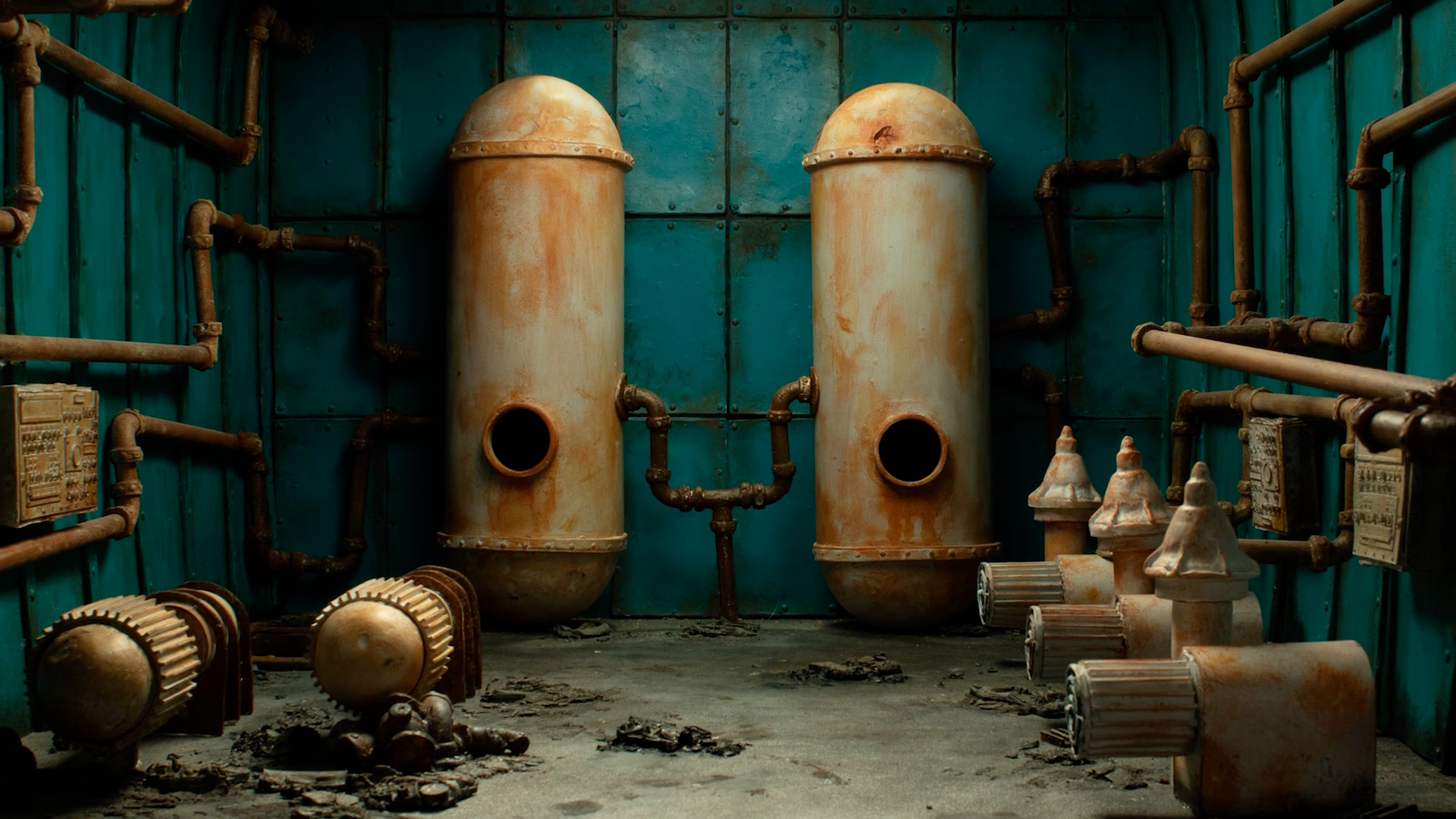
Oved: “I’m connected to the grunginess of metal and rusted iron — the materials ships are made of. These are very expressive textures, and I probably inherited my love for them from my mom, who’s an artist. The film relies heavily on its visual language. In a way, the art direction was about understanding the different environments the film takes place in and how to use them to serve the story. I invested a lot of thought and research into that stage.
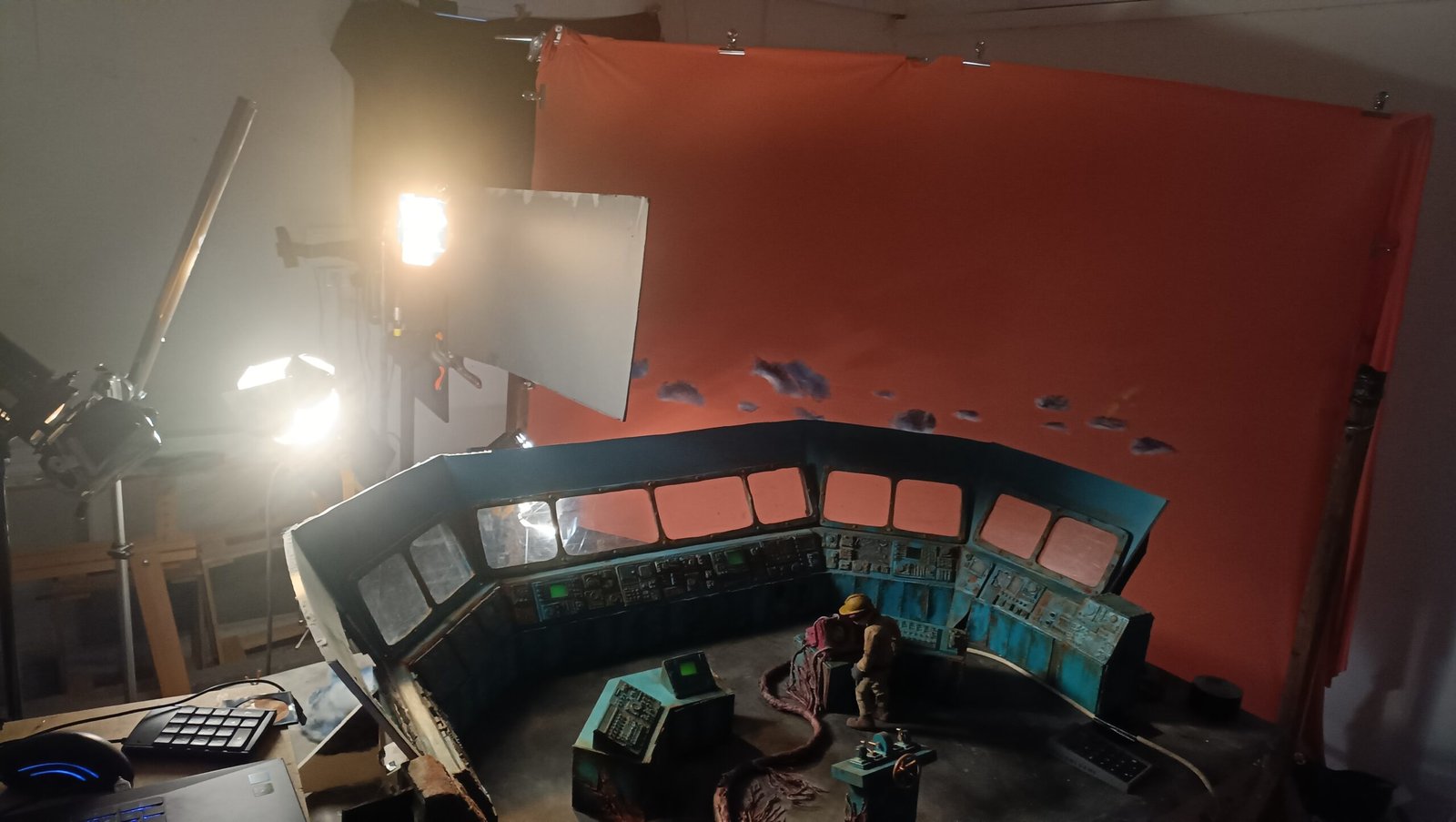
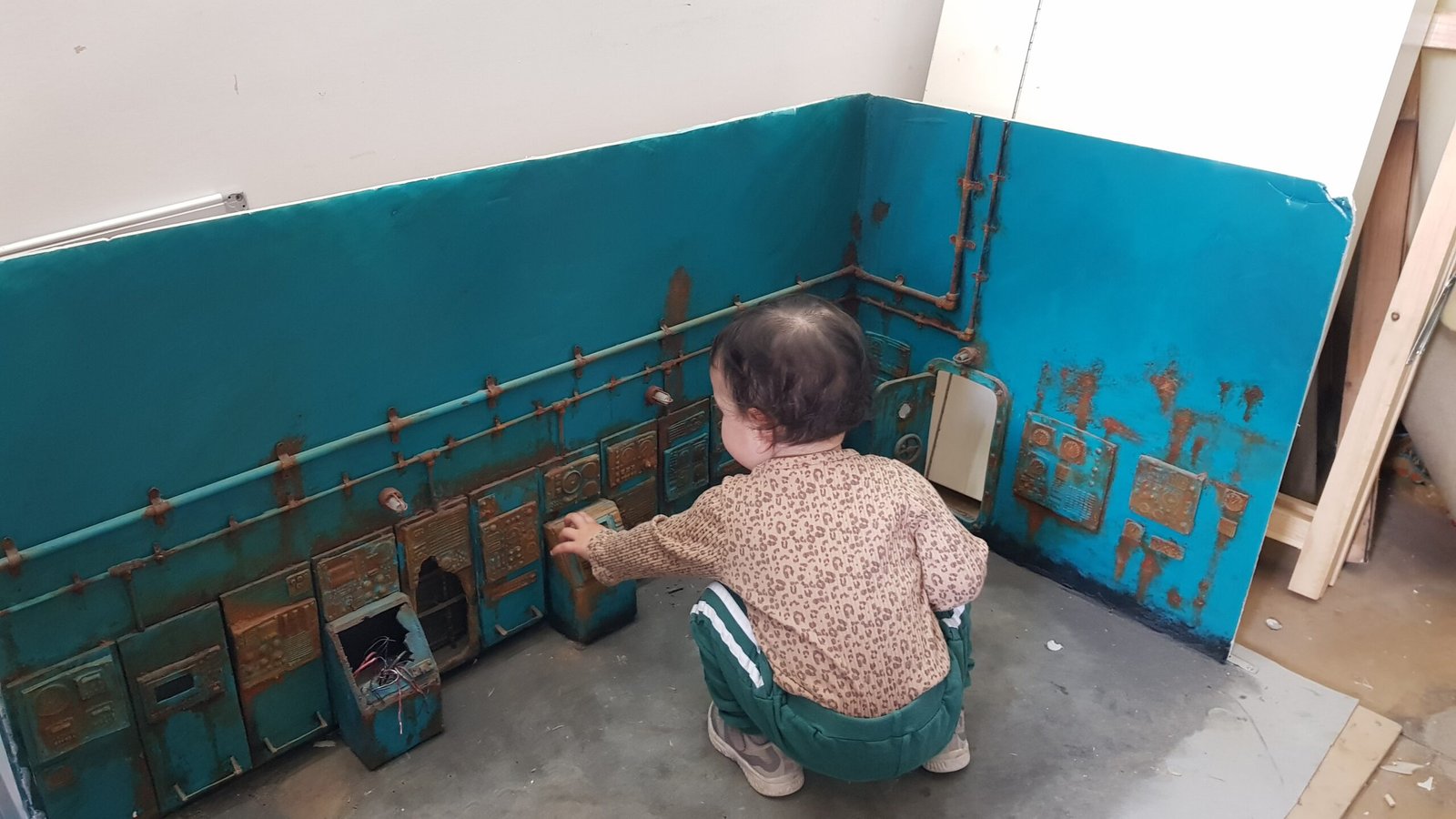
The first thing I developed visually were the control panels. I saw that ships are filled with panels and button-covered dashboards, and I realized the best way to create them would be through a ready-made technique. I barely used a 3D printer for any elements — I’m a strong believer in fully manual craftsmanship. I dismantled electronic devices and turned them into molds for the film’s sets.”
Apart - Oved Poran
Apart - Oved Poran
So the film includes both deconstruction and reconstruction — in the narrative and the process itself.
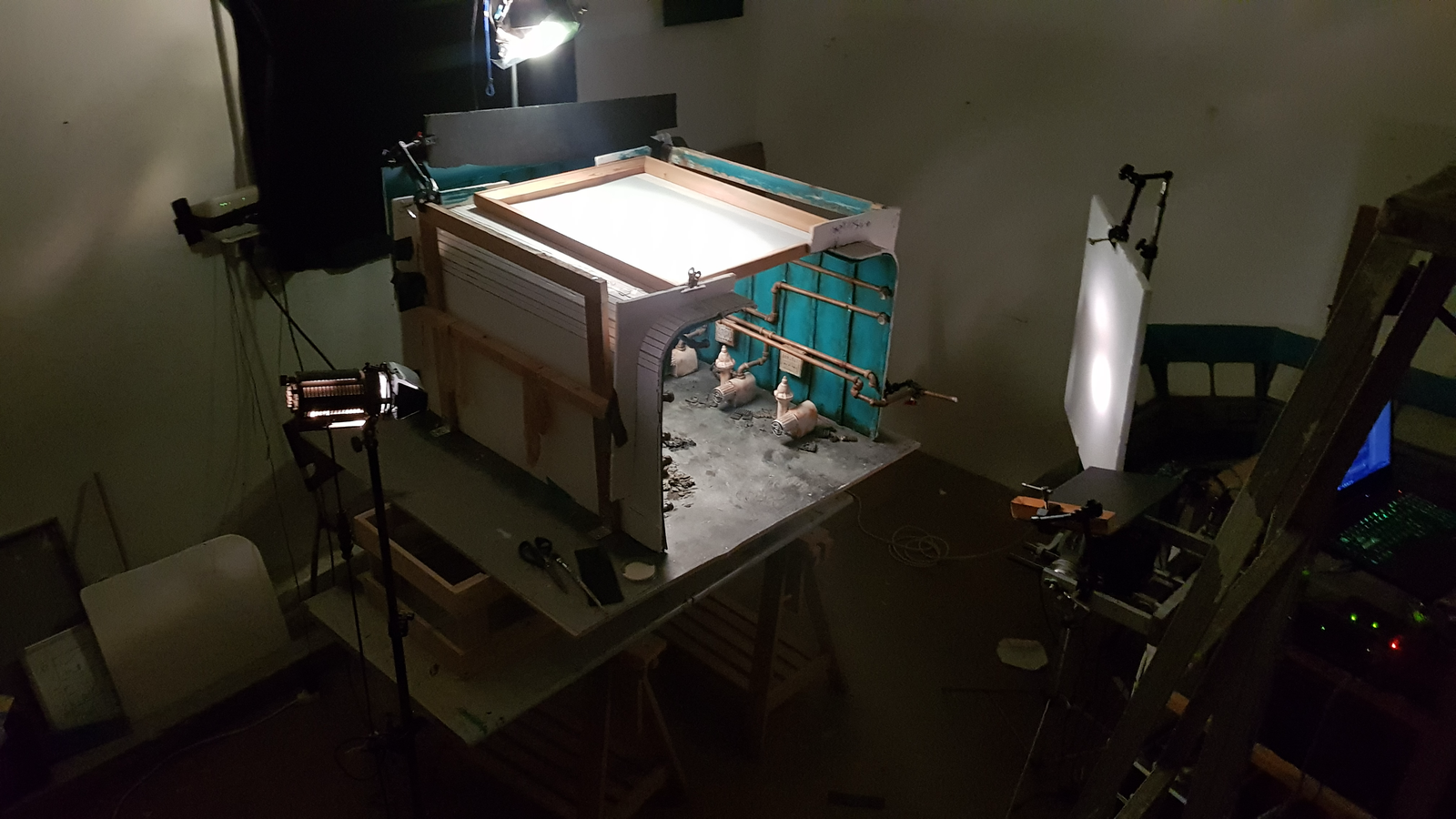
Liron: “Ready-made — using what’s already there to make something new — is a process that doesn’t require perfectionism, and it was also fun. Like breaking apart miniatures and building new ones. We insisted on doing the film in stop motion. Usually, puppet stop-motion stays within the student space and rarely goes beyond that.”
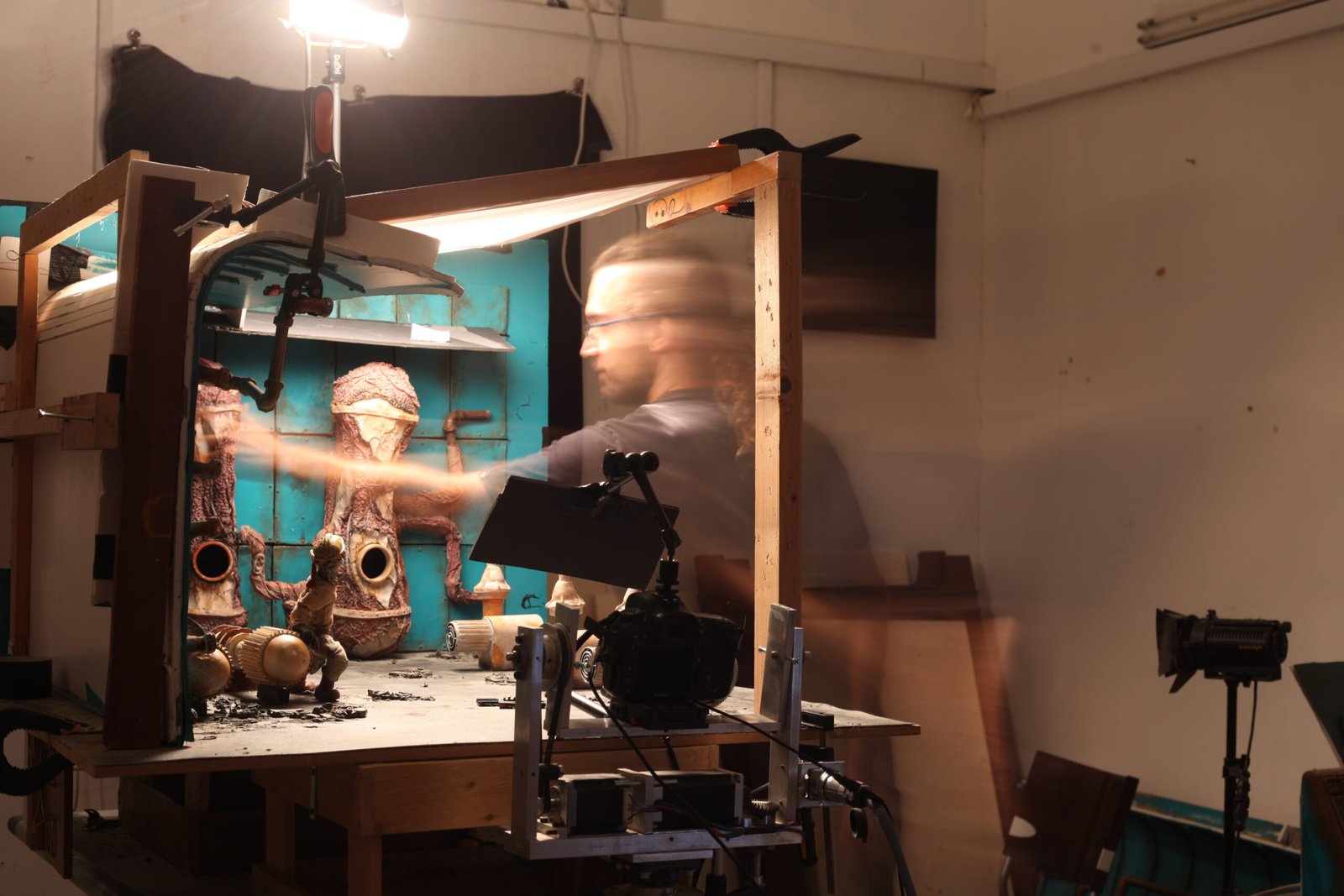
Oved: “We kept post-production to a minimum. We also got a motion-control rig from Liran Koren and Aviv Cohen of Mocobeasts, which helped us control camera movements and significantly upgraded the on-set animation process.”
Apart - Oved Poran
What were the most important things in the film you couldn’t let go of?
Oved: “The film hinges on the metaphor between the ship and its rooms — and the organs of a body. The character is drawn into more and more rooms — just like an illness draws you in. One of the scenes takes place in a room that looks like lungs, and I think that’s a very powerful scene.”
Apart - Oved Poran
Apart - Oved Poran
What advice would you give to young creators today?
Oved: “Keep your creative spark alive and continue generating ideas for yourself. Dare to make things — even if internal voices tell you it’s not worth it.”
Liron: “A healthy routine around short film creation is essential. Sometimes it’s impossible to work continuously — especially on a low-budget independent short. That’s why it’s important to be forgiving with yourself, to plan your time wisely, and to find balance between making a living and independent artistic creation.”
Oved: “During the making of the film, I became a father myself. Something I thought would make things harder — but it actually gave me much-needed breaks, time outside the film’s world, which is such an intense and endless process.”
Rotem Poran in the set. Photo: Oved Poran
Can you share some artists who inspire you?
Oved: “Jan Švankmajer, Max Winston, and of course David Lynch (Eraserhead is the spiritual father of my film). And I have to give a shoutout to Tom and Hani — okay? If we’re talking inspiration — they are the royal couple of Israeli stop-motion. They adopted us and helped us tremendously — with equipment, animation, and priceless advice.
I owe huge thanks to my friends and fellow animators who supported us and the film — including Shahar Zelikha Levy who was in charge of post-production, Uri Kadishay who composed an incredible soundtrack, my partner Adi, Ayelet Schatz, Hamutal Ramot, and Rachel Shiloh.”
Liron: “We need support groups for the families and friends of animators!”