Beauty and the Beast Returns: Bambi Friedman’s Set Reimagined
Tal Solomon Vardy
Photo: Ariel Efron
After 20 years, Bambi Friedman has returned to his castle. The set designer who created the original design for “Beauty and the Beast” in 2005 was given a unique opportunity: to rewrite the past, fix what bothered him, and bring the original vision to maximum precision.
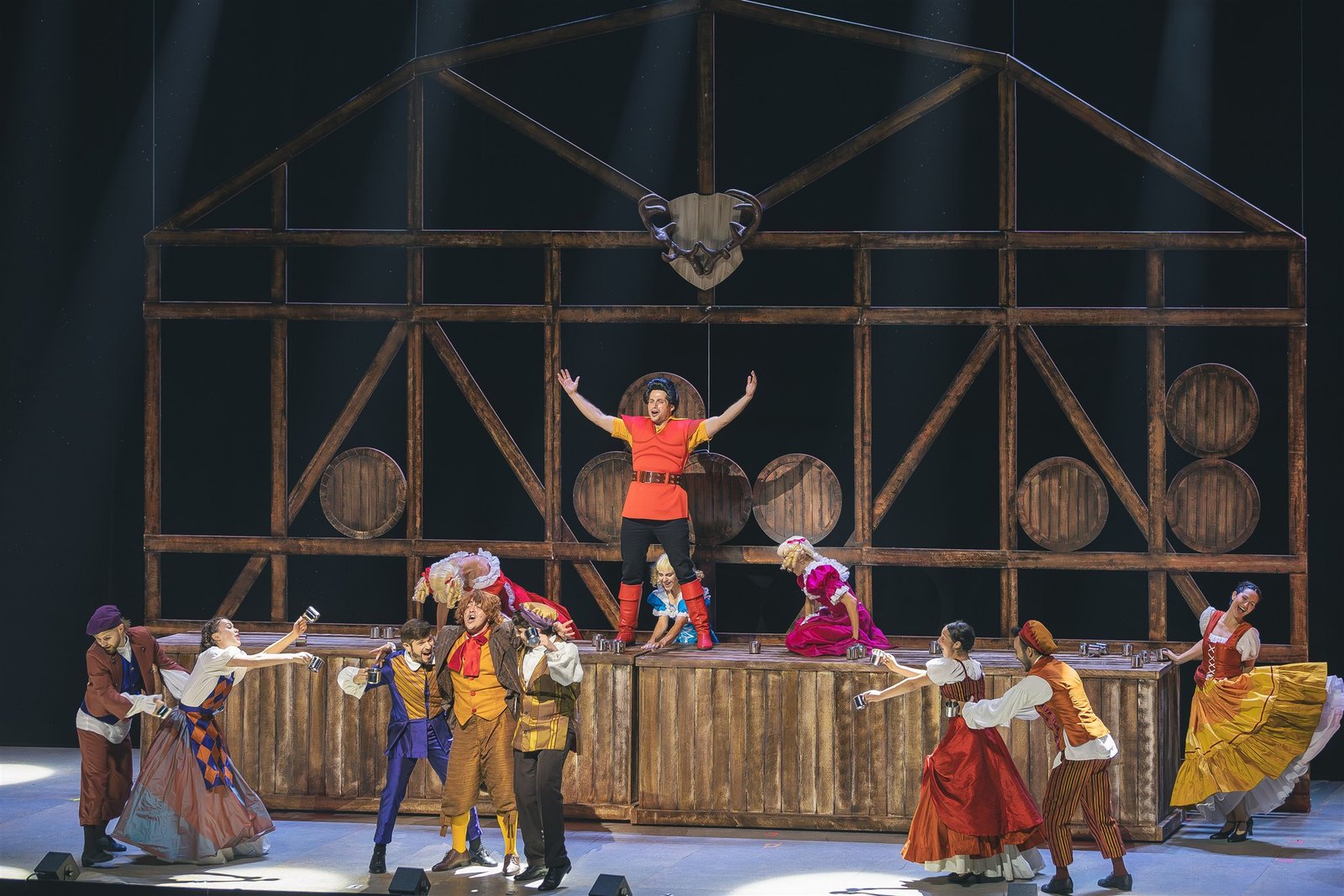
Beauty and The Beast. Photo: Ariel Efron
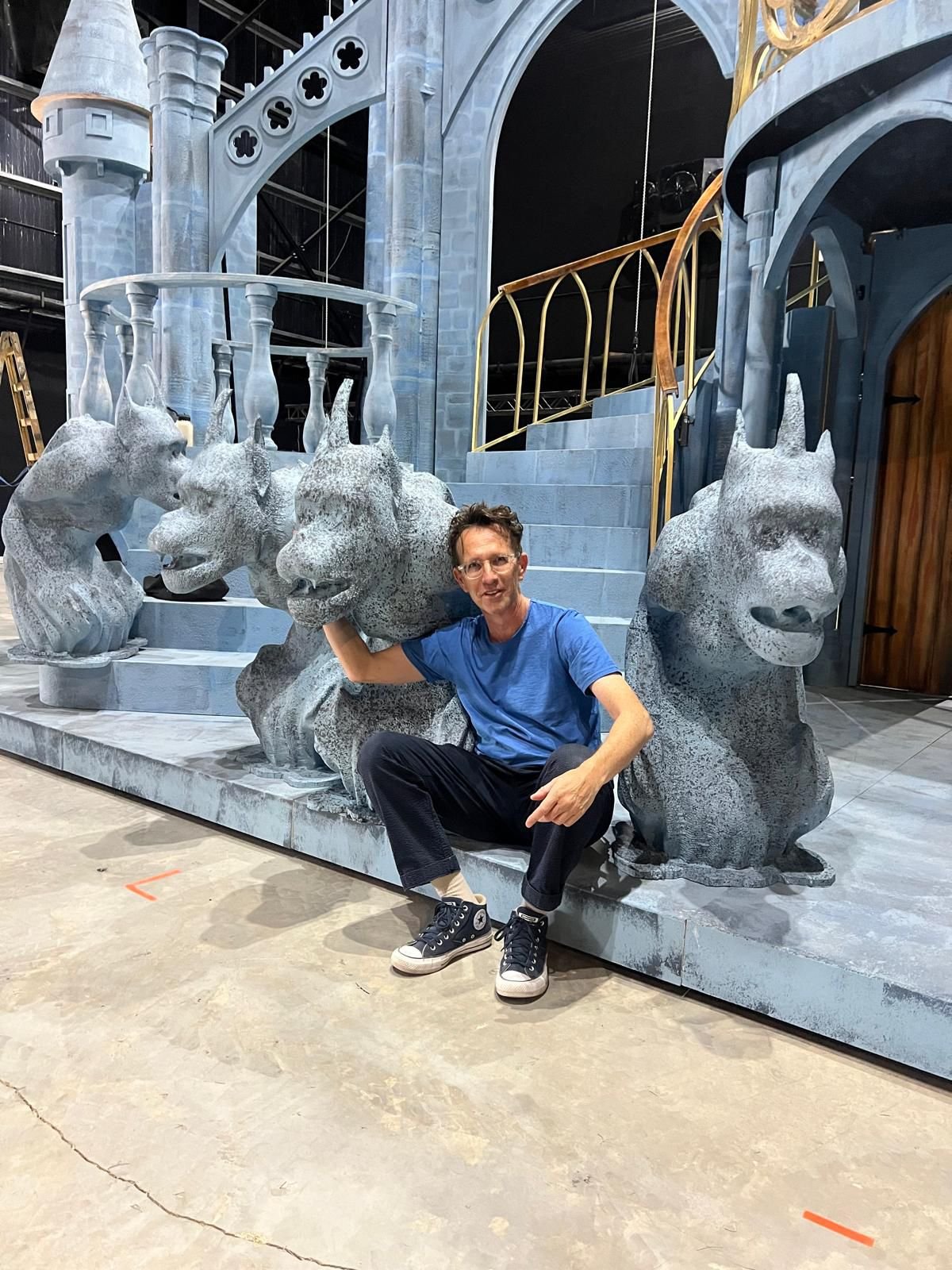
Bambi Friedman
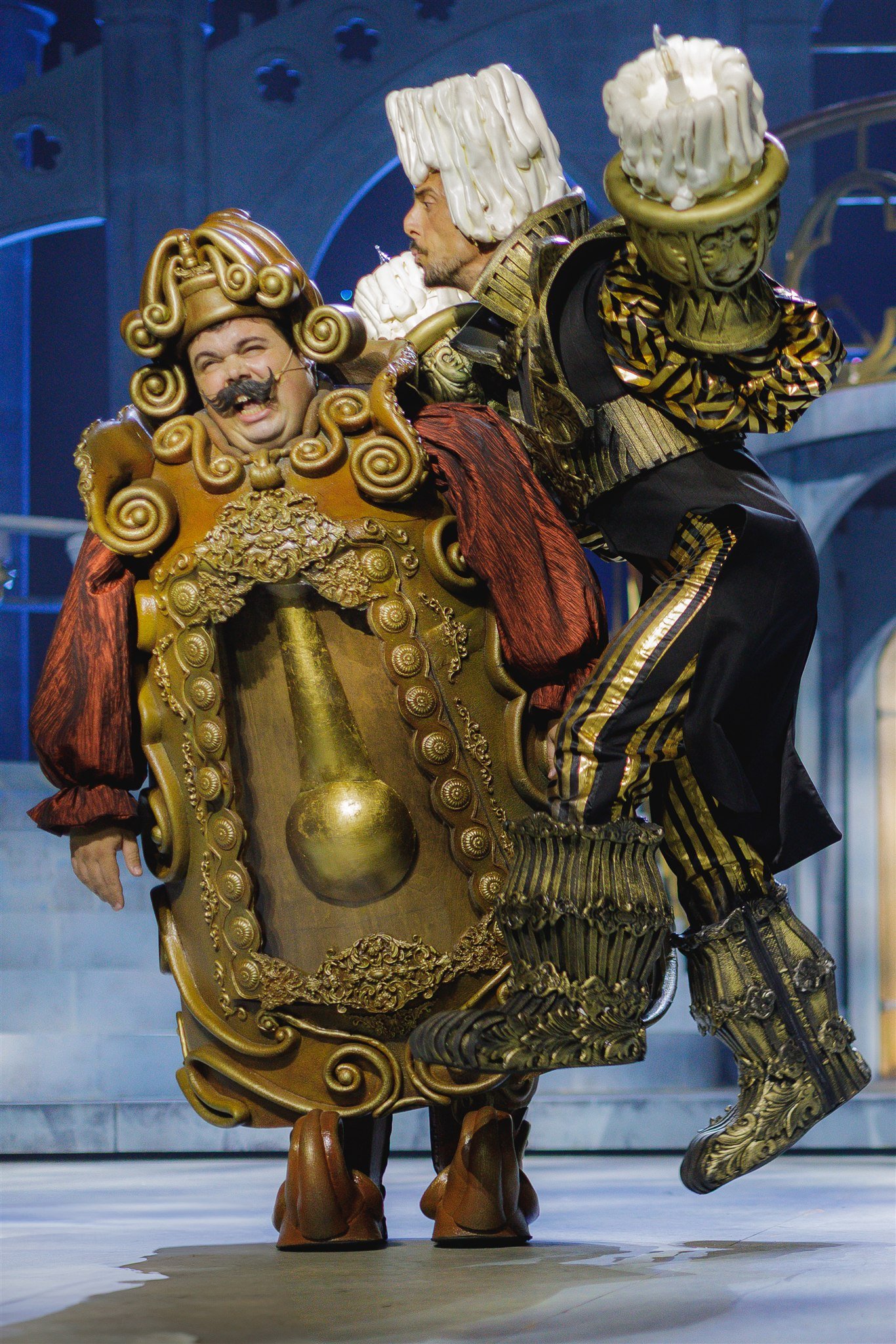
Bambi Friedman is one of the busiest set and lighting designers in Israel, and the head of the track for Stage, Film, and Television Design studies at the Tel Aviv University Faculty of Arts. In 2006, almost 20 years ago, a production company bought the rights and initiated a stage adaptation of the Disney film “Beauty and the Beast.” Moshe Kepten directed, Yuval Kaspin designed the costumes, Eli Bijawi translated, and Bambi Friedman designed the impressive set.
As part of the production and dialogue with The Disney Company, it was decided not to purchase the rights to the set design, and they were forbidden from producing design elements similar to the Broadway stage. In Israel, unlike overseas productions, there are significant budgetary constraints, and one must know how to work with them. Additionally, the show moves between venues, unlike shows abroad that remain in the same space. Few halls can accommodate the large production of “Beauty and the Beast,” and this time, the Israeli Opera House with its deep stage was chosen. The show will return to the stage this coming Hanukkah.
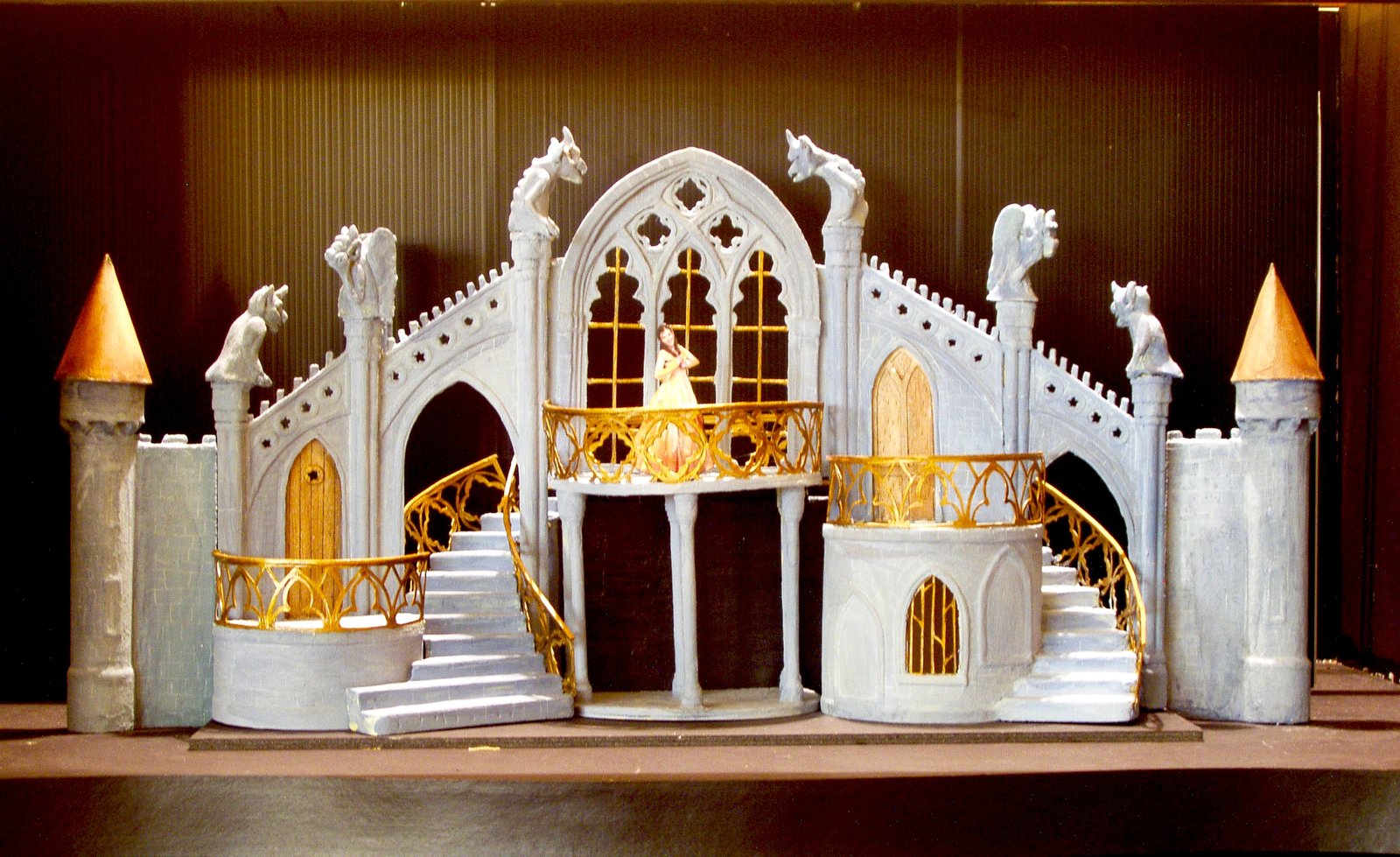
After intensive watching of the film and dialogue with director Moshe Kepten, Bambi Friedman sketched drafts and prepared a maquette — a reduced scale model of the set design. The work lasted many months with the slow beginning of high-speed internet, which included quite a few revisions. Ultimately, representatives of Disney highly approved of the final result of the stage design.
Maquette of “Beauty and the Beast”, 2005. Design: Bambi Friedman
In early 2025, Solan Productions decided to revive the veteran production, with a clear mission: to bring the original to the present, and to cooperate with as many original production team members as possible. Friedman was among the few who kept all the set construction drawings, after digging through old hard drives. “I think this is a once-in-a-lifetime opportunity for a designer who sees the small or large things they want to fix after it’s already on stage—and there are always those. To correct, change, update them. Because back then there wasn’t money, or I made a mistake in proportions, or there wasn’t room in the truck, all kinds of reasons. Therefore, I was very happy about this offer,” he shares.
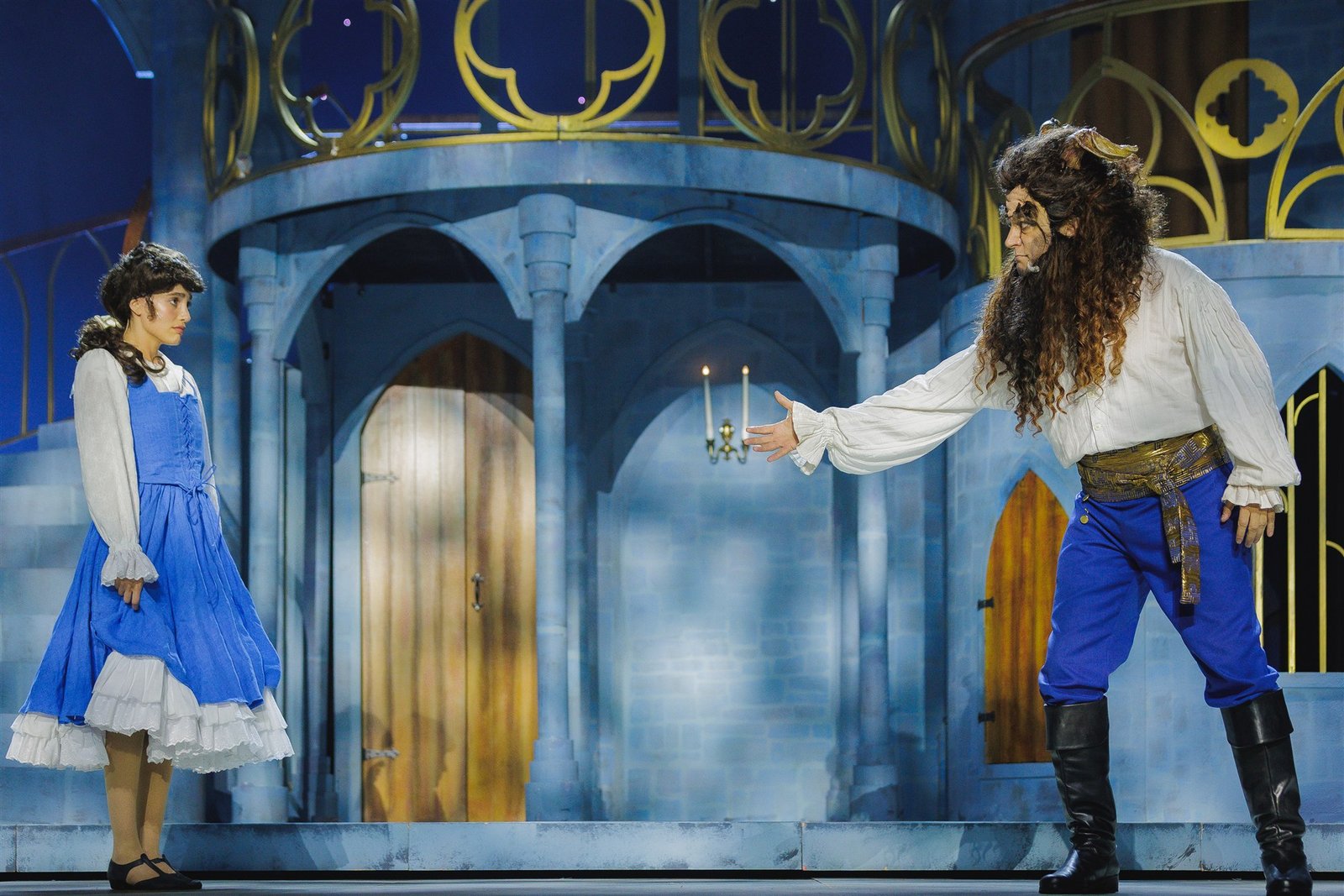
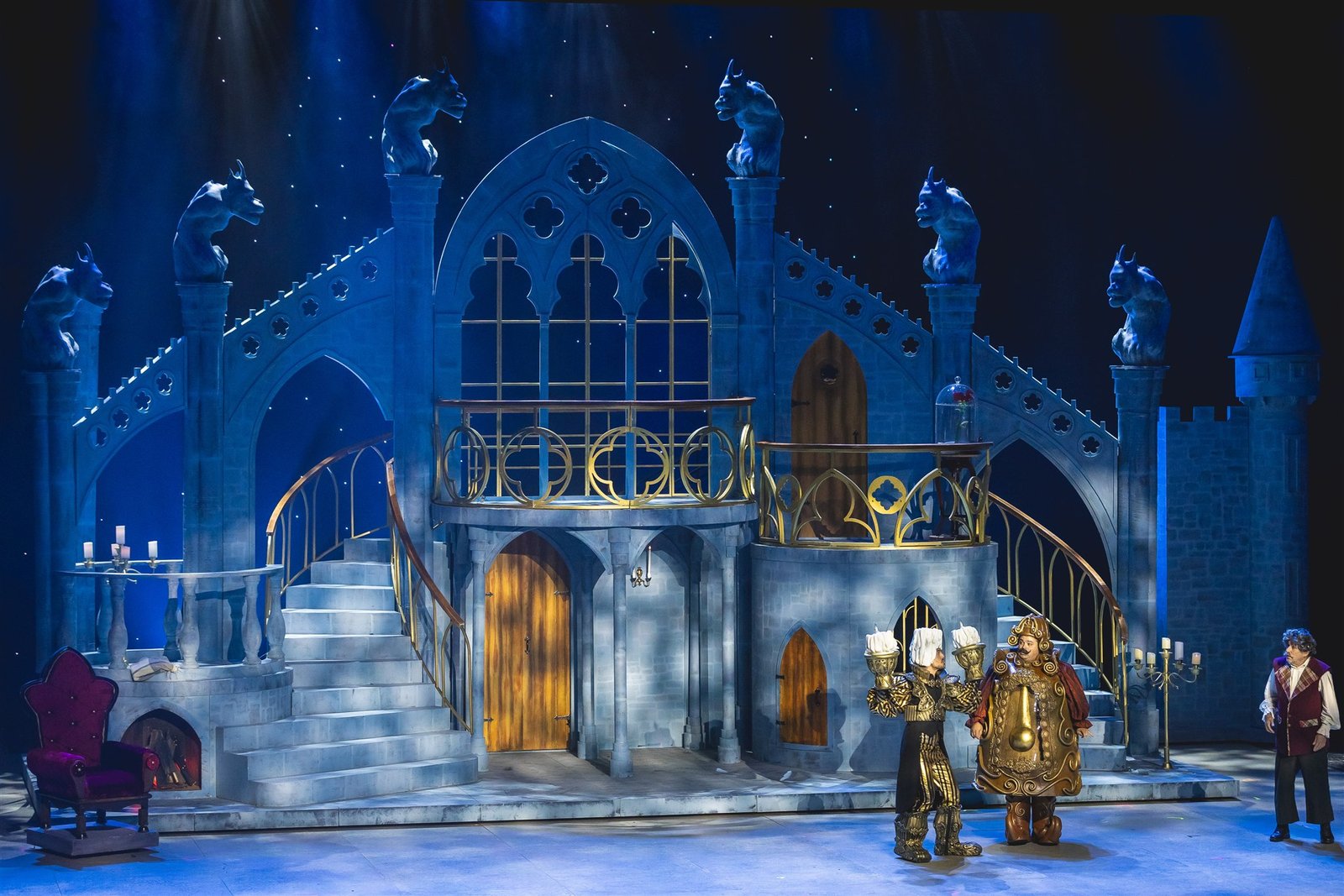
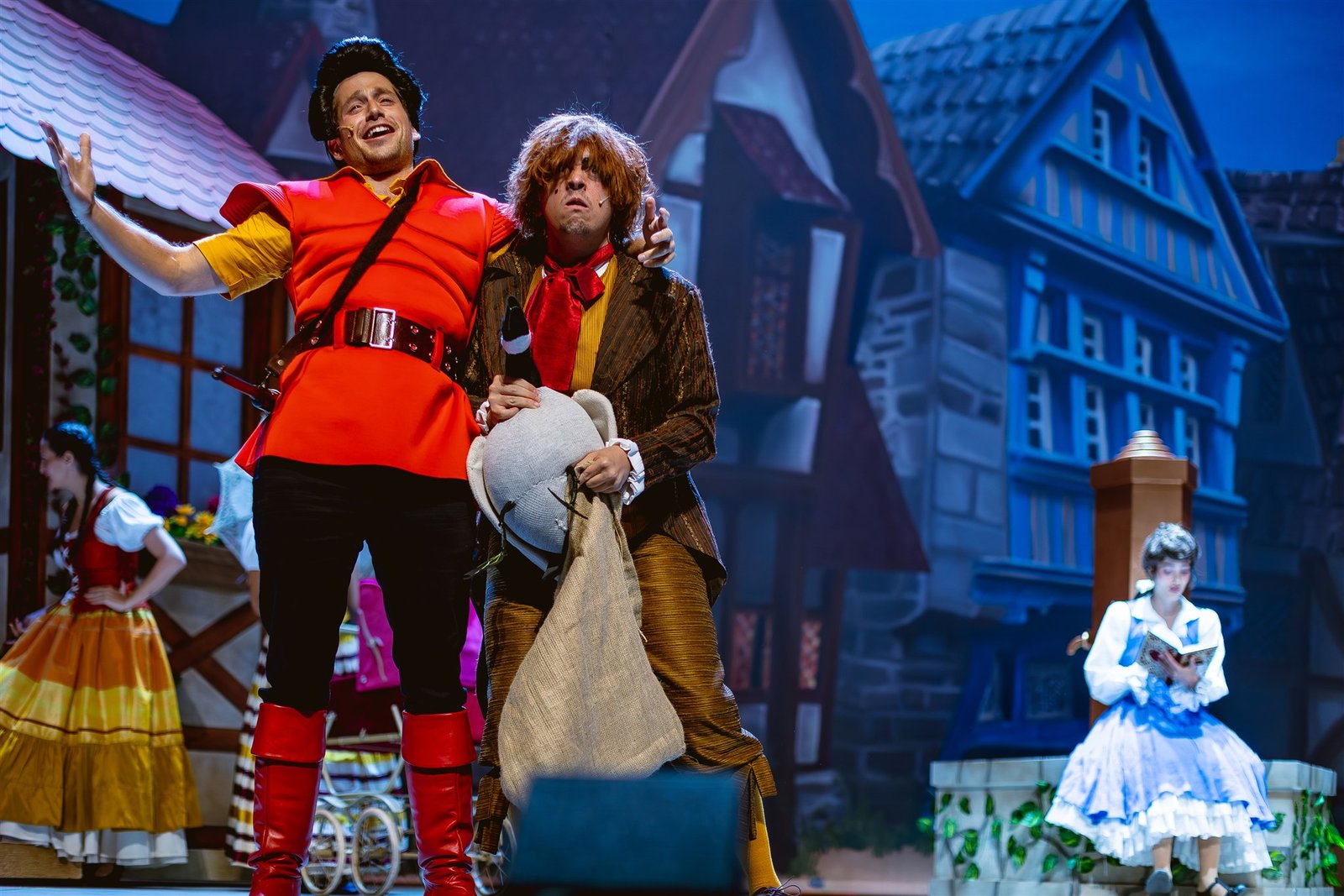
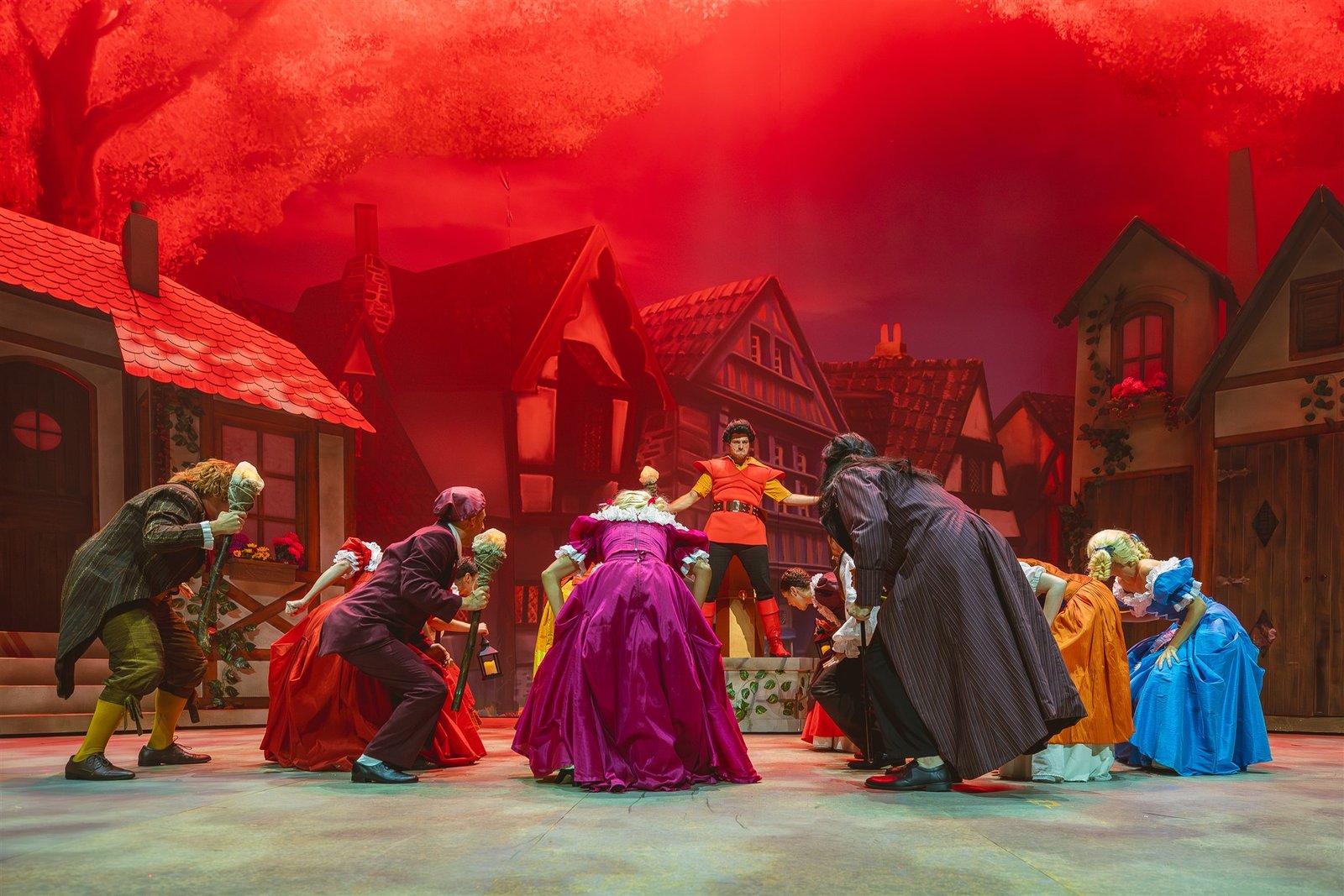
The plot of “Beauty and the Beast” takes place in France, primarily in a village and inside the Beast’s castle. While in the animated film it’s a massive castle, on stage, they need to perform several stage tricks to “enlarge” it and make the audience believe. “The design language must contend with a multitude of locations on one hand, and the physical constraints of the stage on the other,” Bambi Friedman shares. The audience may not notice, but the entire castle gently moves forward from the depths of the stage and back again.
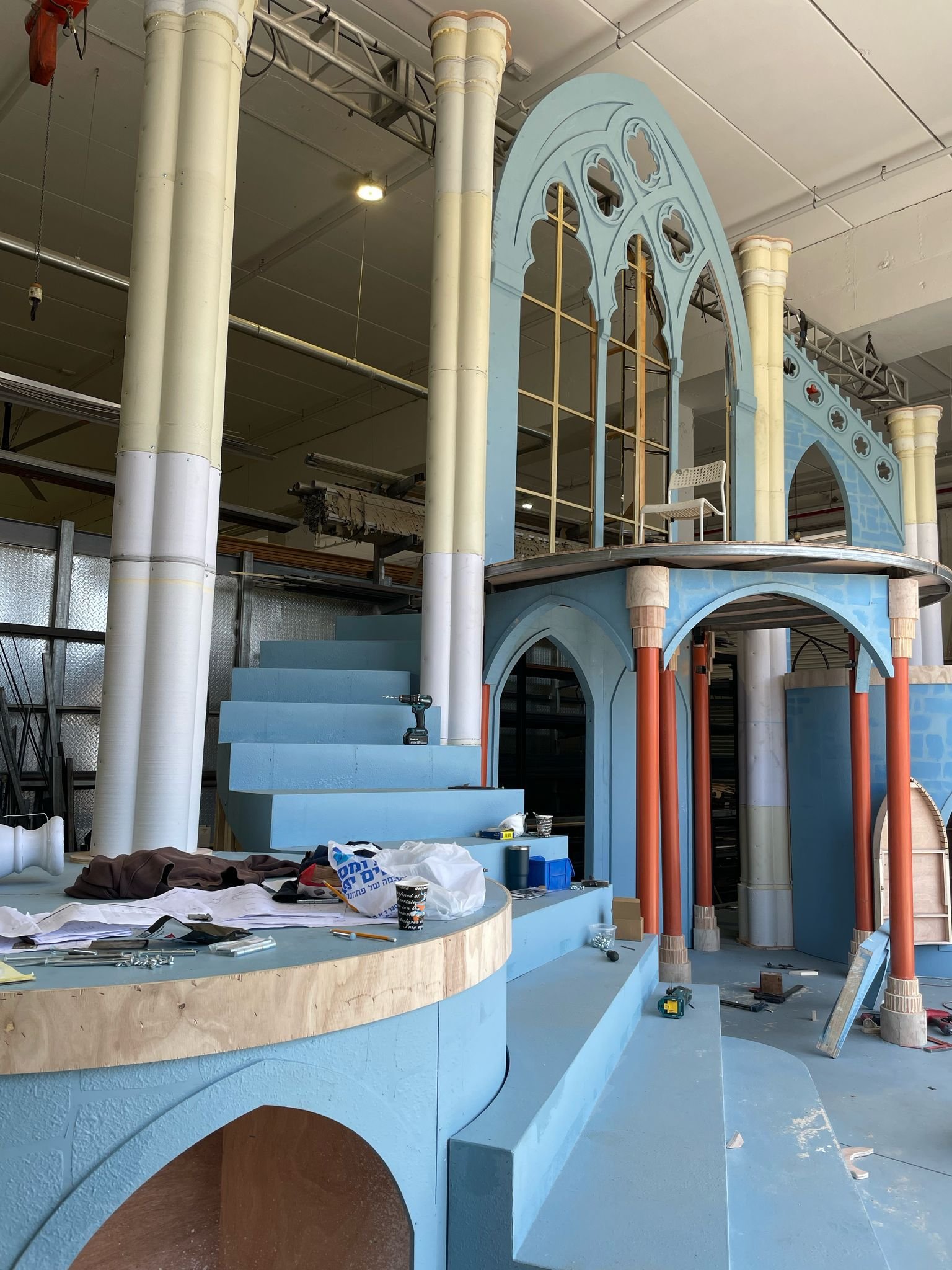
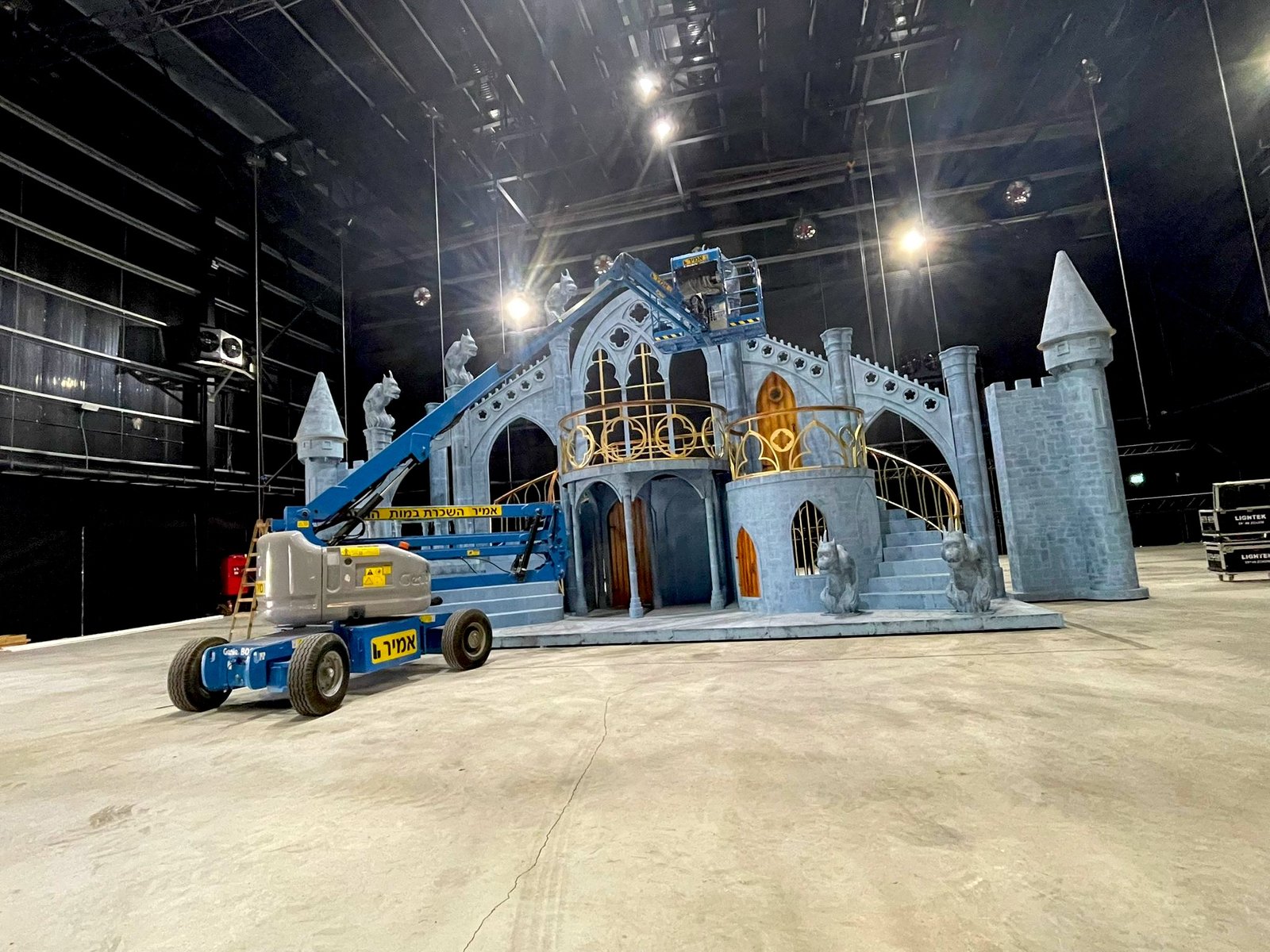
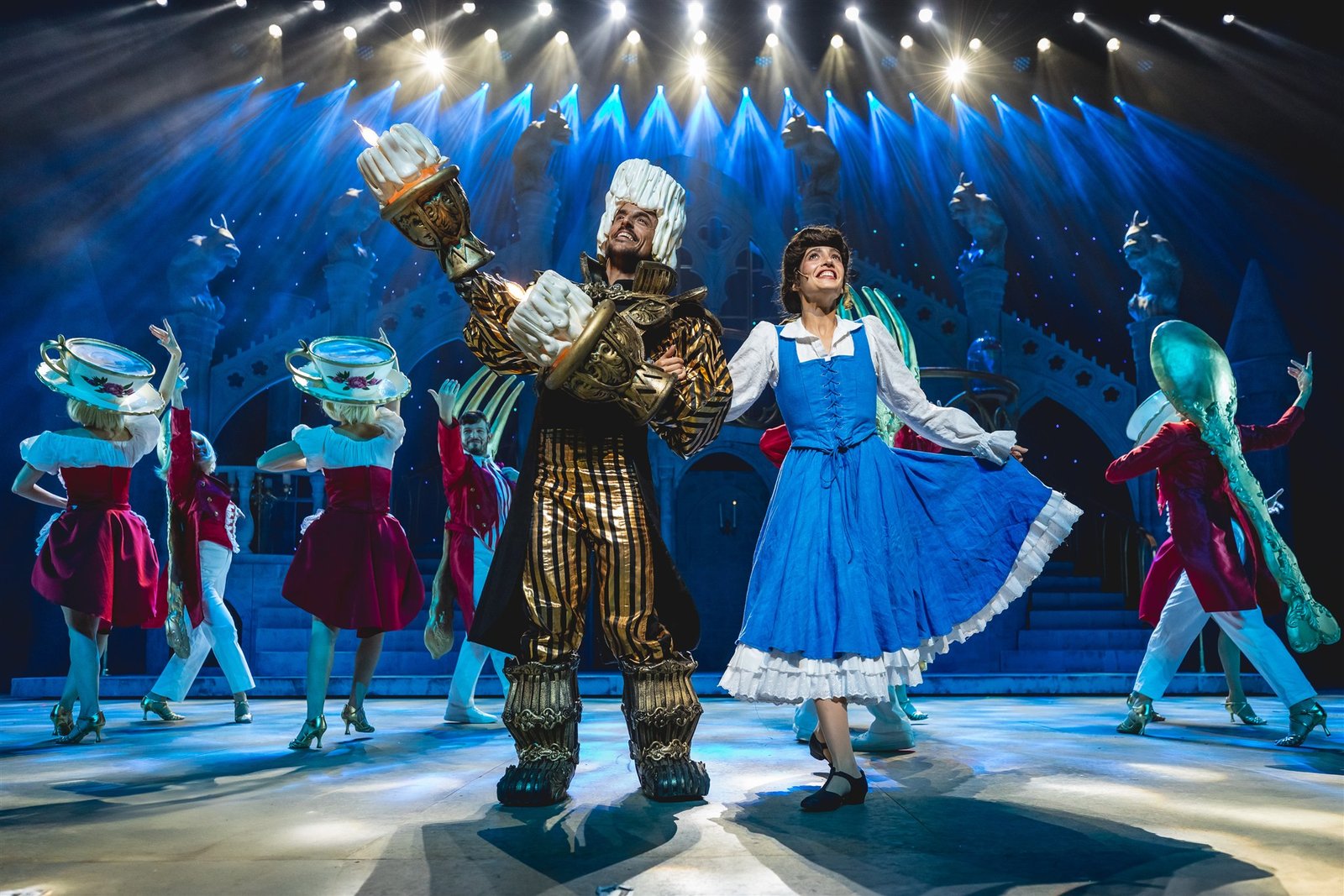
The castle is designed with inspiration from cathedrals and castles from the Medieval period with soft coloring in shades of light blue. The arches are Gothic with modern connections, combined with rosettes and Gothic elements. “19 years ago, carpenters stood with a hand saw and a jigsaw — and cut this by hand, it turned out very beautiful. Today I give the files for CNC cutting, and that saves a lot of work and time.”
One of the most prominent elements in the castle are the Gargoyles, inspired by those at Notre Dame – sculptures of frightening creatures characteristic of Gothic architecture. Back then, they were sculpted manually, and in the new production, they were printed on a large 3D printer at a height of 1.5 meters. “I stood in awe seeing how it comes out exactly what you give it. It took much less time, weighs much less, and is surprisingly rigid in terms of material strength. Of course, you need to process it afterward, paint, connect, and so on, but this technological use was clearly not available then, and it gave me a lot of possibilities now.”
In the forest scenes, a front projection is added onto a tulle fabric, a seamless woven mesh 60 meters long by 9 meters high produced in a German factory. Belle and her father are lit from behind, thus standing out despite the concealing fabric. At the same time, the stage is switched to a different set. Bambi Friedman reveals that the tulle solution was also in the original stage.
“I say this with sympathy and a certain amount of pride, that in a musical like this, which truly has many locations and a lot of action, a significant part of the set changes happens in front of the audience’s eyes, and there is an effect to that which is both moving and impressive.
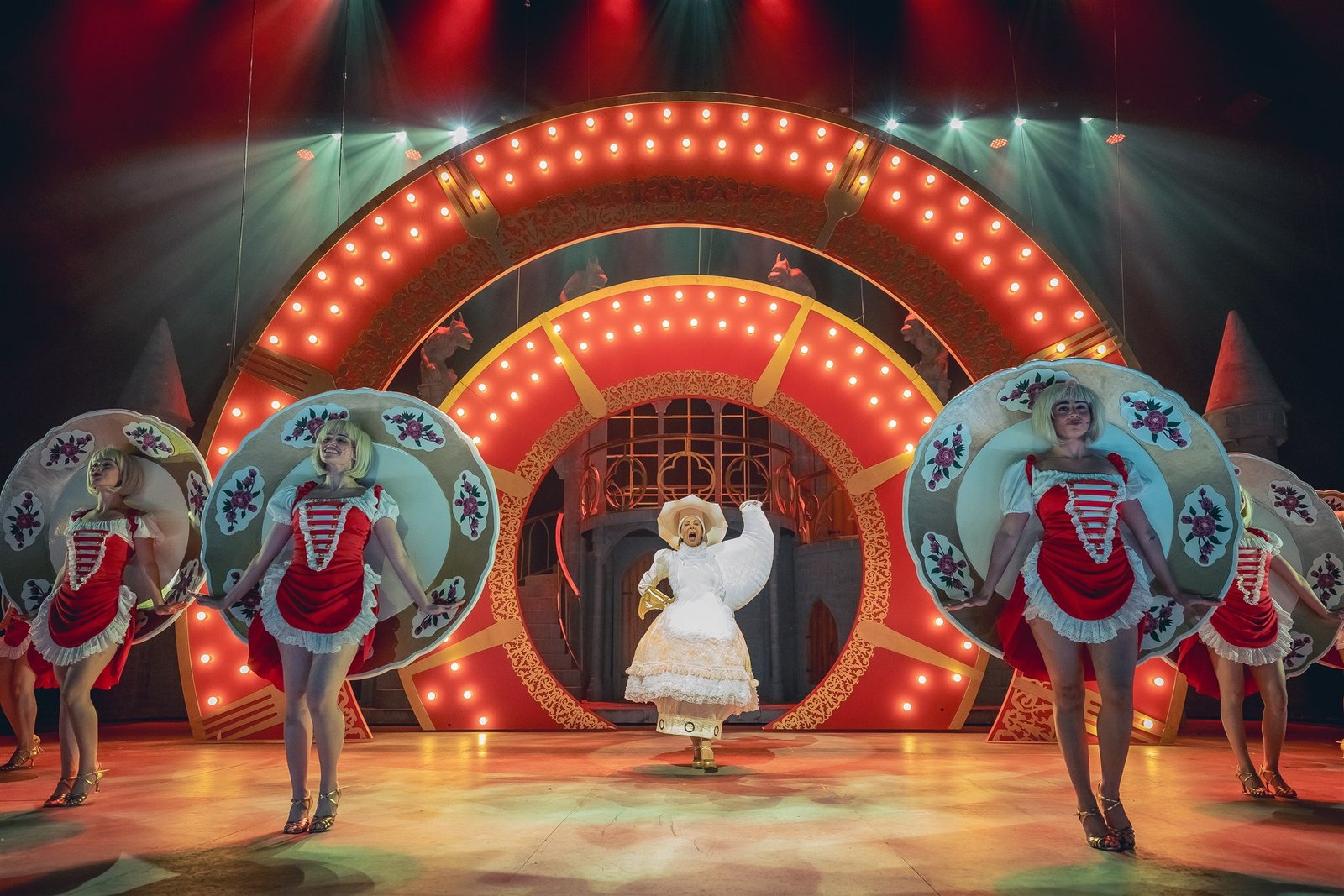
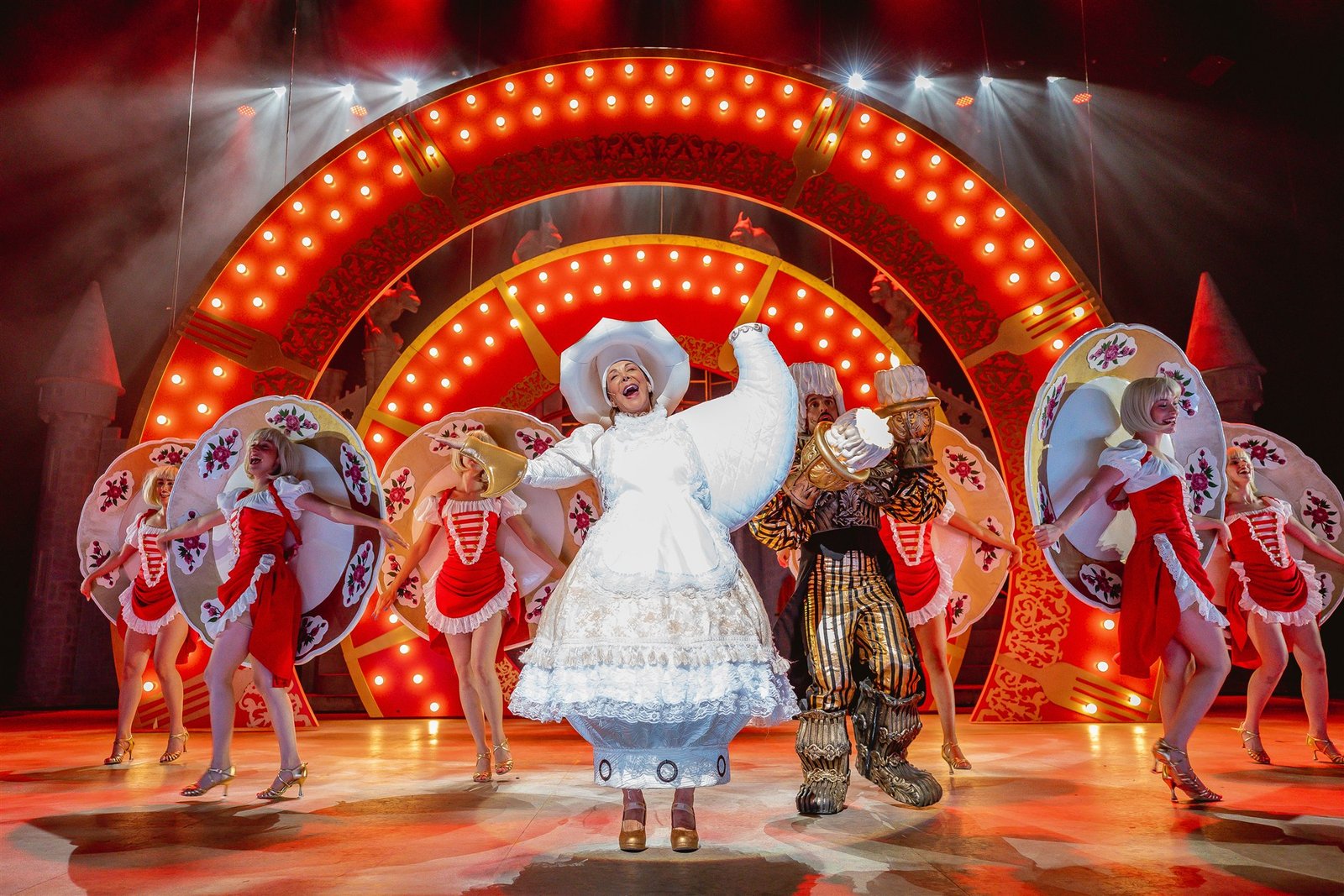
“During the dress rehearsal, the first time the palace was revealed, and when the ‘Be Our Guest’ arches descended in front of the audience, the audience applauded, and I’ll say—that’s the moment I work for. Not the money, nor the prestige, nor the honor, nor the beautiful pictures, but that my set becomes an actor that receives applause on stage. That’s the moment I get emotional, sometimes tear up, and for me, it’s worth everything. So I say that in this case, I actually want people to see. I’m very happy that people see how things happen, how this magic occurs.
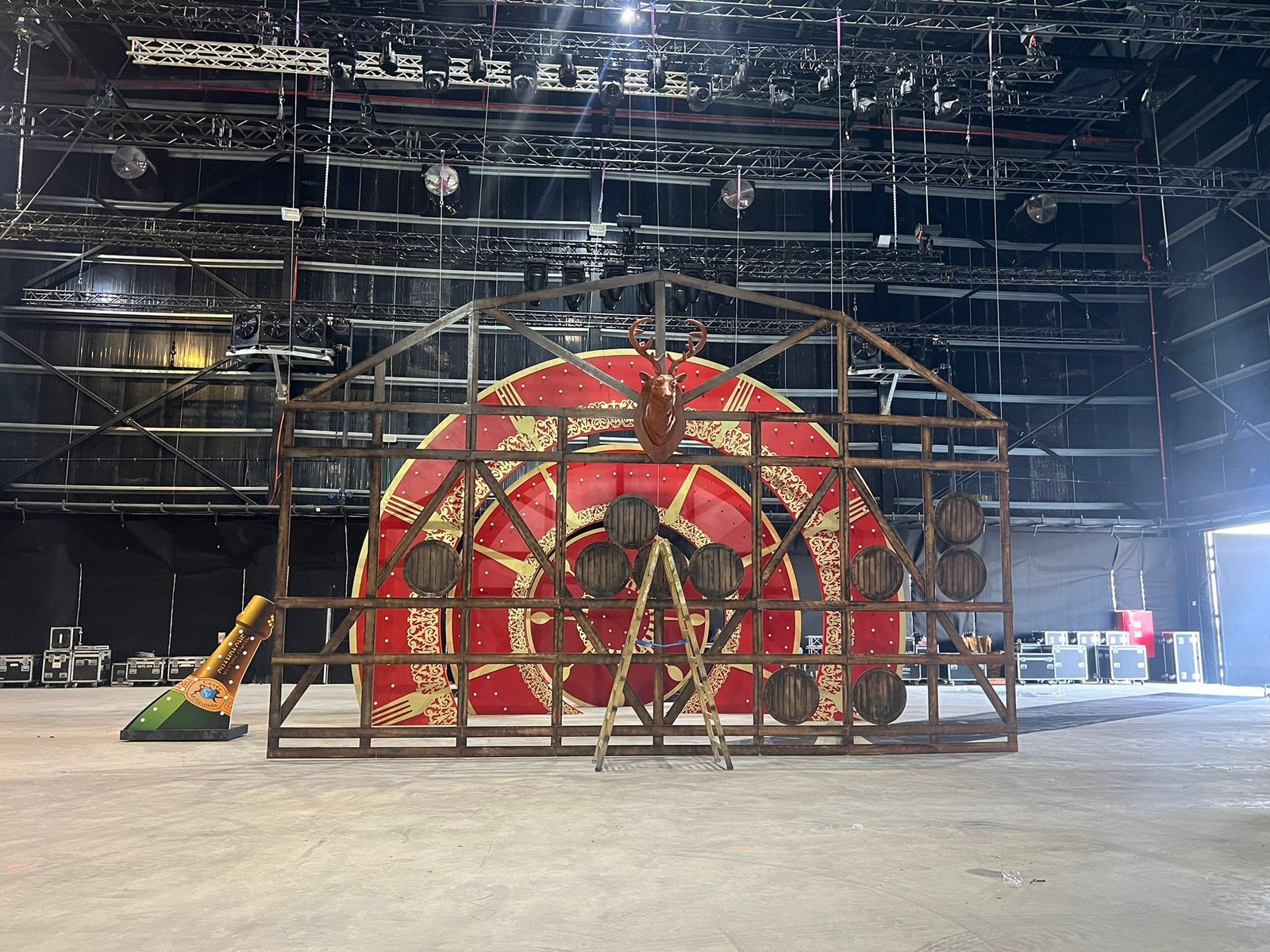
“I gave a tour to my students before the show, and to people less familiar with this world—when they walk backstage, they see that it’s all a collection of painted plywood. I like for them to see how these things are made, what they are built from, how they support themselves. For them to knock on the wood, or suddenly feel the plastic of the 3D printer.
“In the end, everyone understands it’s a set design, it’s not real. But when you see the process of this thing, its evolution, then you understand the magic of the event, that how truly from a few pieces of wood, iron, styrofoam, and paint, such a large and impressive world is created. That’s the magic.”
“When my set design becomes an actor that receives applause on stage, that’s the moment I get emotional, sometimes tear up, and for me, it’s worth everything”