Black Gold: Sampling Design for a Masterpiece Series
- Tal Solomon Vardy
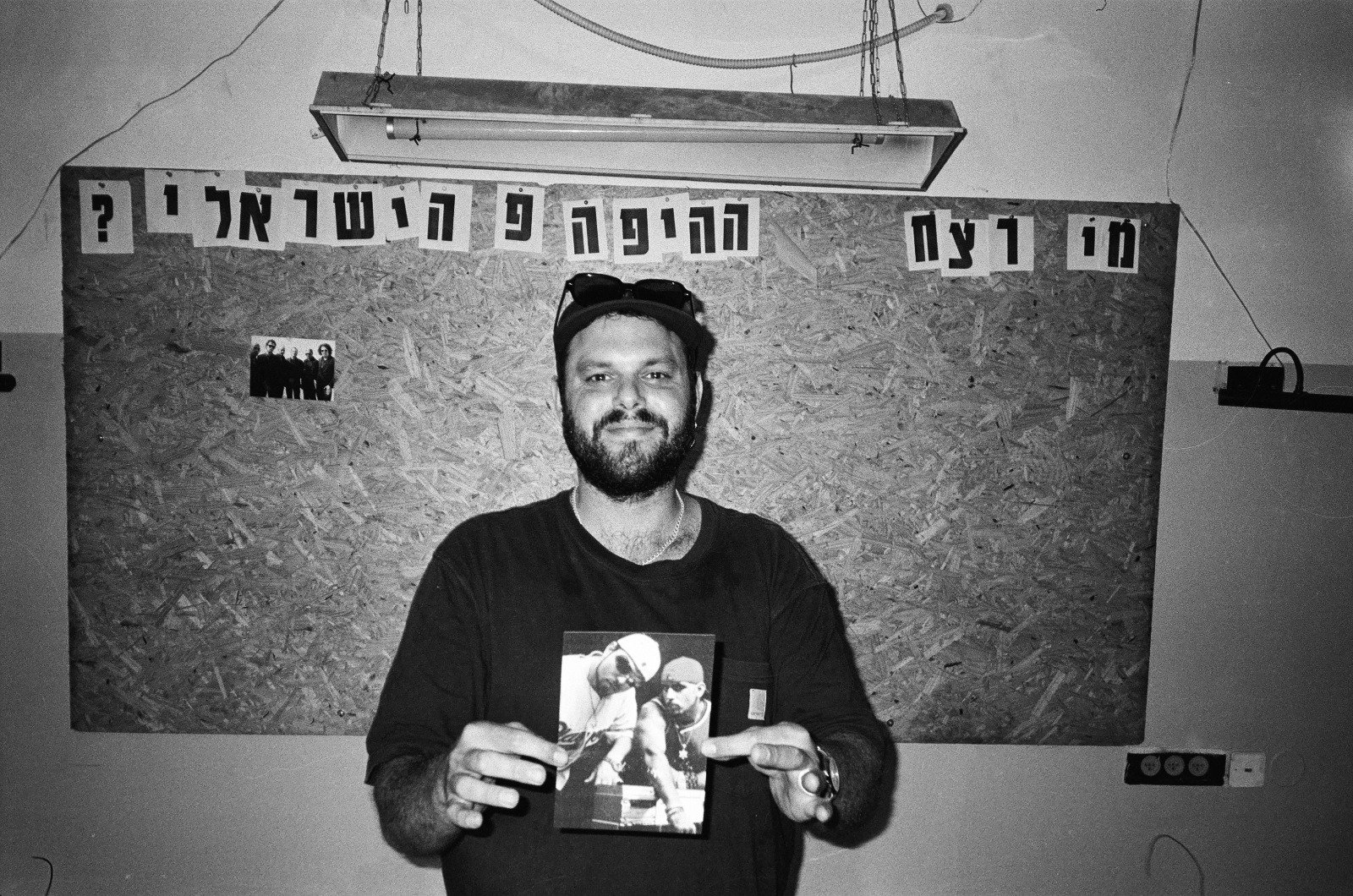
- Photo: Omri Dekel Kadosh
How do you make Yavne look like Compton? Why hide a camera inside a table for Shabak Samech? What do you do when you have one last flare left in the middle of the desert?
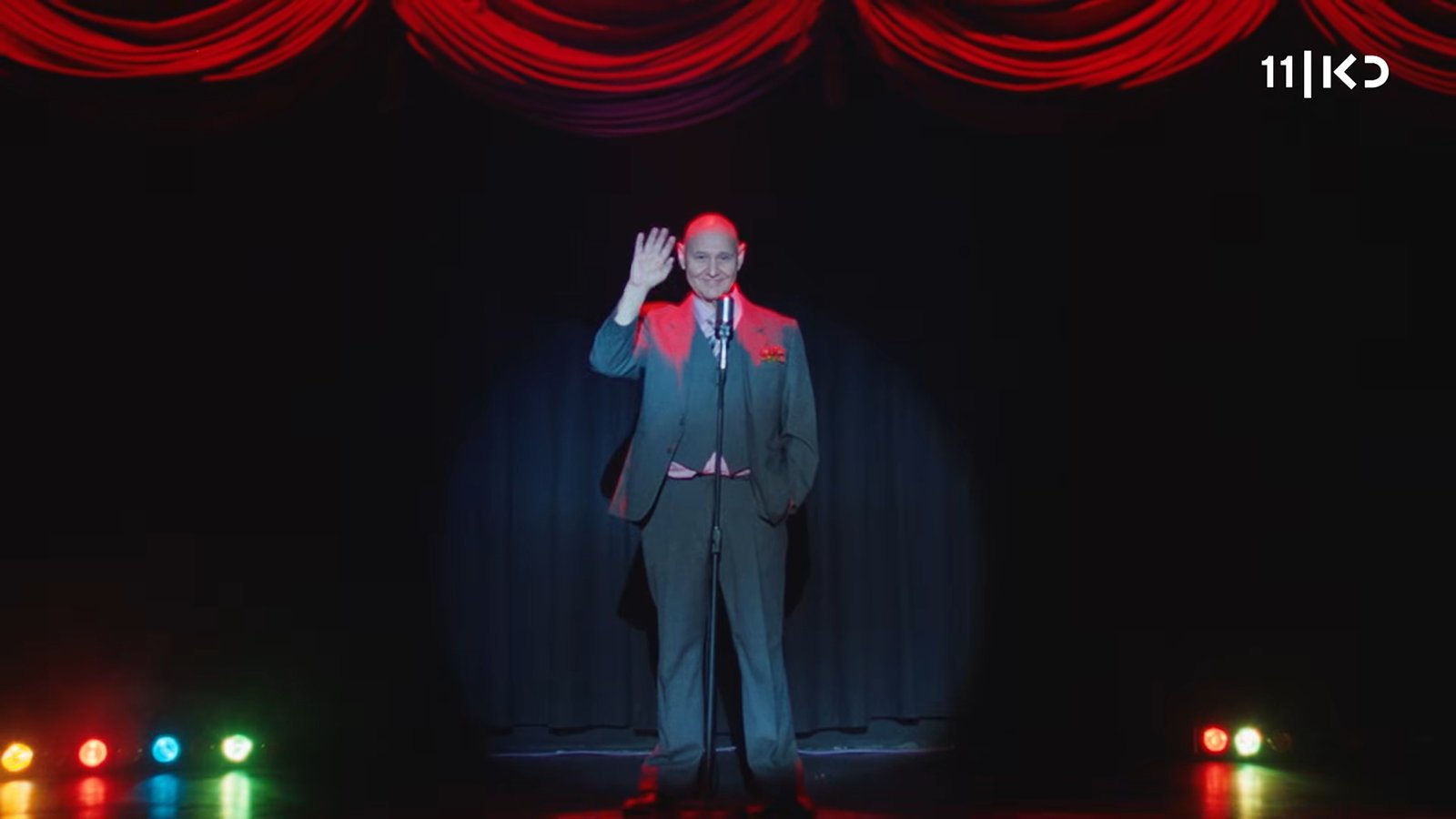
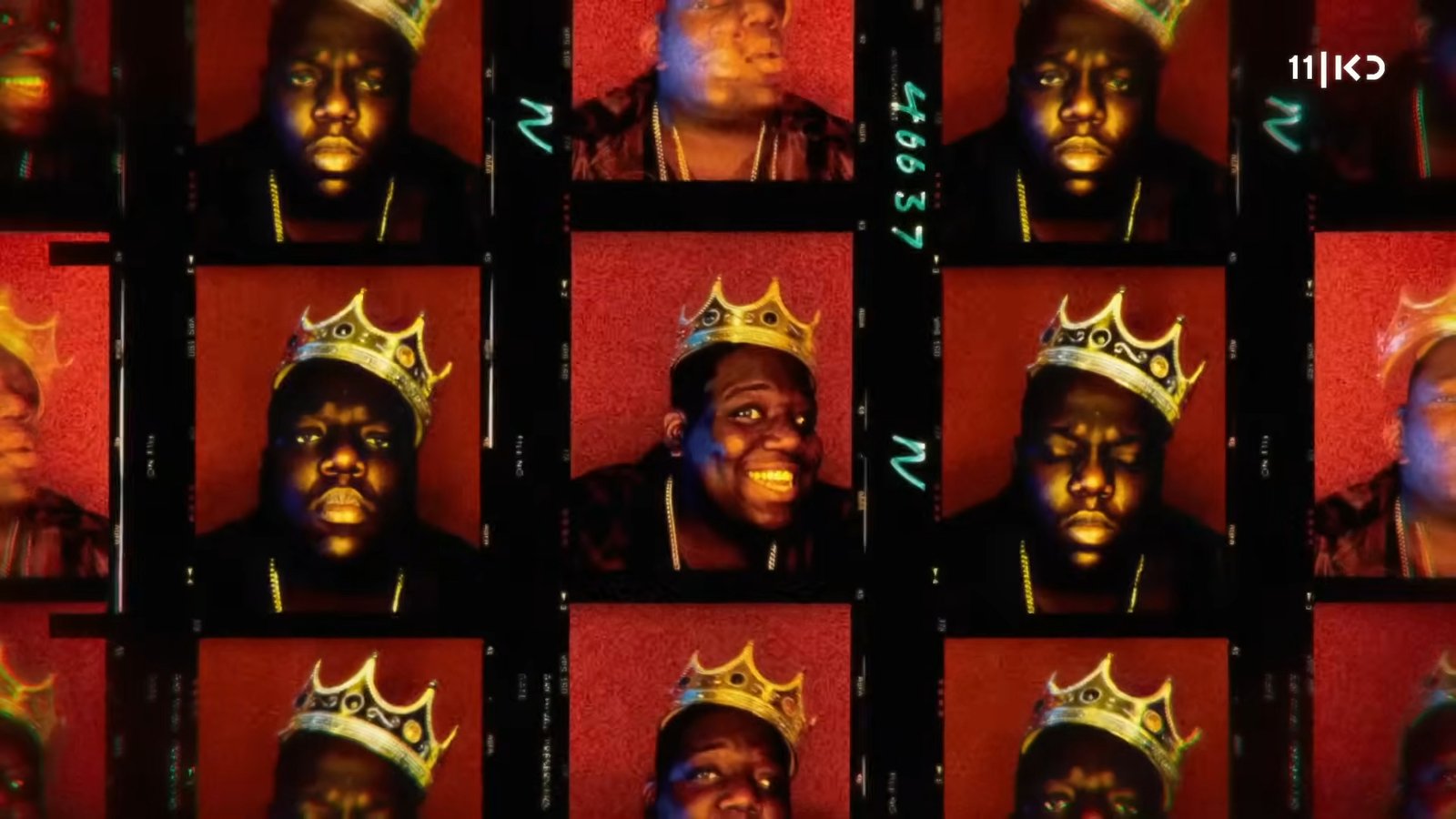
‘Black Gold’ the docu-series celebrating 40 years of Israeli hip-hop, is not just a musical-historical journey, but first and foremost a design achievement: a maximalist collage of formats, eras, and references, sampling the language of American cinema into Israeli reality.
Rom Atik knew that this time, he couldn’t just produce another musical podcast about Israeli hip-hop, but a completely different project, this time—visual. In early 2023, he began weaving the idea for the series “Black Gold.” Attik is a journalist, creator, and content professional with a “long-standing obsession with Israeli hip-hop.”
His journalistic path at GLZ began with an article about the return of Israeli hip-hop, which got him accepted. The pilot episode he created for the hit podcast “Shir Ehad” (One Song) was about Nechi Nech’s “Yom Hadash” (New Day). In the past, he managed the podcast department at “Kan” and today edits N12’s “Ehad BaYom” (One a Day), the leading podcast in Israel.
In the first half of 2023, he realized that hip-hop had broken the boundaries of the underground into the mainstream, just before Tuna and Ravid Plotnik dismantled the Live Park in Rishon LeZion six times in a row. At the same time, the US celebrated 50 years of hip-hop, which started at DJ Kool Herc’s street party, and in 2026, Israel celebrates 40 years of hip-hop, with the starting point being Yair Nitzani’s “Hashem Tamid” in 1986.
Atik pitched the idea to Ruti Efroni, Content Director at Green Productions, who was enthusiastic but suggested he work with a director due to his lack of film and television experience. At the time, she flew to the US for the Sam Spiegel Series Lab with Netflix, where she met Omri Dekel-Kadosh, a fresh graduate, screenwriter, and director of commercials and films. Dekel-Kadosh had just returned from a Kendrick Lamar concert in Los Angeles, and instead of working at the incubator on a series about his military service as a naval combatant, he couldn’t stop talking about the show. Efroni asked if he liked hip-hop, and he successfully passed the “audition” when he pulled out a photo of himself at 14 with a bandana and baggy pants. She suggested matchmaking him and Dekel-Kadosh, after hearing his deep dive into Lamar.
“In our first conversation, I told him, ‘I know this has to be a television series,'” Atik recounts, but it was hard for him to imagine how it would look visually. In response, Dekel-Kadosh sent him a Letterboxd list of 20 classic hip-hop and Black cinema films. Atik adds, “We wanted to iconize places that aren’t perceived as iconic. We wanted to shoot Yavne like Compton. From the very first stage, there was a mix of genres, a collage feel, and sampling – it was something that was present right from the beginning.”
The inspirations were diverse and mostly American. Dekel-Kadosh shares: “Blaxploitation from the seventies and all the super-saturated aesthetics, directors like Hype Williams, Spike Lee, and Spike Jonze. People who defined what hip-hop cinema is and created a language of camera movements, set design, and coloring. The approach was maximalist from the get-go – to bring things to a high volume that can’t be ignored, with quotes upon quotes. There’s a series that really influenced me personally, Adam McKay’s ‘Winning Time’ about the Lakers. The first season is a masterpiece to me and it does exactly these things.”
The series is structured chronologically by eras – from the 80s to today, and in each episode, the period aesthetics are derived accordingly. The references are already integrated during Atik and Dekel-Kadosh’s scriptwriting phase, mixing chaotic Israeli reality with current affairs footage from the vast archives of the Israeli Educational Television.
The collage-like language in the series – how much of it is pre-planned? Or do you start editing and discover how to incorporate current events as you go?
Omri Dekel-Kadosh:”It’s very pre-planned. Every episode in the series had this workflow: we did filmed research with about 80 interviewees. We sat with them for hours, transcribed everything, and from that, we wrote a script. The script is built from the soundbites people say, video references, GIFs, stills, and quotes from current events and politics.
It’s a documentary series, but it had a script that looked almost like a 280-page feature film script even before we entered the editing room. We knew where we were heading, and then in the editing room, we continued to improvise and add more layers.”
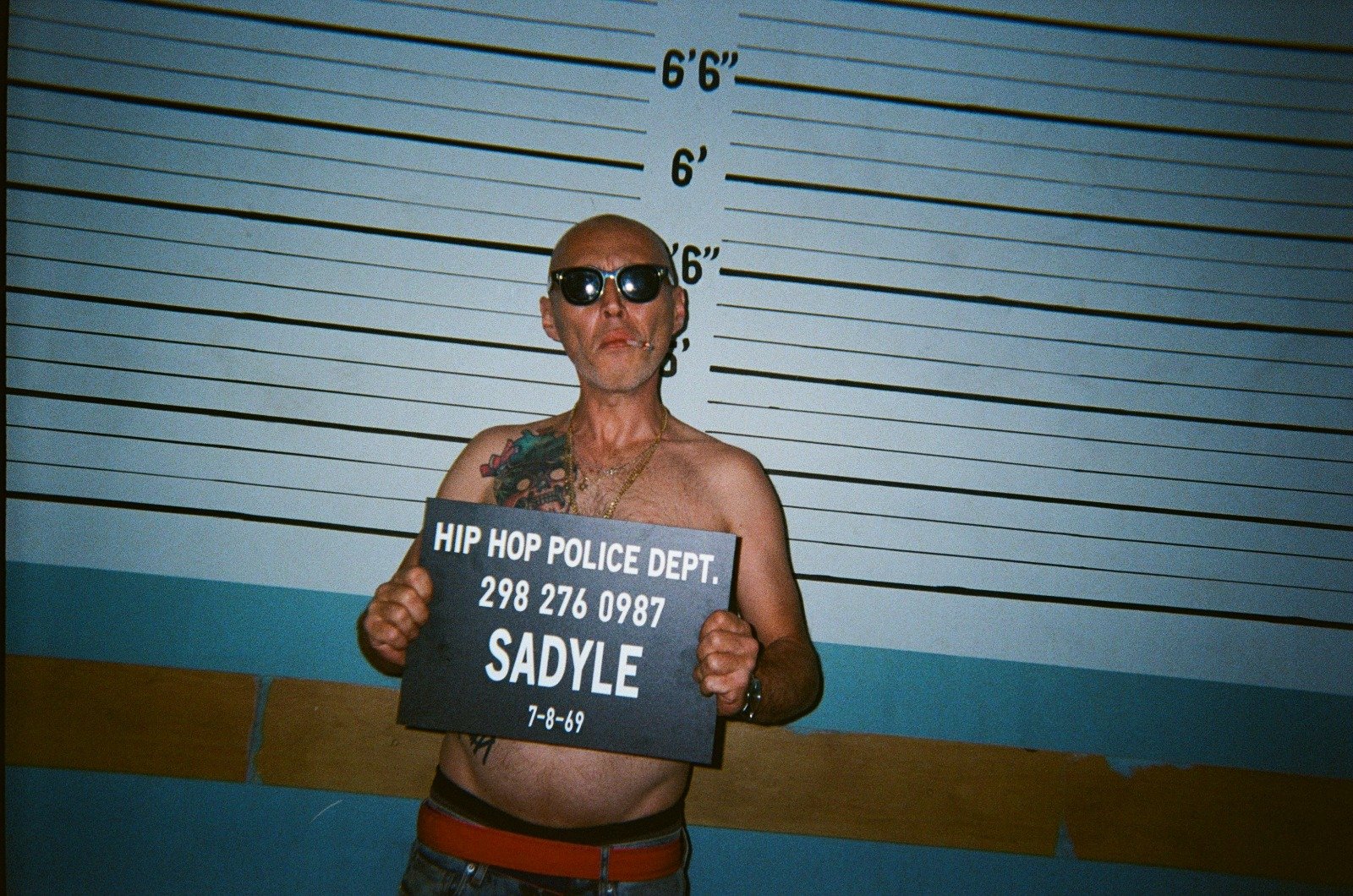
Designer and rapper Yon Vergalis, who knows the hip-hop world intimately, was cast for the art design by the creators. Vergalis is known from the Russian group Sadyle, alongside Klin (Anton Ostrovsky) in the hit Hetsi Hetsi and is currently one of the busiest commercial designers in the industry. During their studies at the Screen Arts Department at Bezalel, they formed the Jerusalem-based group, in what started as a first-year assignment and evolved into albums and performances. Their story is extensively told in the fifth episode, which is mostly animated, though Vergalis wasn’t involved in its design aspect.
His commercial path started in the production of ‘Eretz Nehederet’ and other TV productions, and from there he rolled into music videos and commercials. Vergalis was invited to work on ‘Black Gold’ following the creators’ secret admiration, even though he doesn’t usually take on long projects.
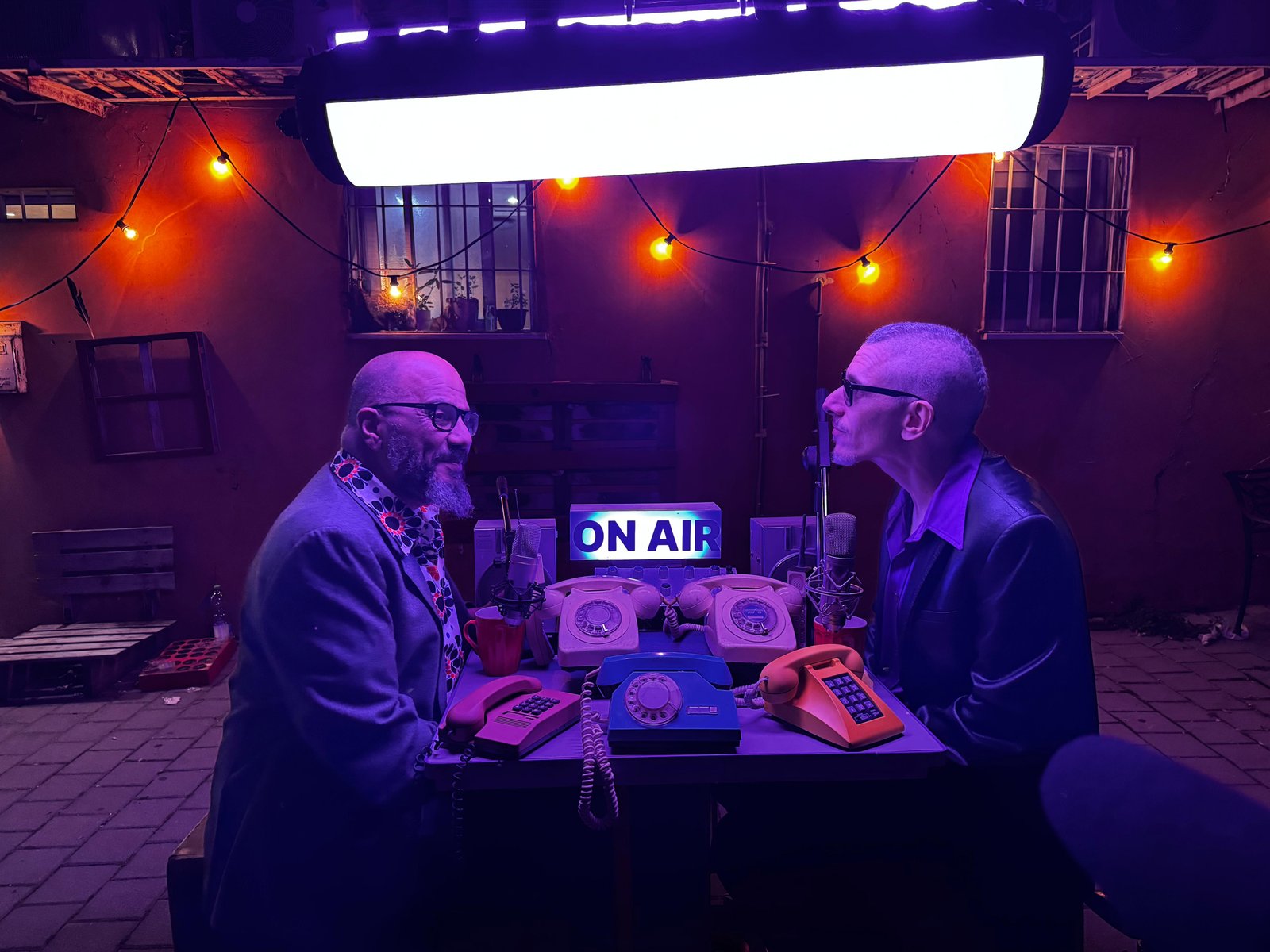
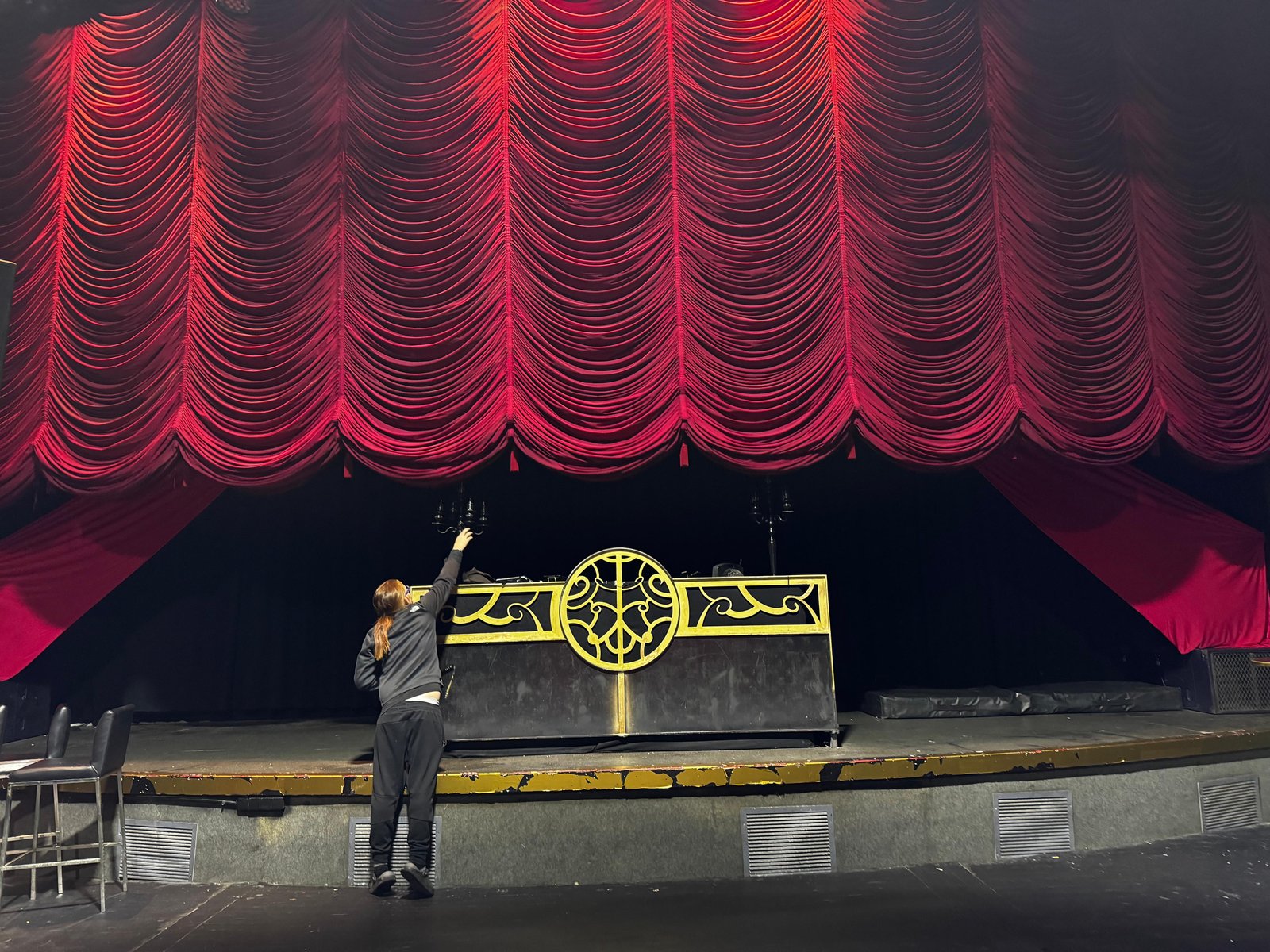
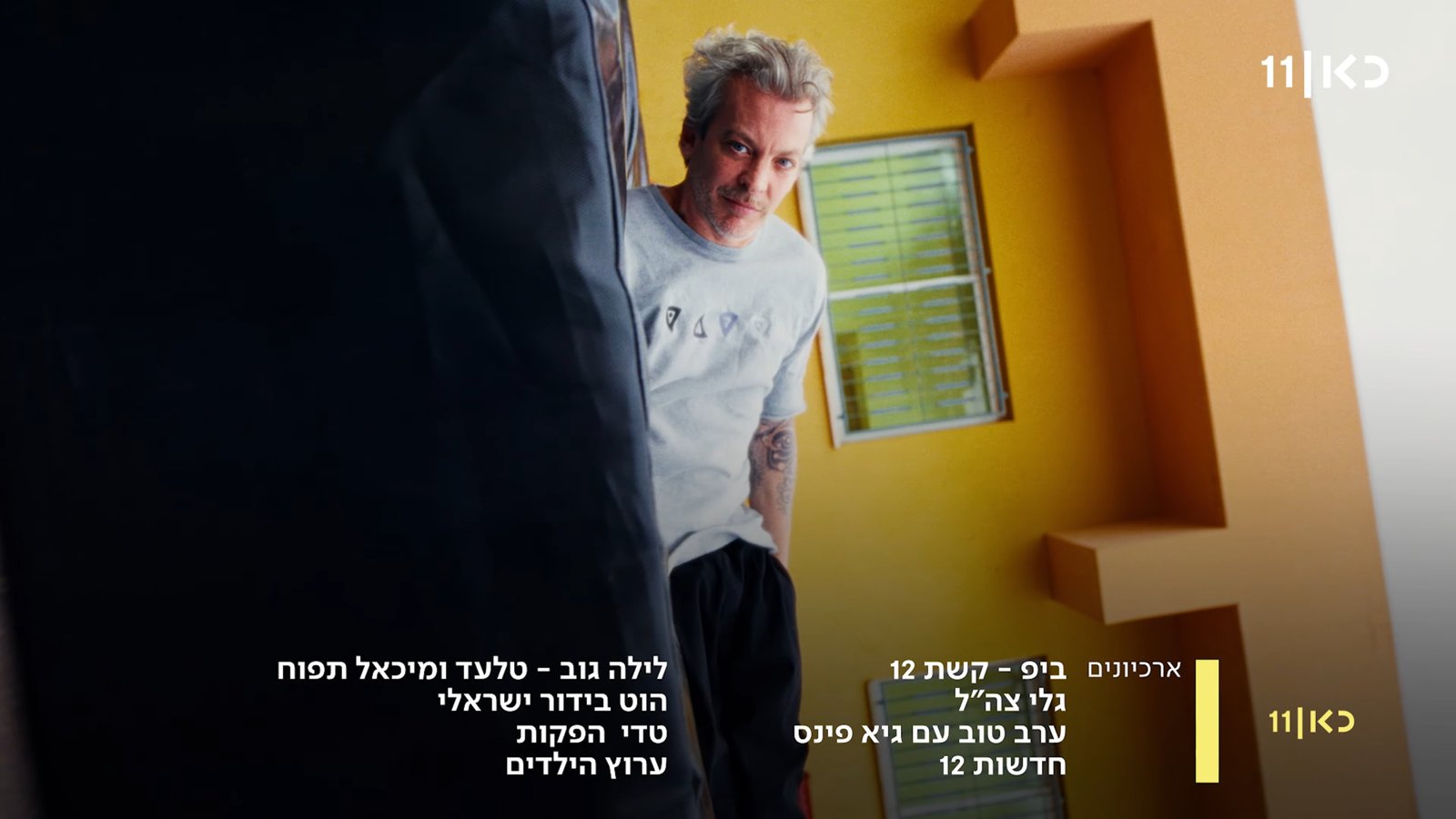
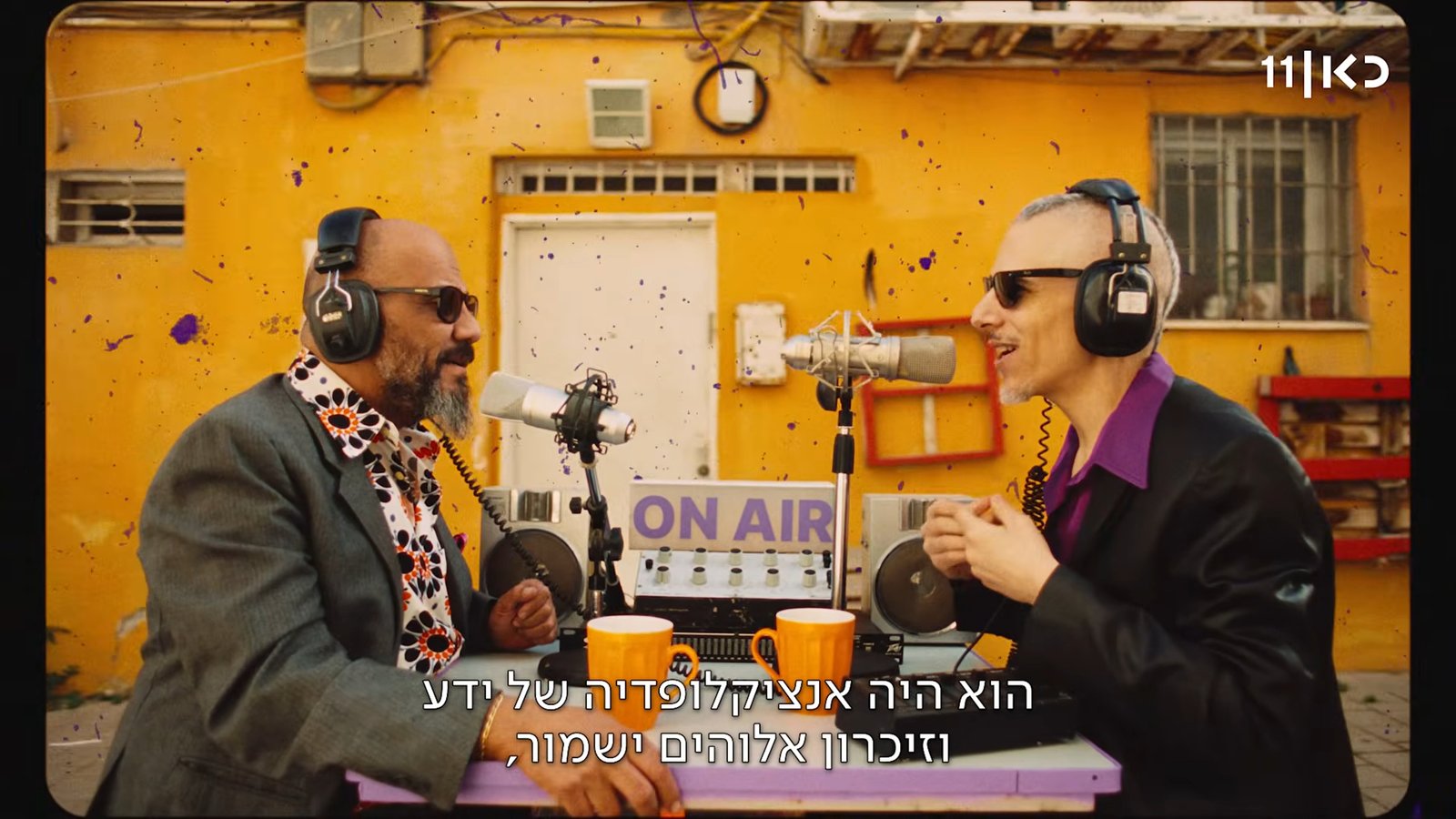
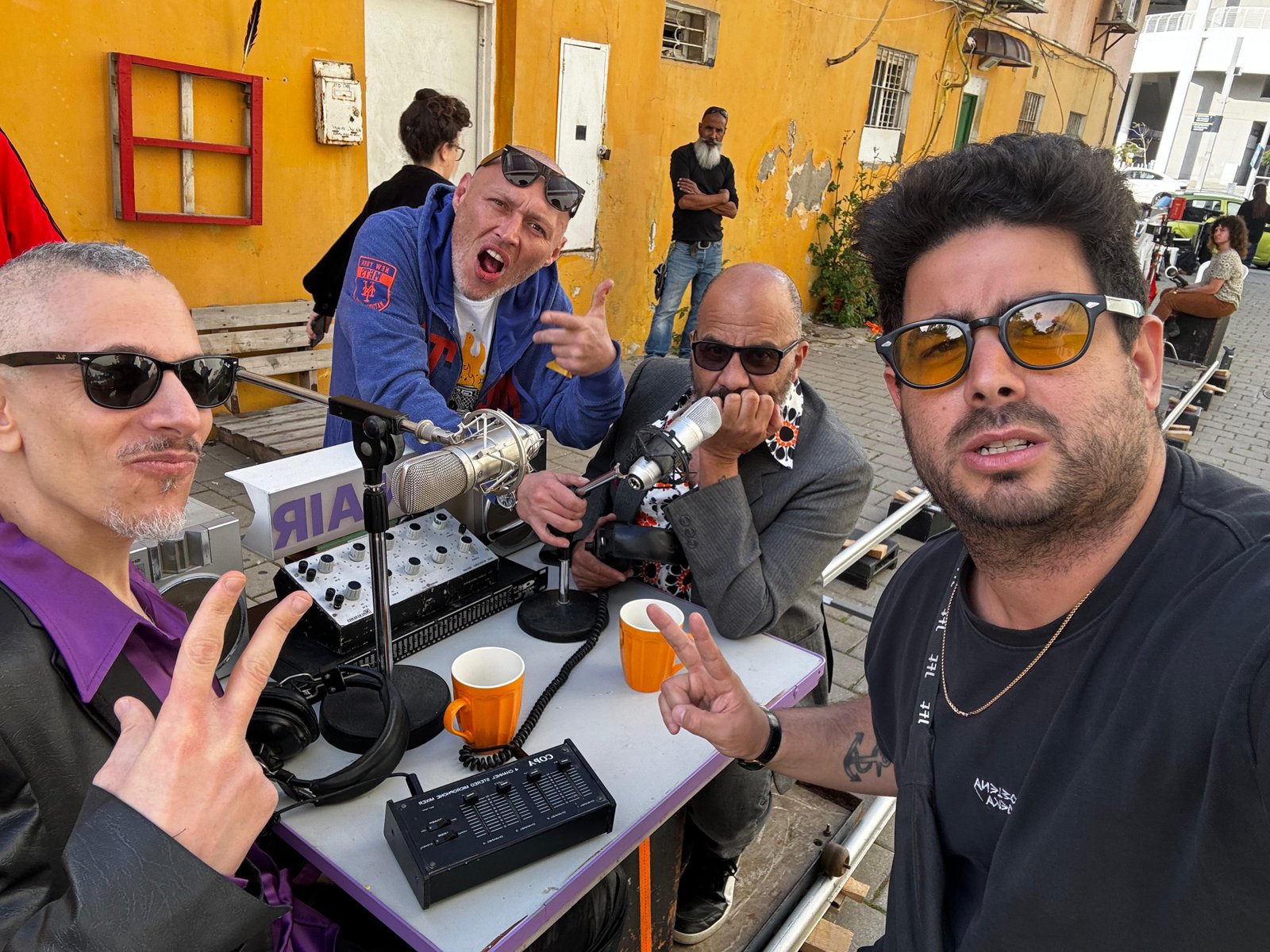
The set design was derived from the script’s content: in the first episode, Quami and Liron Teeni appear with the iconic radio show ‘Esek Shahor’ on Galgalatz in suits and a purple-yellow background, even though the brand’s coloring wasn’t consciously considered and seeped in through the creators’ subconscious. “There is a certain comicality and self-awareness and a lot of humor there, and on the other hand, also some history — that they had already worked on and visually created their show ‘Giv’tz’ which was an amazing show on the ‘Bip’ comedy channel, serving as a visual expression of the radio show,” Dekel-Kadosh shares.
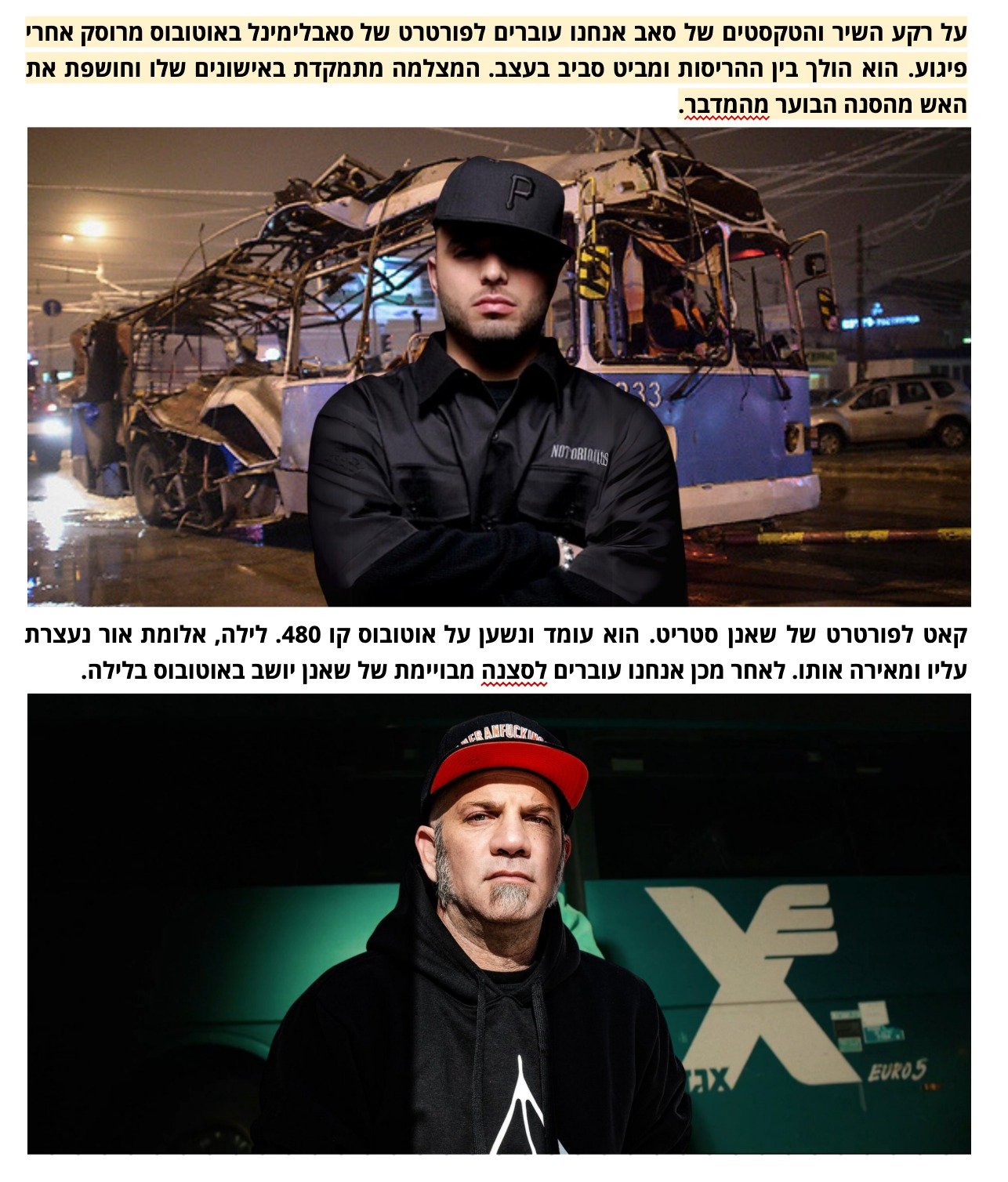
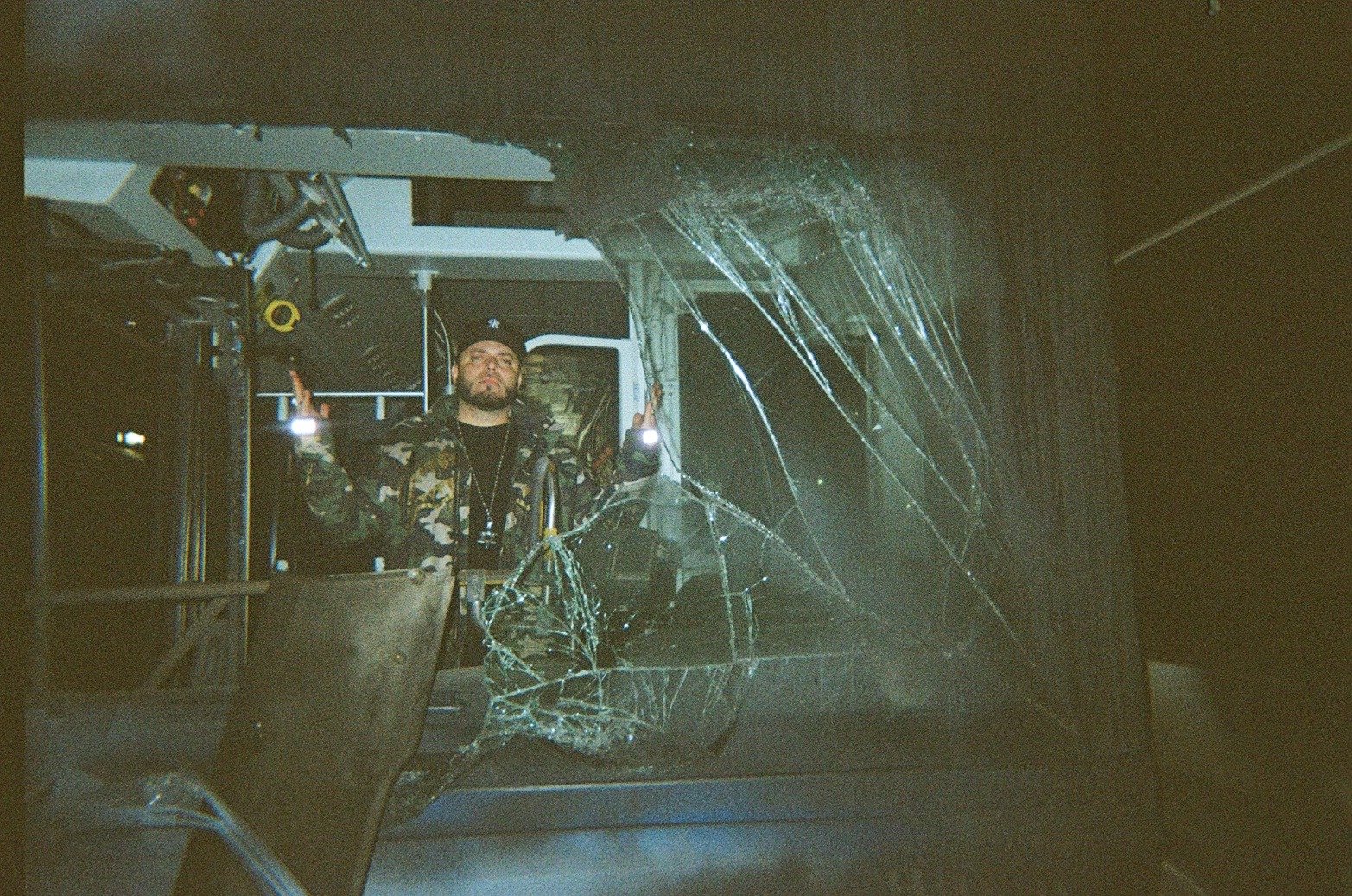
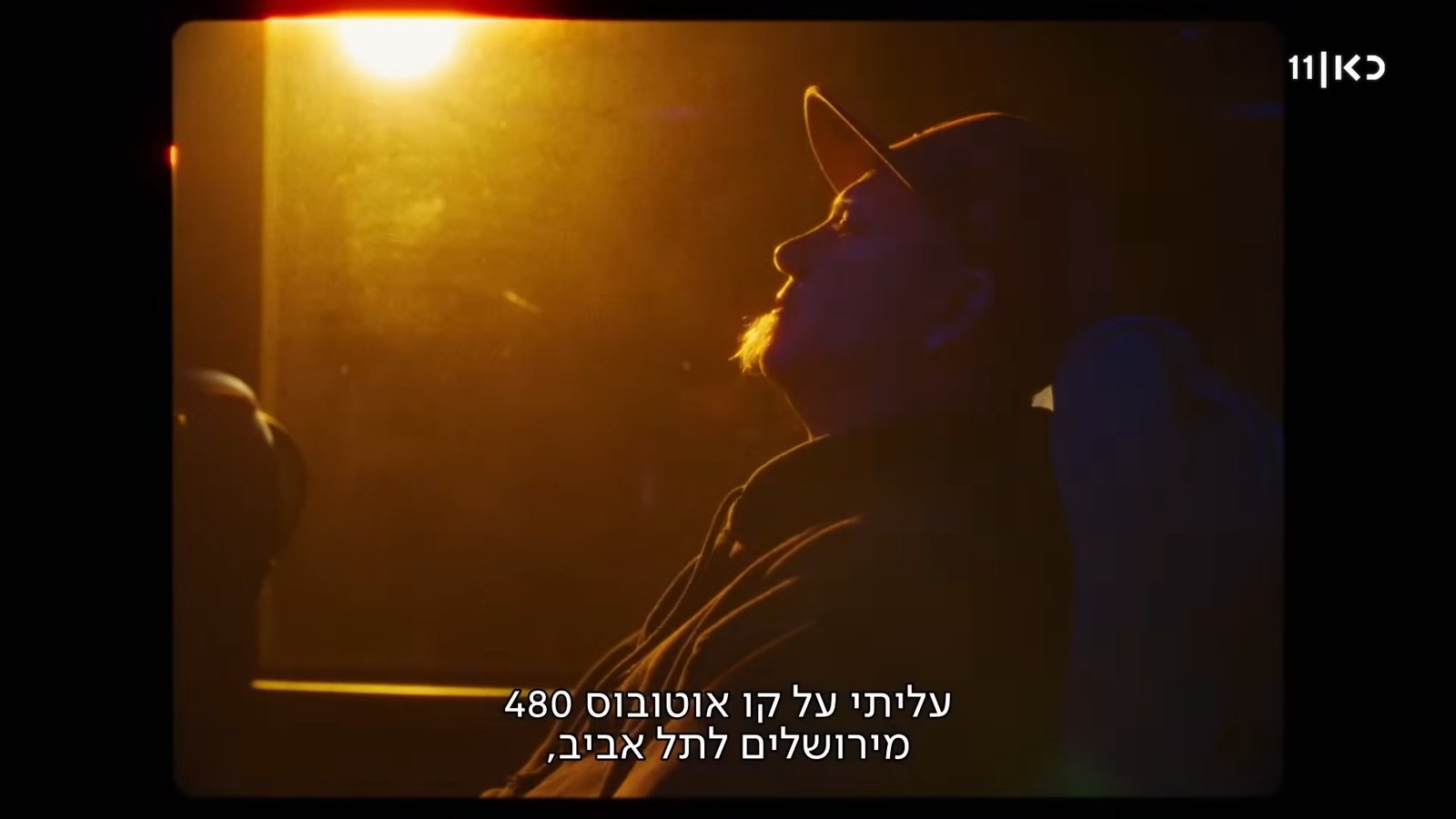
One of the series’ peak moments connects the story of Subliminal and The Shadow with Hadag Nahash through the motif of the bus. While the former write Zionist songs during the period of terrorist attacks in the early 2000s, Shaanan Streett writes his first song on bus line 480 stretching between Tel Aviv and Jerusalem, bringing criticism alongside groovy funk.
The scene starts with Shaanan Streett on his way to Jerusalem and transitions to Subliminal and The Shadow, filmed inside a destroyed bus that the production received as a gift from Egged, an Israeli bus company.
“We got a destructible bus, and then worked on it for a few days, painting it, burning it a bit, breaking its windows, removing seats, and essentially getting a set that’s a real-life set. And then all the lighting effects, lamps, and practicals from the outside — those are already cinematic specials,” Vergalis shares.
“One of the techniques we worked with and used the most is the Double Dolly. A technique that director Spike Lee brought to a peak, where you sit the hero or heroine on the dolly track along with the moving camera. What this creates is a feeling of the object hovering against the background,” Dekel-Kadosh says about Hadag Nahash’s filming technique. “We built a rotating stage and put the whole band around it, creating a funky lighting setup; each band member has a color that characterizes them.”
The cinematography was handled by cinematographer Alon Lutsky, who had previously worked on commercials with Dekel-Kadosh and is quite the hip-hop fan himself: “From age 8 to about 15, I was a rapper myself, not with songs, but you could see me with braids and a durag at school.” Lutsky testifies that he “tries to shoot everything and not belong to any niche. I mostly shoot commercials, but also series, films, and documentaries.”
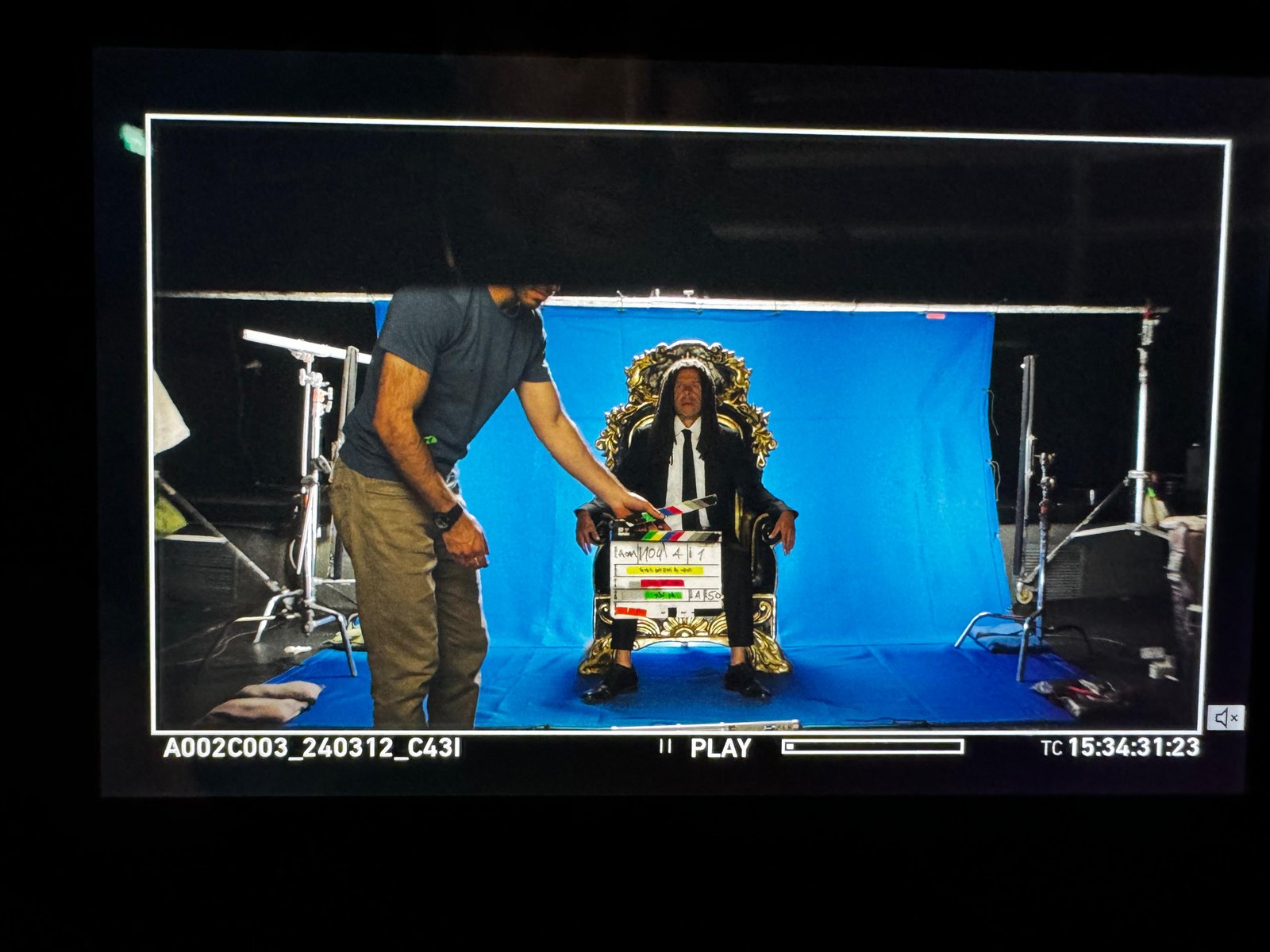
The work started as early as the scriptwriting phase. “We simply started breaking it down into scenes for episodes 1, 2, 3 — we threw around ideas,” he says. The collage aesthetic also permeates the series’ shooting formats: “Whether it’s Super 8, 16mm, 60mm Cinemascope, MiniDV, and Hi8 cameras, which are cameras from the 90s and 2000s,” Dekel-Kadosh recounts.
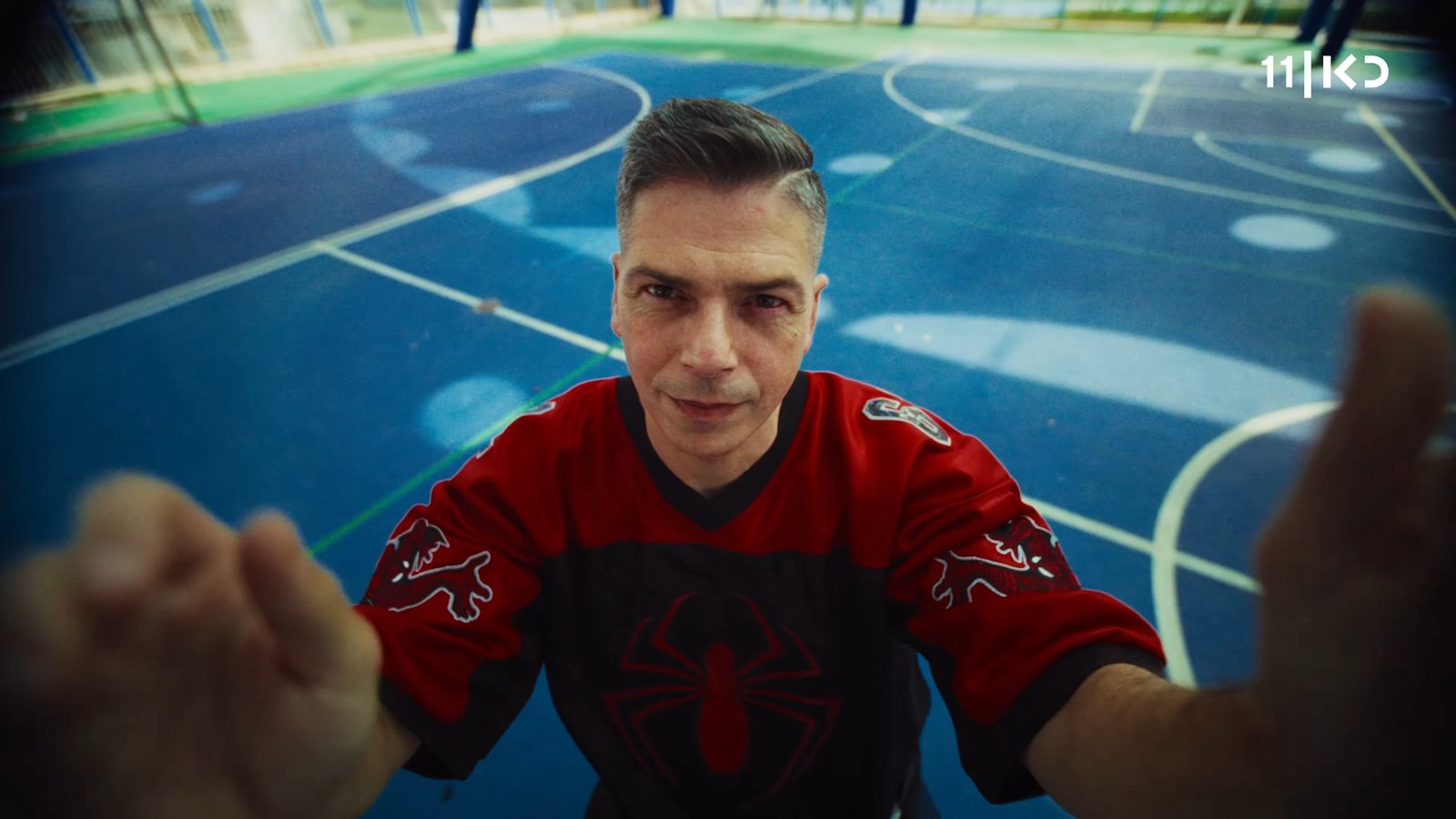
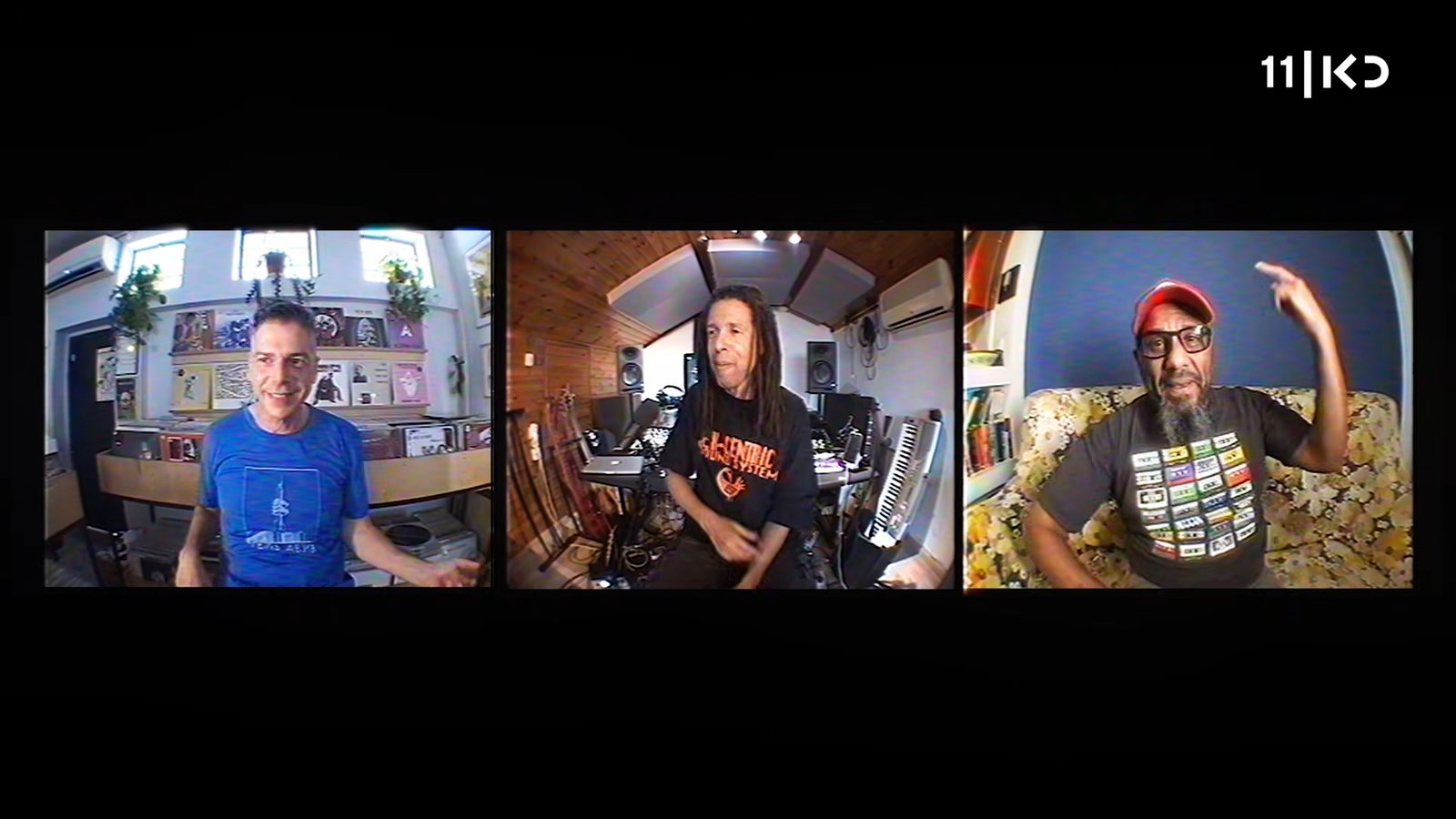
All 80 interviews were filmed with the MiniDV camera from the exact same angle with a fisheye lens. Most of the sets are located in the interviewees’ own studios, and the intimacy created by choosing to forgo a synthetic set with multiple cameras and lighting fixtures allowed the interviewees to truly open up.
The intimacy created by choosing to forgo a synthetic set with multiple cameras and lighting fixtures allowed the interviewees to truly open up
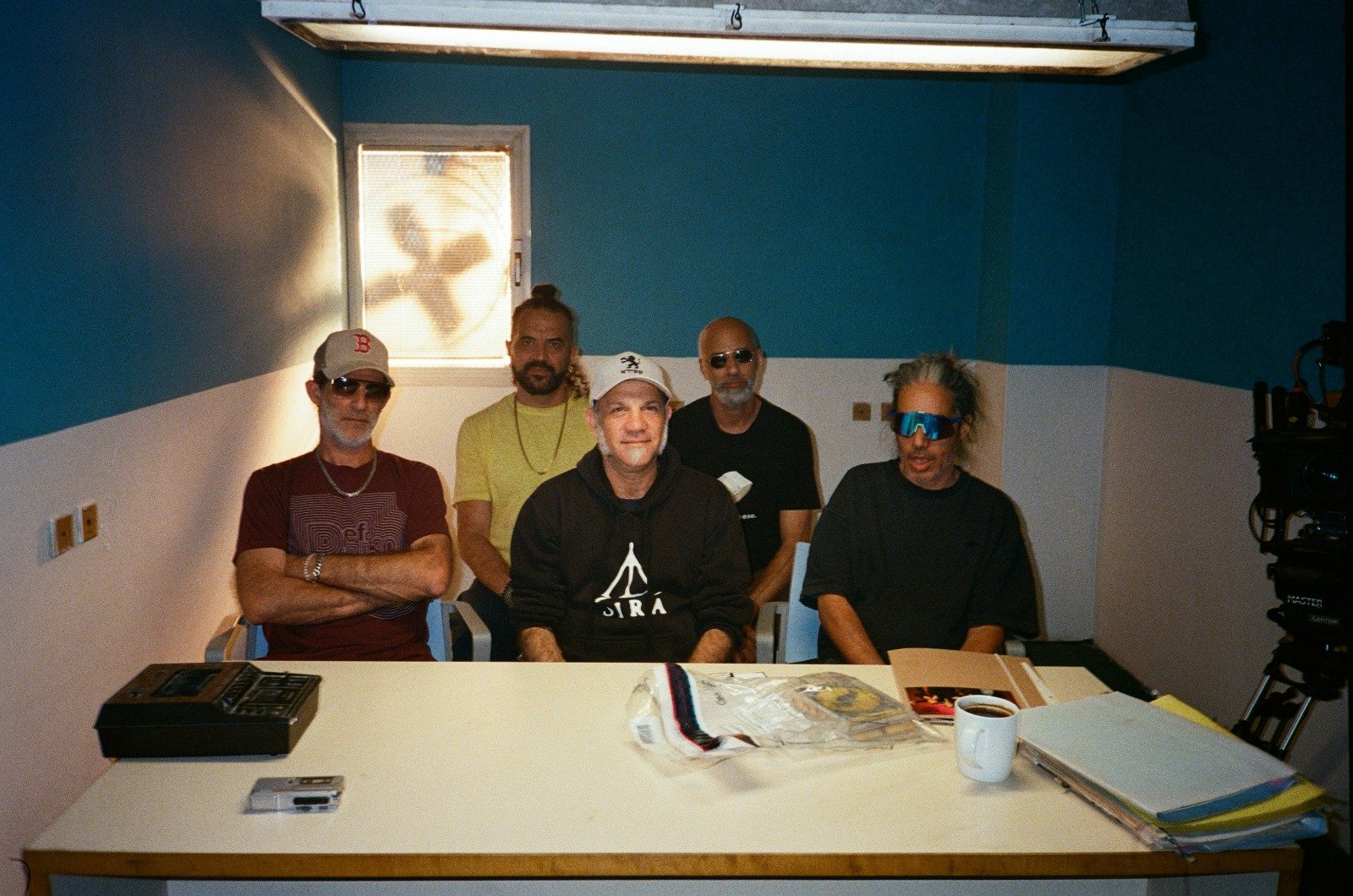
In the second episode, which covers the years 1995-2000, Shabak Samech stars throughout. “With Shabak Samech, we actually did something different. We wanted to create intimacy there and take them back to a point in time where they are sitting in a basement, smoking joints, doing nonsense. We came up with the idea to build them a room and place a camera — we made a hole in the table, put the camera inside the table in the middle on a remote-controlled gimbal, and just let the camera rotate and give them space. We said, ‘Let’s see what comes out of them, let’s bring them to this comfort zone with a vintage look,’ and things really did come out. Even things that didn’t make it into the series, for us as fans, it was incredibly fun to watch and hear them tell all the stories,” Lutsky shares.
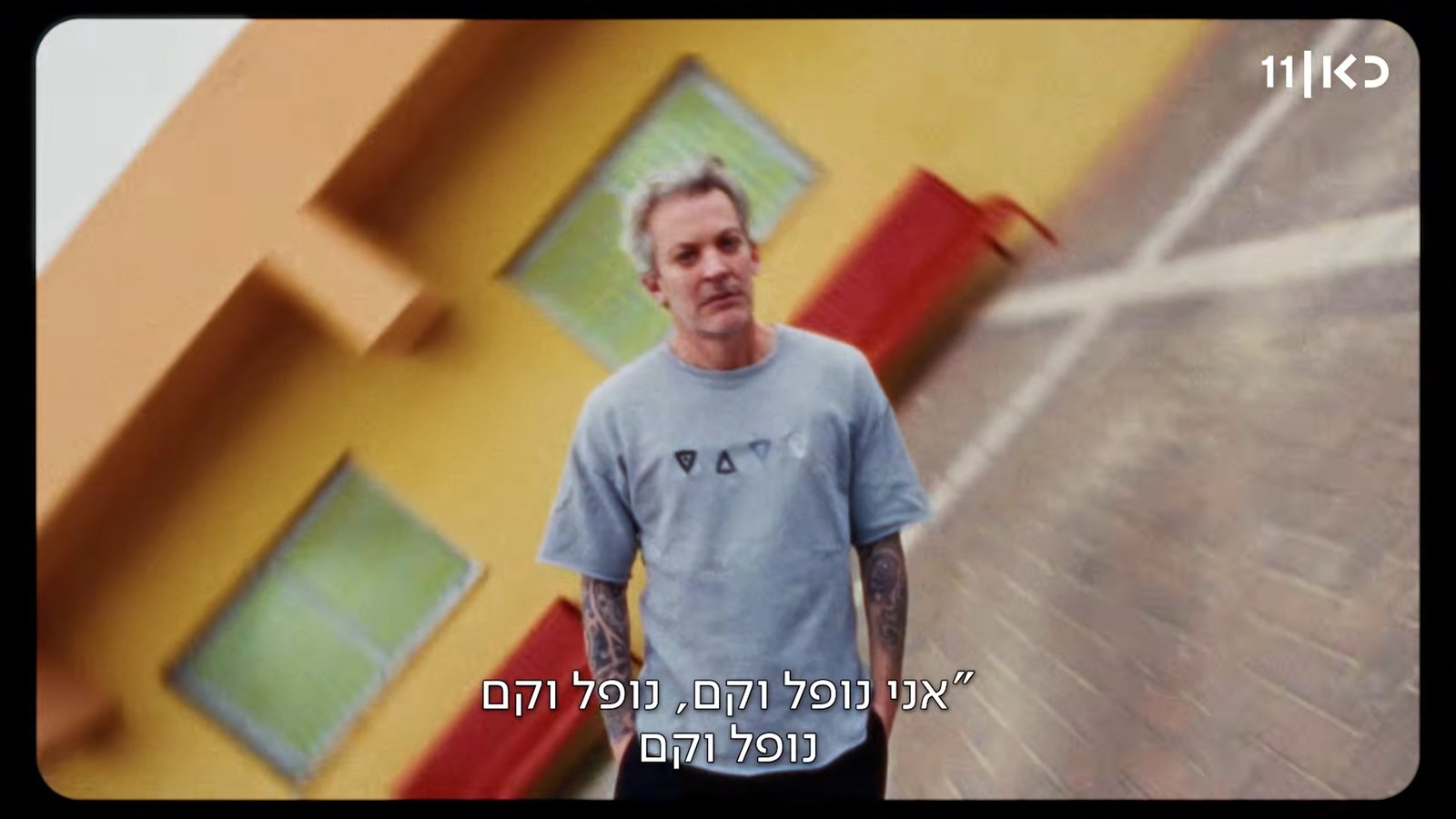
While hearing the song ‘Nofel Ve’Kam’ in the background, you see the band members falling one after another in circular motions in a particularly moving scene. Lutsky adds, “We went to do tests at our legendary key grip’s place, Moshe Shabbat, and we built a rig the camera sits on that can rotate and drop 90 degrees to the floor. We tried to squeeze this in during the schedule, to roam around with this rig in all sorts of places. Maybe it looks like a meticulous and designed series, but there were many things we hijacked along the way that happened out of love for the craft, to the point where, say, all the shots of Shabak Samech sitting on a basketball court with the camera hovering with them — Dekel-Kadosh and I ran to the court during lunch break, took them with us, and pushed them on the dolly without the crew knowing, plus we accidentally broke the dolly there (laughs).”
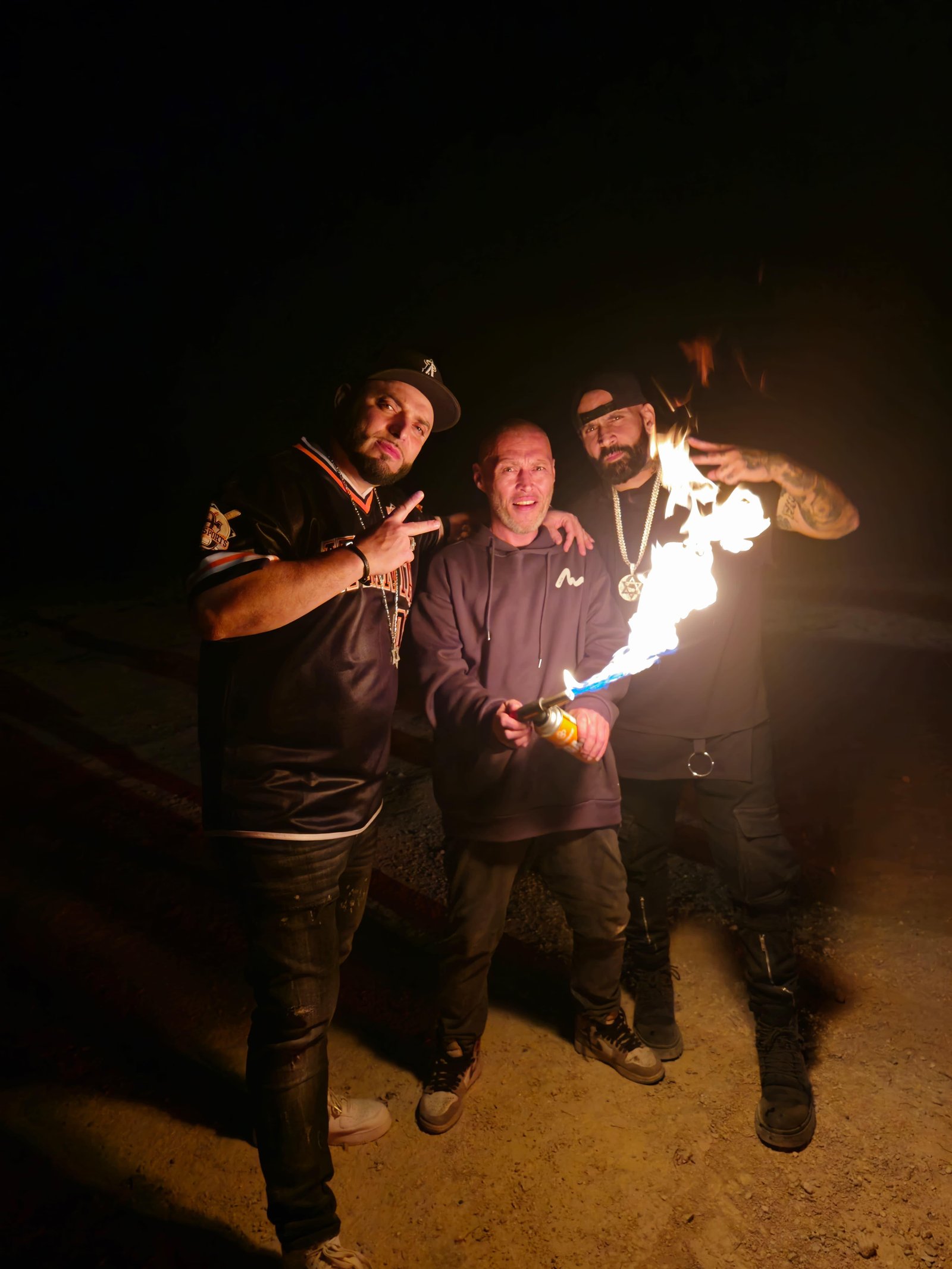
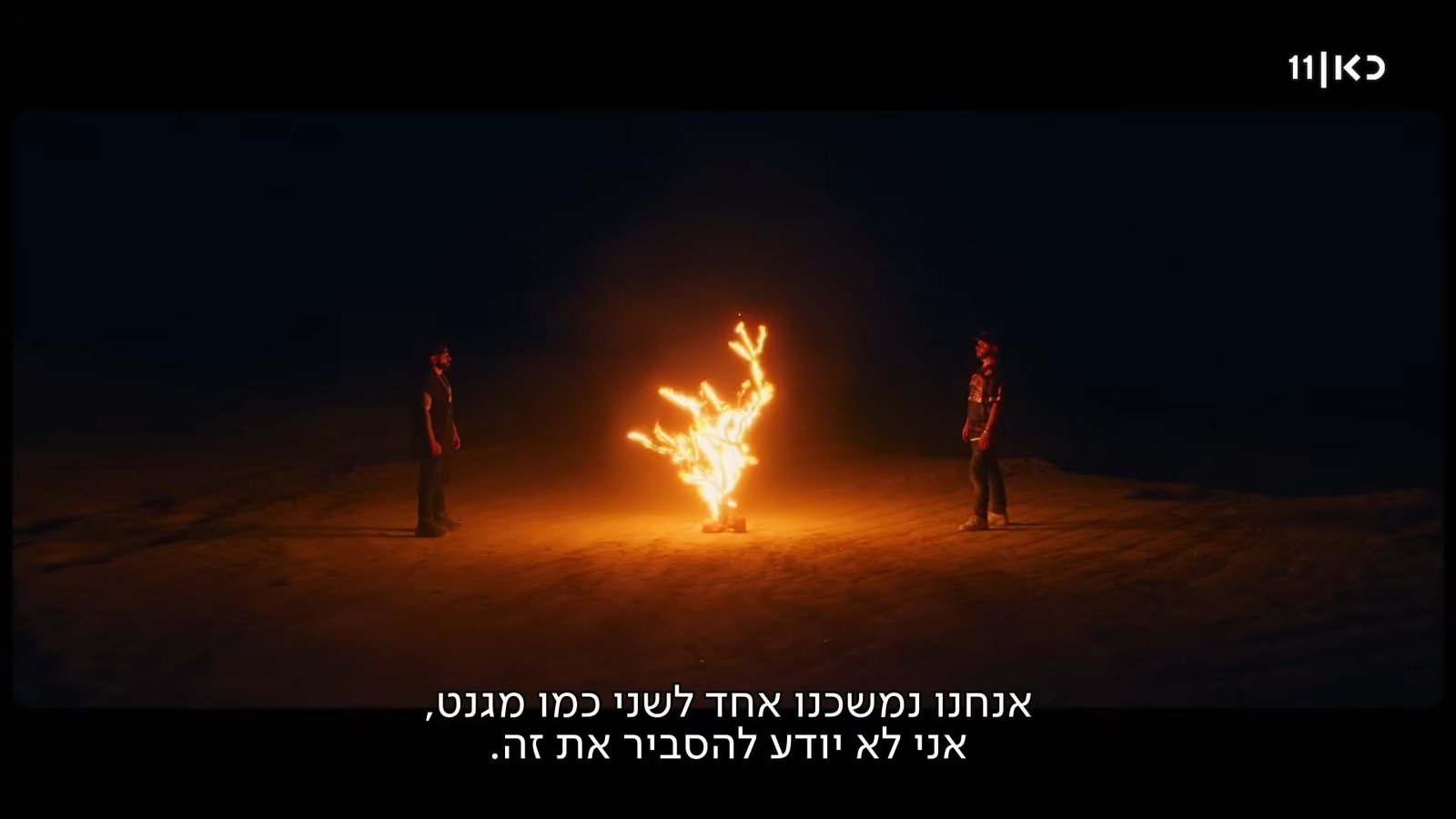
The third episode mostly deals with Hadag Nahash and Subliminal and The Shadow, focusing on the late nineties and early 2000s. The latter appear in an arid desert facing a burning bush, a strong cinematic shot filmed with a drone cruising above. An encounter that was completely accidental ignited a strong musical connection in both of them, holding burning red flares to pave the golden path of Israeli hip-hop. “It was very hard to get the flares, and I got them my own way, let’s not elaborate. We had exactly three, I think. If suddenly two run out, we only have one left and that’s it, and we are in the middle of the desert with nothing to do about it. But we succeeded!”, Vergalis recounts.
Cinematographer Alon Lutsky adds, “The scene was shot with small anamorphic lenses and looked different — a new era. We went all the way with it and used an advanced drone that could hold the fire, because we shot with the drone at night and illuminated solely with it. It was important to us to maintain the details within the fire, and also that it would light the area around the bonfire so we could see them well.”
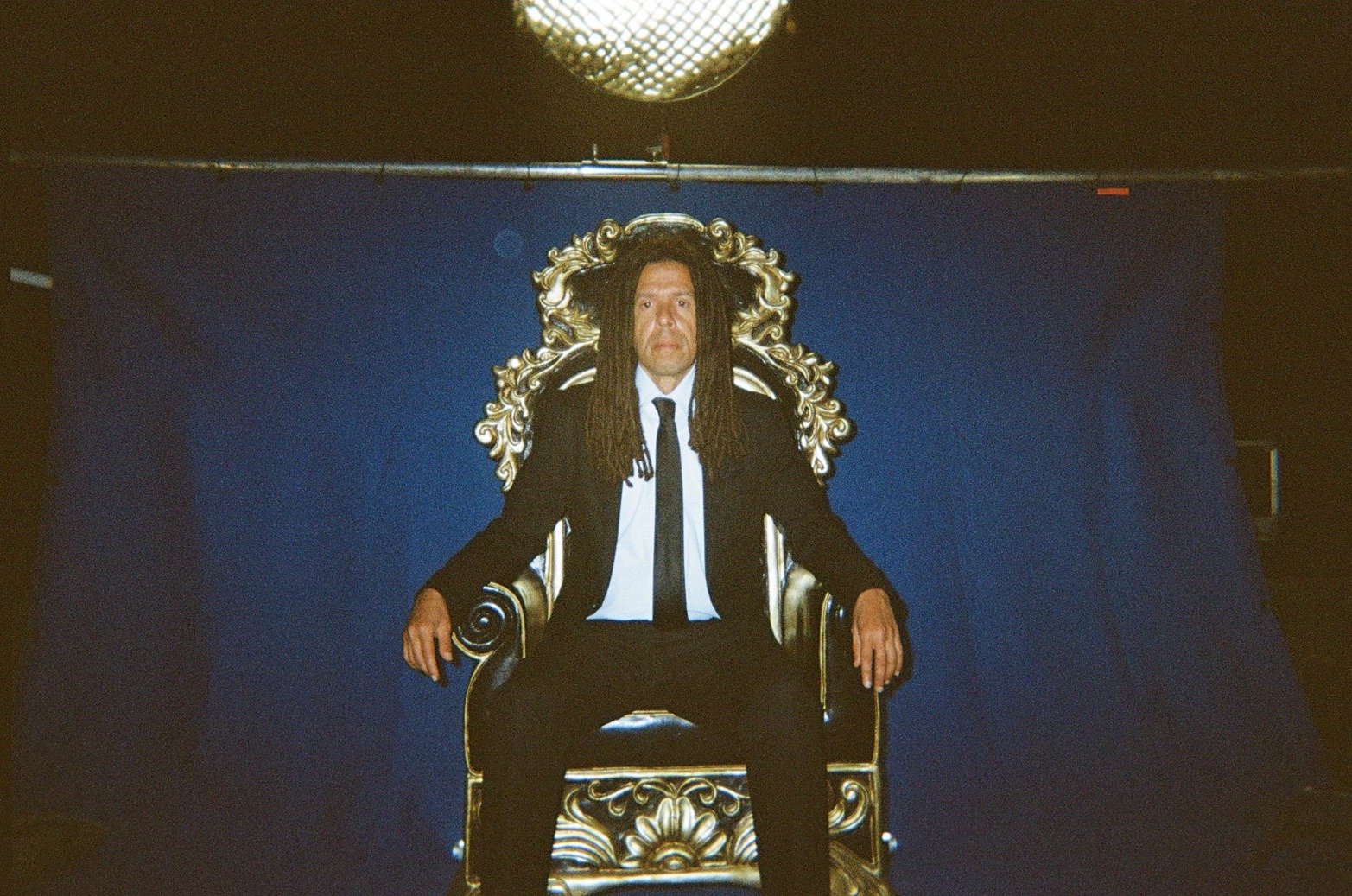
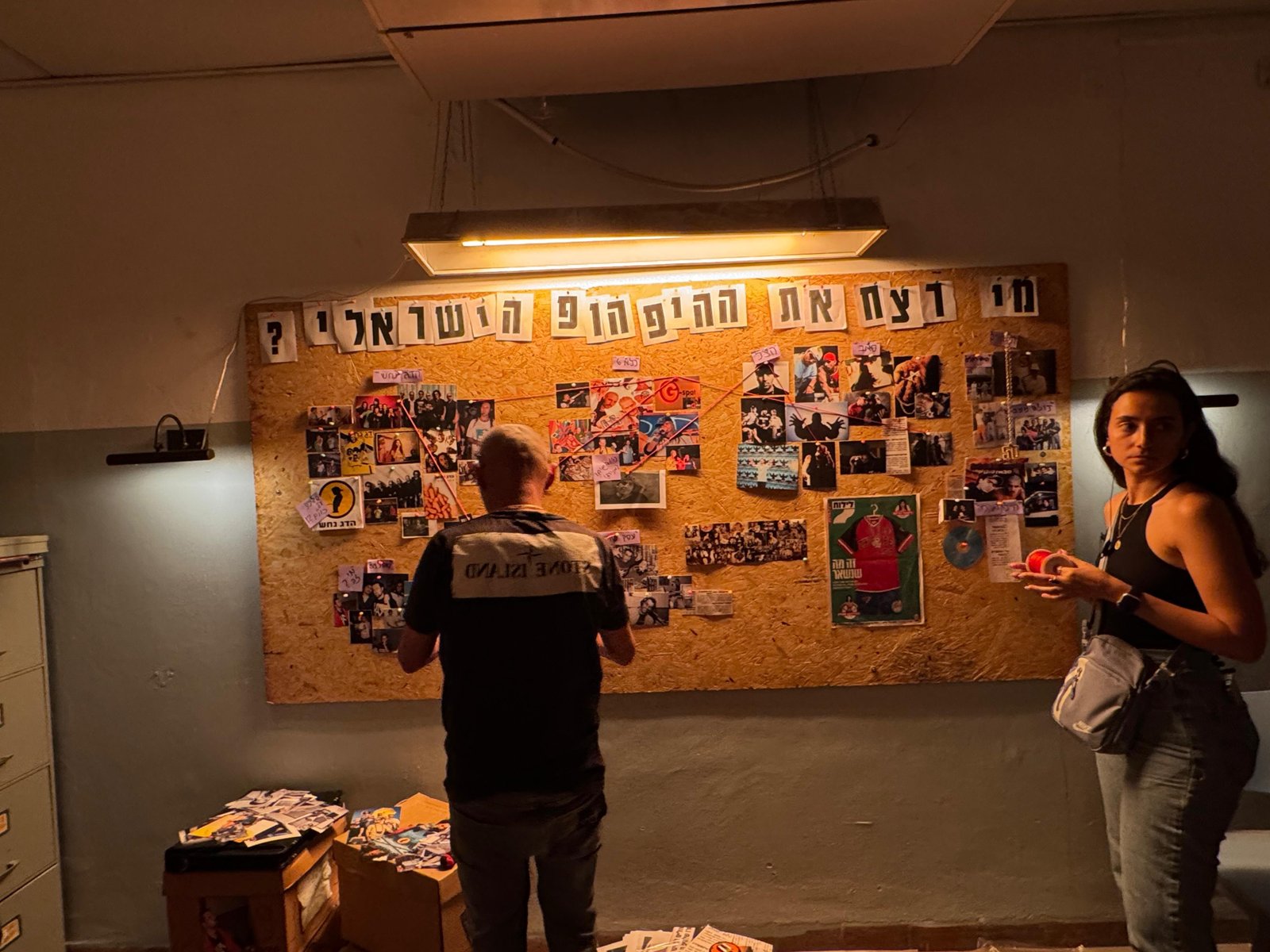
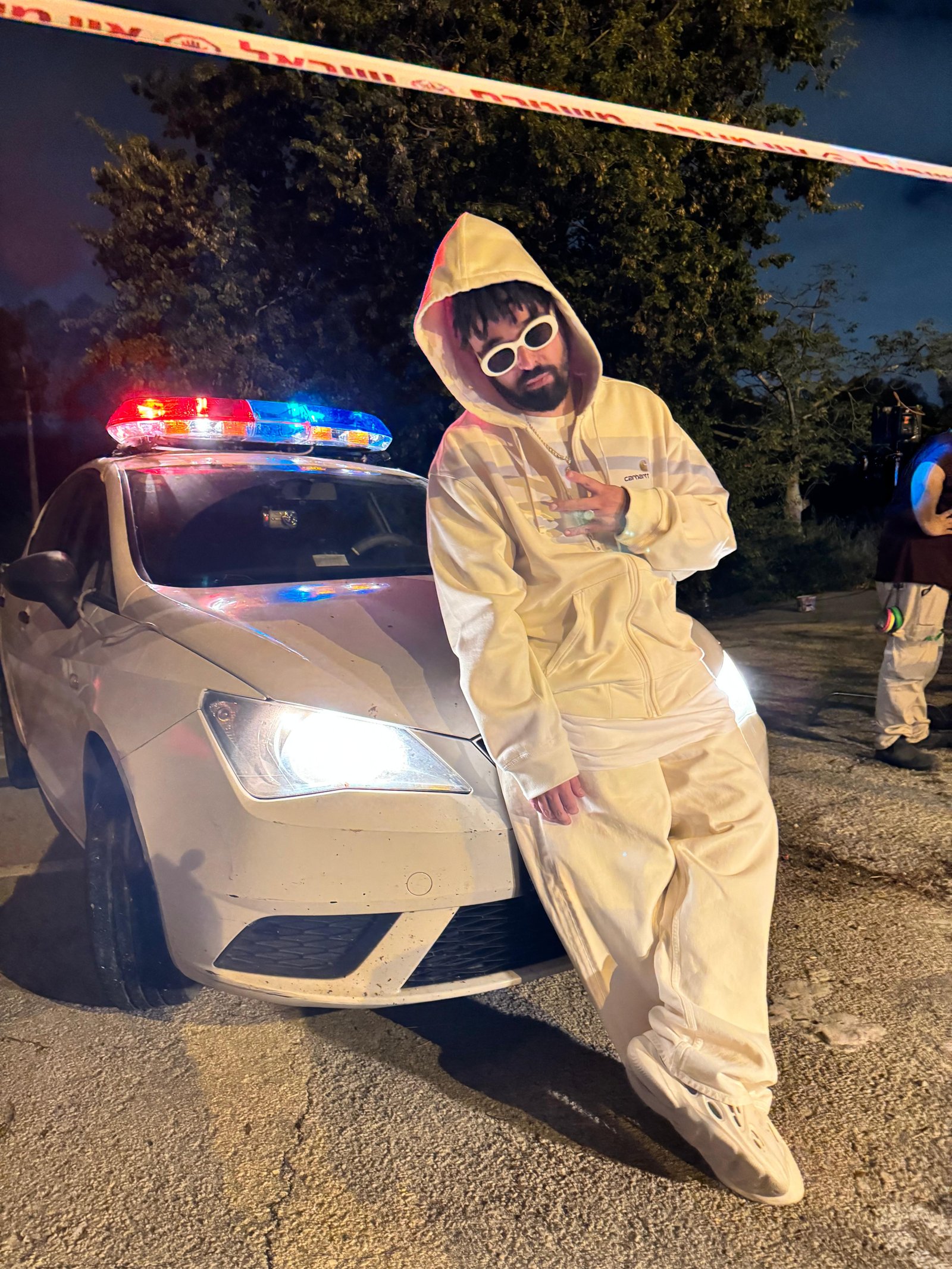
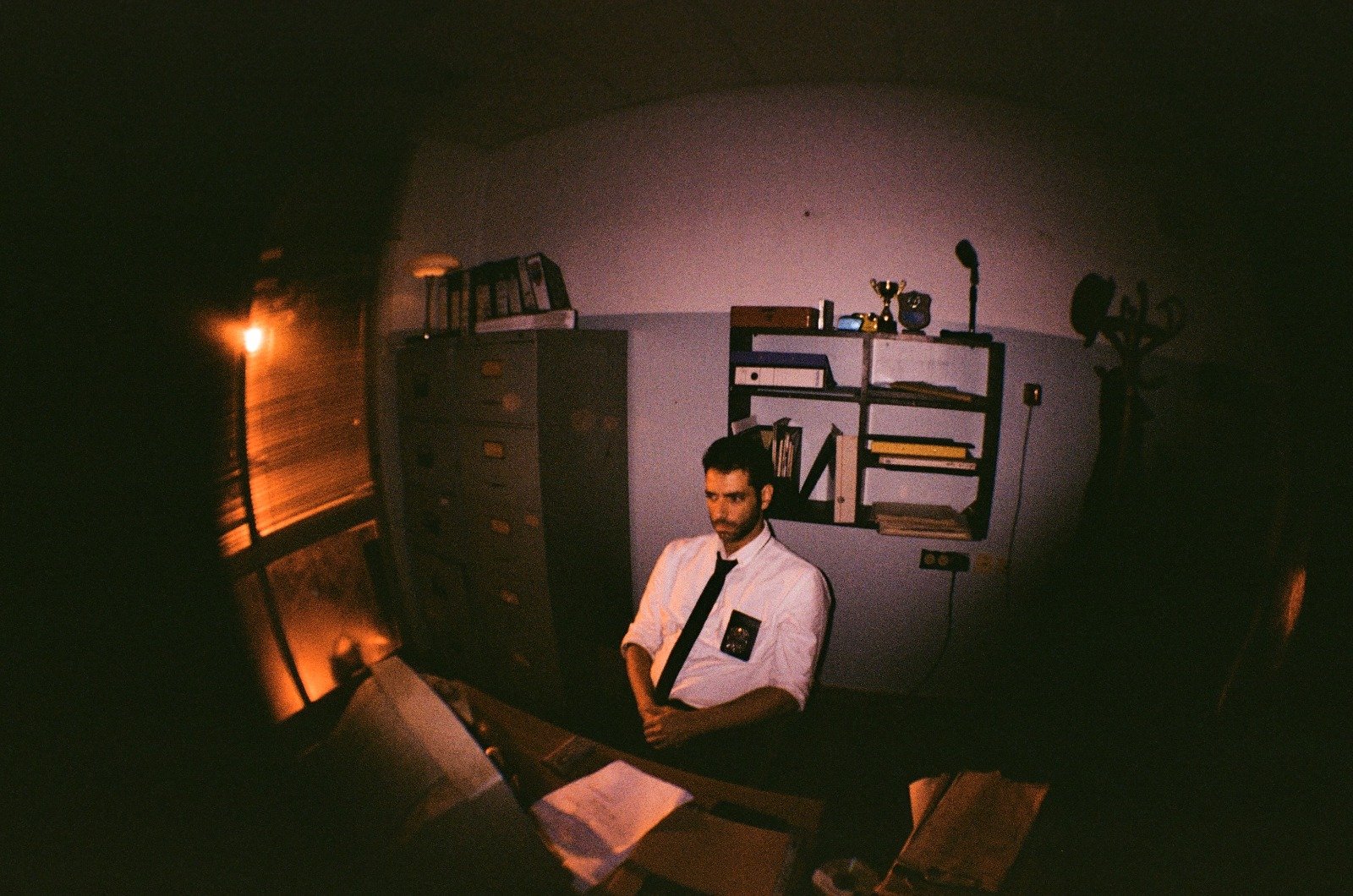
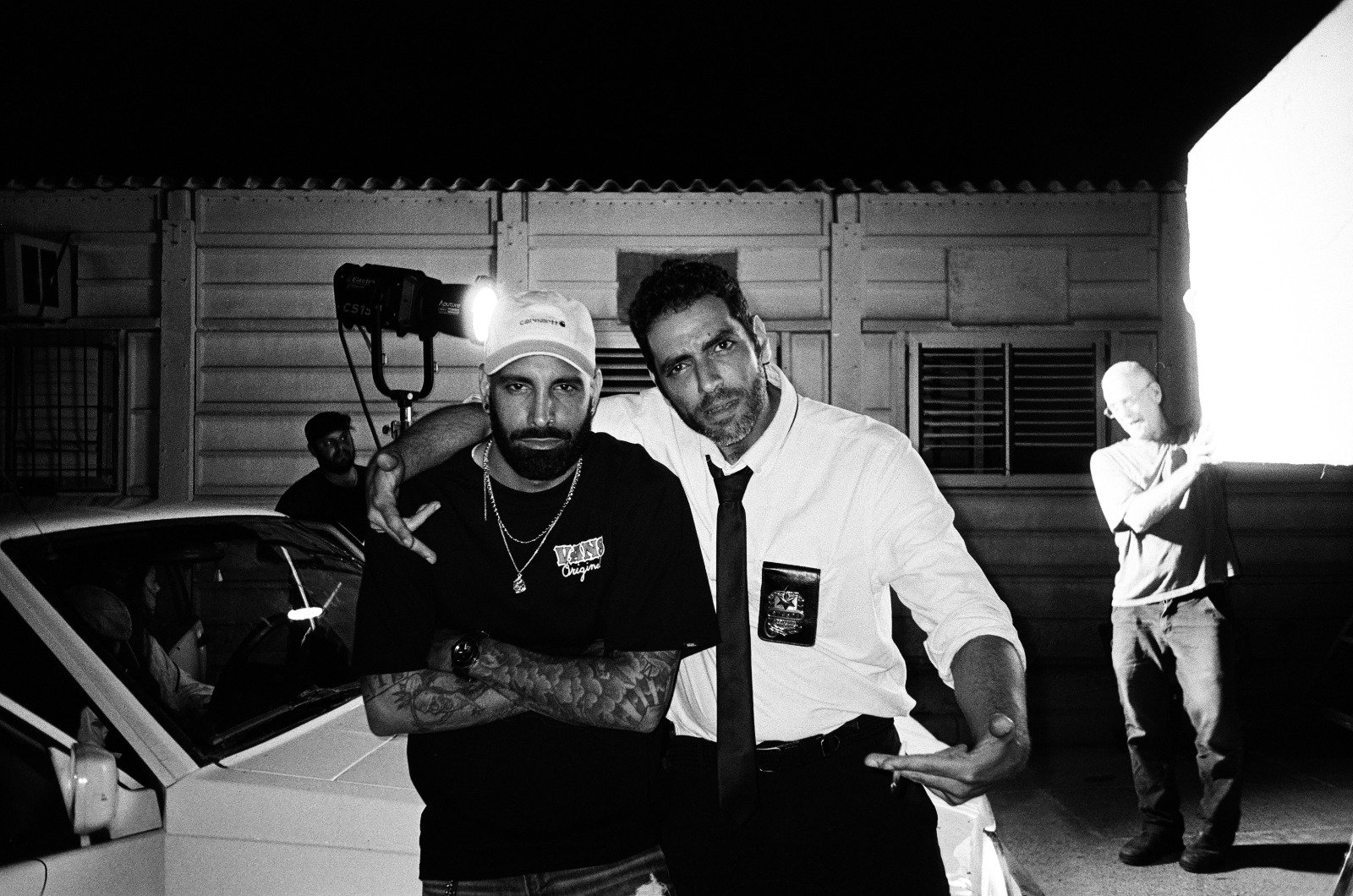
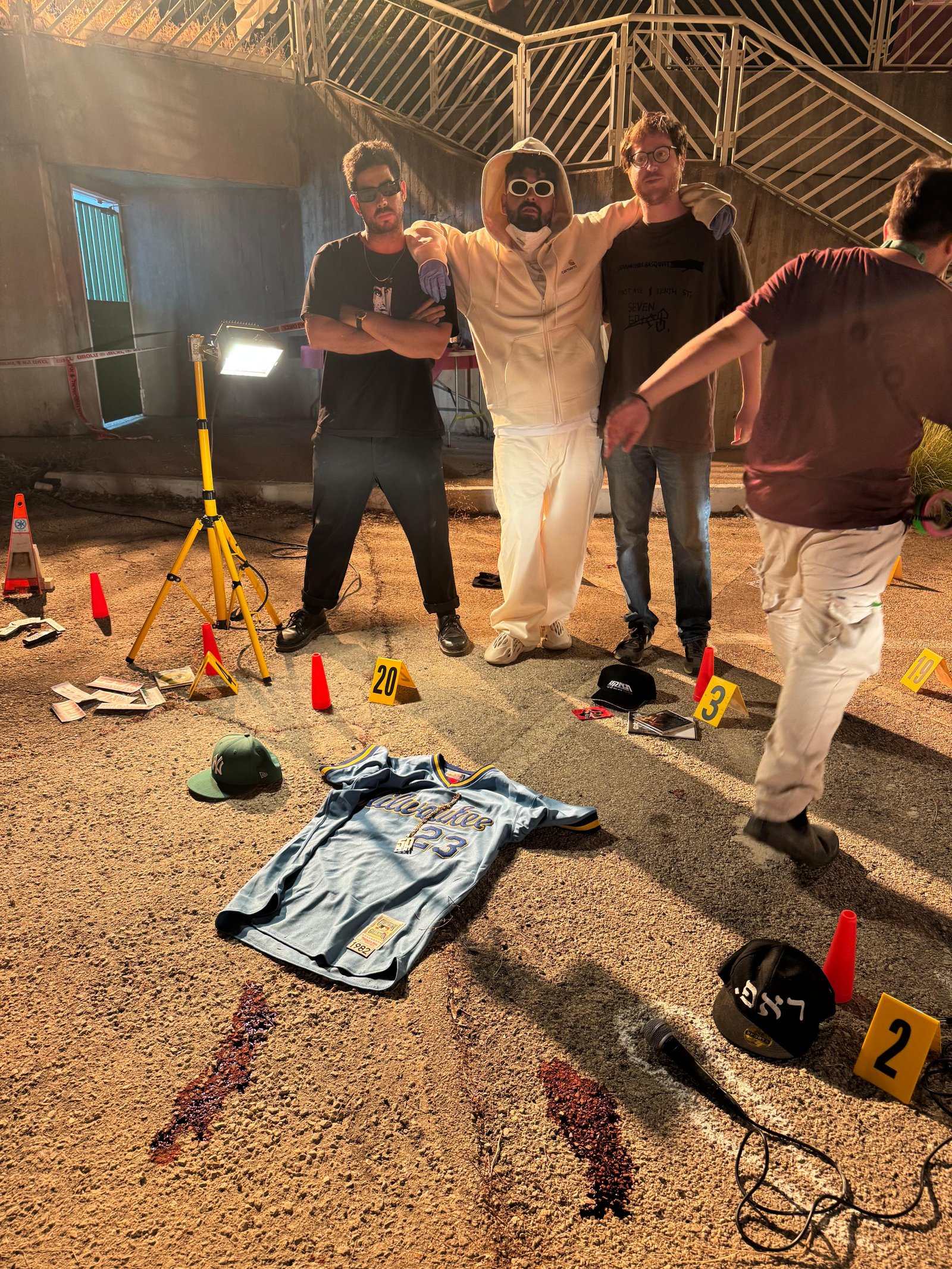
In the middle of the series, a narrative spin-off emerges in the fourth episode. Amit Ulman (Pedro Grass) plays a detective investigating who murdered Israeli hip-hop between the years 2002 and 2007. “Yon Vergalis did insane work. We built an underground detective interrogation room and winding mazes. We managed to create a world that is truly a different film-noir hip-hop fantasy. A lot of inspiration from Dick Tracy and Nolan’s ‘The Dark Knight,’ even in the colors, by the way. Beyond Alon Lutsky the amazing cinematographer and Yon the designer, there are the colorists of the project — Gal Issar and Ilya Marcus. They are a very essential part of the work on this whole thing of creating a world, textures, and a language. There is a color for each hero — Sagol 59 appears (in purple), Hayalei HaNekama in dark green, the detective in yellow. An important storytelling element,” Dekel-Kadosh shares.
‘Black Gold’ manages to sample and juggle between design styles and references, weaving the Israeli story through echoing songs — on budgets much more modest than overseas music docu-productions. It carries a genuine message destined to change the world of Israeli documentaries as it has been done so far.
ווהו! נרשמת לניוזלטר שלנו בהצלחה!
המלצה:
קבוצת הפייסבוק שלנו Secret Uncoated כוללת יופי של ממתקים המתעדכנים על בסיס יומי, עם מלא אנשים טובים ←