“Heroines” exhibition at the Design Museum Holon promises to explore the connection between war and fashion — a fascinating subject in itself, but the execution lacks precision and fails to evoke emotion.
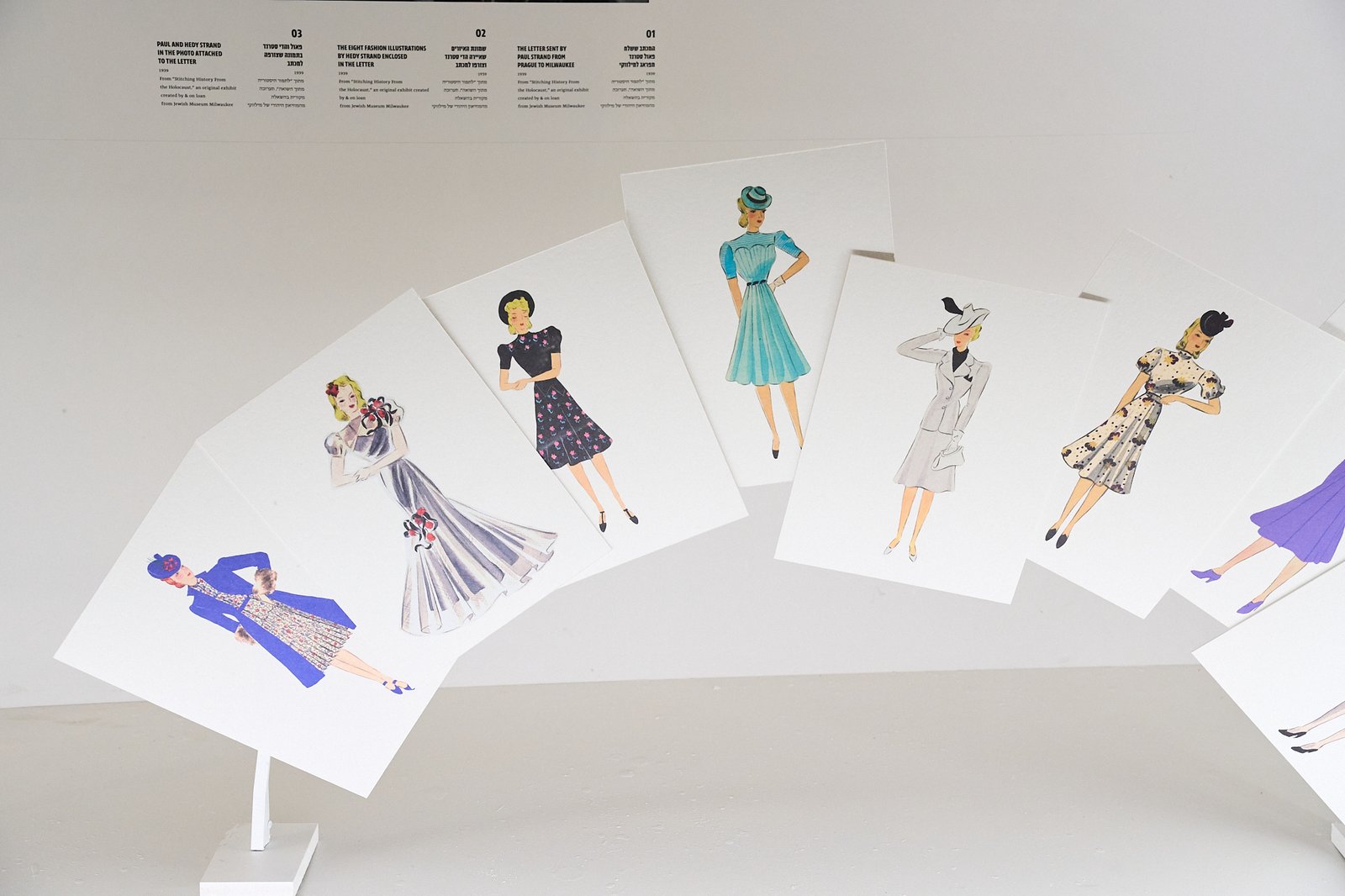
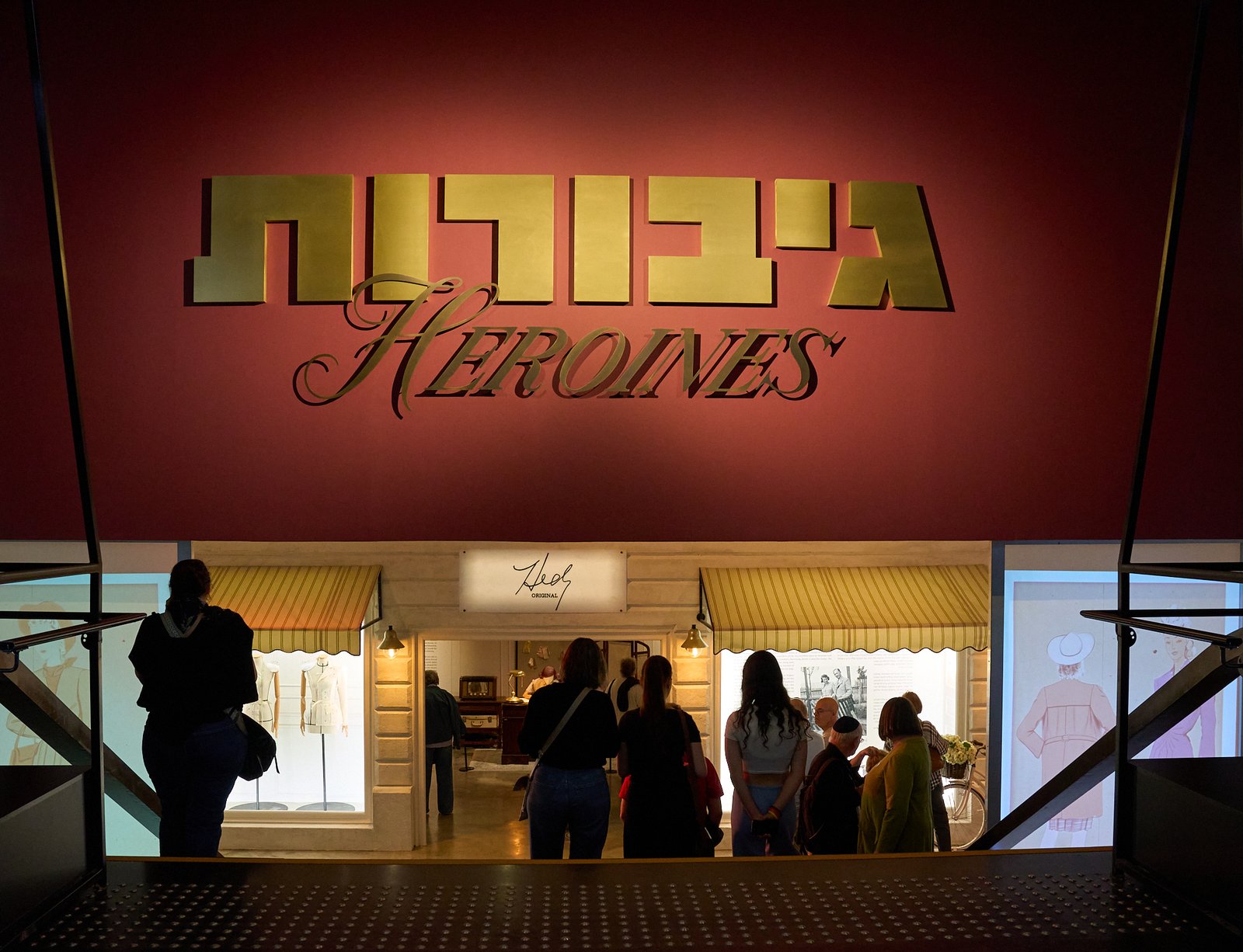
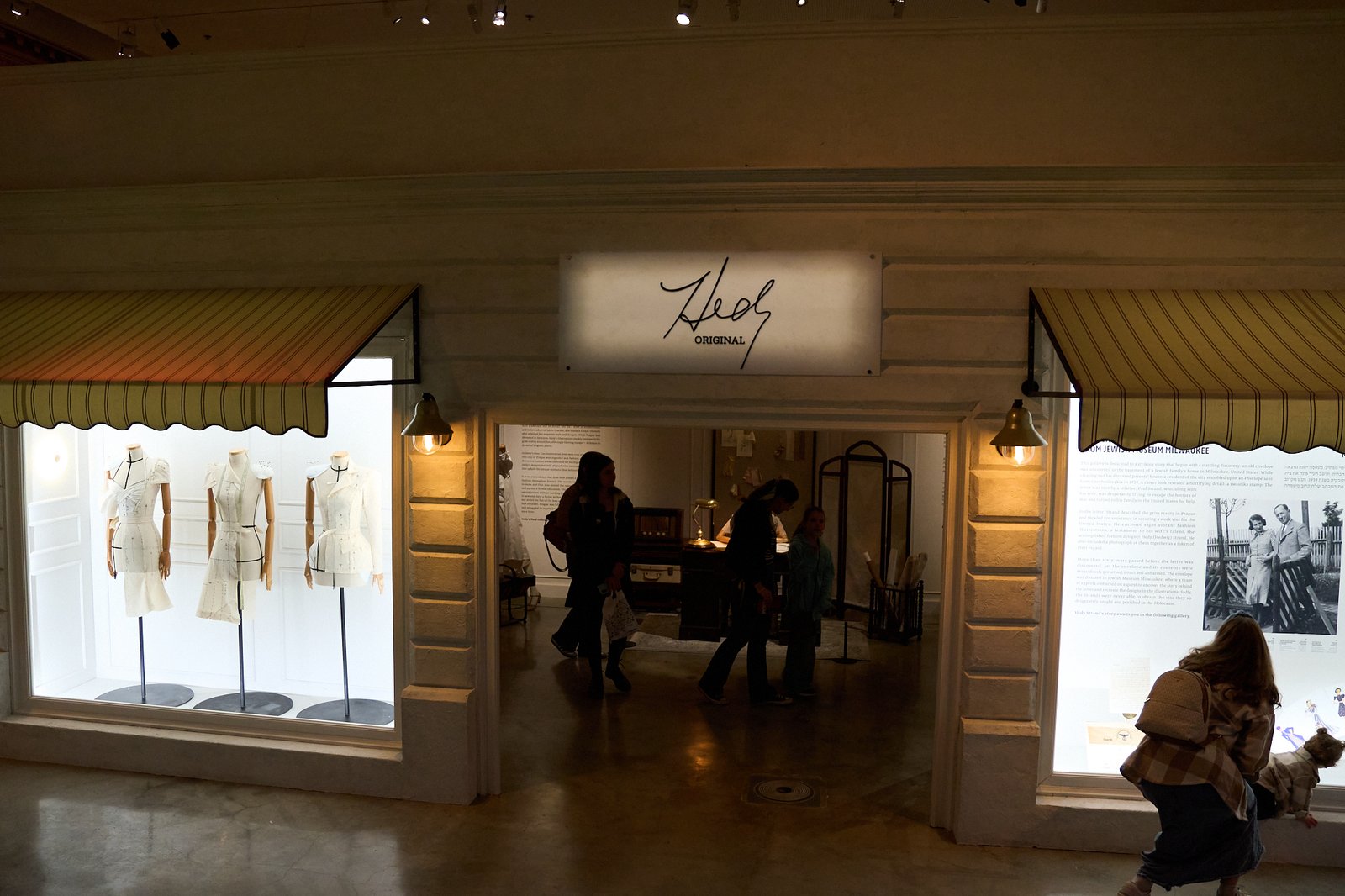
In the central lower space of the museum, we are presented with sketches and drawings by fashion designer Hedy Strnad. The story begins in 1939, with an envelope sent by her husband, Paul Strnad, from Czechoslovakia to Milwaukee, USA. Inside were colorful fashion illustrations intended to seek help from the family to escape the horrors of World War II. The plea went unanswered. The Strnads perished in the war, along with her dreams.
גיבורות, מוזיאון העיצוב חולון, צילום - טל סולומון ורדי
גיבורות, מוזיאון העיצוב חולון, צילום - טל סולומון ורדי
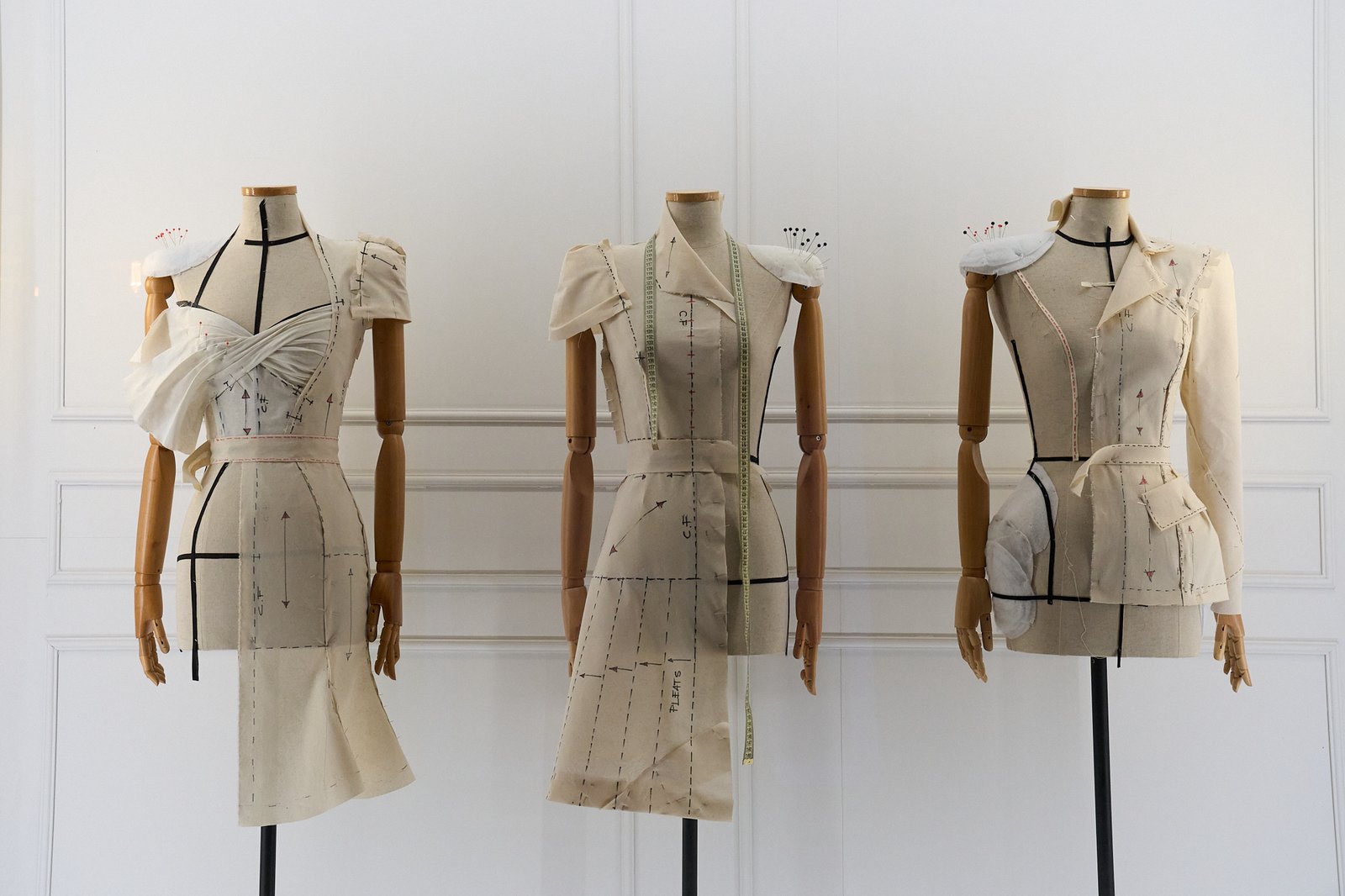
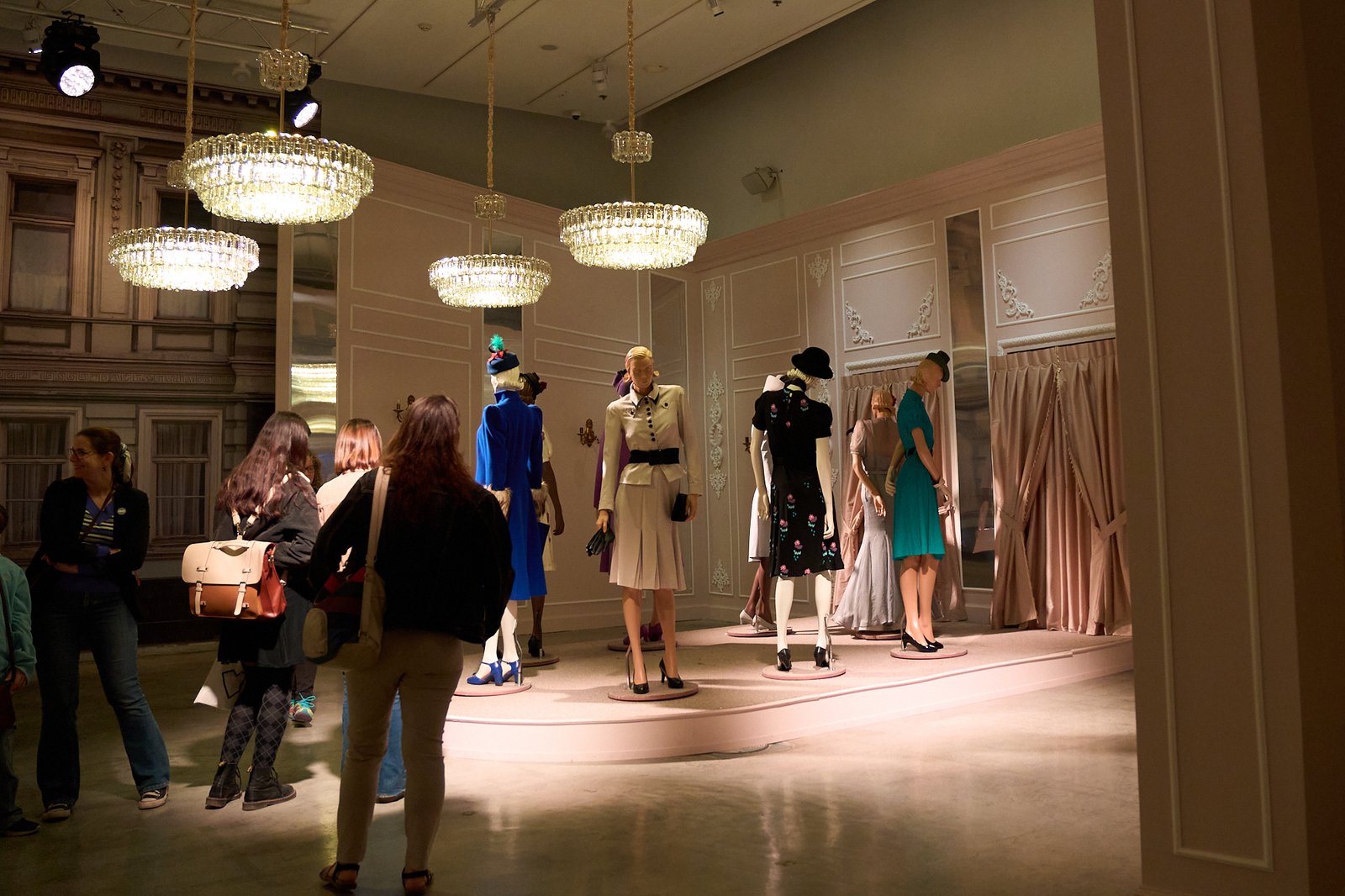
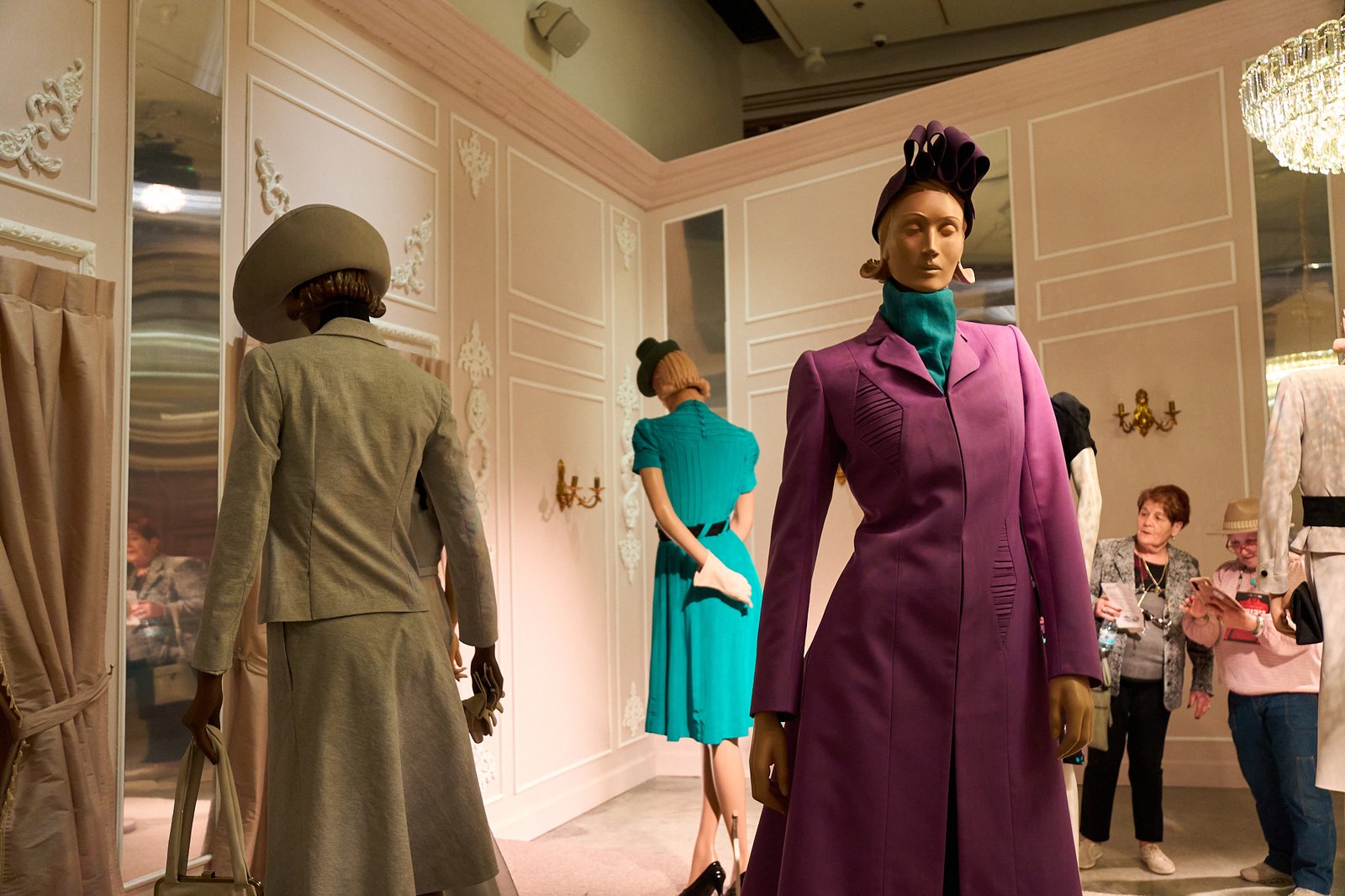
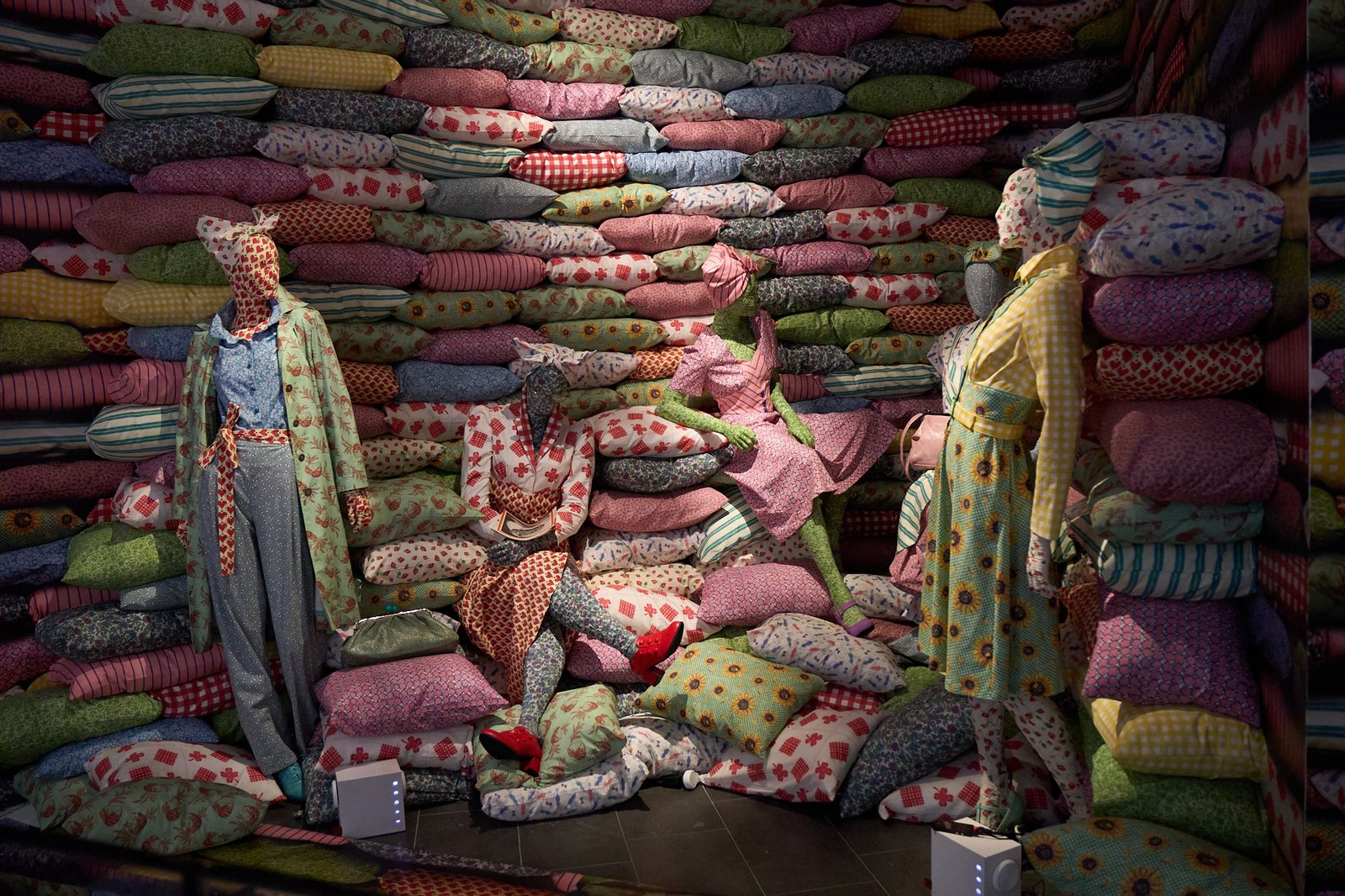
From there, we step into Strnad’s imagined workshop—first, the sewing room with mannequins dressed in period clothing, one sewing, the other ironing. Behind a wall: fashion garments sewn sixty years after the original sketches were scribbled on paper, attempting to imagine what might have been had she survived. The costumes are displayed on a rotating platform, and with the aid of Shai Shtarker’s lighting, it feels like a fashion show is taking place.
But here, the illusion begins to crack. The exhibition’s spatial design raises questions: why display draping mannequins with fabric scraps in the “shop window”? Why place wallpaper with an exterior façade inside the store? Are we inside or outside?
If the goal was to immerse us in an alternate reality, it’s hard to believe in the world created by the exhibition—it suffers from serious credibility issues. The elaborate set design overwhelms the exhibits with its “noise.” None of the items are original period pieces, only reconstructions and reproductions. War is ugly, and the design makes no reference to the reality or era it’s supposed to reflect. There were many creative ways to address this—sound, for instance—but none are used.
גיבורות, מוזיאון העיצוב חולון, צילום - טל סולומון ורדי
גיבורות, מוזיאון העיצוב חולון, צילום - טל סולומון ורדי
Memories That Don’t Last
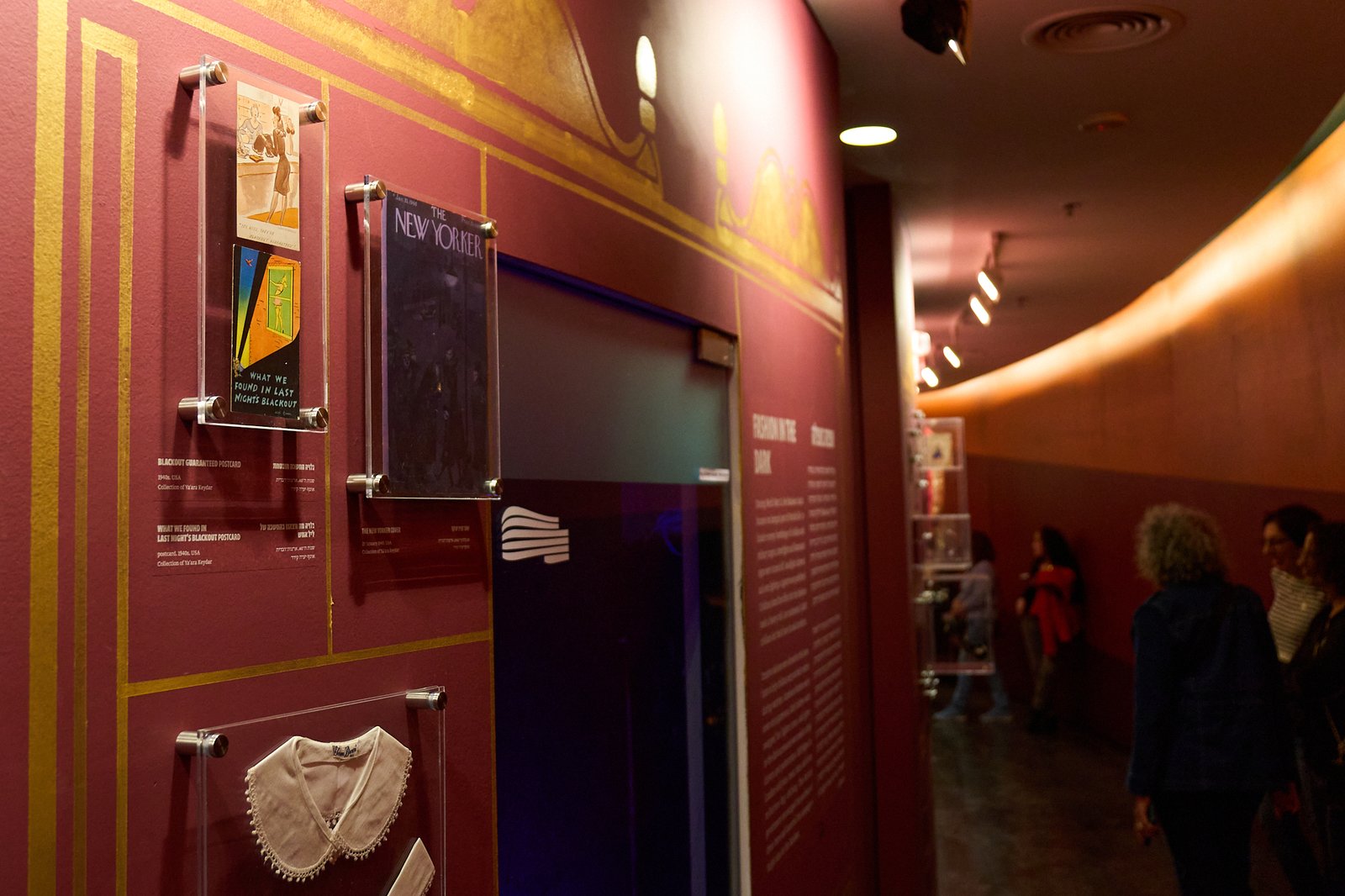
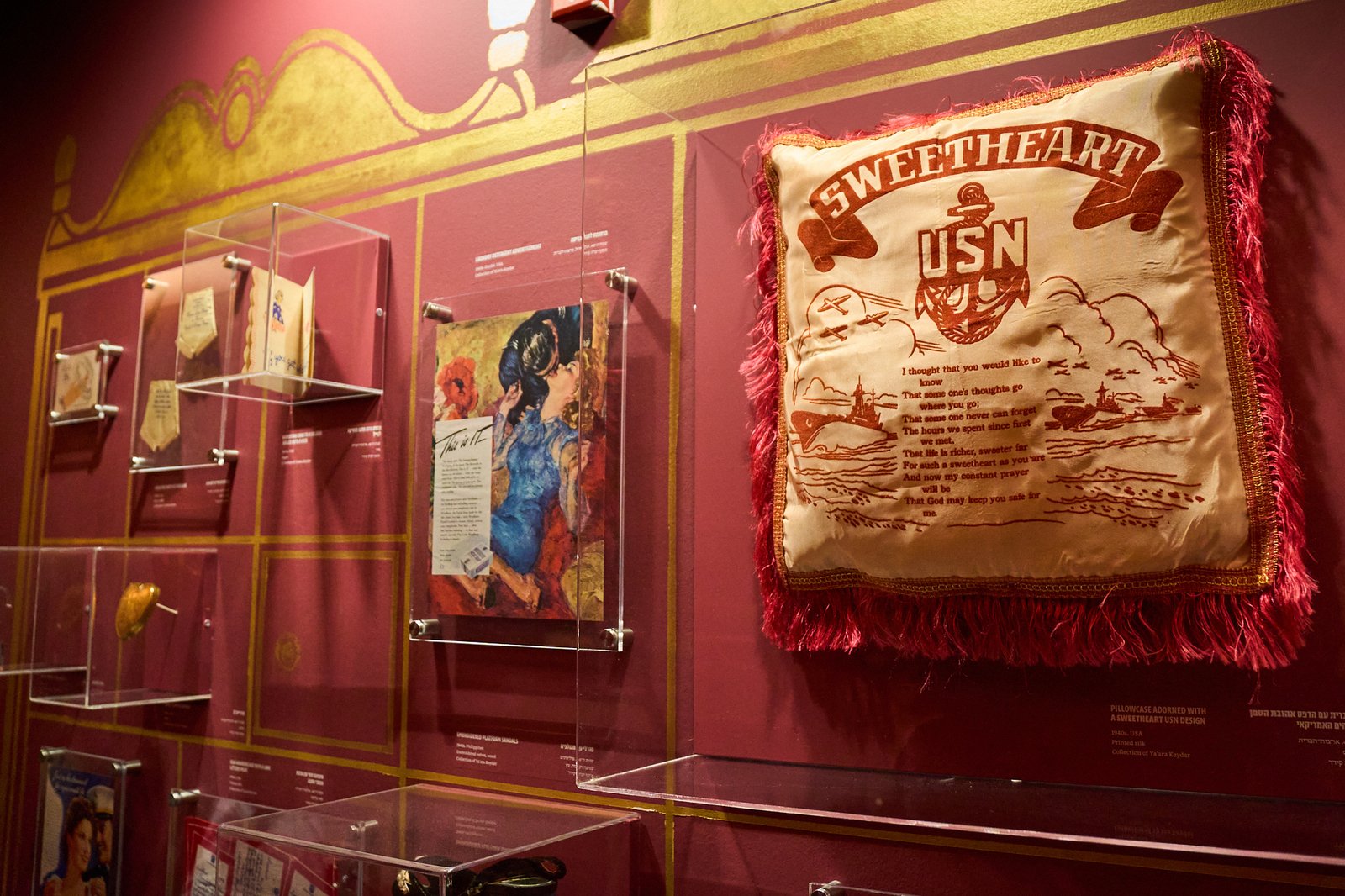
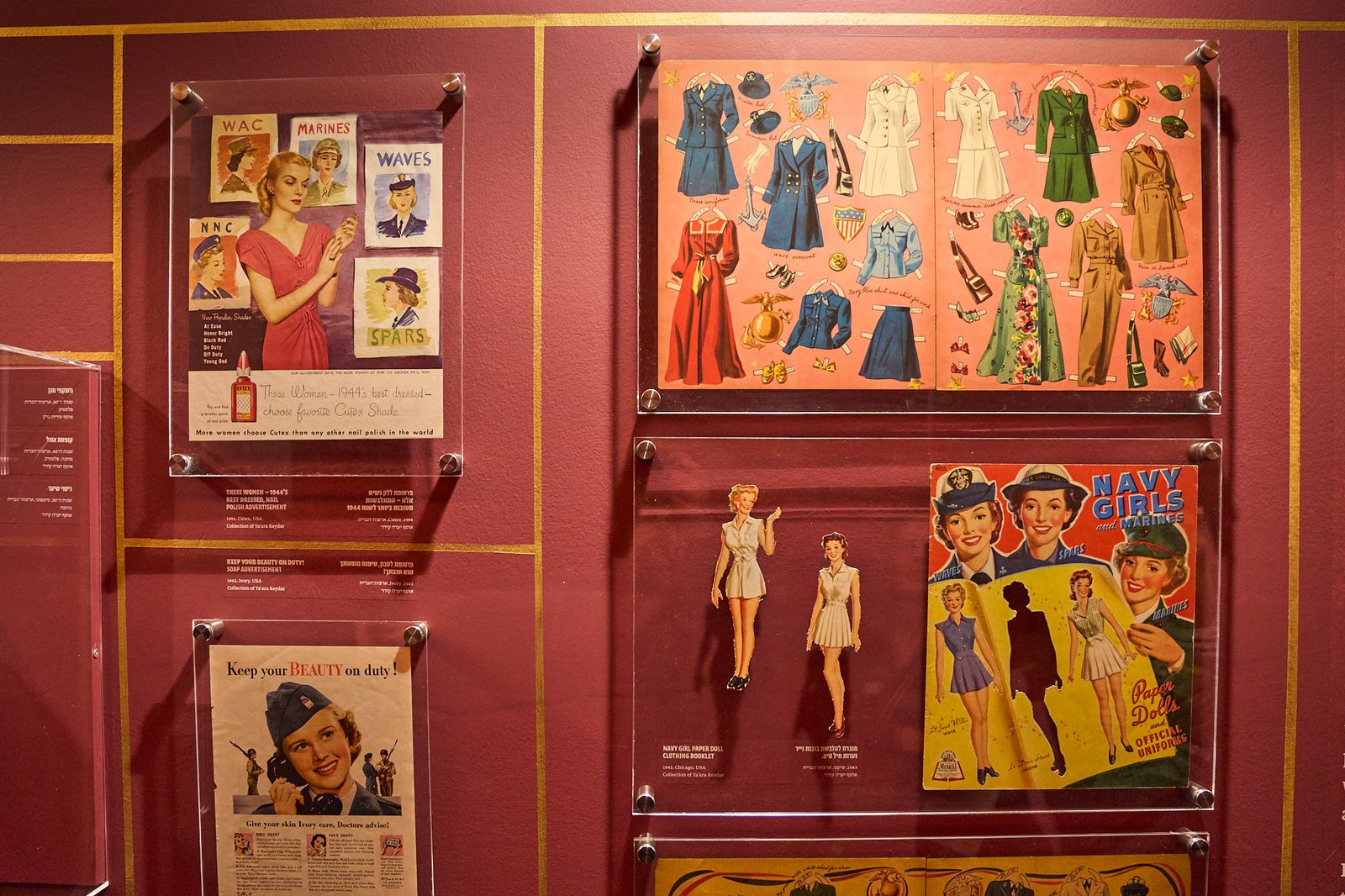
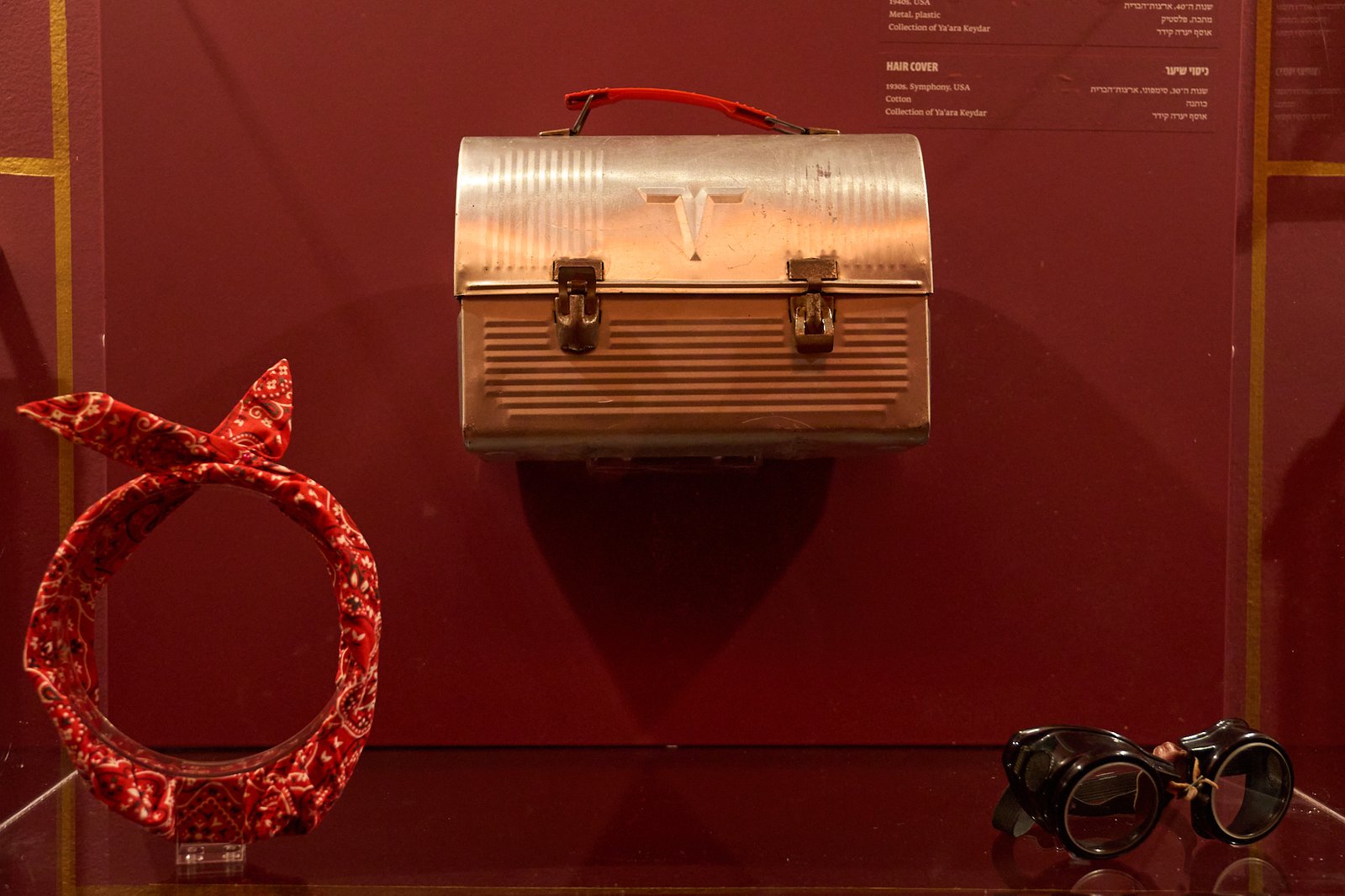
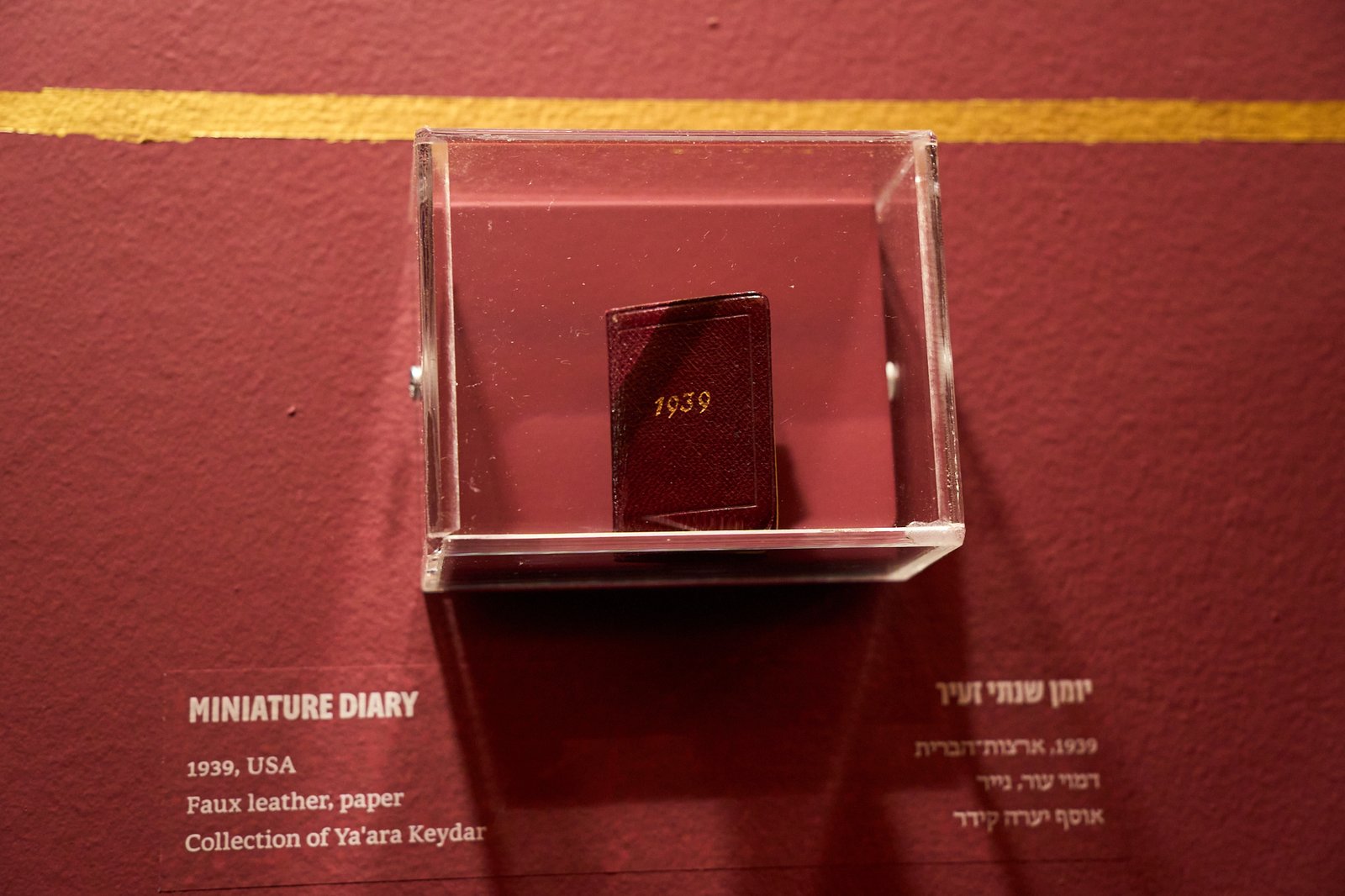
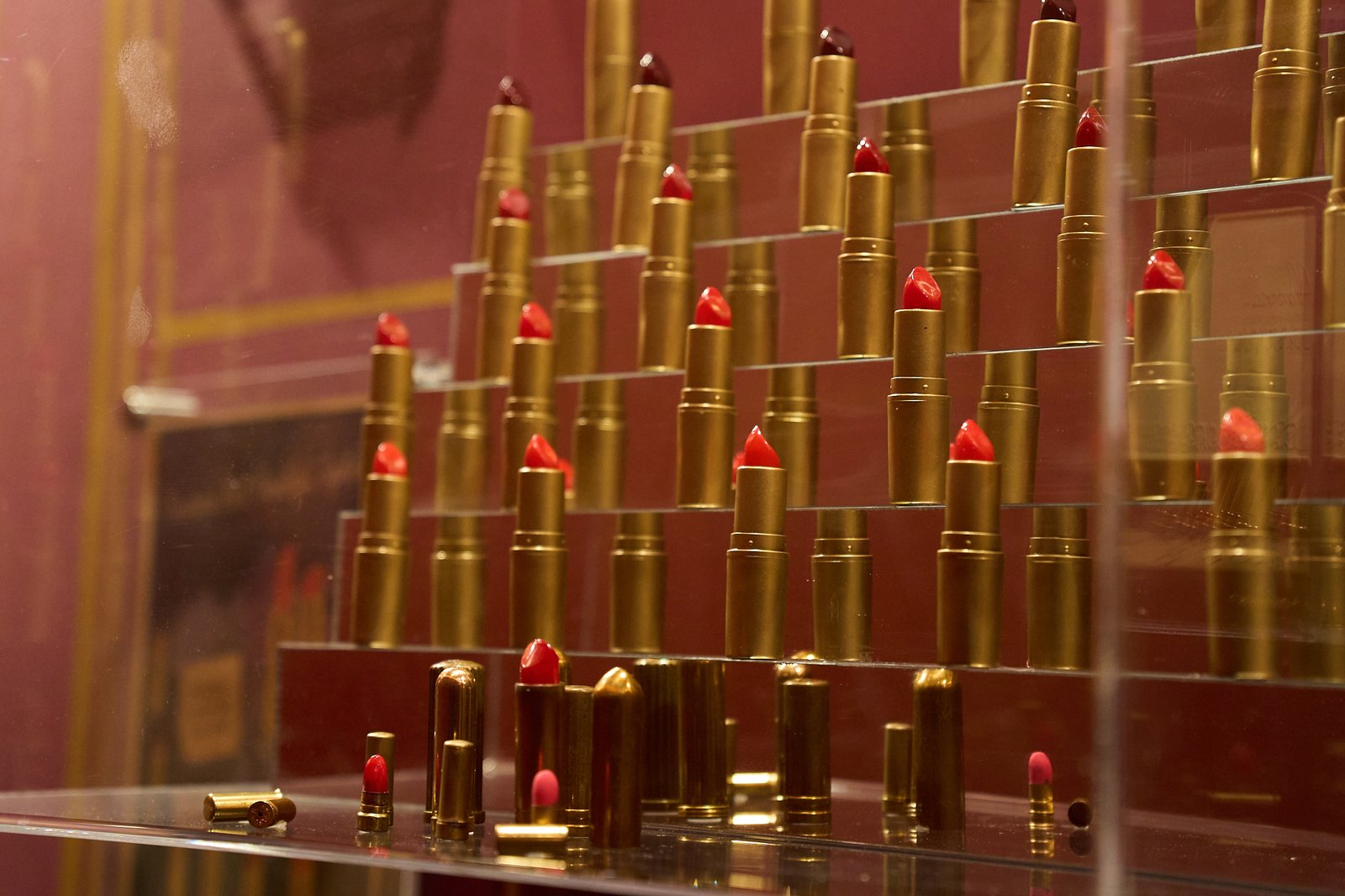
The exhibition continues with “Unarmed Warriors” in the museum’s problematic peripheral corridor, shaped in a curve. The walls are painted a reddish-clay color with gold details. Curated by Idit Barak — who also executed most of the reconstructions here, not always skillfully — the section focuses on women on the home front coping with WWII through fashion. You’ll find lipsticks, hats, small boxes, greeting cards, brooches, earrings, and 1940s stockings.
Almost all items are from curator Yaara Keydar’s private collection, raising a crucial question — what if she had drawn from other collections as well? Do all the items fulfill the curatorial promise?
Most of the pieces, however charming, were quickly forgotten after viewing. Had the curator focused on a single lens — technique, item type, color — it would have been easier for the average viewer, even without a design background, to retain and connect with the experience.
Then came the realization: like a documentary made by a director enamored with the subject, here too there was insufficient emotional distance. Most exhibits come from Keydar’s own collection, included perhaps due to circumstance.
גיבורות, מוזיאון העיצוב חולון, צילום - טל סולומון ורדי
גיבורות, מוזיאון העיצוב חולון, צילום - טל סולומון ורדי
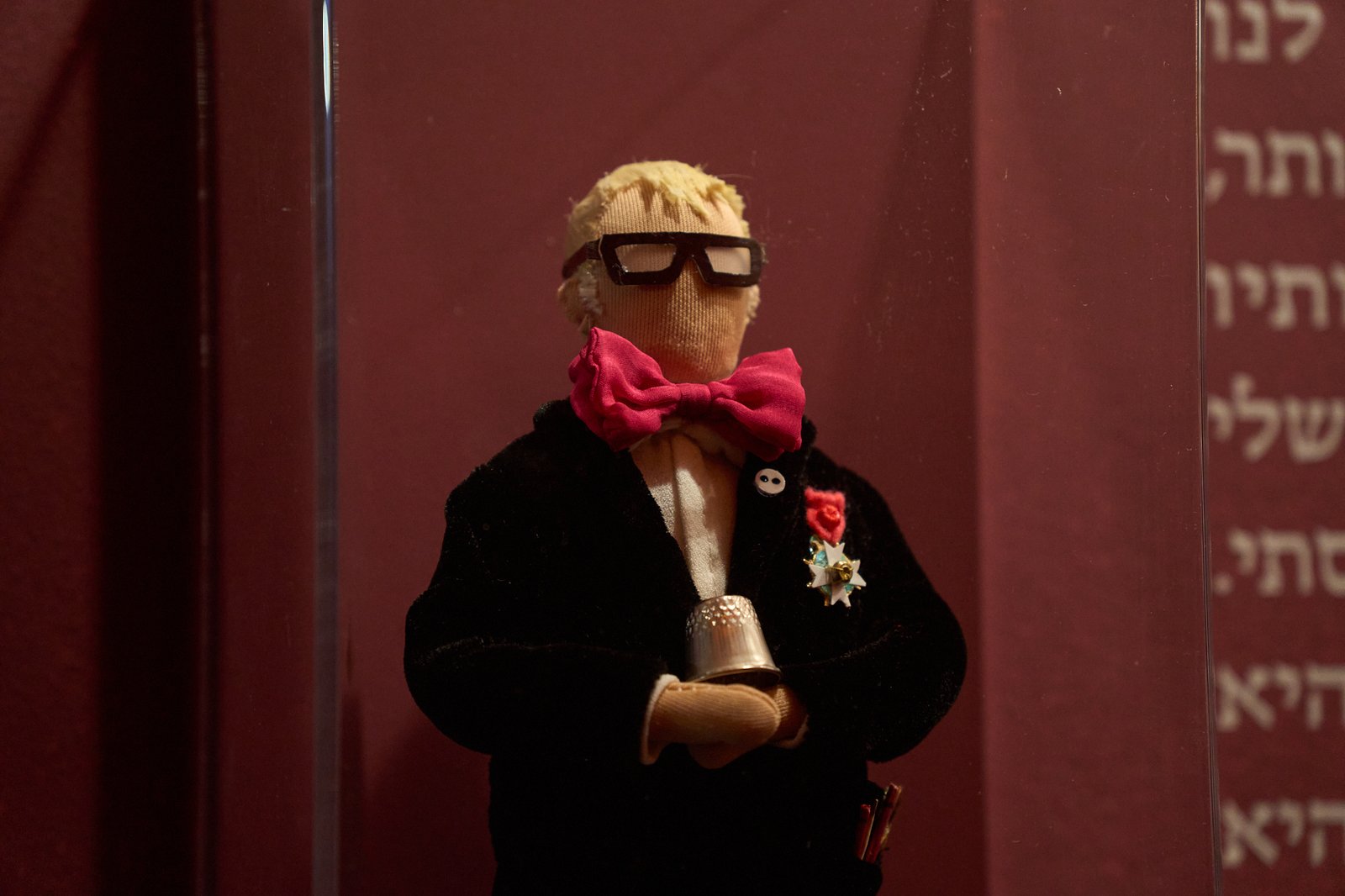
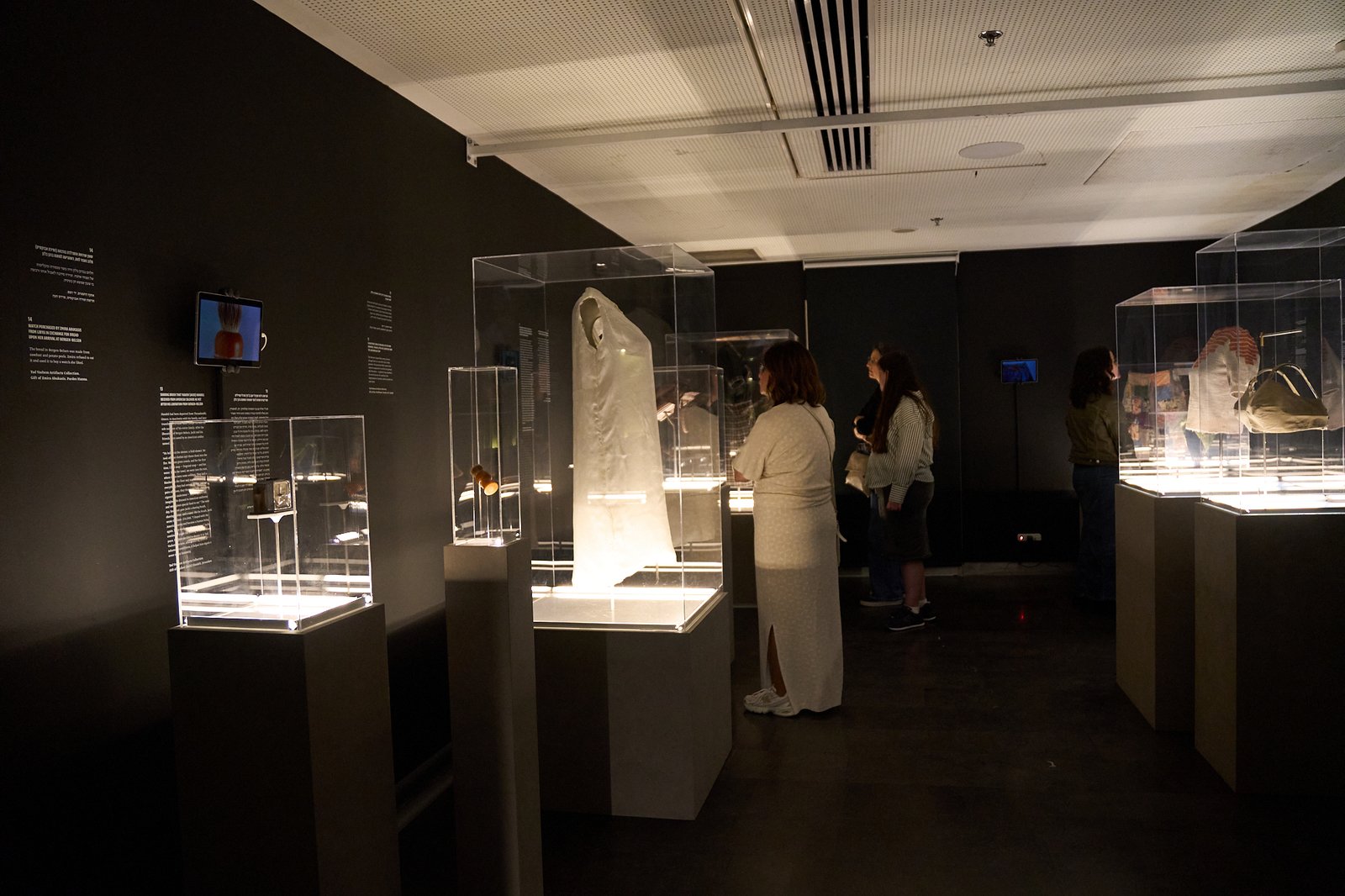
At the end of the corridor, closing with Alber Elbaz’s thimble — the exhibition’s starting point — we enter to a dark gallery housing 14 garments from the Yad Vashem collection. Among them: an improvised bra sewn from a coat lining, a pendant sculpted from bread, and a belt made from electrical wires. The quiet atmosphere, free of excessive scenography, allows for intimate observation, circling the items, imagining their stories — one of the more moving moments of the visit.
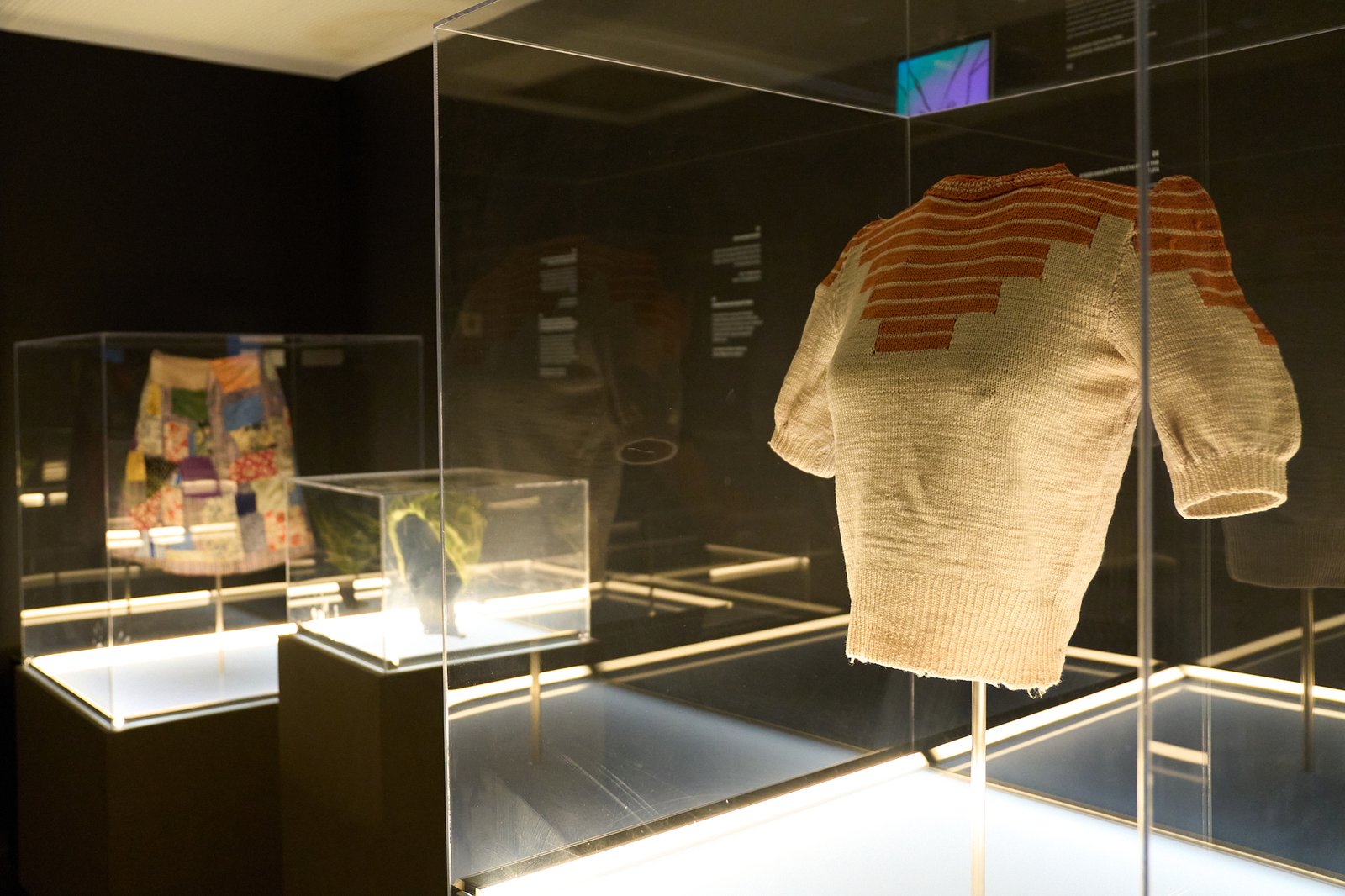
The upper gallery is dedicated to life after the war. It begins with colorful sewn textile patches that aren’t visually compelling and are easy to overlook.
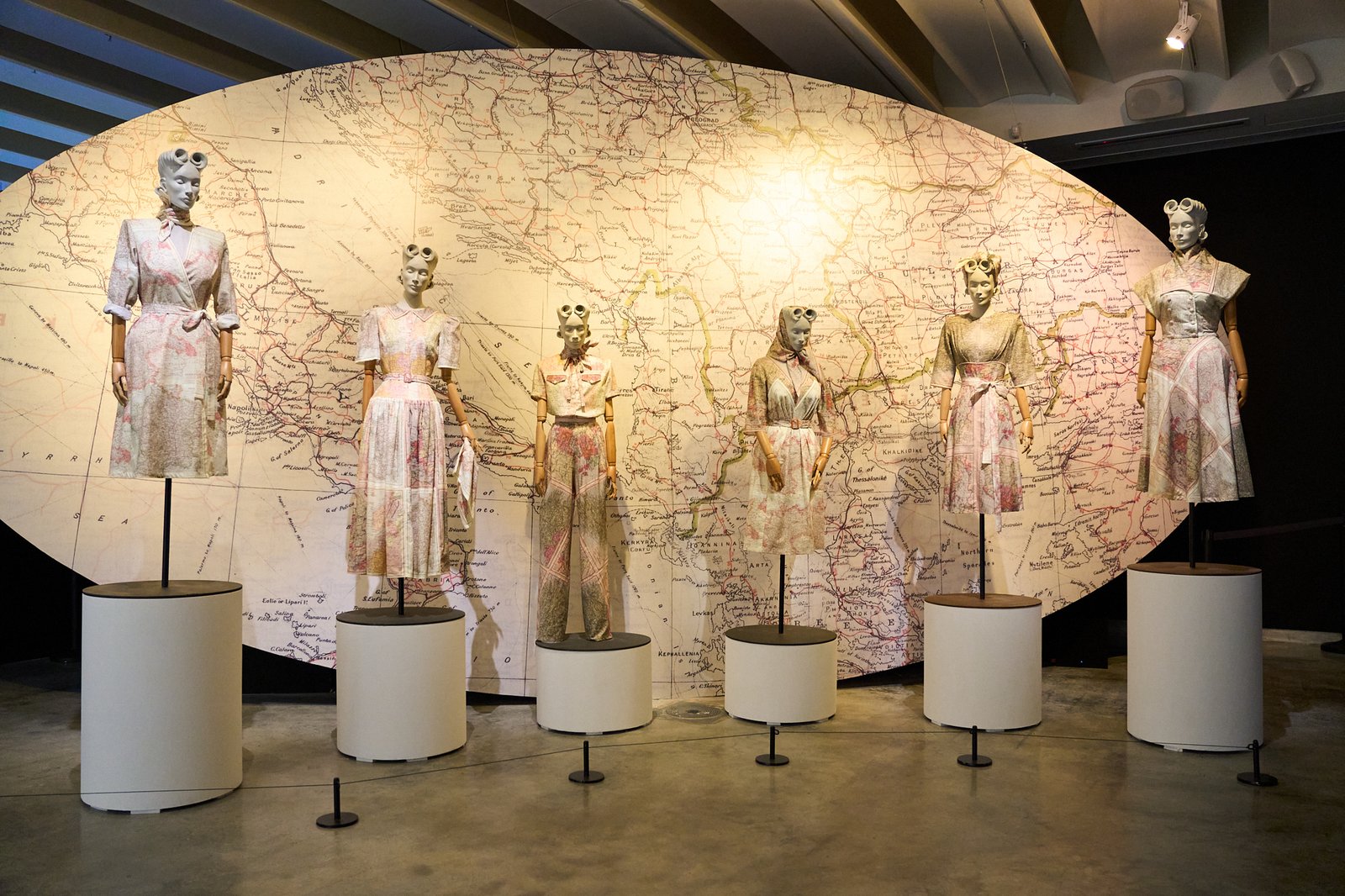
It continues with “Around the World: From Escape Maps to Couture”, displaying six dresses made of silk-printed maps based on 1940s designs. The inspiration came from waterproof, durable escape maps used by Allied pilots and soldiers. In post-war Britain, fabric shortages led to the reuse of these materials for dresses, skirting rationing restrictions. The dresses shown here are reproductions by Moni Mednik — not originals. Honestly? Disappointing.
גיבורות, מוזיאון העיצוב חולון, צילום - טל סולומון ורדי
גיבורות, מוזיאון העיצוב חולון, צילום - טל סולומון ורדי
Yes, the best newsletter in the Middle East
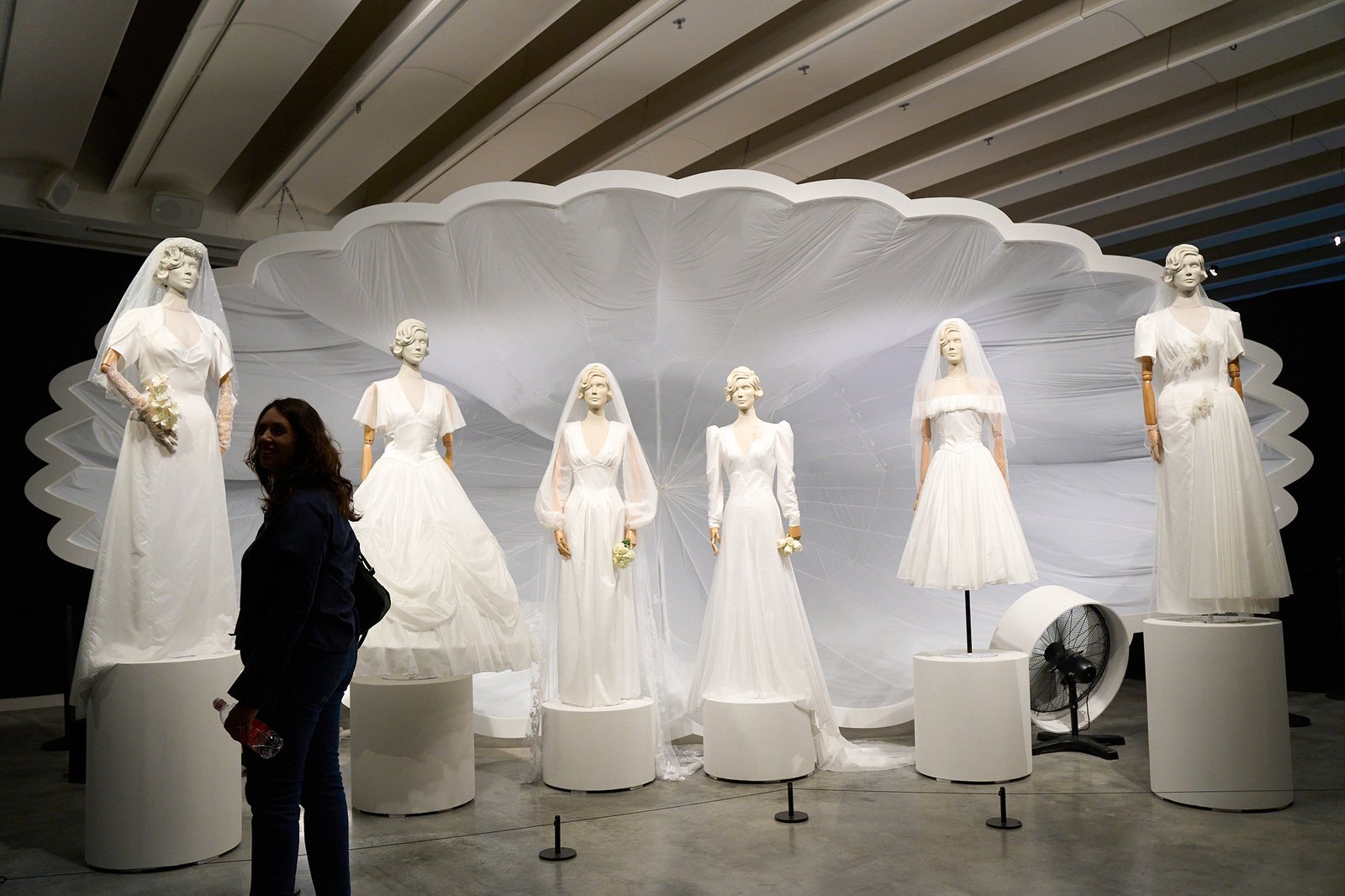
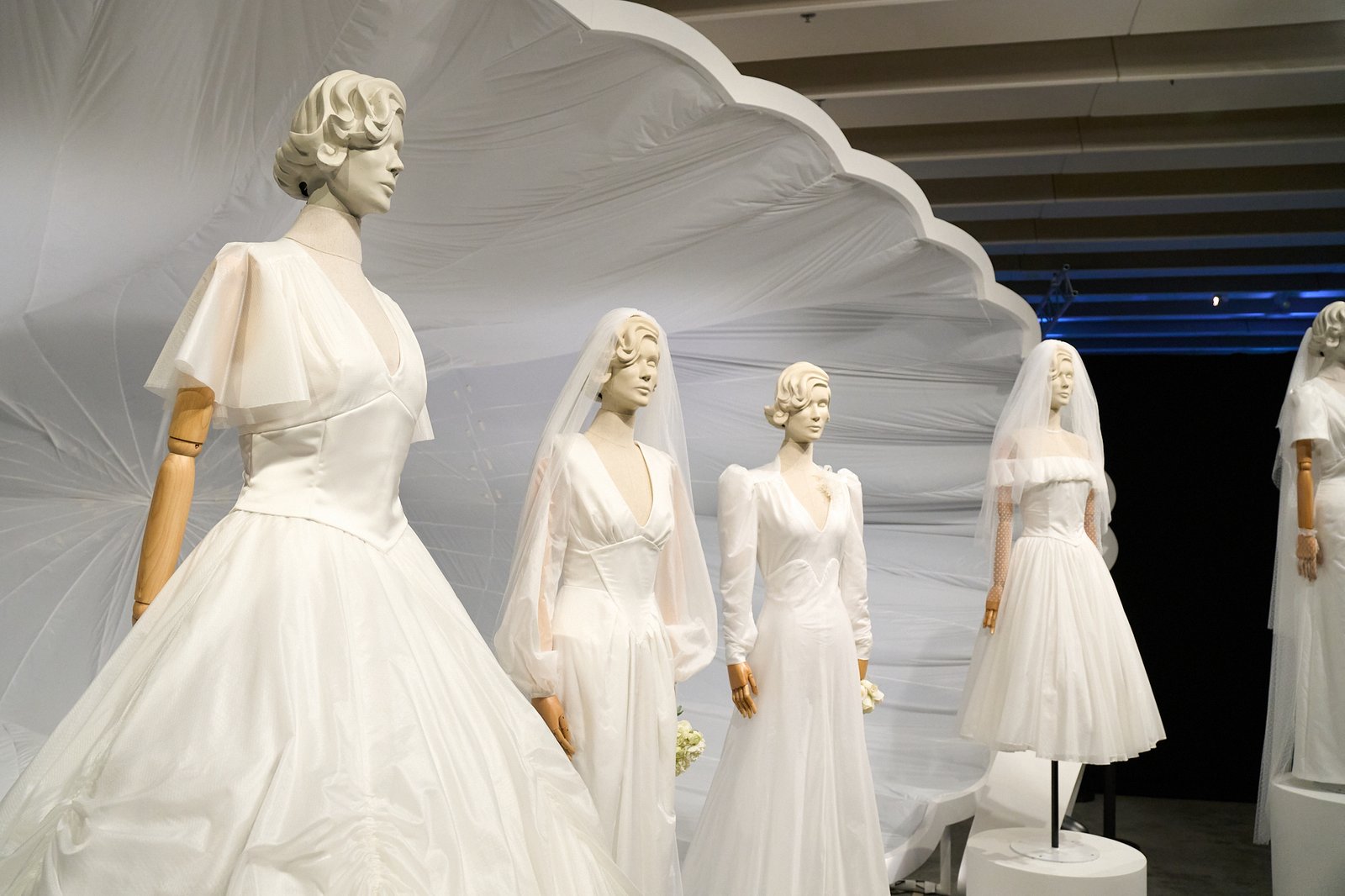
In the same space, “Make Love Not War” features six wedding gowns made from white parachute silk from the 1940s. Again, reproductions by Moni Mednik, not authentic period costumes, with a large white parachute as backdrop. The choice is understandable — but the amount of reproductions in the exhibition is excessive.
גיבורות, מוזיאון העיצוב חולון, צילום - טל סולומון ורדי
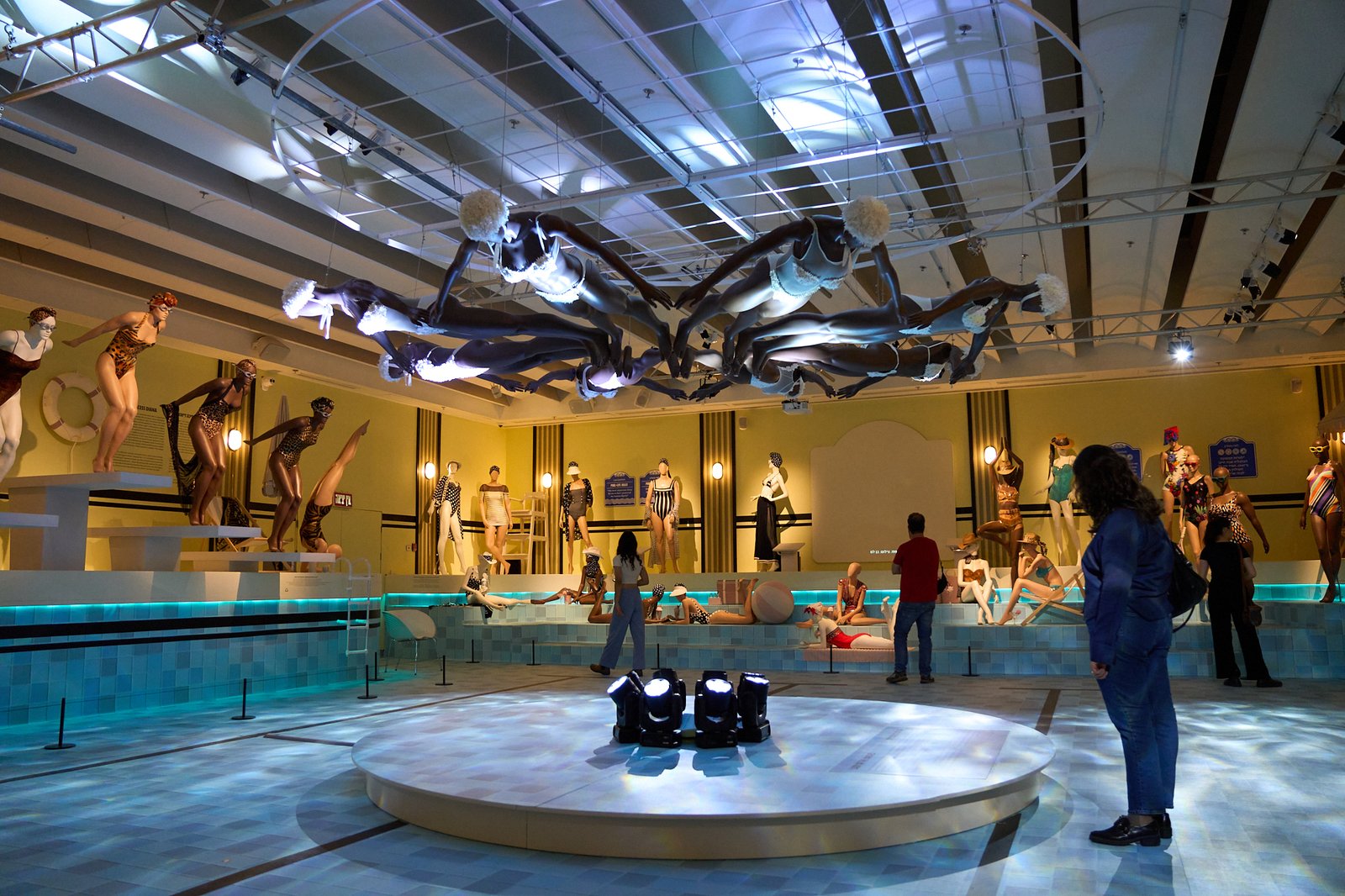
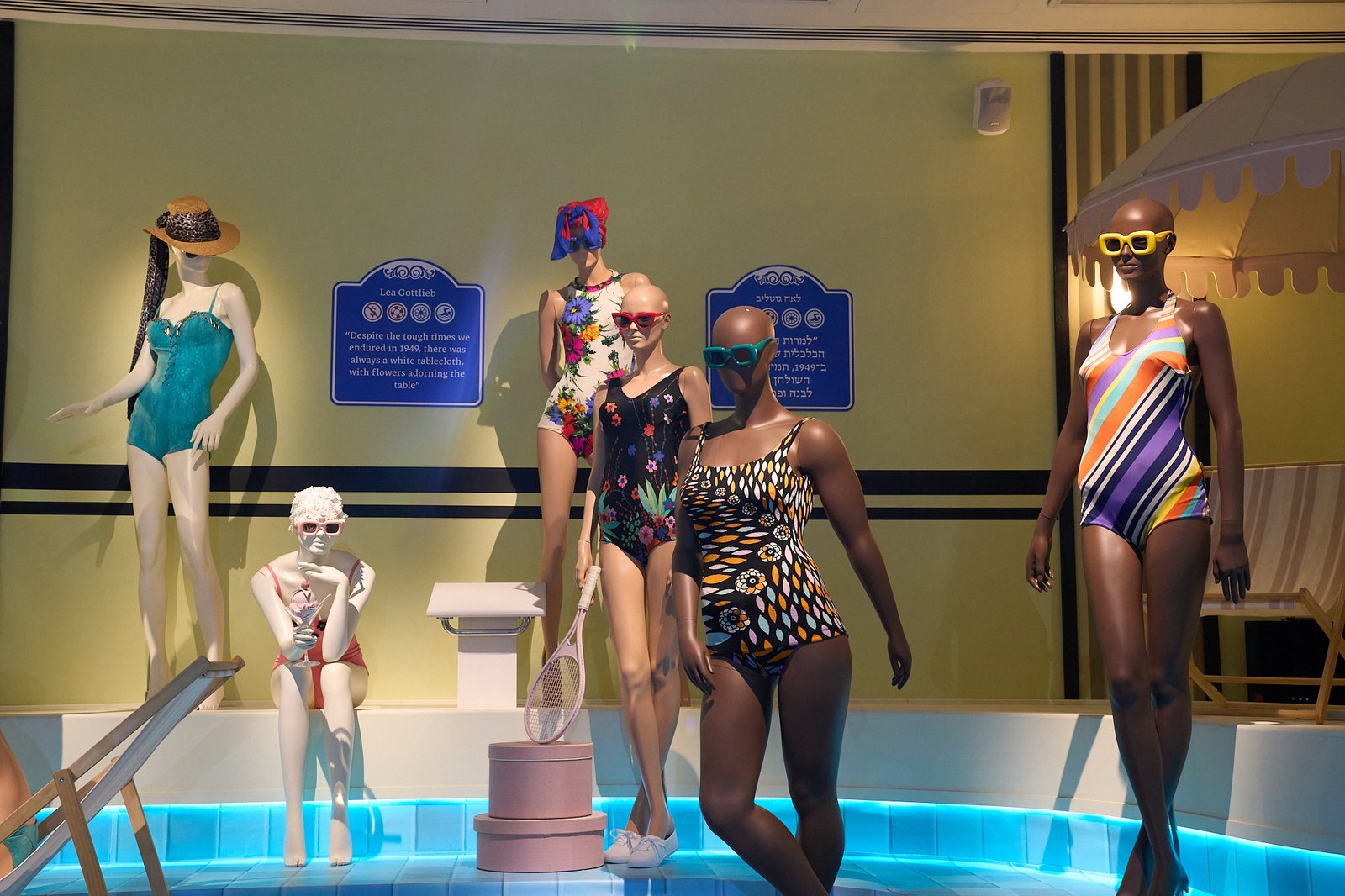
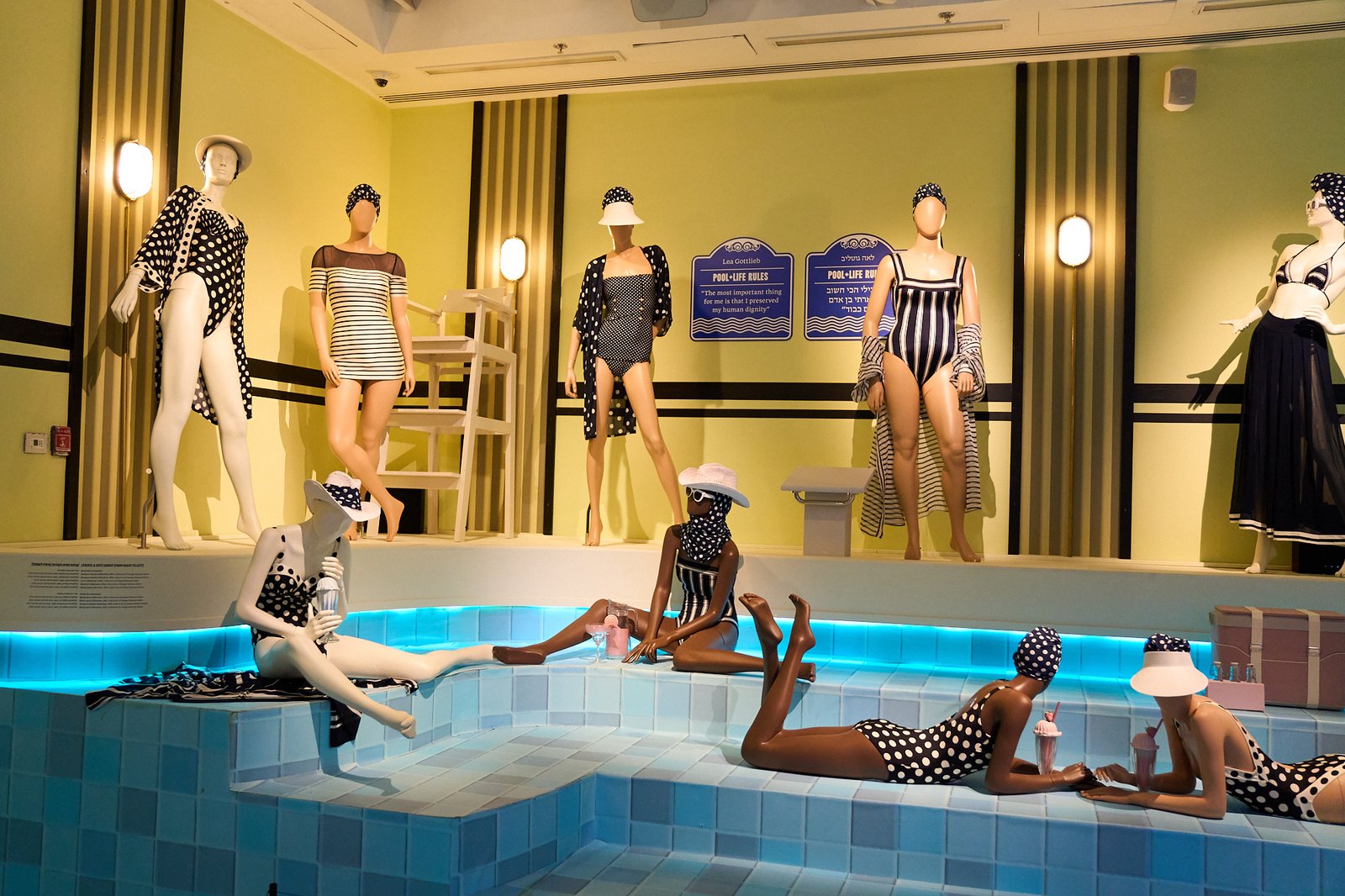
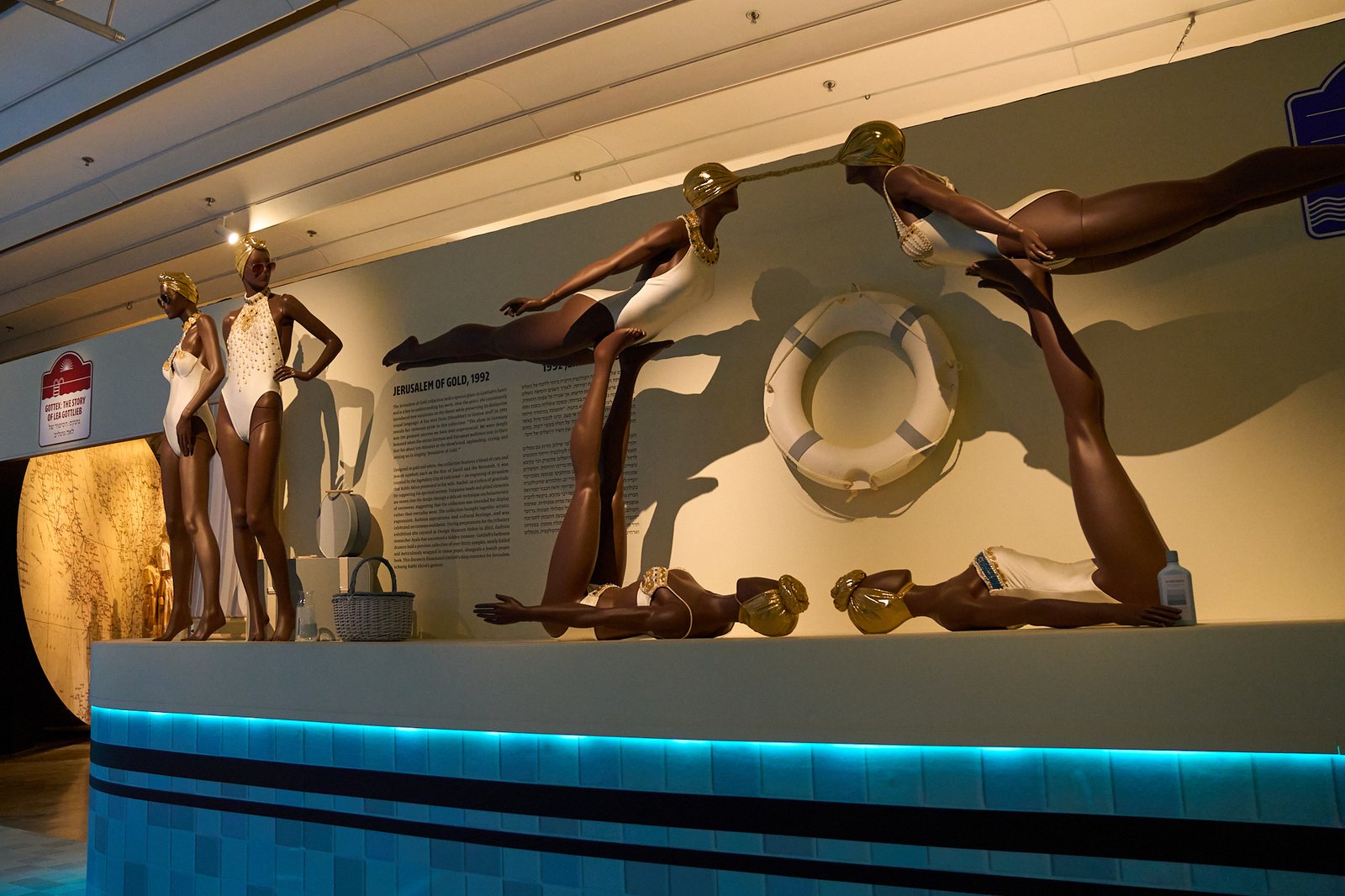
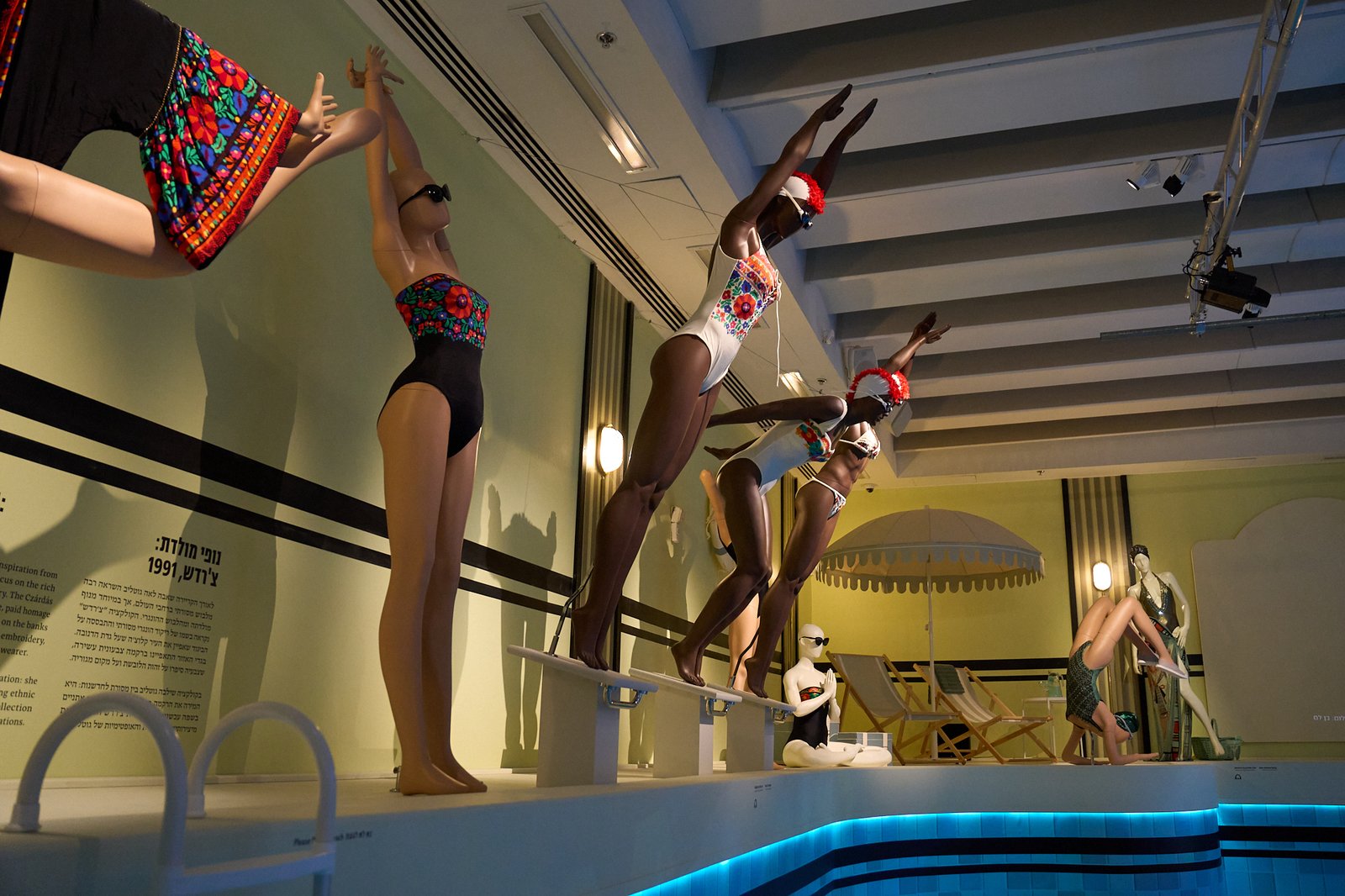
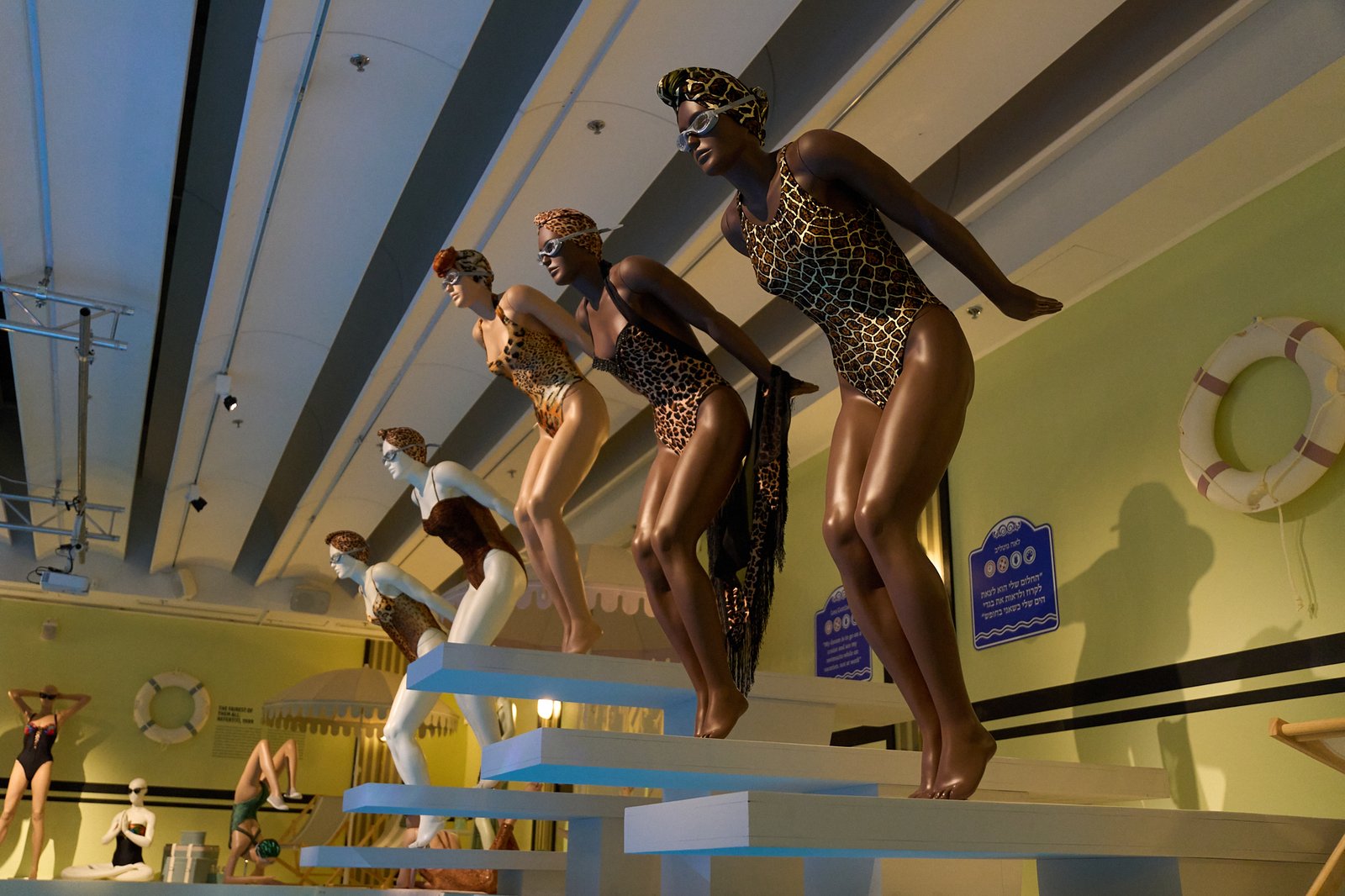
The exhibition’s climax arrives at the end with Gottex — set in a large swimming pool, surrounded by women in colorful swimsuits, with equal representation of skin tones and body sizes. The spatial design celebrates the life of the late fashion designer Lea Gottlieb, a Holocaust survivor and a pillar of Israeli fashion.
Despite the space’s potential, if it had been a little less “noisy” and allowed more room for the dazzling garments, it could have closed the exhibition on a stronger note.
Many of the exhibits are hung too high or too far away, making it difficult to see the details and stitching of the swimsuits. The strangest curatorial choice was placing mannequins in white swimsuits floating on the water — ending up looking more like a pile of corpses in the center of the pool.
Curator Yaara Keydar had great success with previous exhibitions at the Design Museum Holon — Alber Elbaz (2022), The Ball (2021), and Ronit Elkabetz (2018) — which presented a fresh and captivating perspective. “Heroines” had the potential to be a successful exhibition, but Keydar’s personal proximity to the subject (her parents are Holocaust survivors) and emotional attachment to her private collection led to curation that lacked strength and left little desire for more.