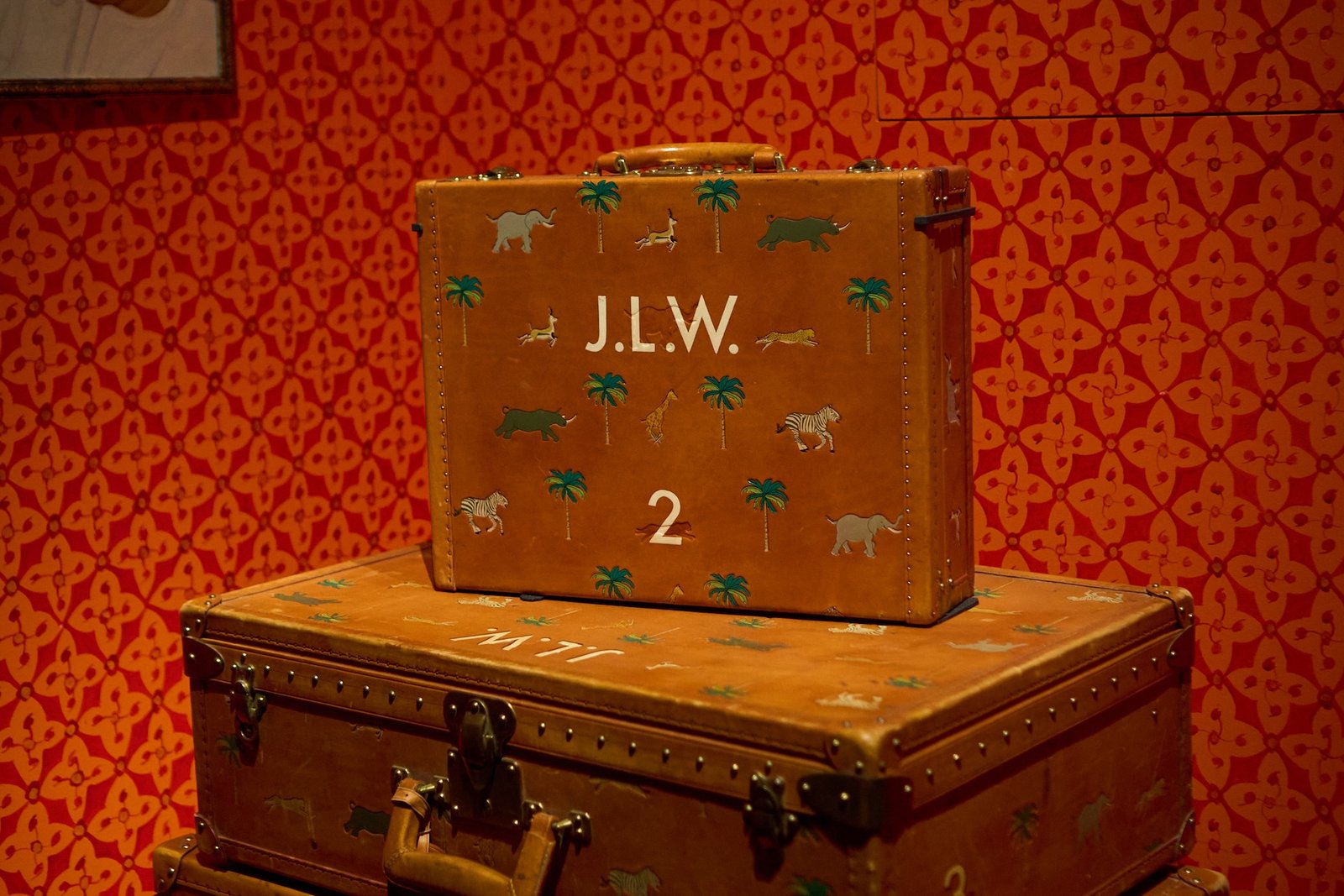
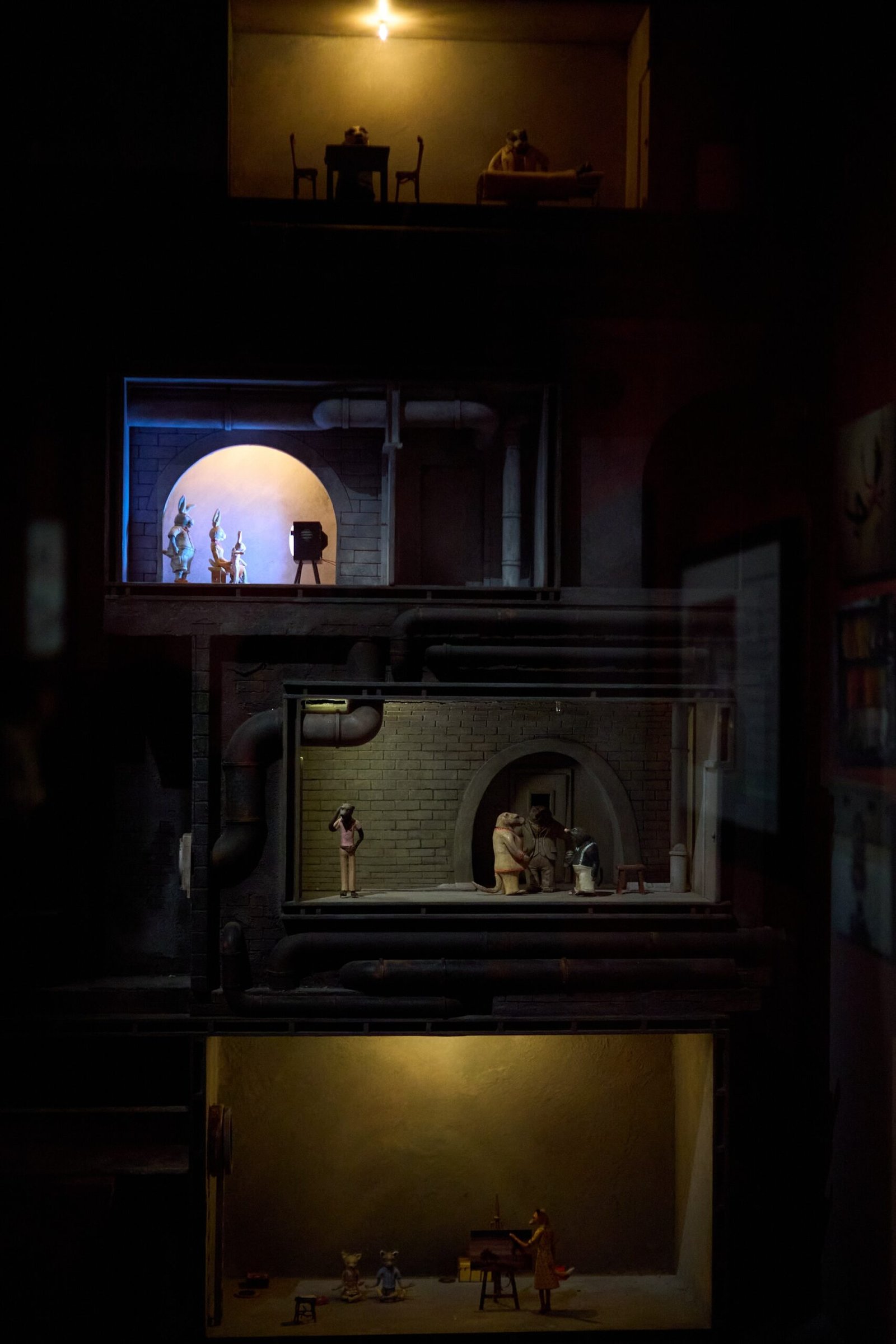
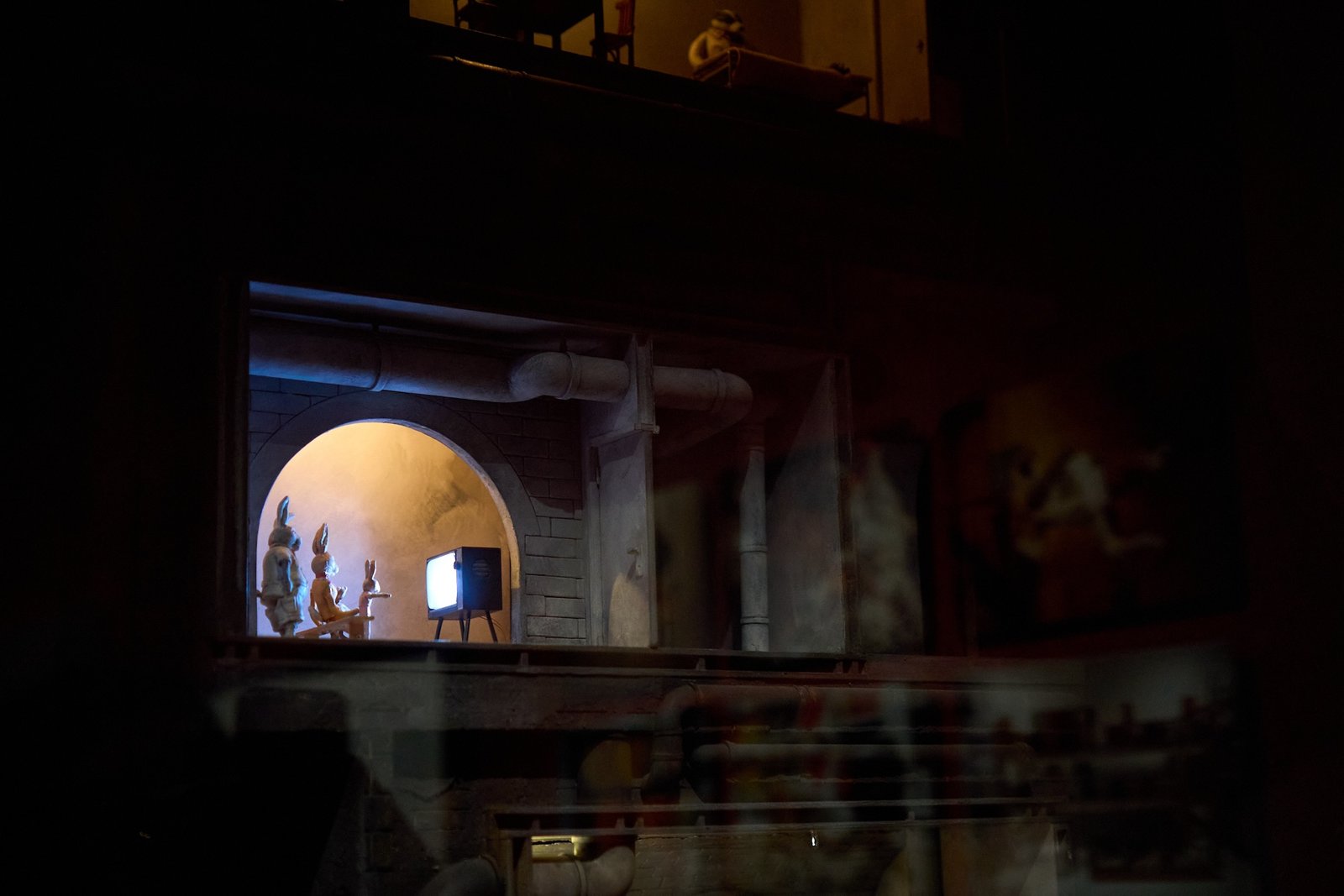
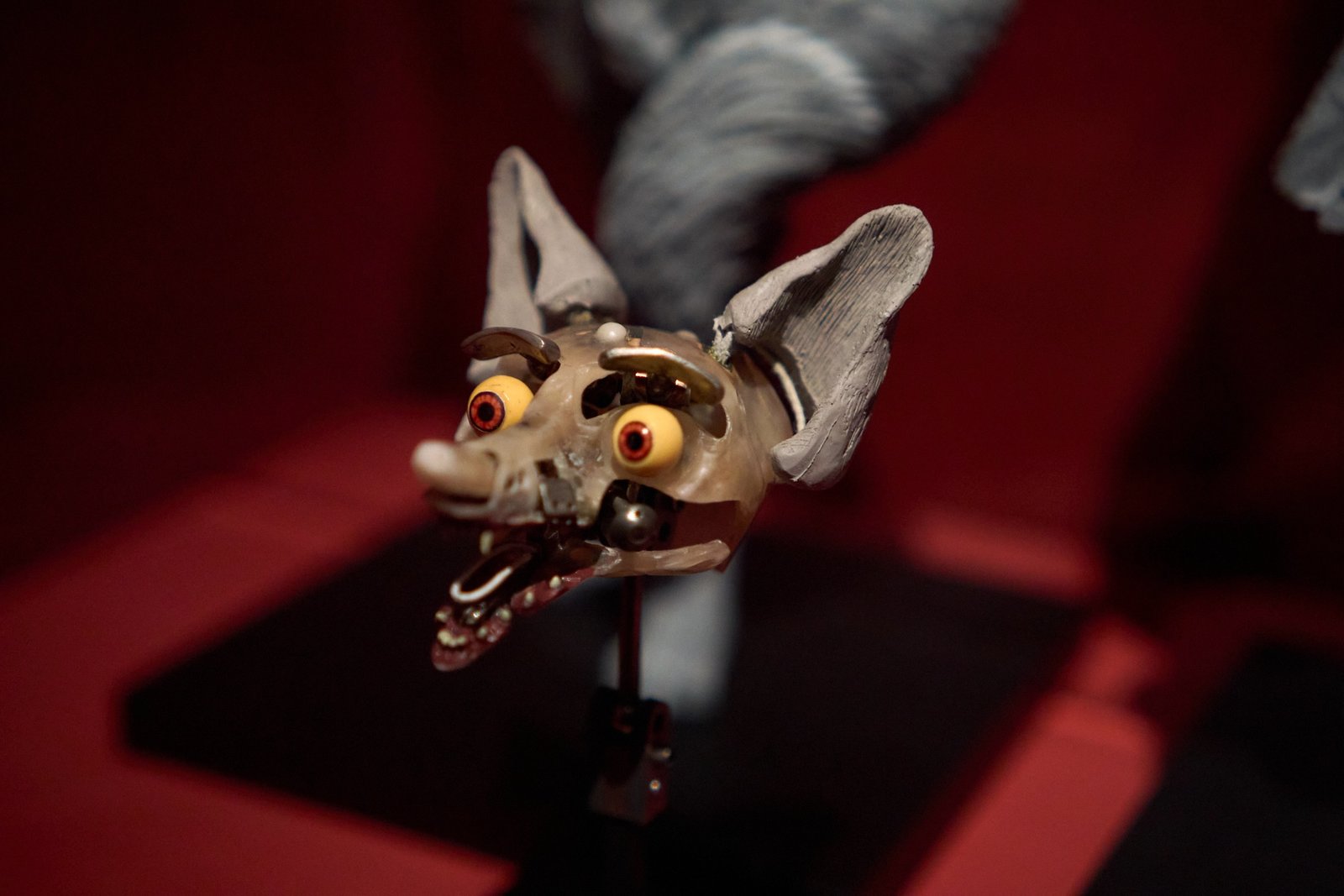
Wes Anderson Exhibition. Photo: Stéphane Dabrowski, La Cinémathèque française
The “Wes Anderson” exhibition at the Cinémathèque Française in Paris offers a rare glimpse into the cinematic world of the acclaimed director, featuring a personal collection that includes notebooks, sketches, props, costumes, and original sets from his films — all curated with meticulous care.
Entering the vibrant red space of the Cinémathèque, a maze of imagery, sketches, costumes, and props, didn’t prepare me for what was to come. This is an exhibition that demands time—not because it’s particularly long, but because of the sheer number of details, the level of craft, and the need for close observation to truly enjoy it. It has the rare qualities I saw in the thrilling 2019 Stanley Kubrick retrospective at the Design Museum in London, and it’s fair to draw a comparison—though Anderson seems like a more pleasant and approachable character.
Wes Anderson Exhibition. Photo: Stéphane Dabrowski, La Cinémathèque française
Wes Anderson Exhibition, photo by Tal Solomon Vardy
Two weeks ago, the Wes Anderson: The Archives exhibition opened for the first time with a festive launch, attended by the production team that has accompanied the director for the past three decades. It’s currently showing at the Cinémathèque in Paris and will travel to the Design Museum in London on November 21, 2025, where it will be expanded and shown until the summer of 2026, in collaboration between the two institutions. This month, a bilingual catalog featuring most of the exhibited items is being published, and from an early preview I received, it looks particularly captivating.
Wes Anderson Exhibition, photo by Tal Solomon Vardy
The exhibition starts chronologically through Wes Anderson’s filmography, then shifts to a thematic design department structure — a brilliant curatorial choice by Matthieu Orléan (Cinémathèque), Lucia Savi, and Johanna Agerman Ross (Design Museum London). Like his films, the exhibition is visually stunning.
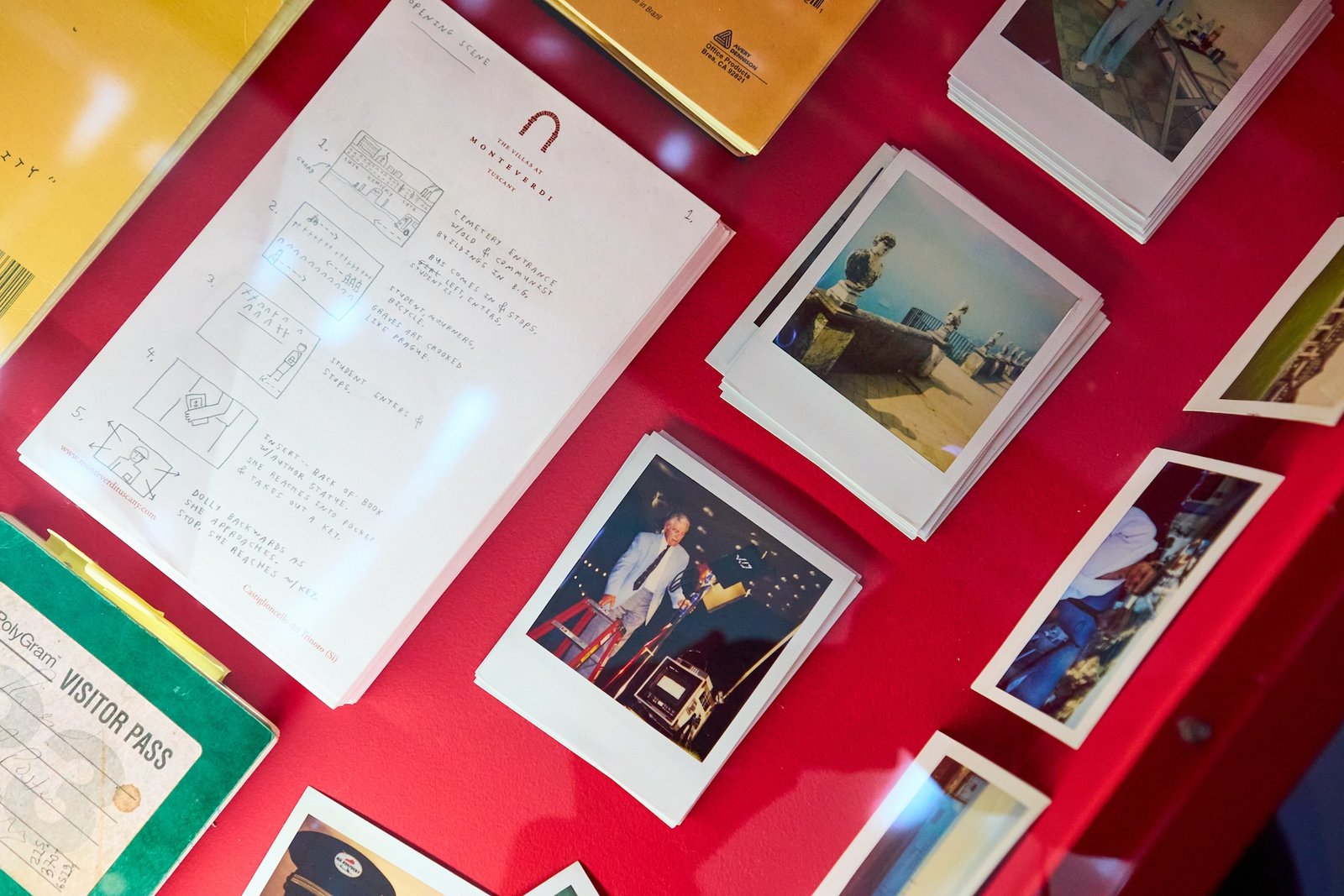
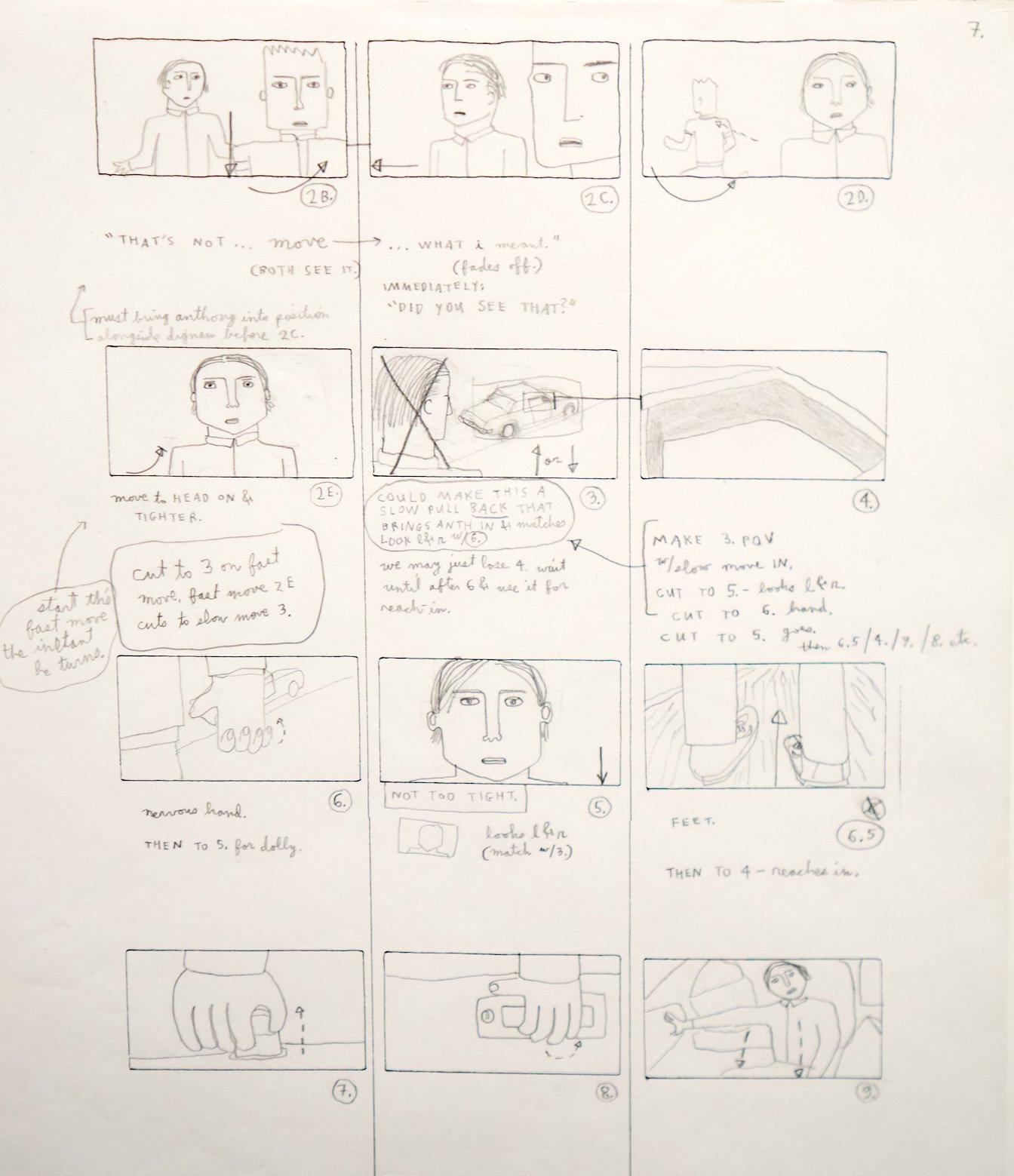
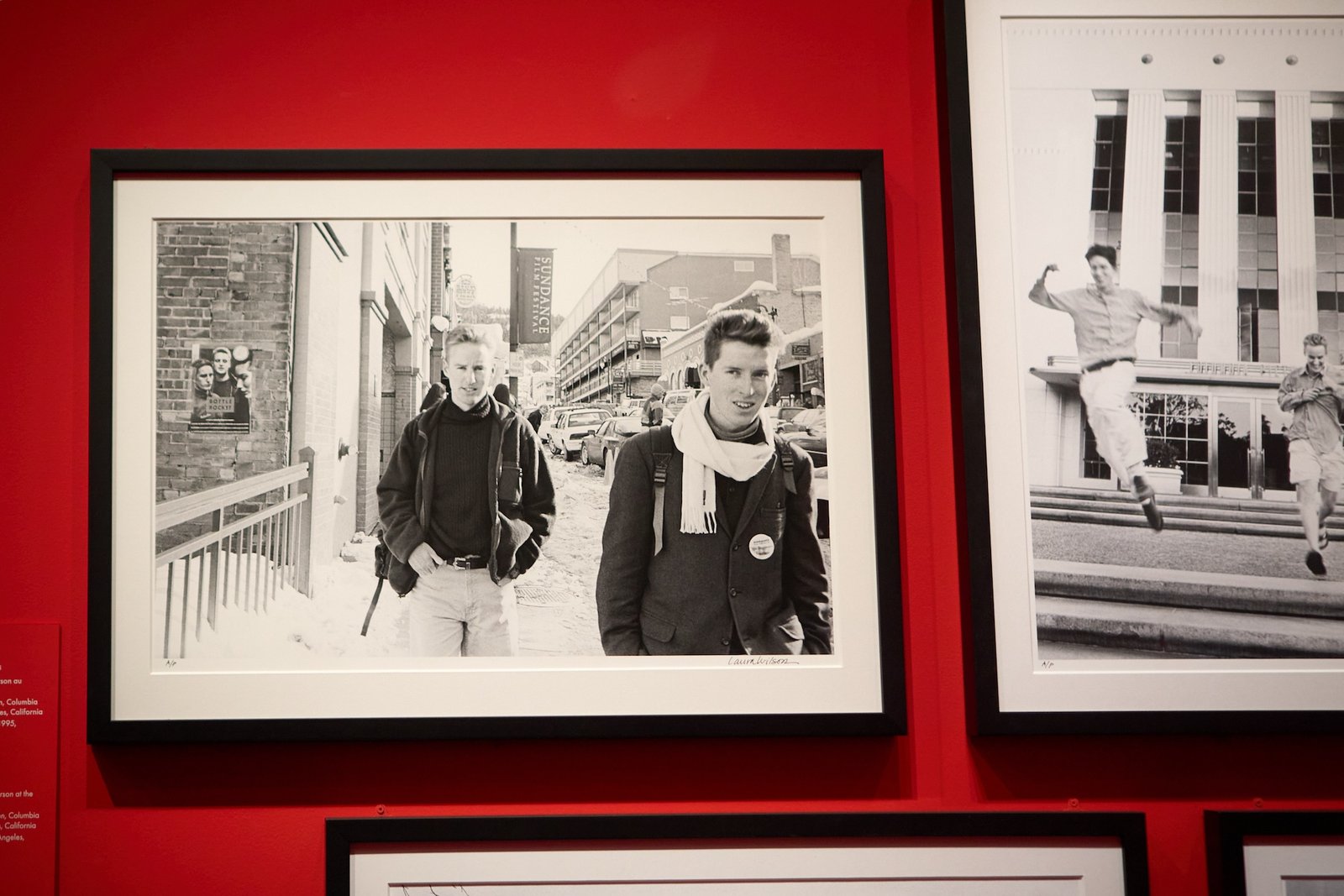
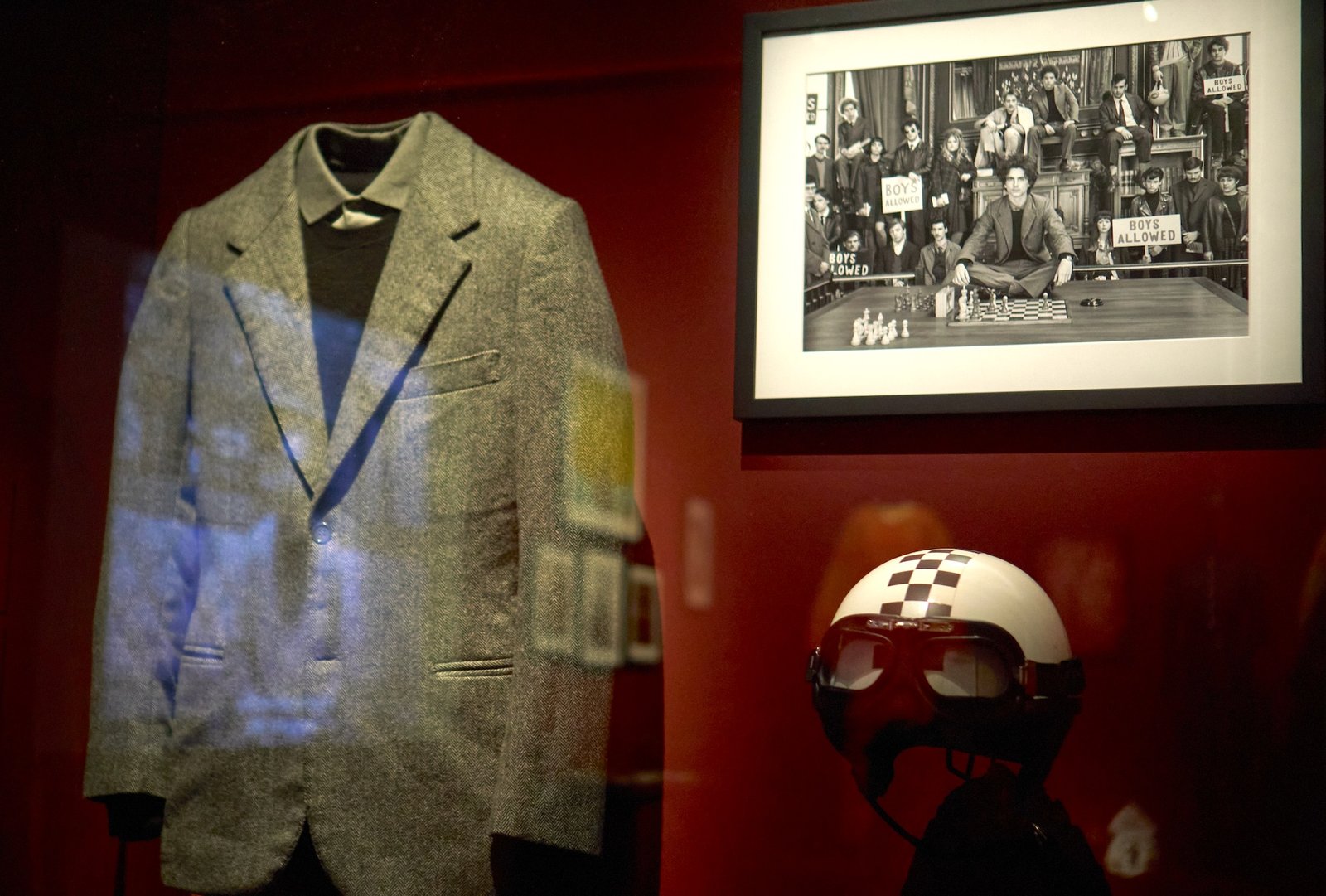
Each film’s visual world is recreated with varying scope: starting with Bottle Rocket (1993) and Anderson’s original hand-drawn storyboards, along with black-and-white production photos featuring actor and producer Owen Wilson, Anderson’s creative partner from the very beginning.
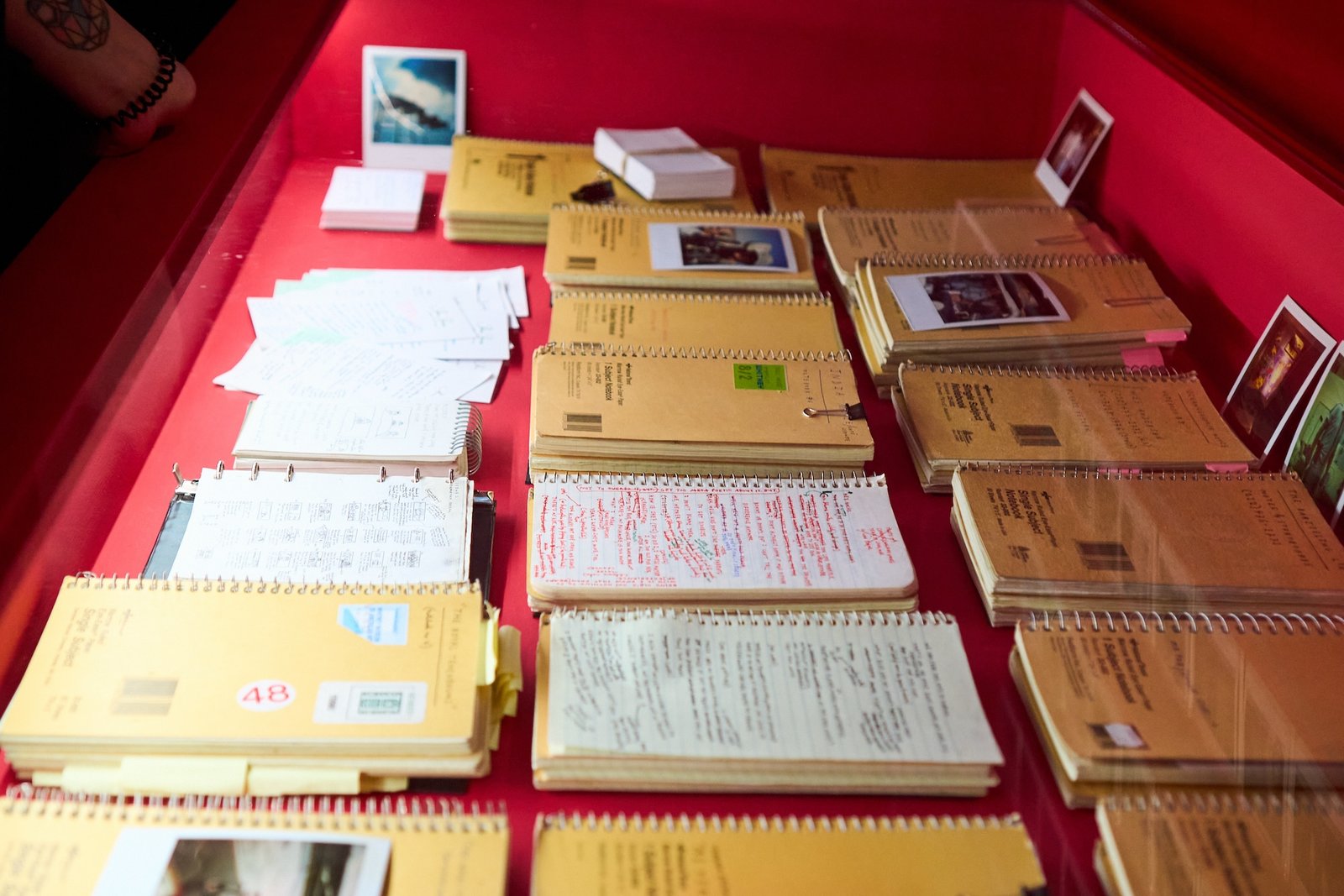
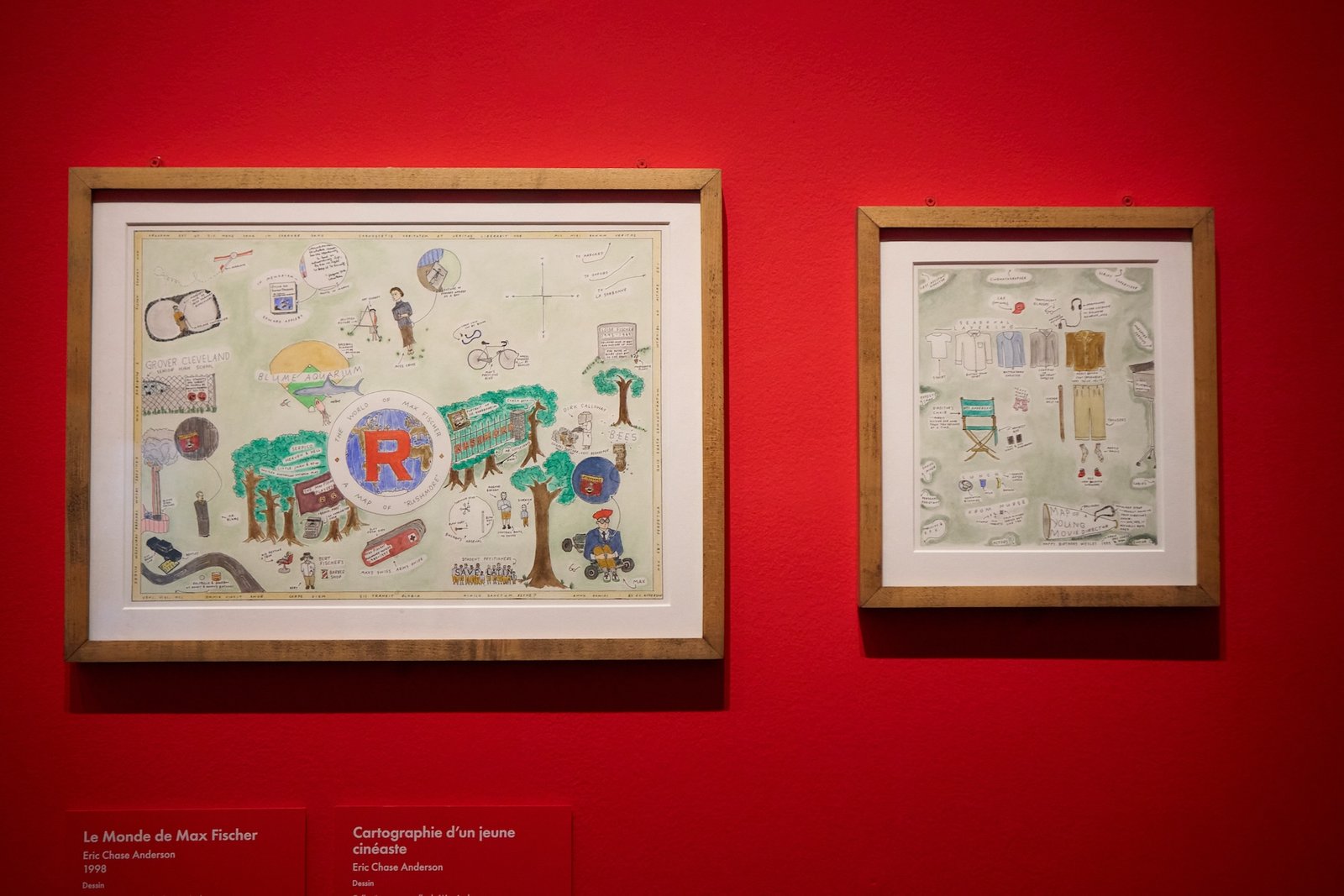
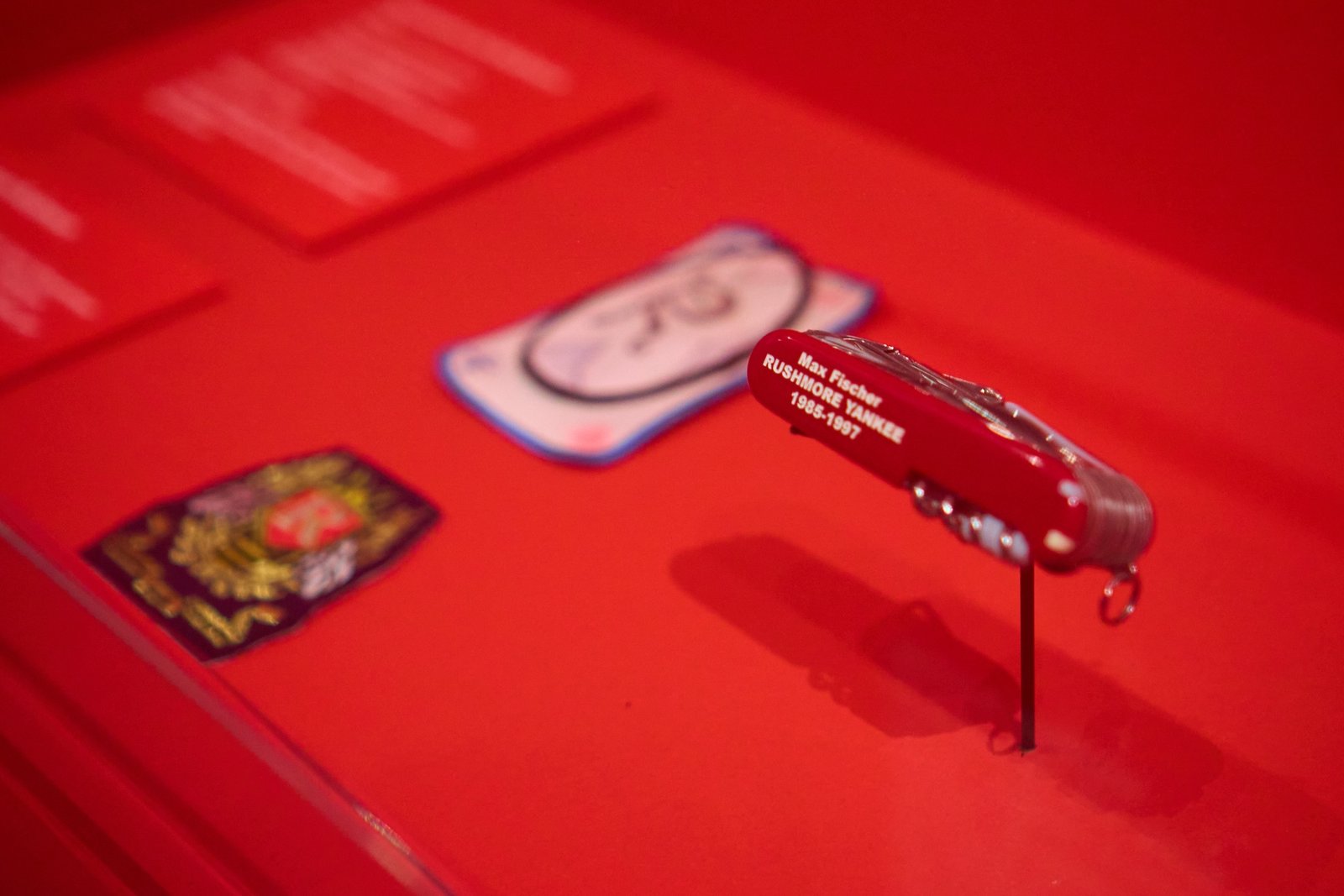
Next is Rushmore (1998), the breakout film—costumes, patches, Polaroids from behind the scenes, and the director’s spiral-bound lined notebooks filled with endless notes and doodles. Surprisingly, they’re not fancy or polished.
Wes Anderson Exhibition, photo by Tal Solomon Vardy
Wes Anderson Exhibition, photo by Tal Solomon Vardy
As time and budgets increase, so does the quality of Anderson’s production, with a rare ability to shift between live-action and stop-motion animation with remarkable skill.
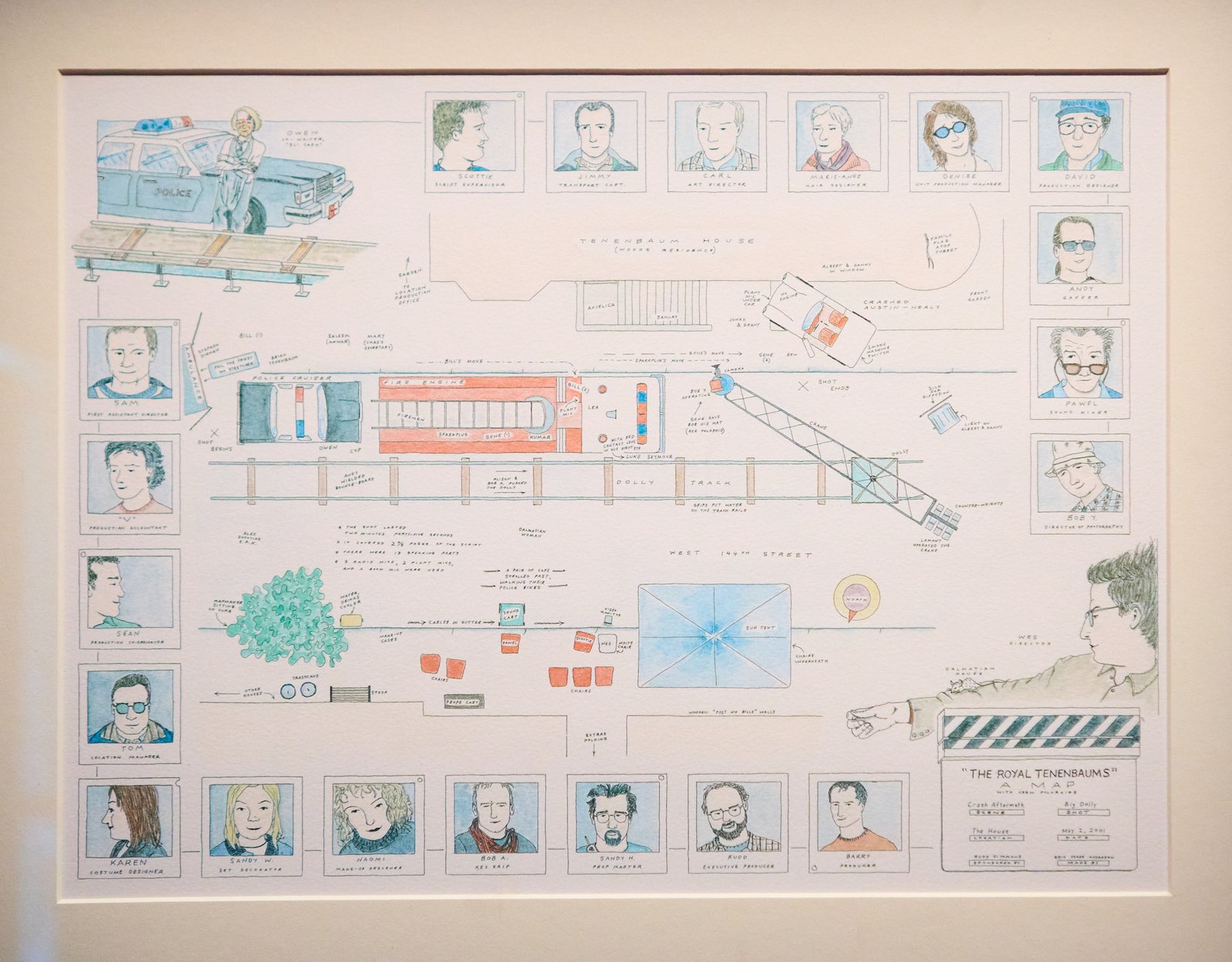
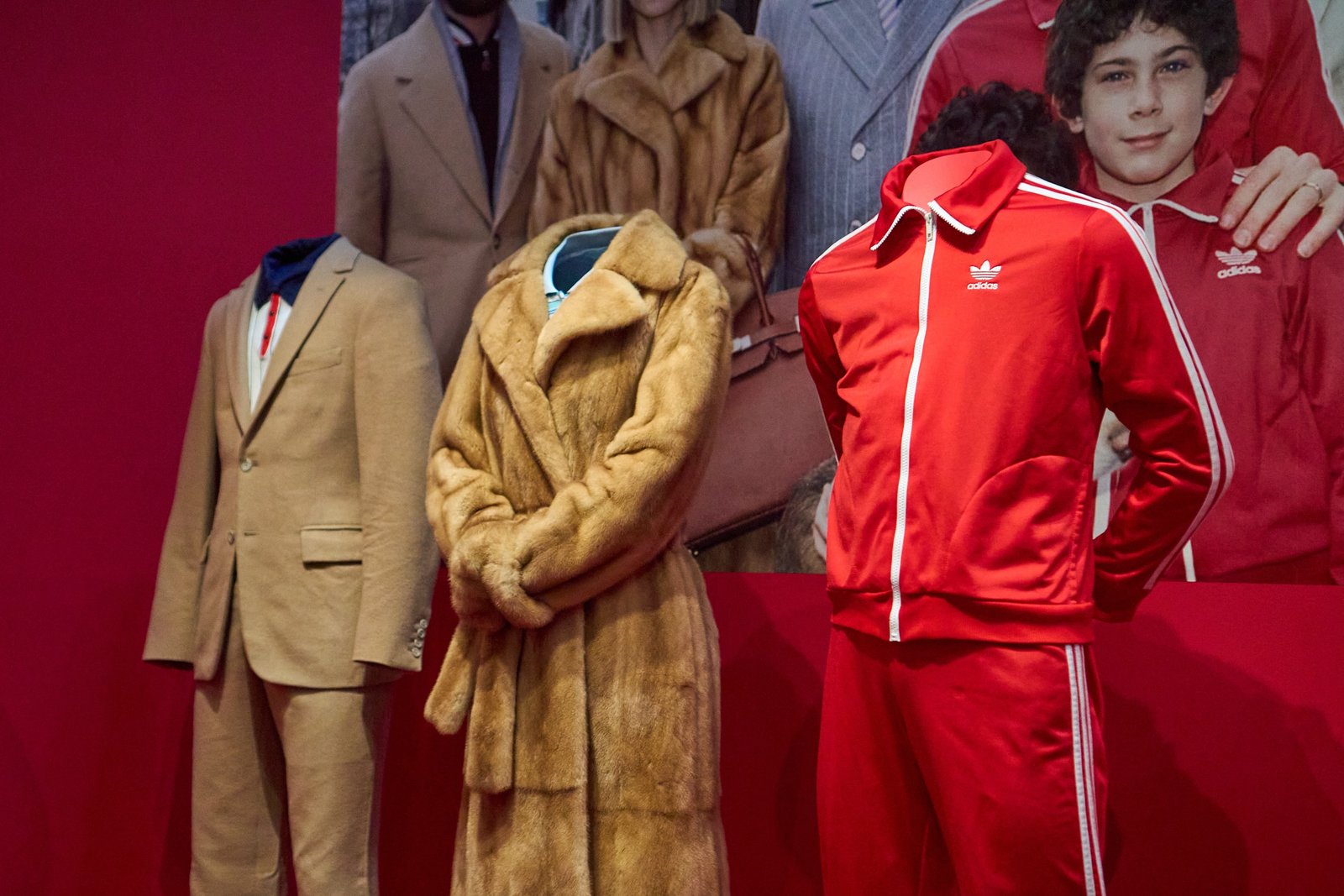
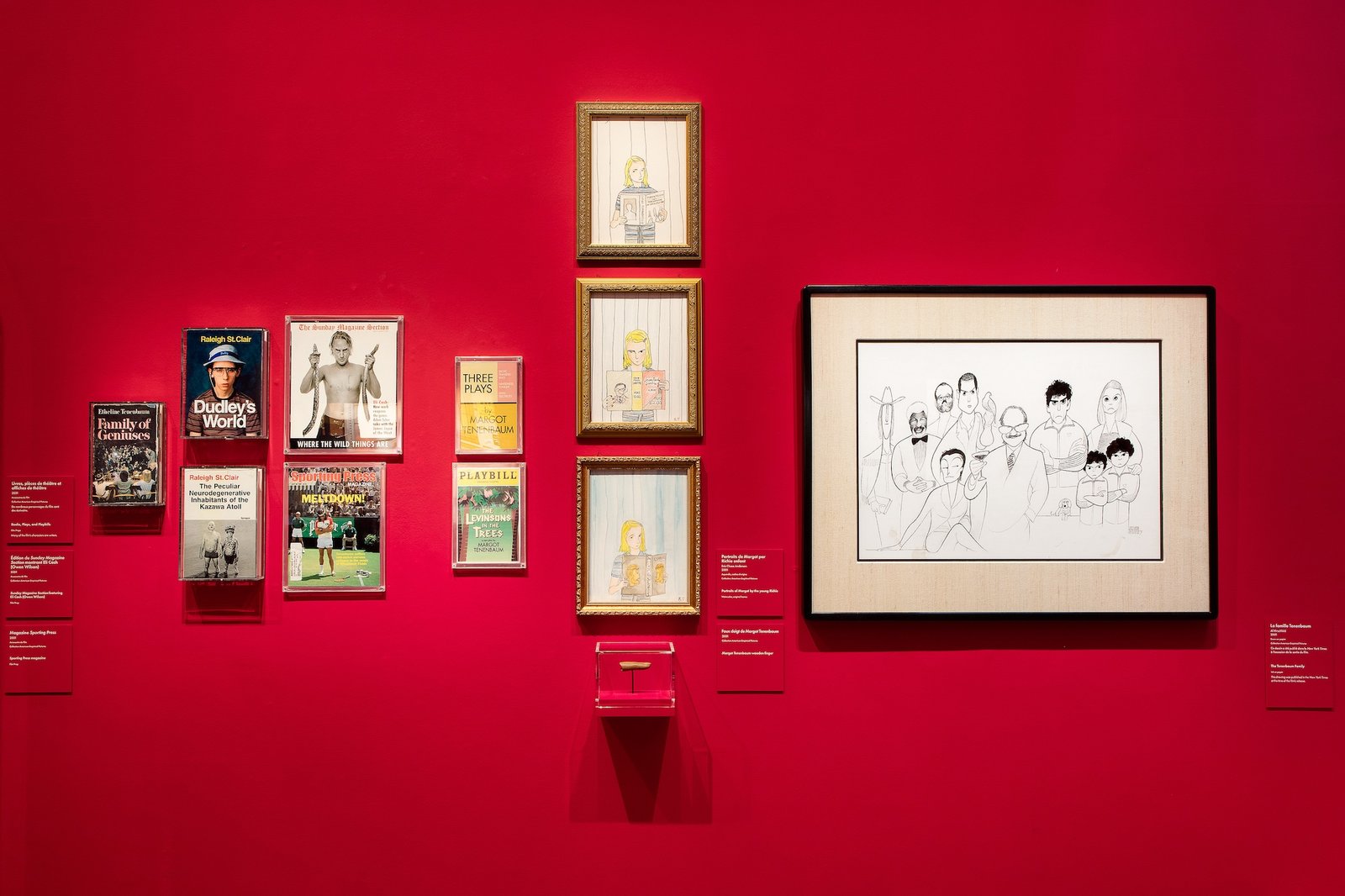
The exhibition continues with The Royal Tenenbaums (2001), featuring iconic costumes like Ben Stiller’s red Adidas tracksuit and Gwyneth Paltrow’s fur coat, alongside a screening of a film scene.
Wes Anderson Exhibition, photo by Tal Solomon Vardy
Wes Anderson Exhibition. Photo: Stéphane Dabrowski, La Cinémathèque française
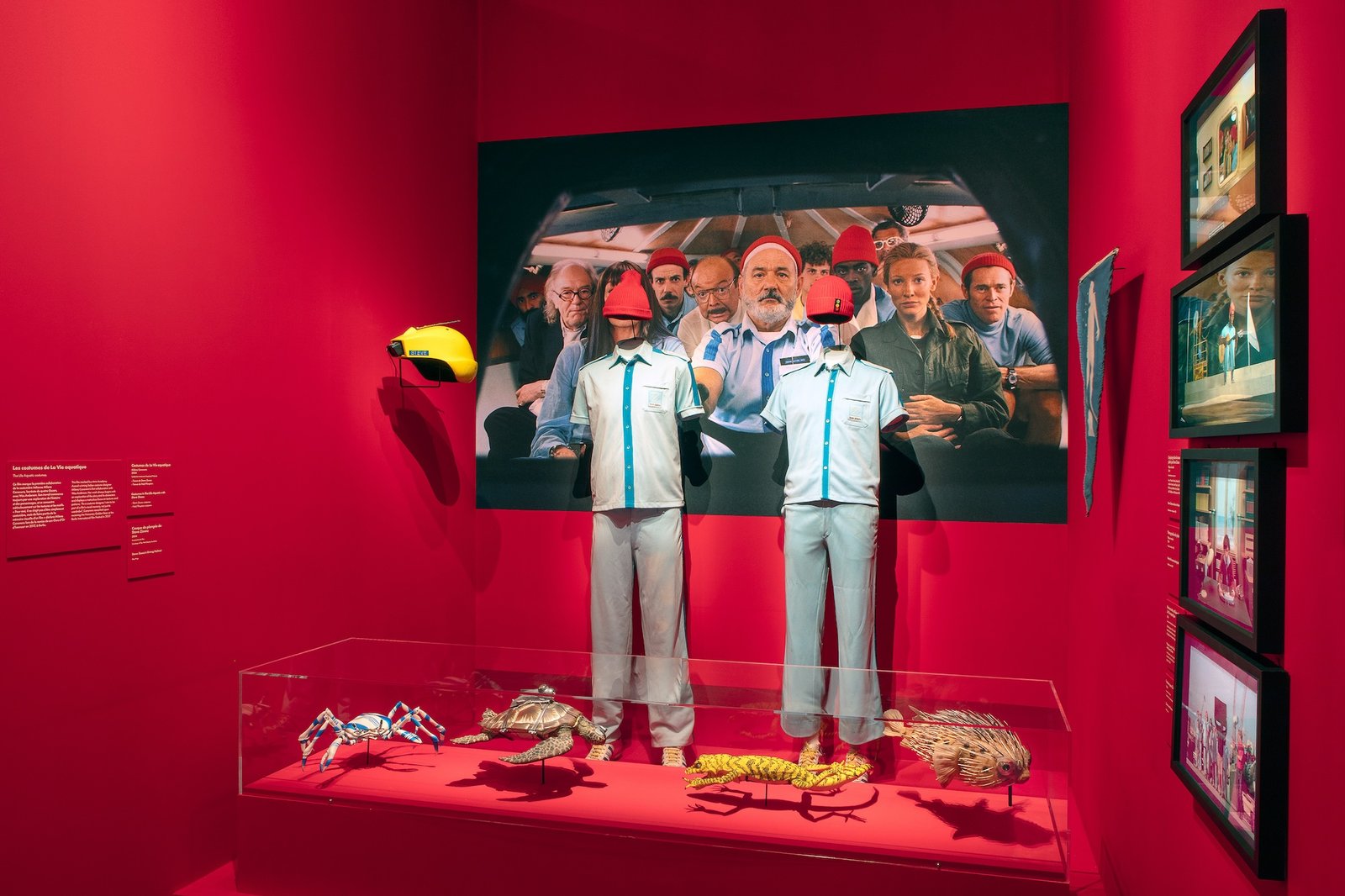
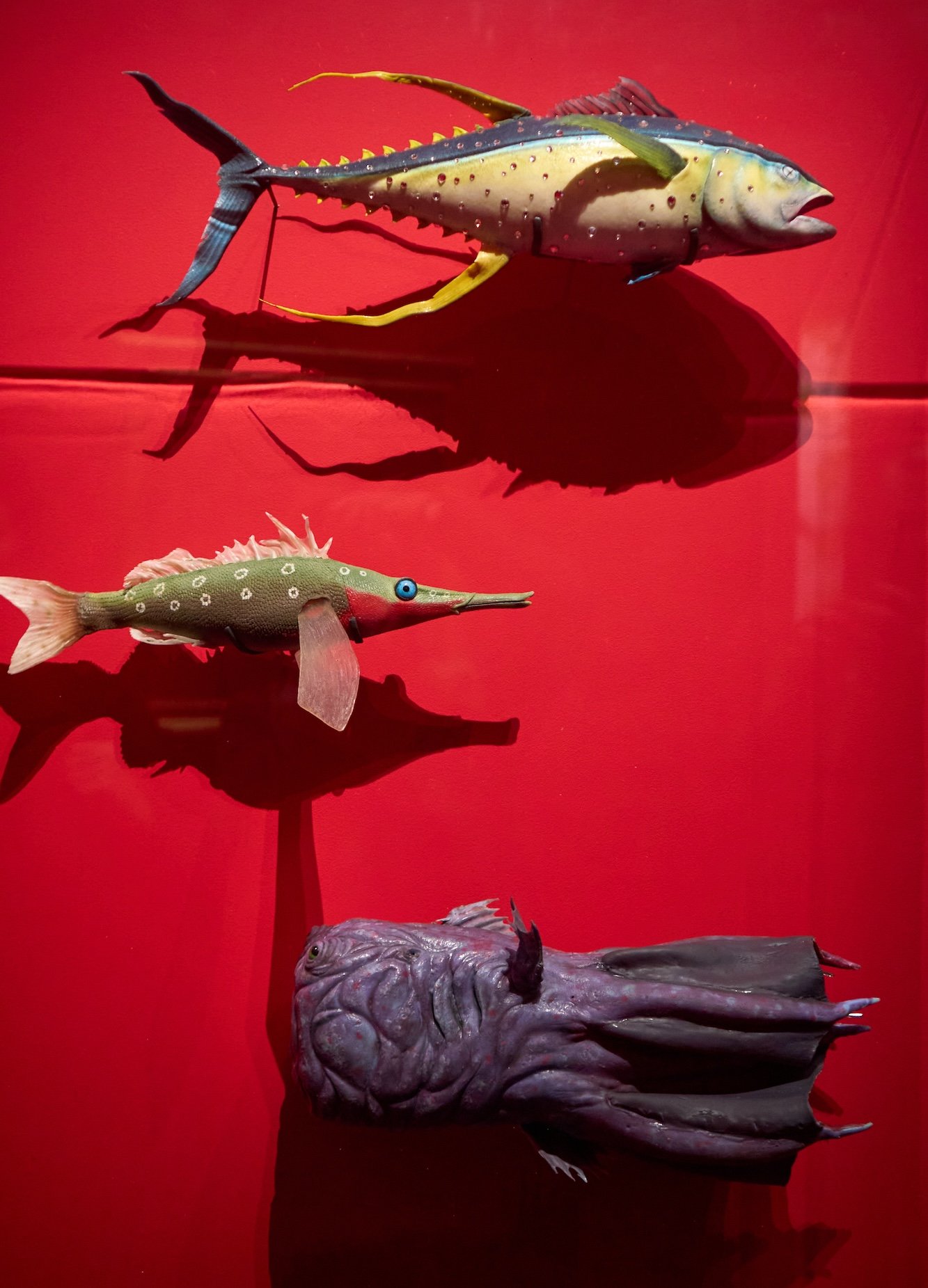
A turning point in Anderson’s filmography arrives with The Life Aquatic with Steve Zissou (2004), which marks his first use of underwater stop-motion animation. Henry Selick’s original grotesque puppets are on display, alongside the red beanie costumes.
Wes Anderson Exhibition. Photo: Stéphane Dabrowski, La Cinémathèque française
Wes Anderson Exhibition, photo by Tal Solomon Vardy
A motif in the exhibition is the deep respect for the artists and creators who have worked with the director and screenwriter throughout his career
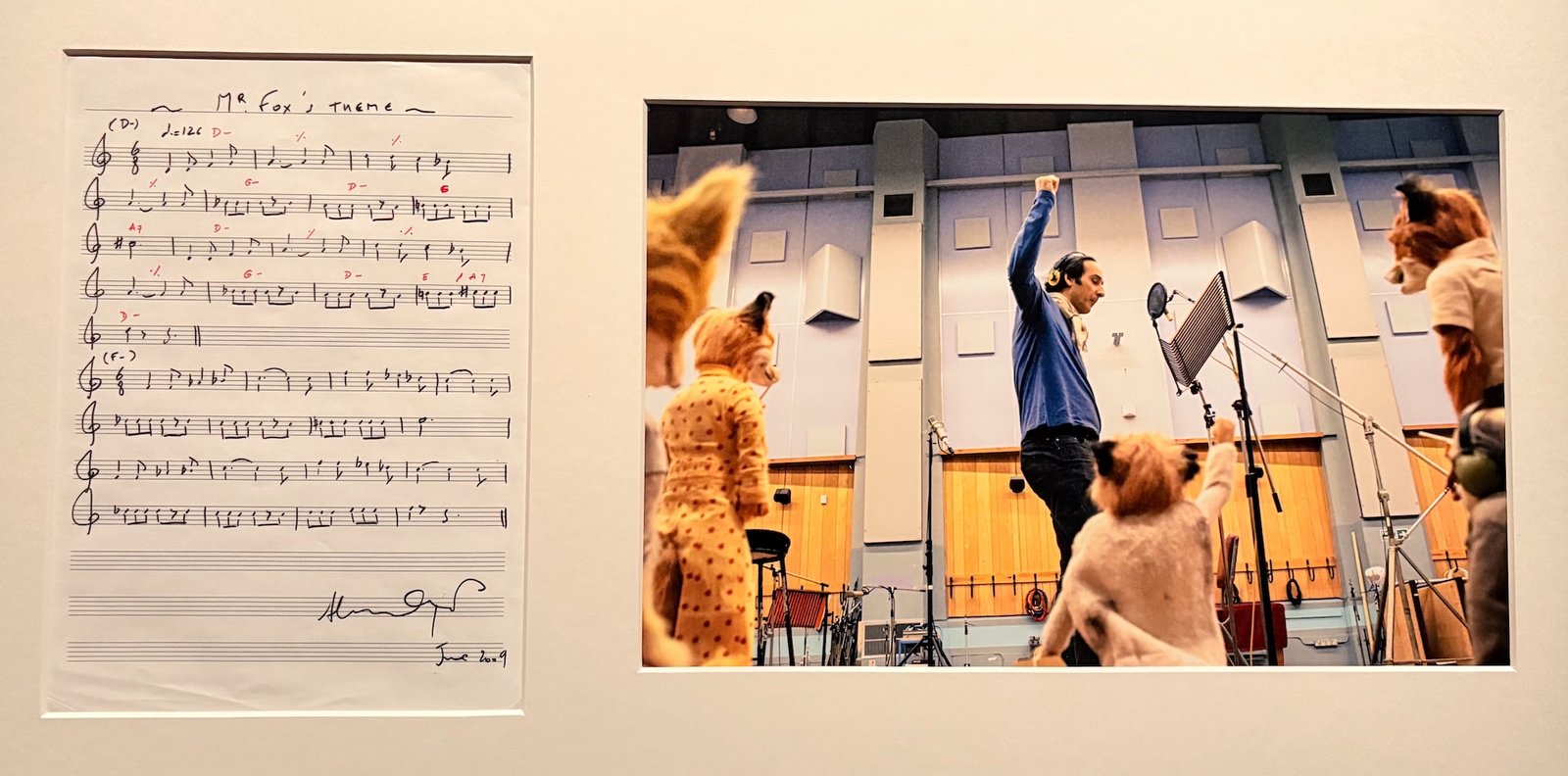
Two motifs appear in the exhibition: the first is deep respect for the creatives who’ve collaborated with the director and screenwriter over his thirty year career. Most items are artistic and design elements not created by Anderson himself but under his direction — like handwritten sheet music by composer Alexandre Desplat, who’s worked with Anderson since Fantastic Mr. Fox (2008).
The second motif is a re-reading of objects as evidence of the creative process — not just as final results. Every item — from a script notebook with sketches, to a typewriter or minor prop — serves as a gateway to an entire cinematic world. The curators carefully selected each piece to tell the unofficial story of Anderson’s work.
Alexandre Desplat music notes. Photo by Tal Solomon Vardy
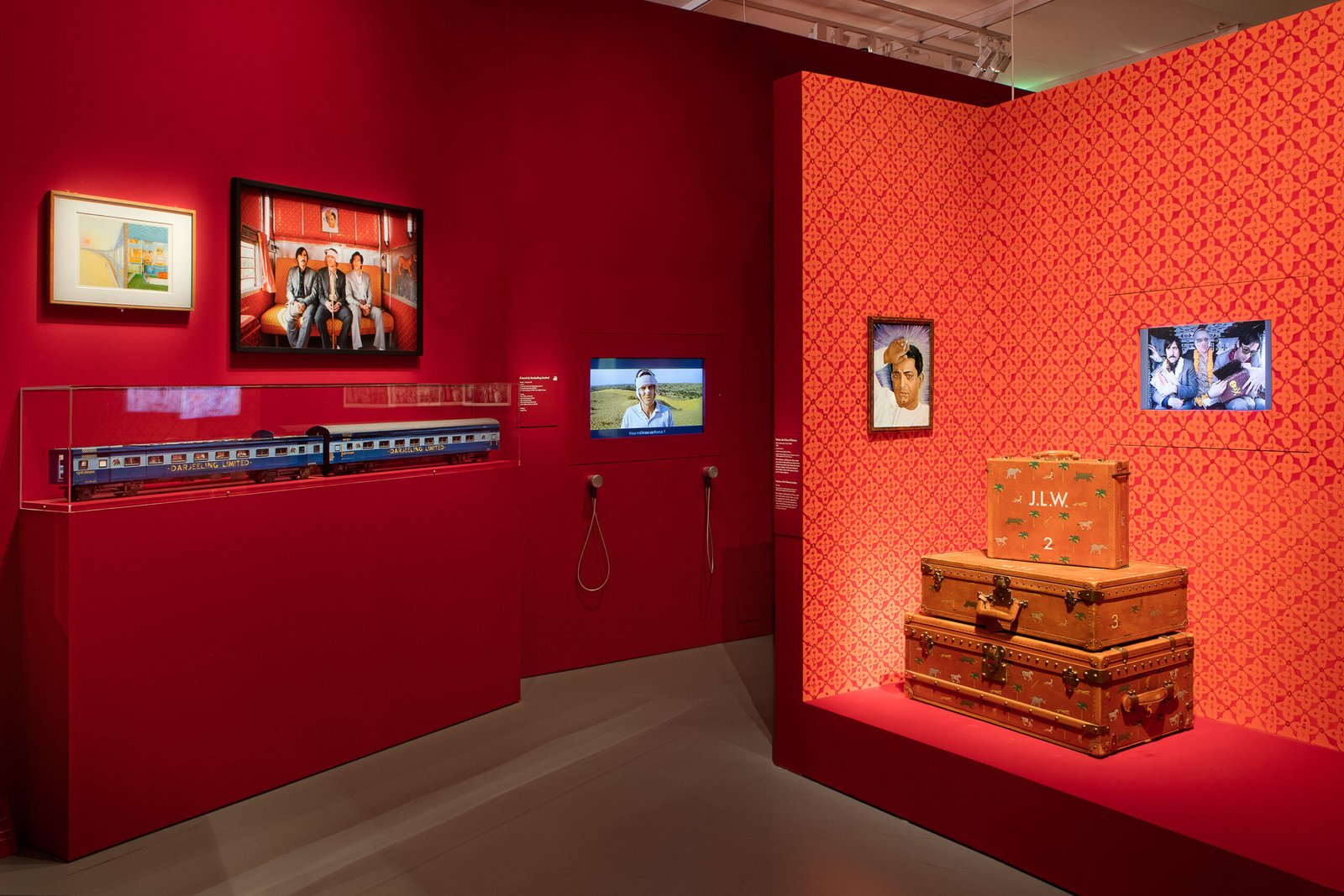
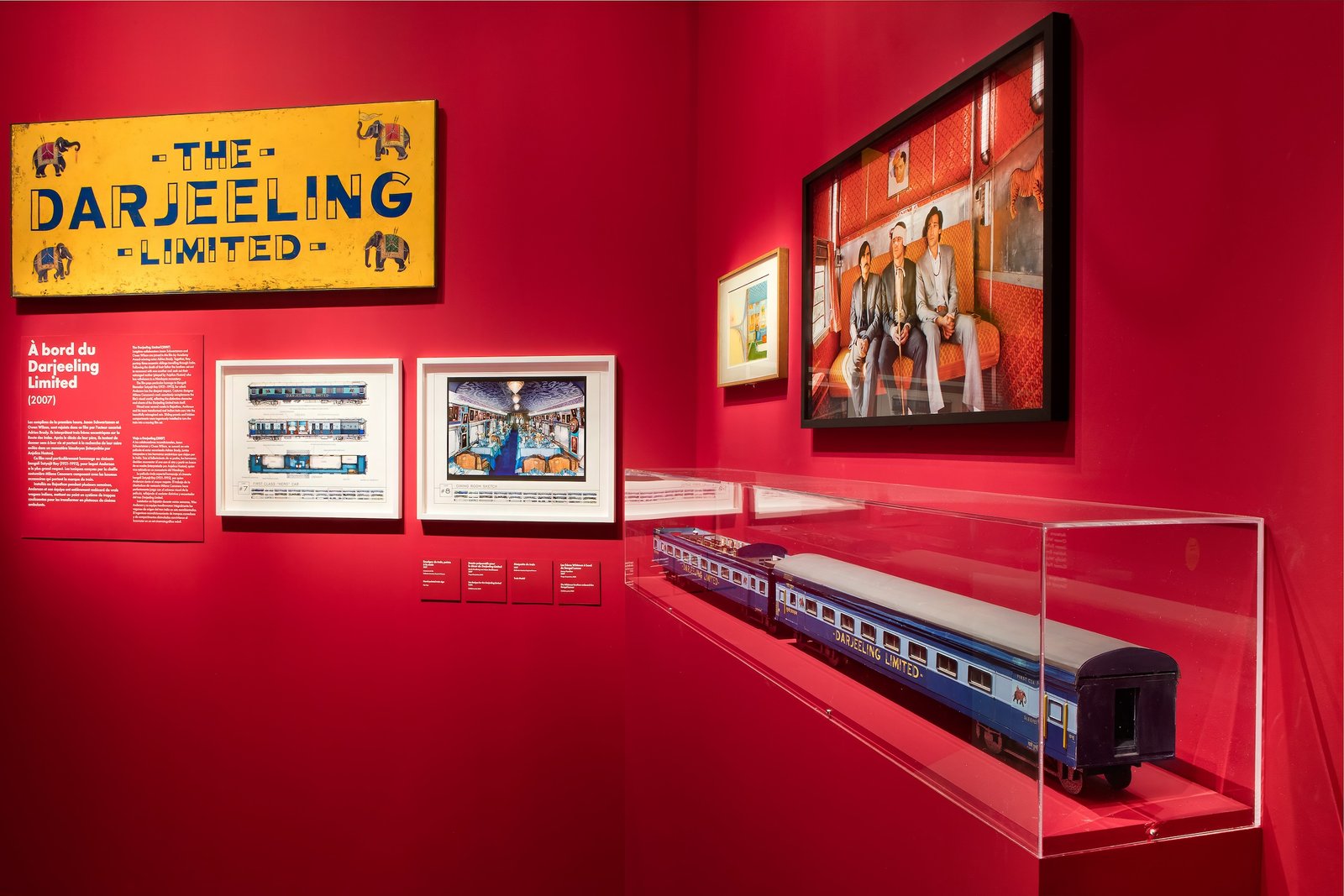
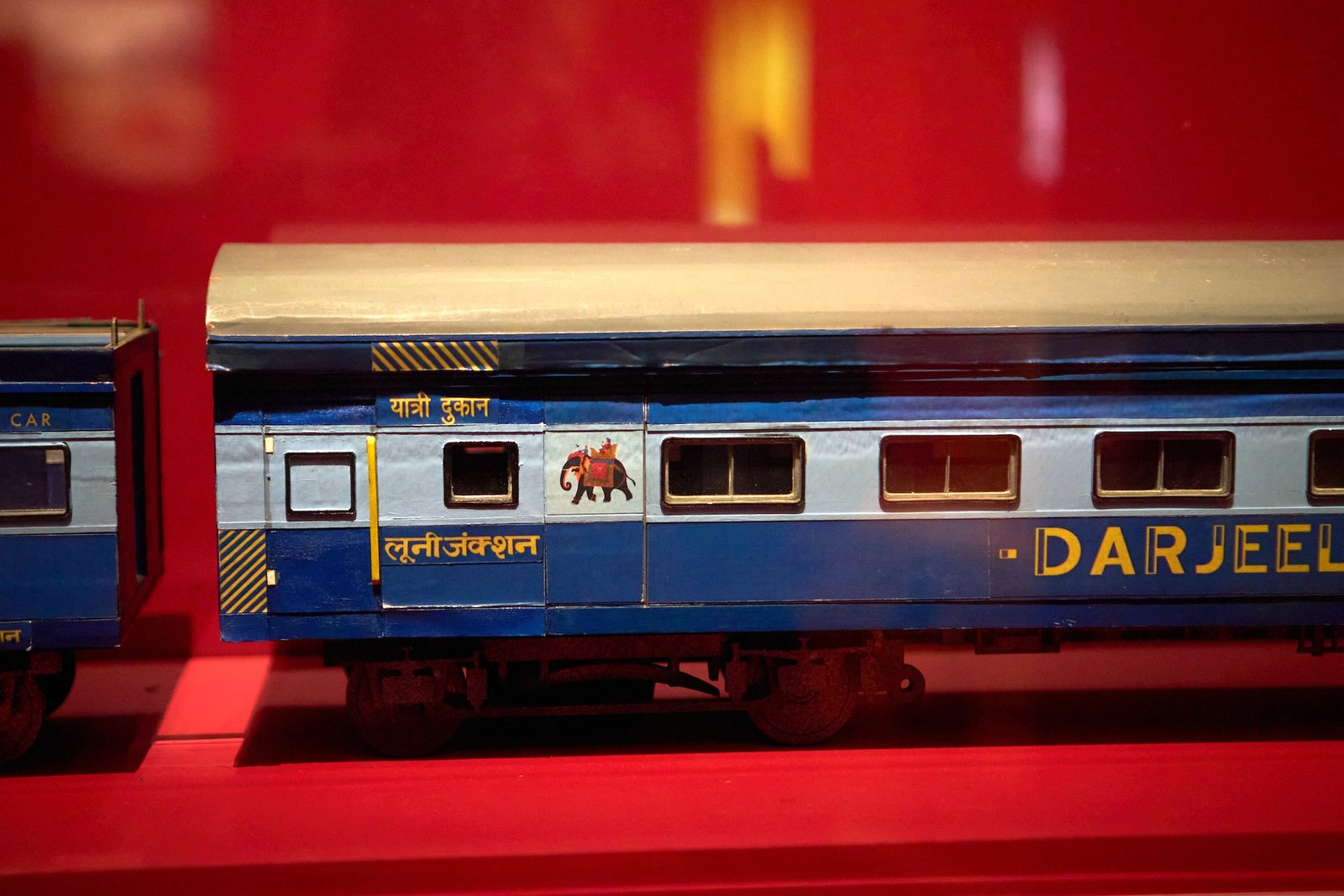
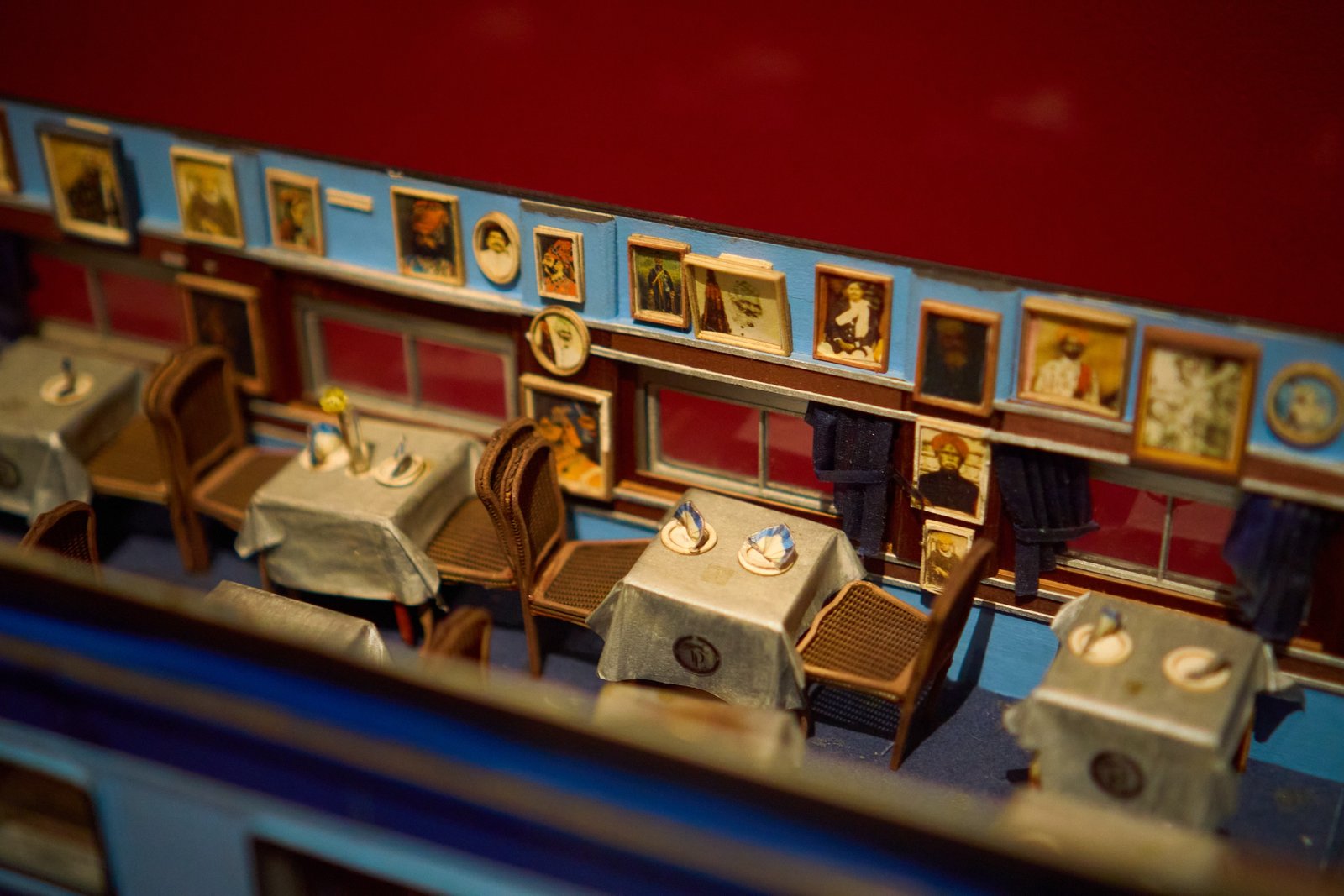
Another production turning point is the use of miniatures: the famous train from The Darjeeling Limited (2007), filmed in India, appears here as a magnificent miniature model designed by art director Mark Friedberg, alongside sketches and drawings. It’s worth examining the details up close—the final train was a real one purchased for the shoot, with various spaces designed inside. Filming took place on active rail tracks in India, against the breathtaking landscapes near the Pakistan border.
Wes Anderson Exhibition. Photo: Stéphane Dabrowski, La Cinémathèque française
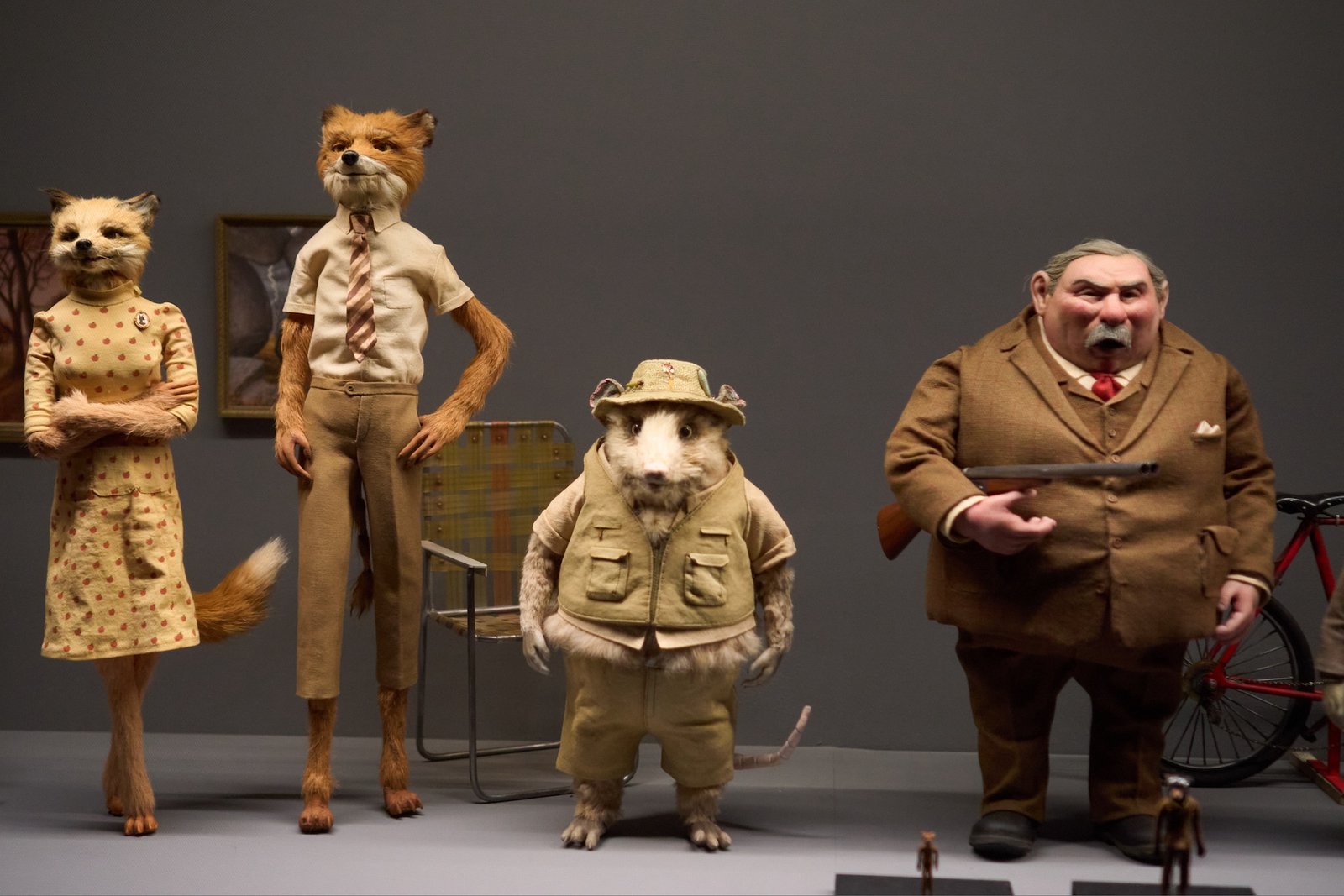
Fantastic Mr. Fox. Wes Anderson Exhibition. photo by Tal Solomon Vardy
Celebration of Stop-Motion
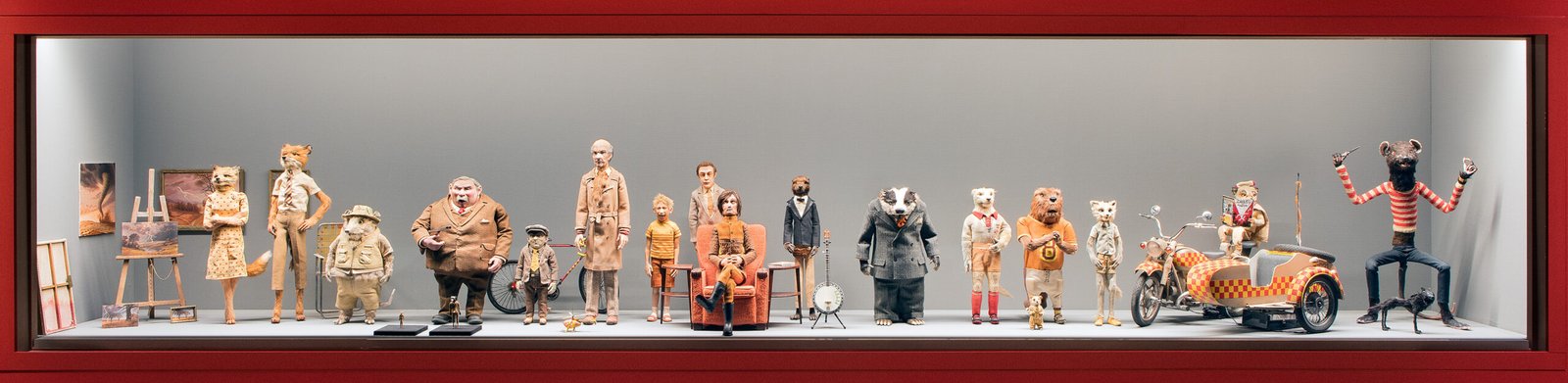
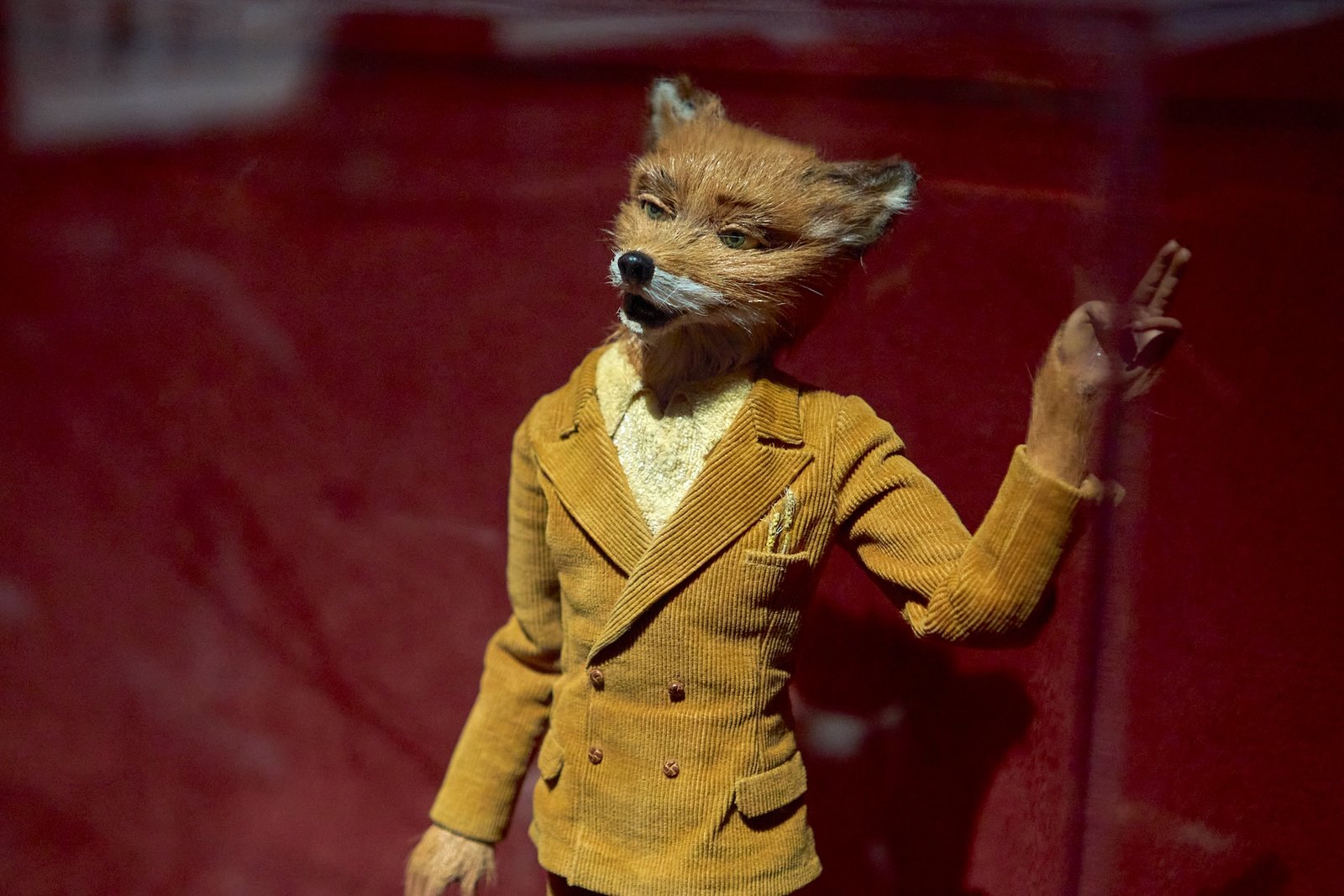
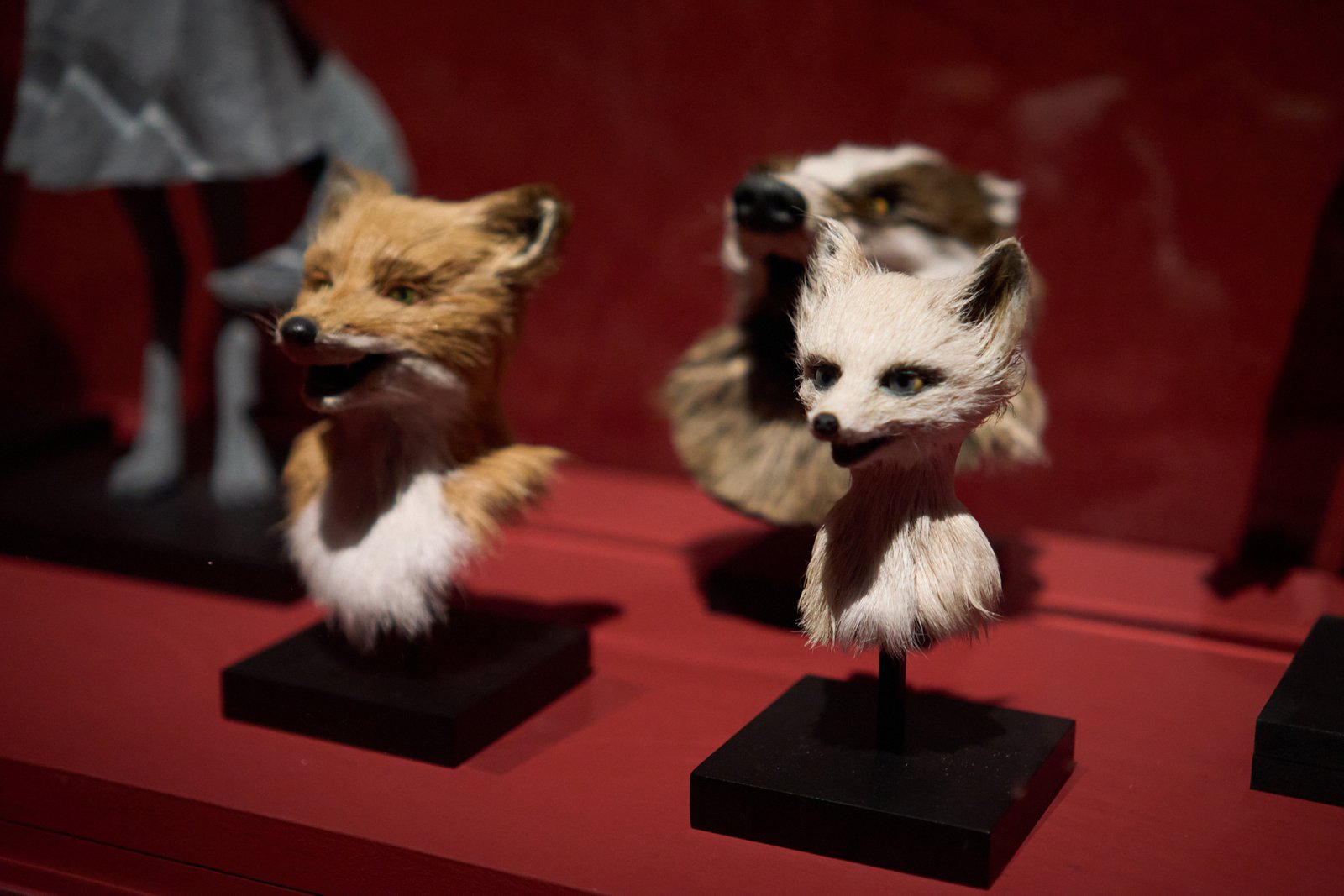
Then, in front of us — original puppets from Fantastic Mr. Fox, Anderson’s first stop-motion feature from 2009. Undoubtedly one of the most emotional exhibition moments, inviting prolonged viewing. The puppets stand side by side, made from fine goat hair to preserve their stillness on camera and avoid the “boiling” effect—a common animation issue. Nearby: the rig used for the fox faces, pencil-colored sketches, and miniature sets from the film.
Fantastic Mr. Fox. Wes Anderson Exhibition. photo by Stephane Dabrowski
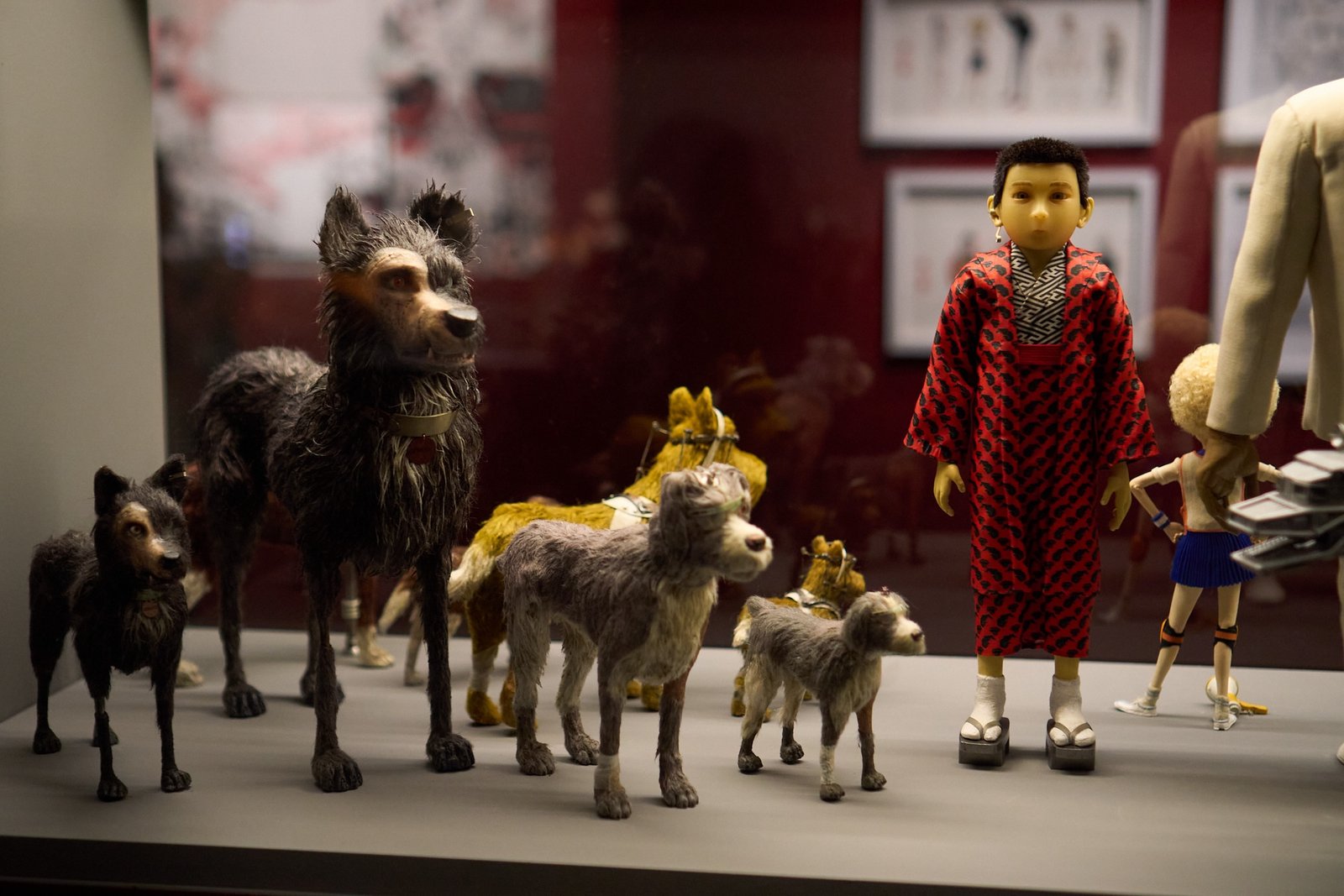
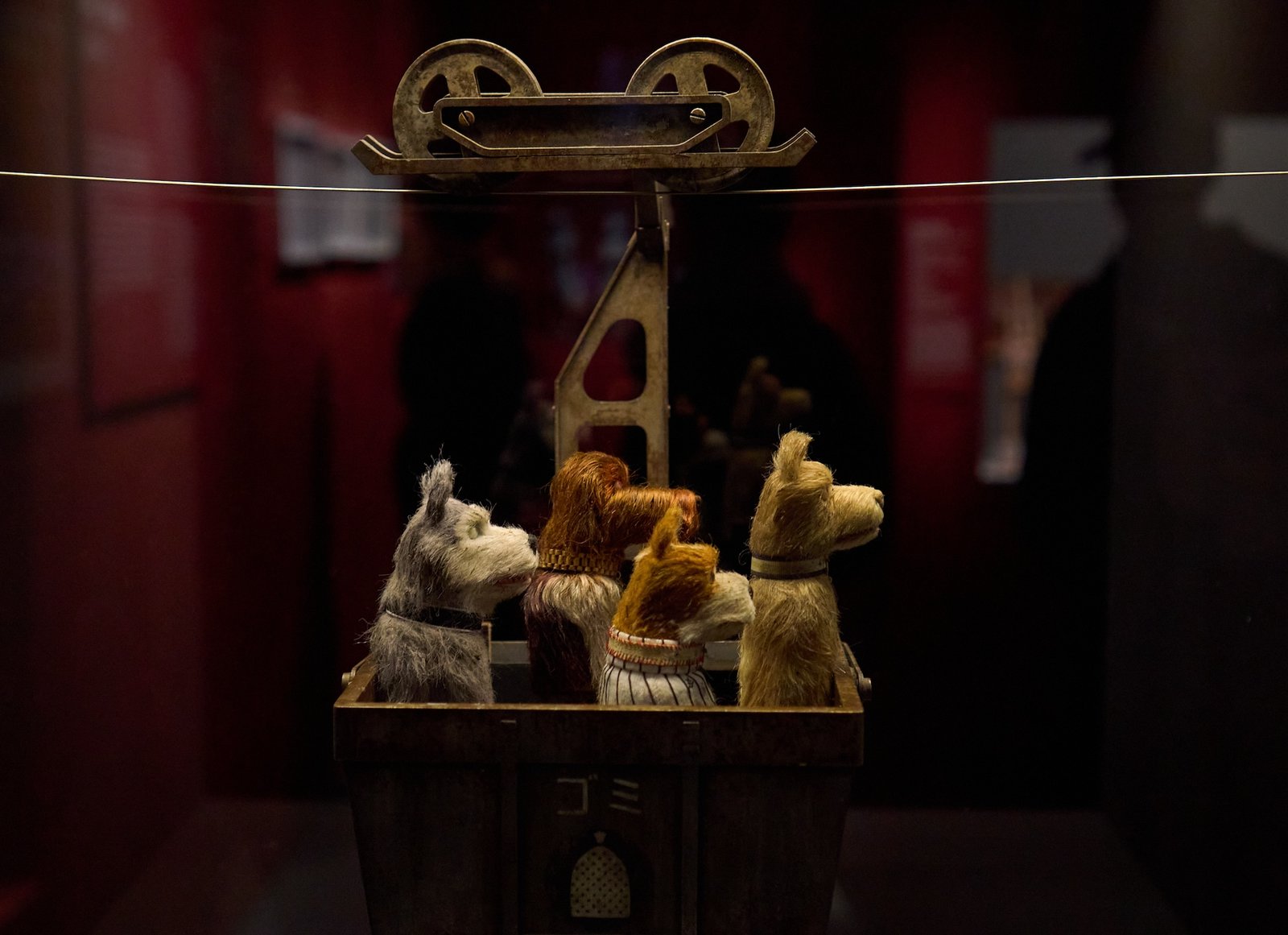
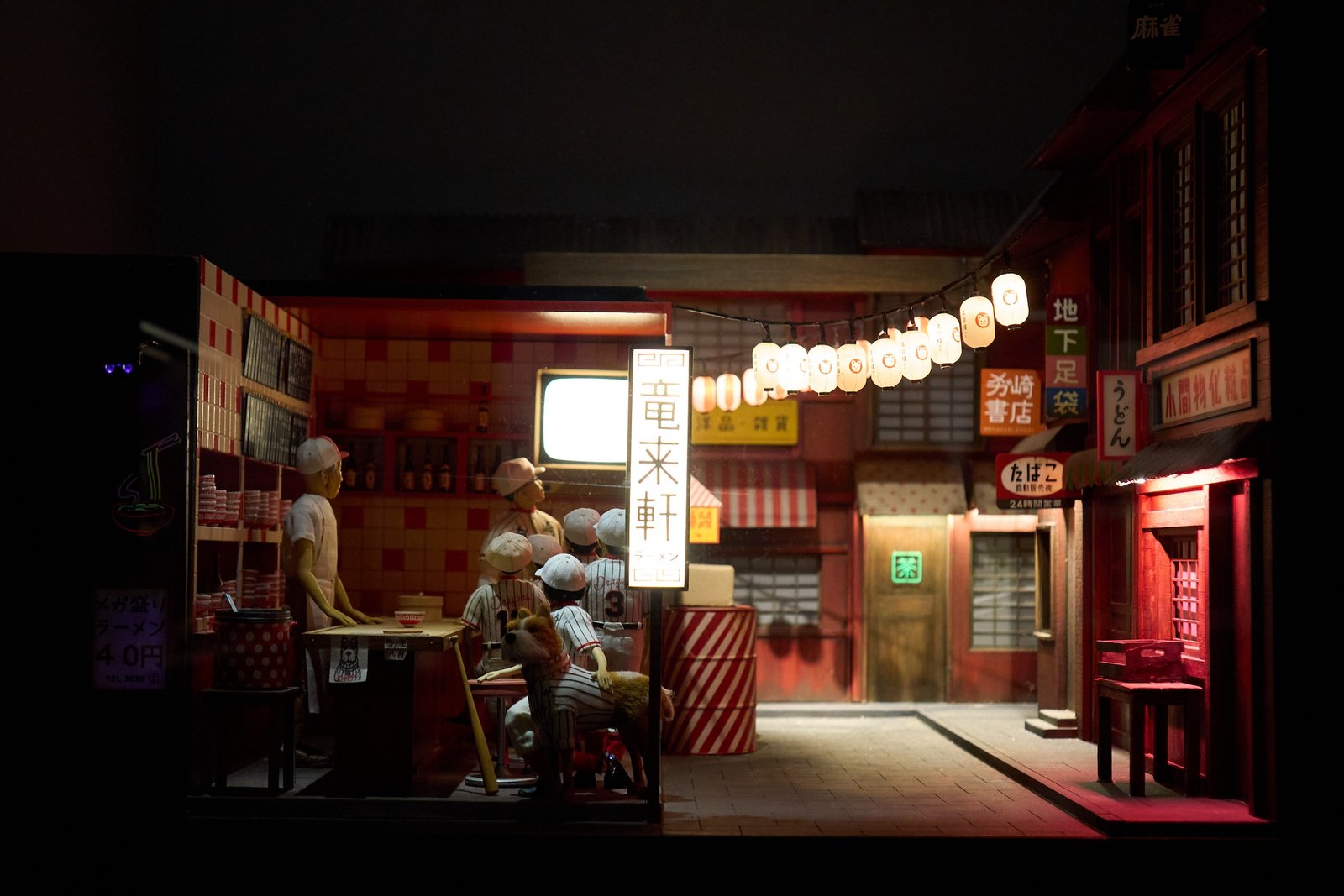
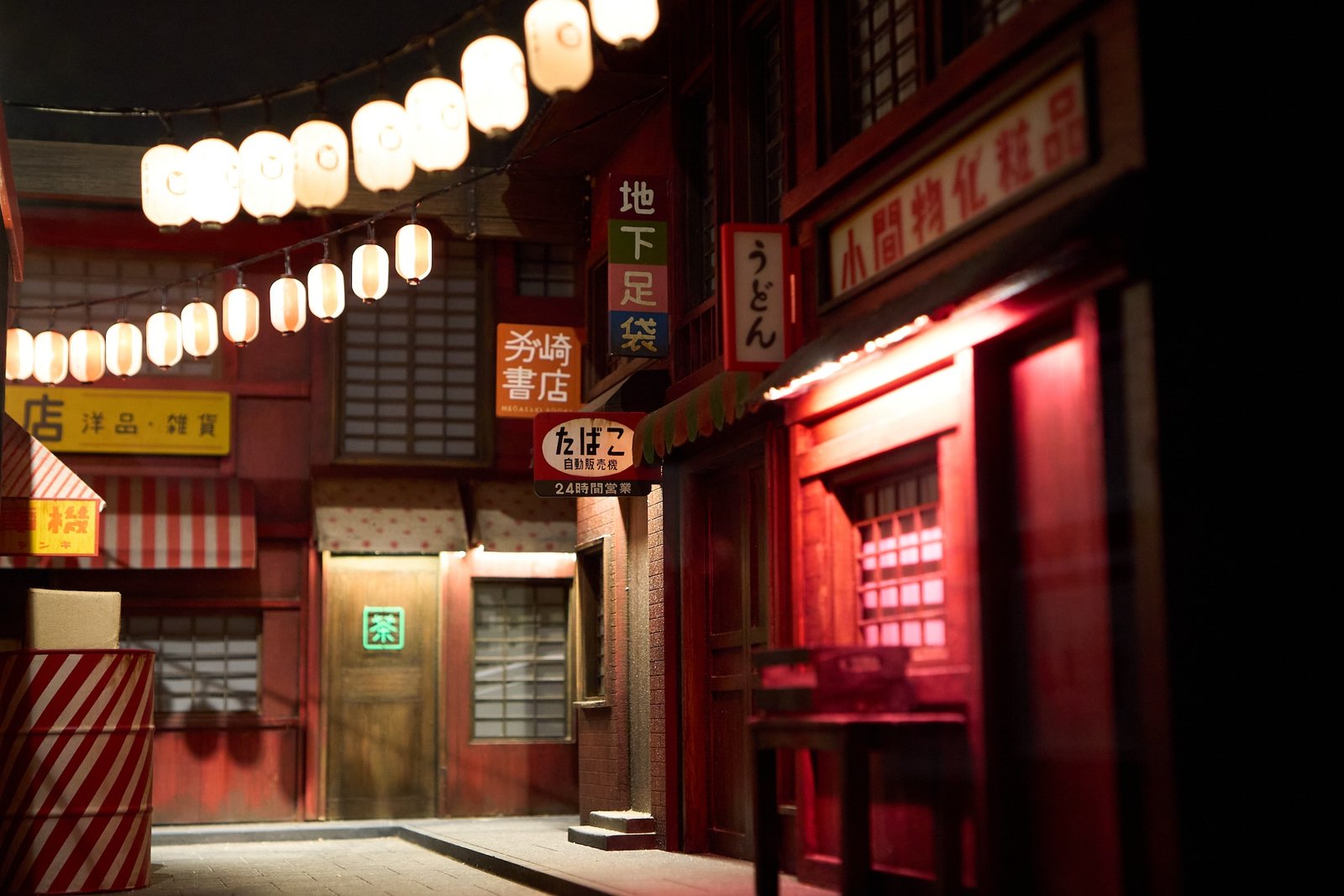
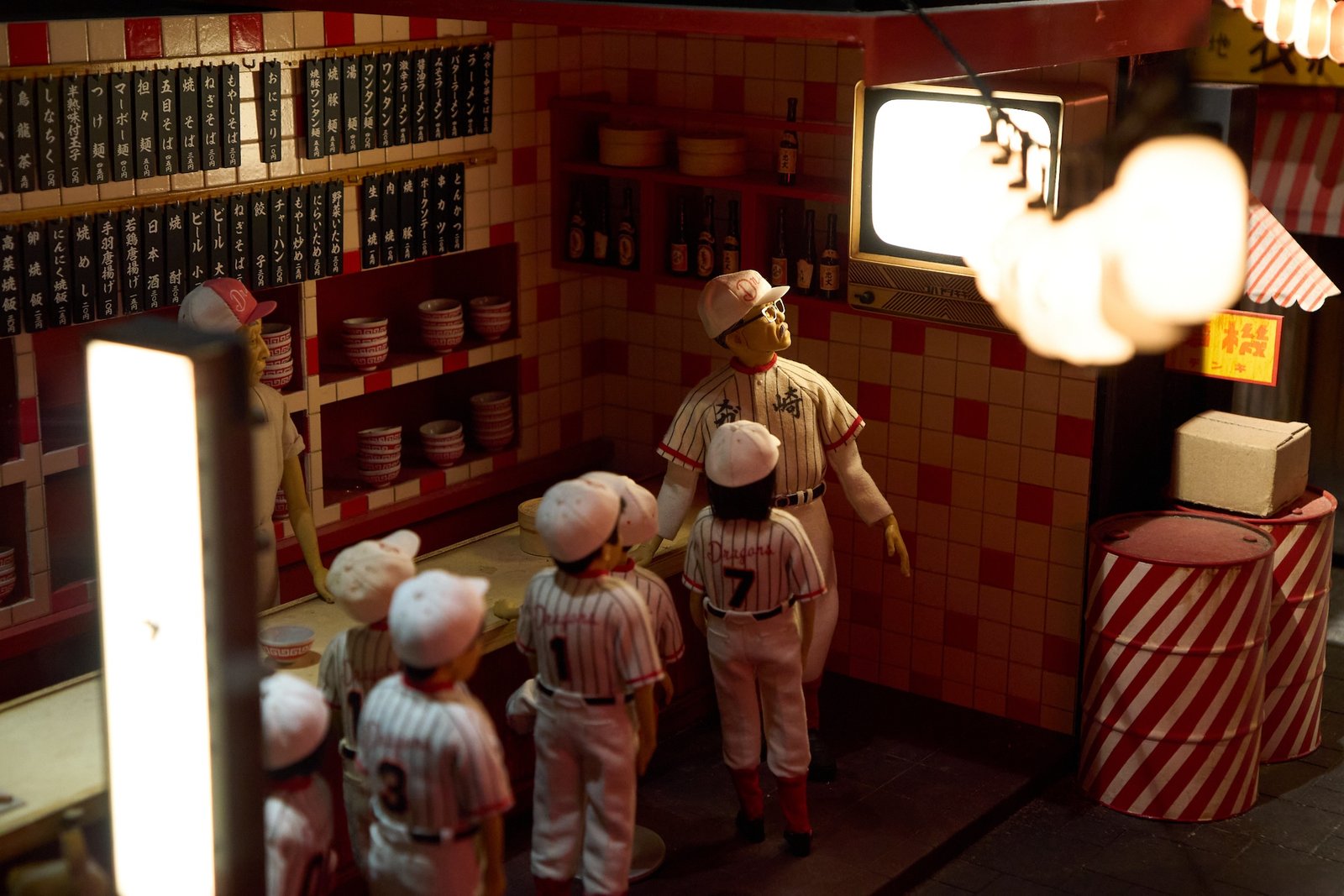
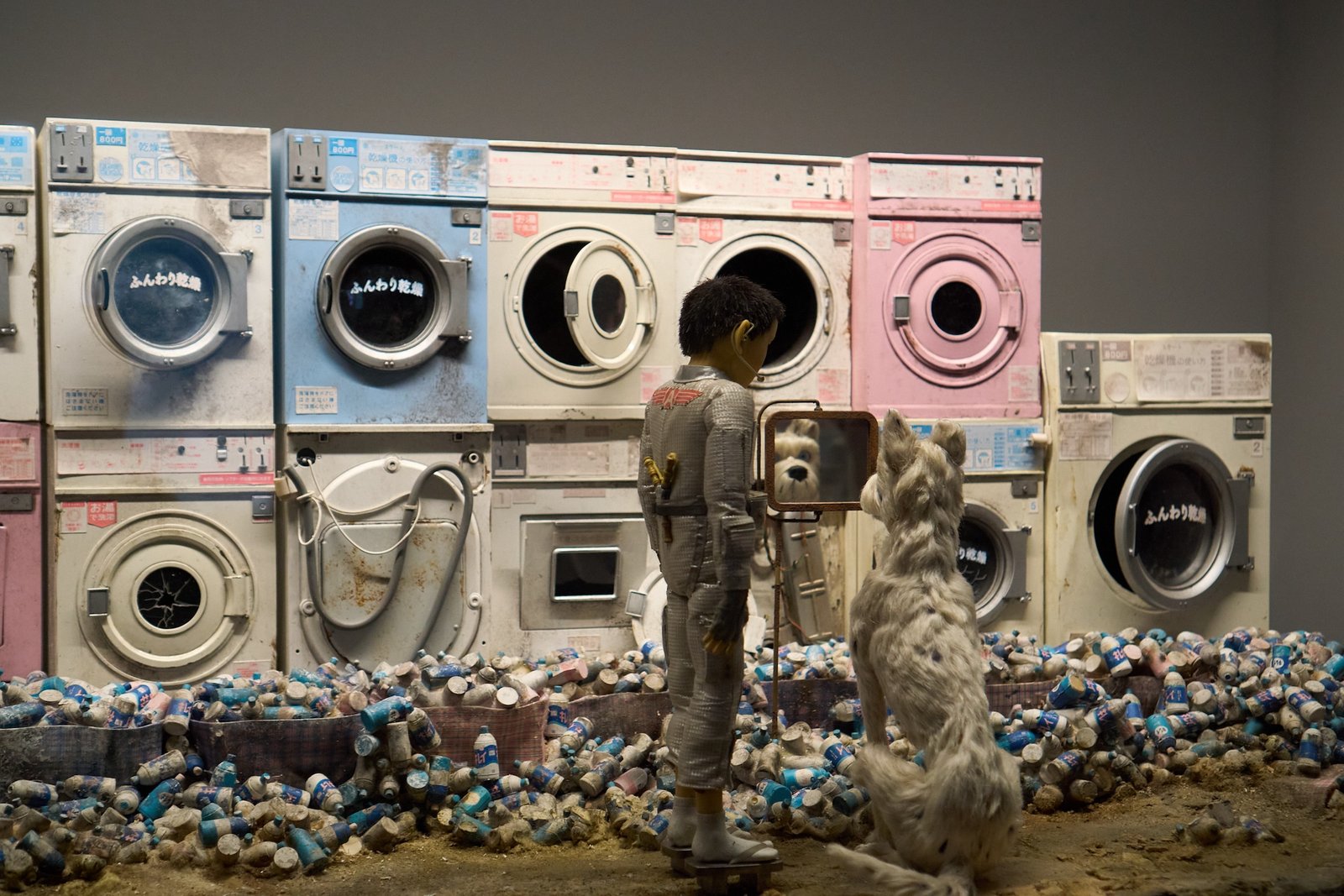
Midway through, the curators break the chronological flow: from Fantastic Mr. Fox we jump to Isle of Dogs (2018), Anderson’s second and more ambitious stop-motion film. A full miniature set from the Japanese street-food scene is on display (including signage designed by Erica Dorn, who was interviewed by this magazine in 2023), plus scenes of dogs on a cable car and Atari near the laundromats.
Isle of Dogs, Wes Anderson Exhibition, photo by Tal Solomon Vardy
Isle of Dogs, Wes Anderson Exhibition, photo by Tal Solomon Vardy
Isle of Dogs, Wes Anderson Exhibition, photo by Tal Solomon Vardy
Isle of Dogs, Wes Anderson Exhibition, photo by Tal Solomon Vardy
Isle of Dogs, Wes Anderson Exhibition, photo by Tal Solomon Vardy
Isle of Dogs, Wes Anderson Exhibition, photo by Tal Solomon Vardy
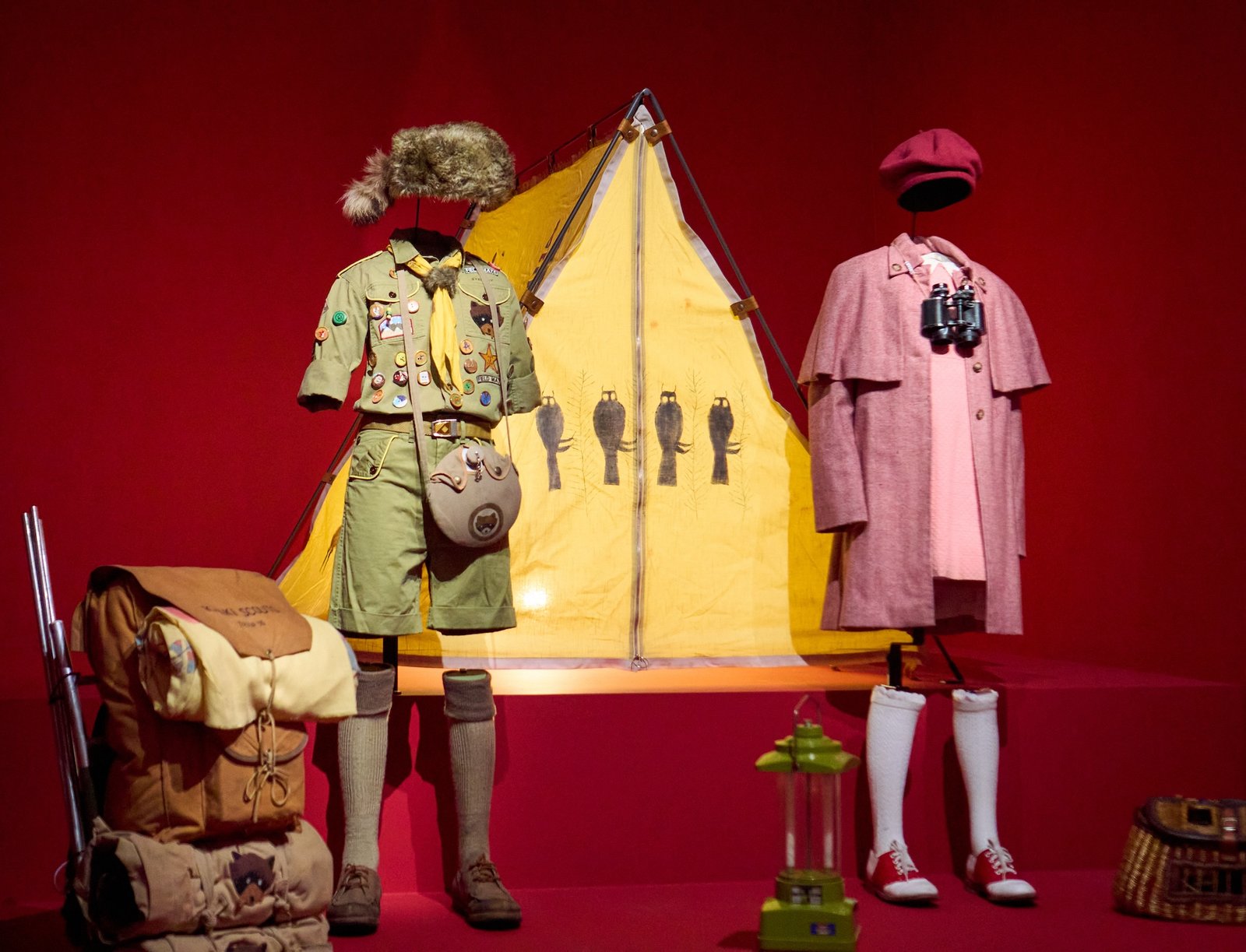
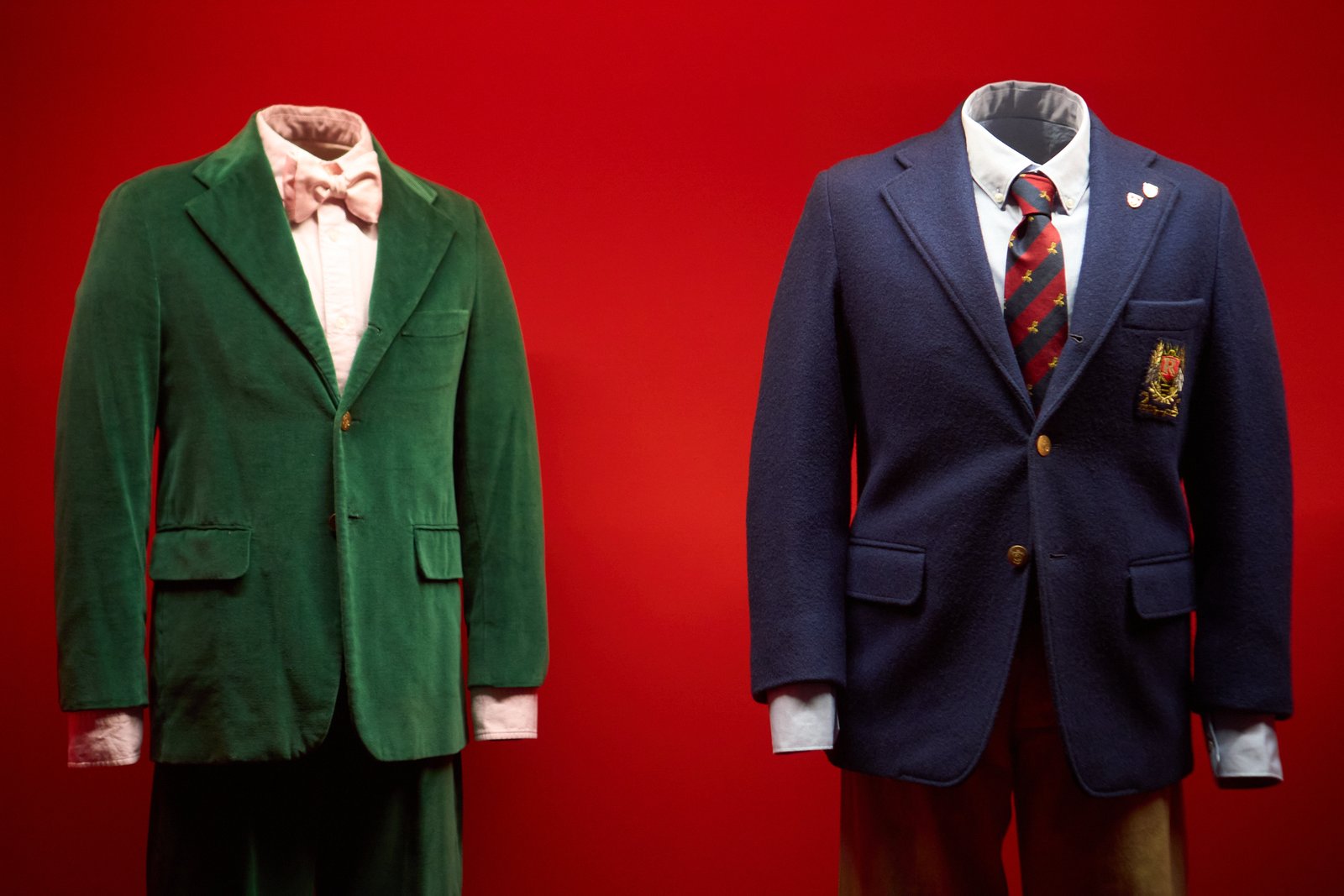
Moonrise Kingdom (2012) is briefly acknowledged with its iconic costumes, designed by Kasia Walicka-Maimone.
Moonrise Kingdom, Wes Anderson Exhibition, photo by Tal Solomon Vardy
Fresh Look at The Iconic Hotel
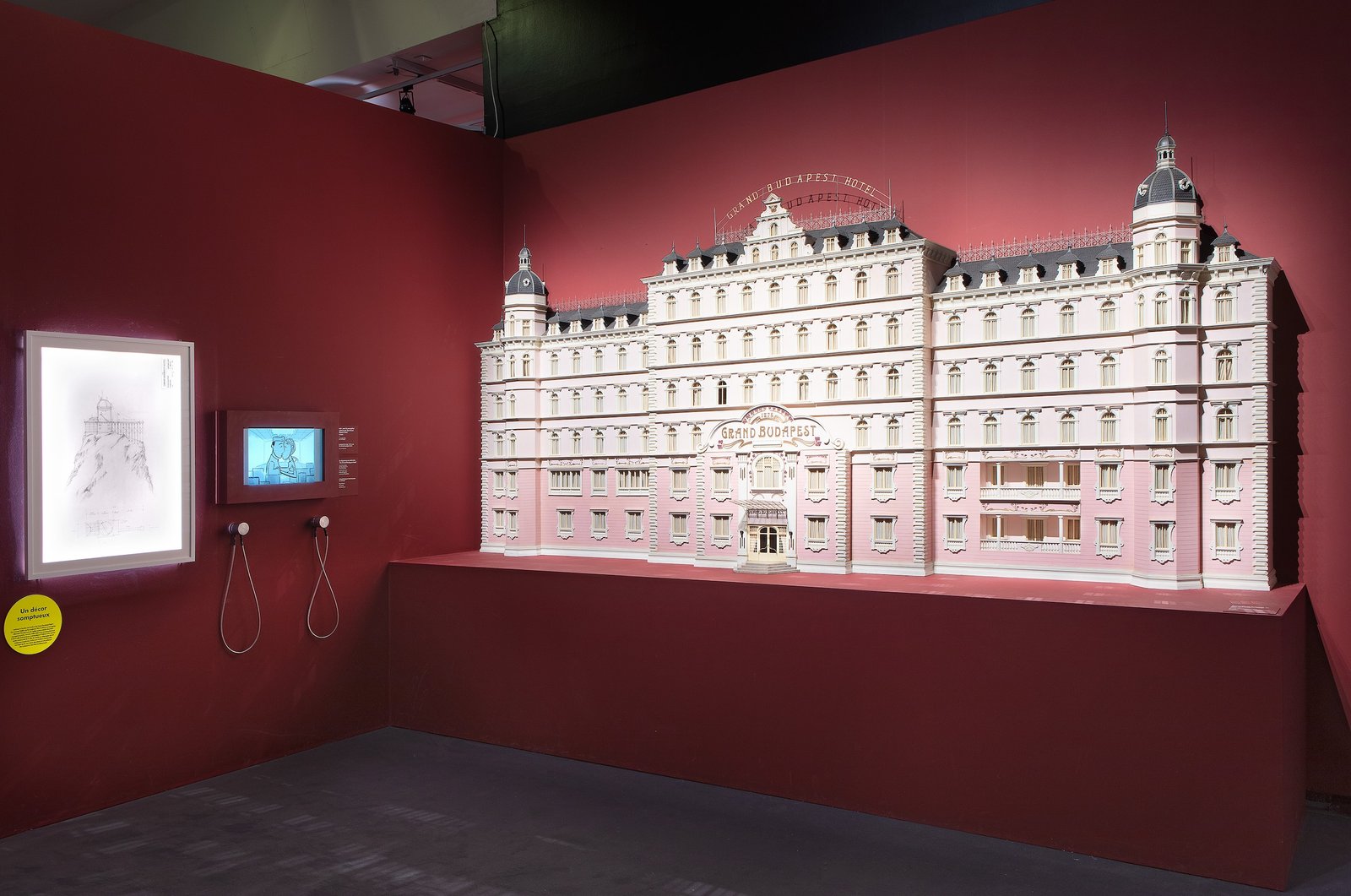
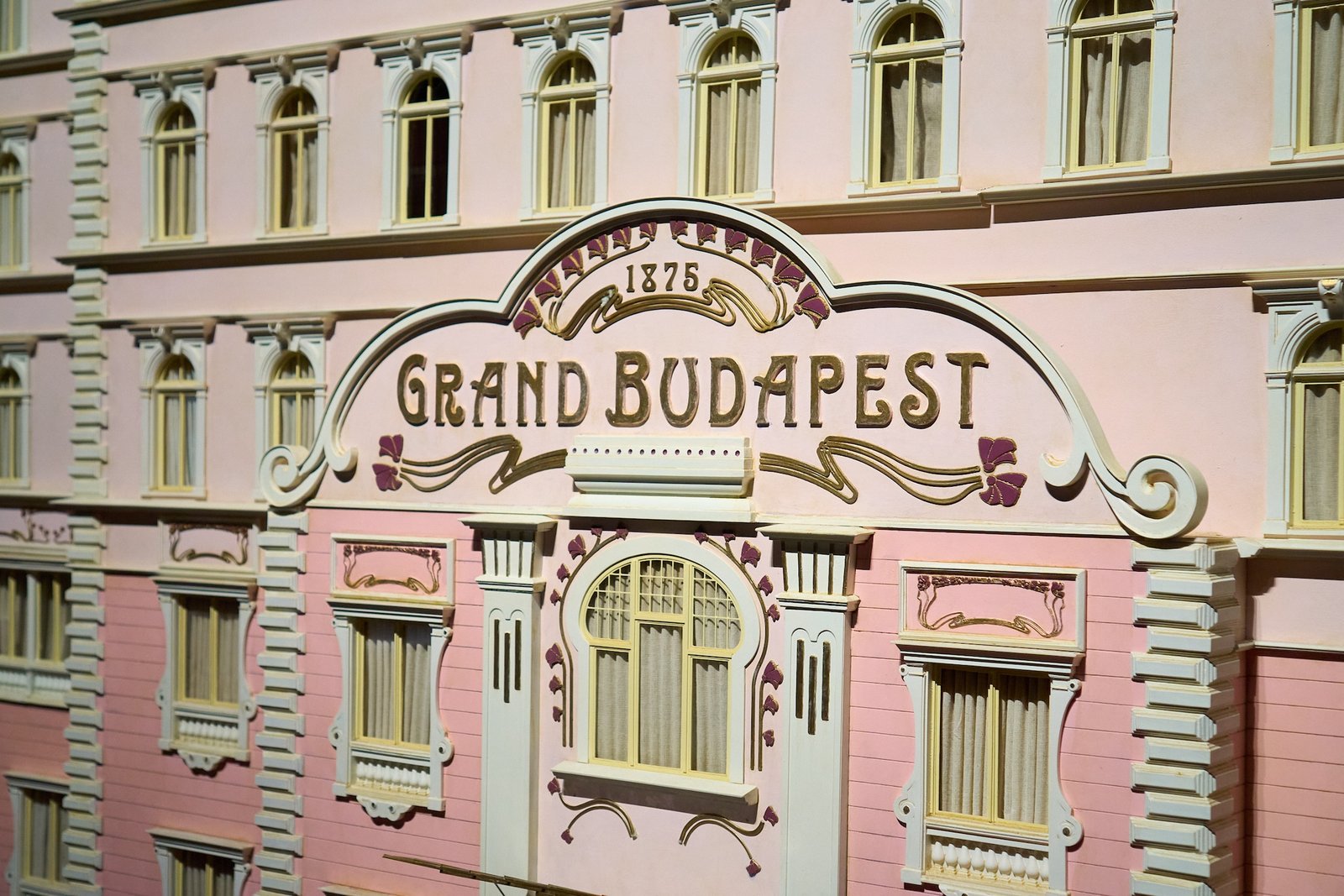
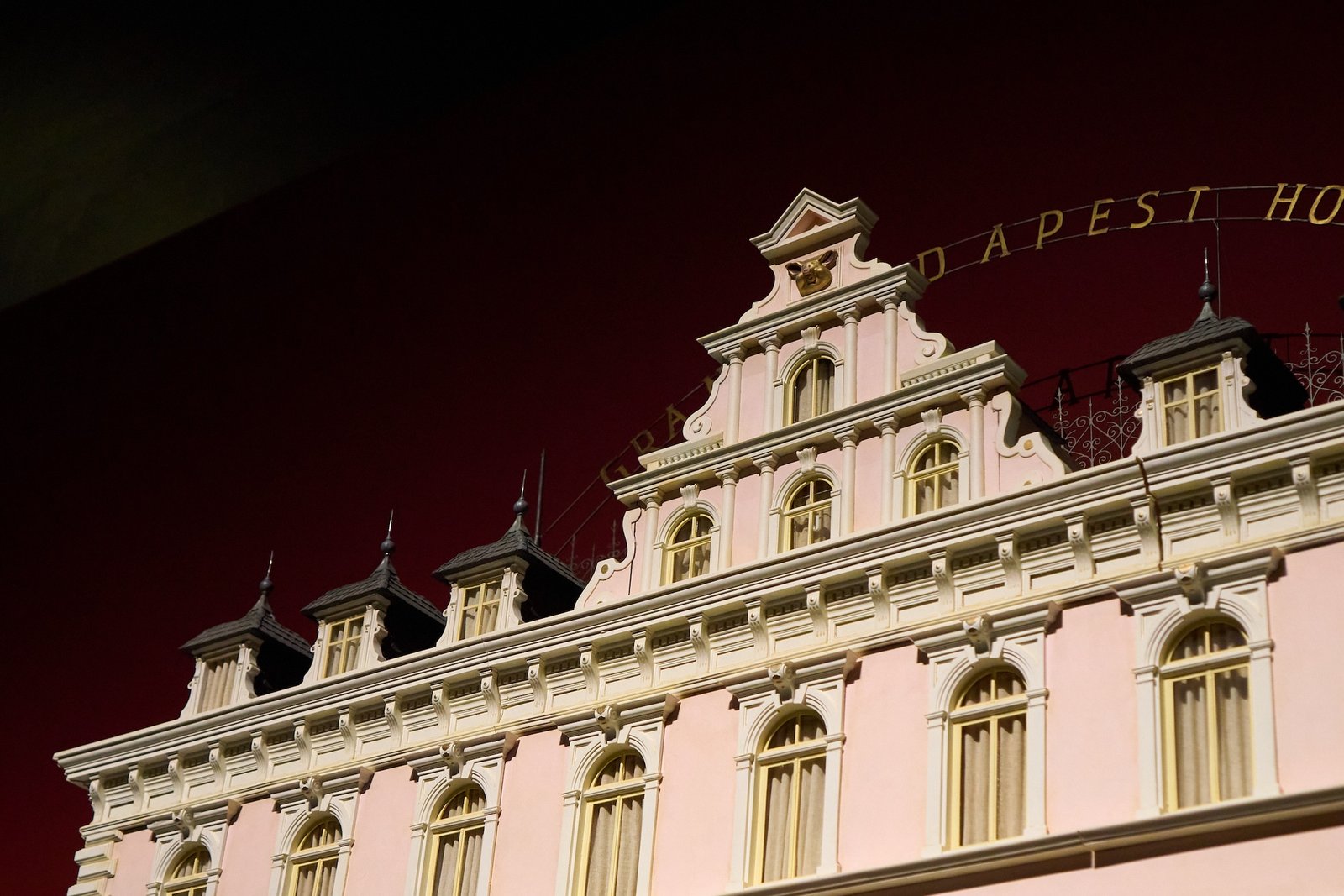
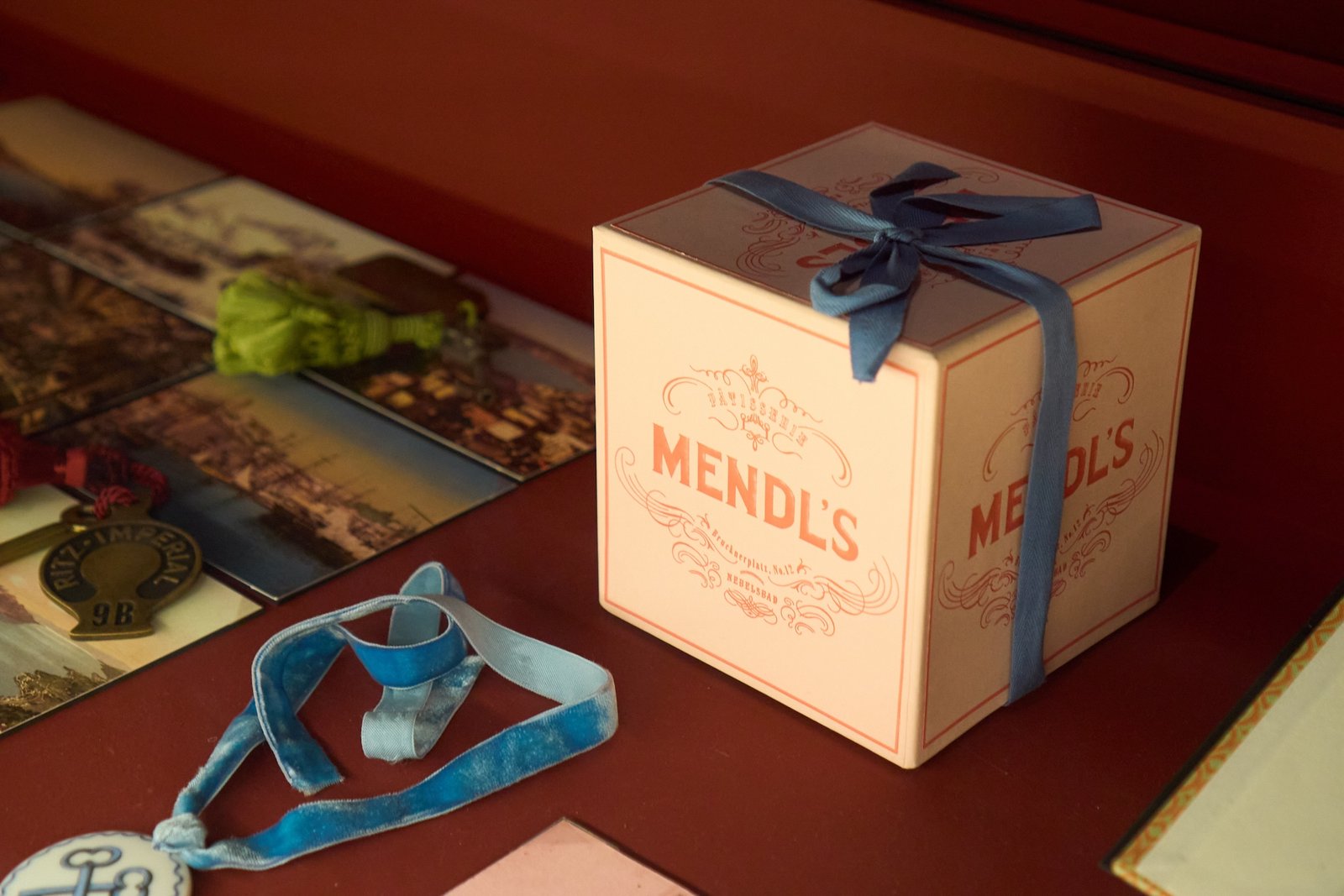
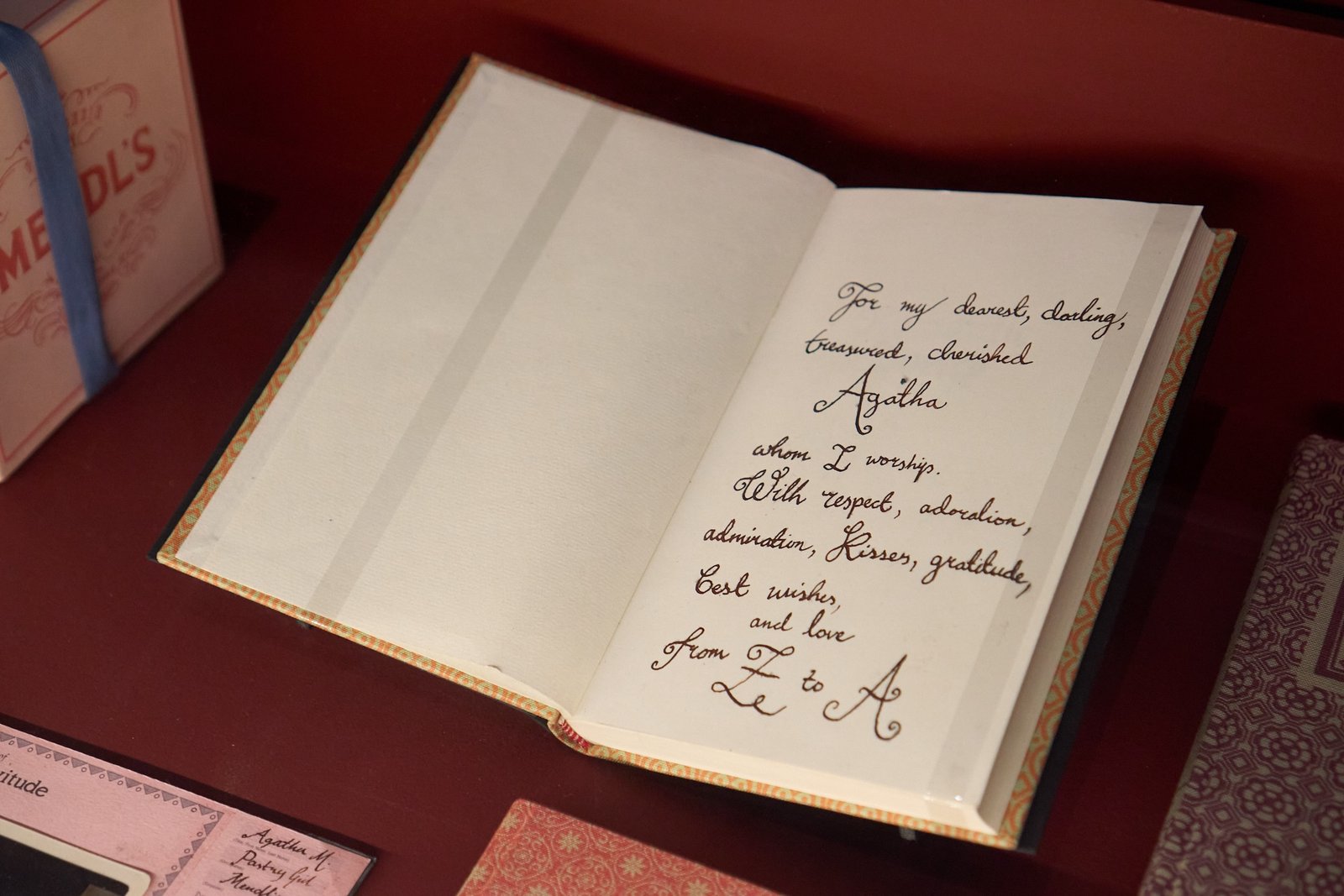
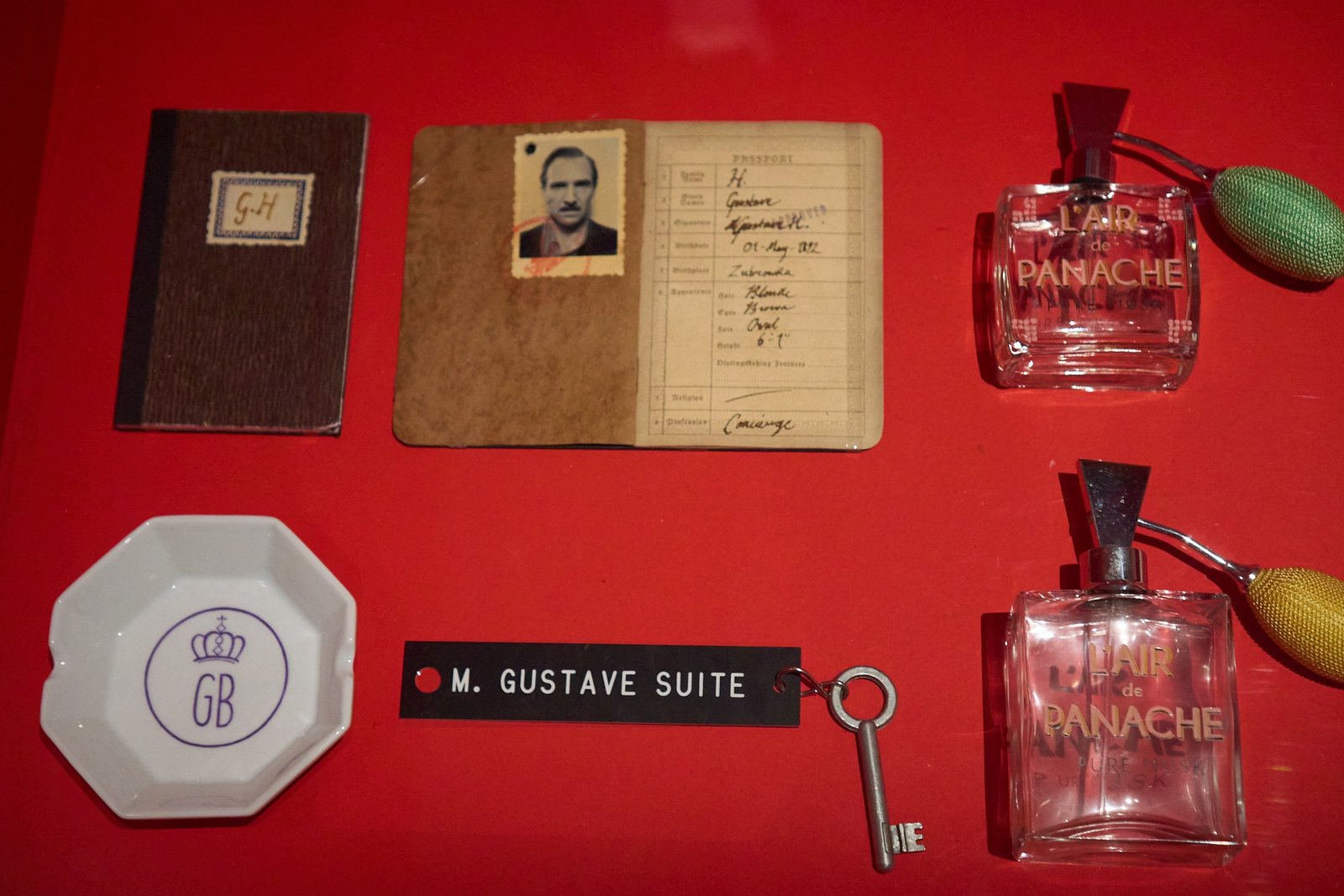
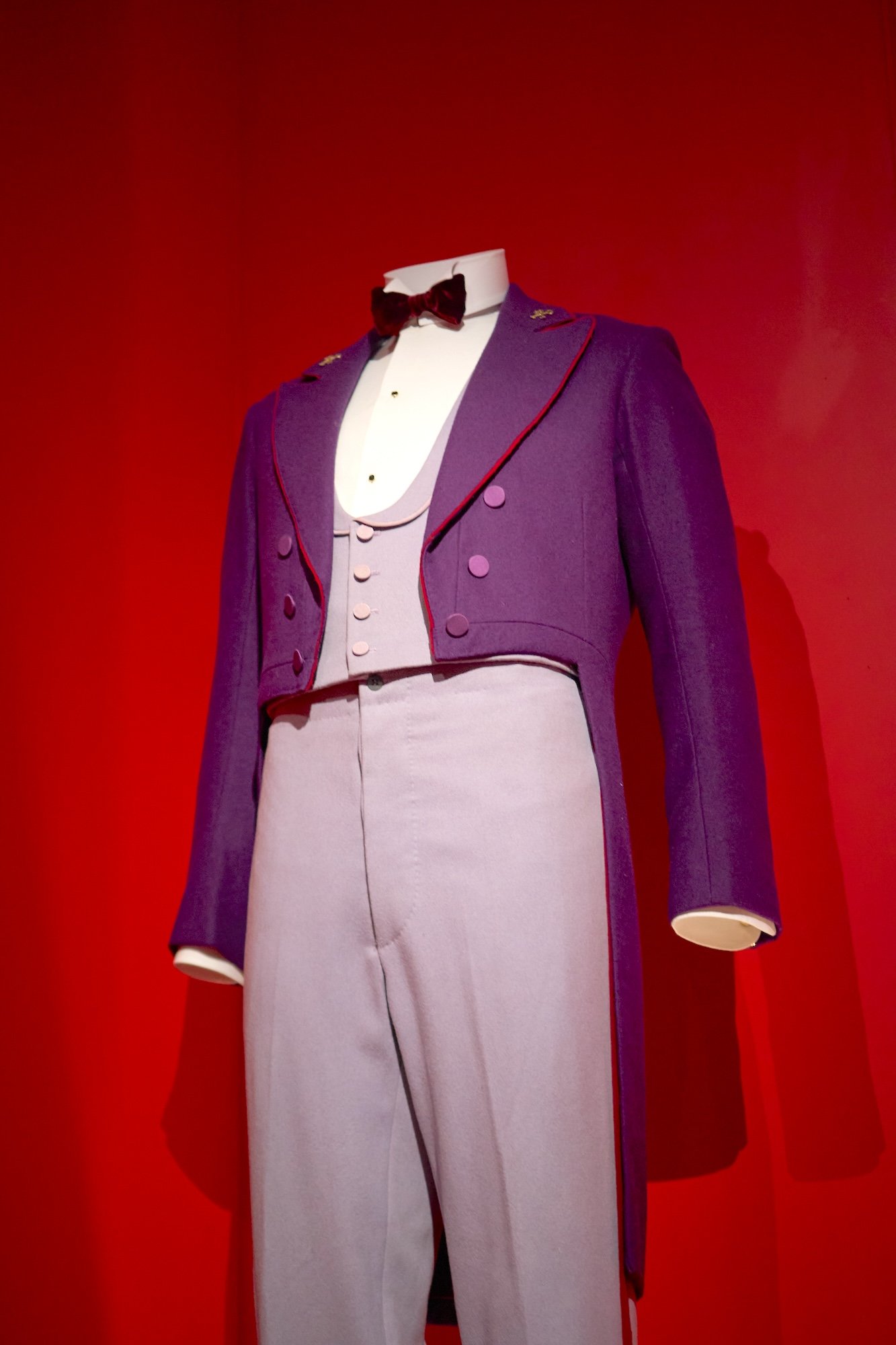
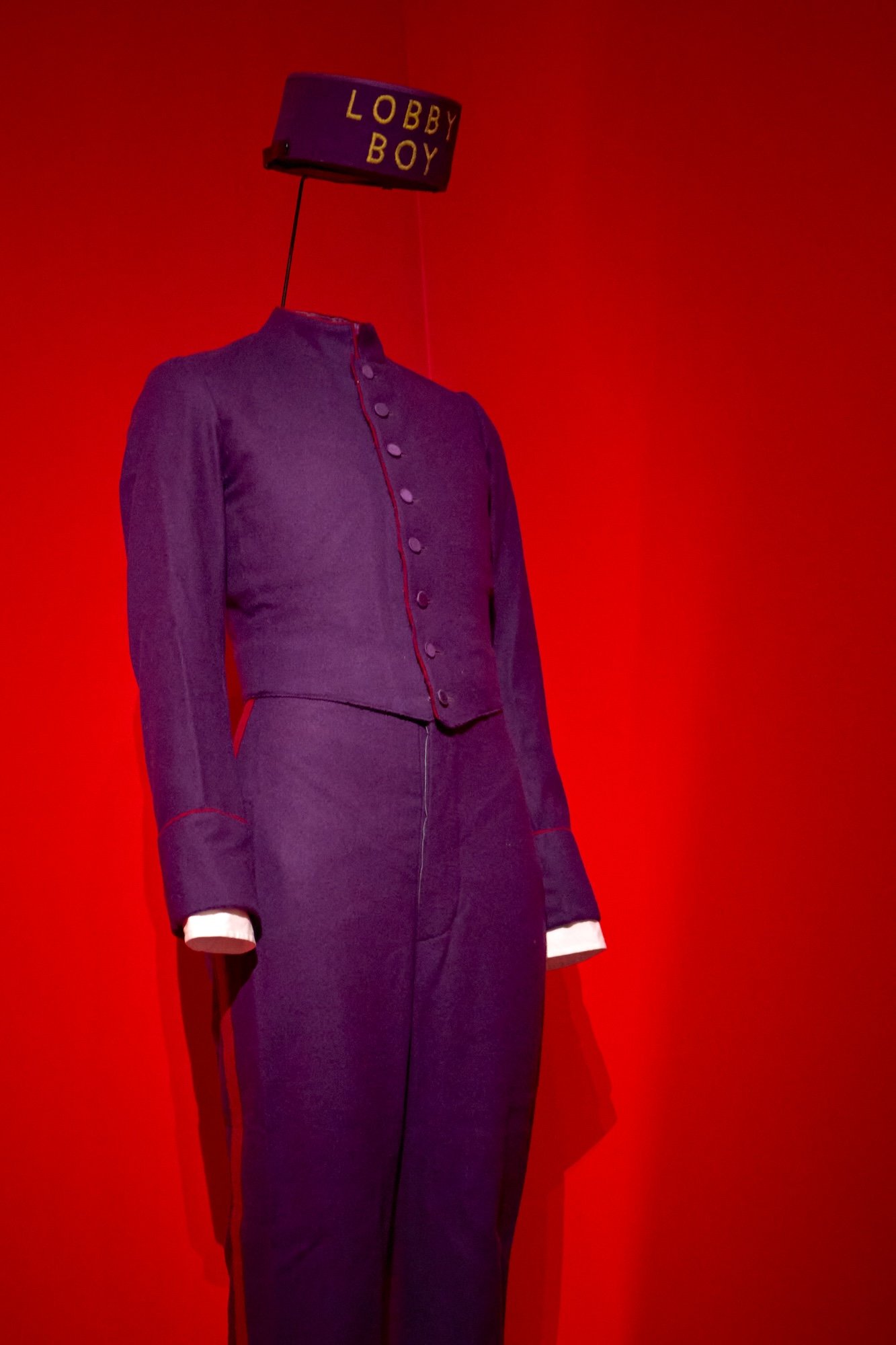
Then comes the most moving part: the large-scale The Grand Budapest Hotel miniature, crafted at a 1:18 ratio, designed and led by Simon Weisse — their first collaboration, still ongoing. If you’re there, take a moment to admire one of the most iconic miniatures in cinema history — a stunning, hand-crafted marvel.
The Grand Budapest Hotel. Wes Anderson Exhibition. Photo: Stéphane Dabrowski, La Cinémathèque française
Wes Anderson Exhibition, photo by Tal Solomon Vardy
Wes Anderson Exhibition, photo by Tal Solomon Vardy
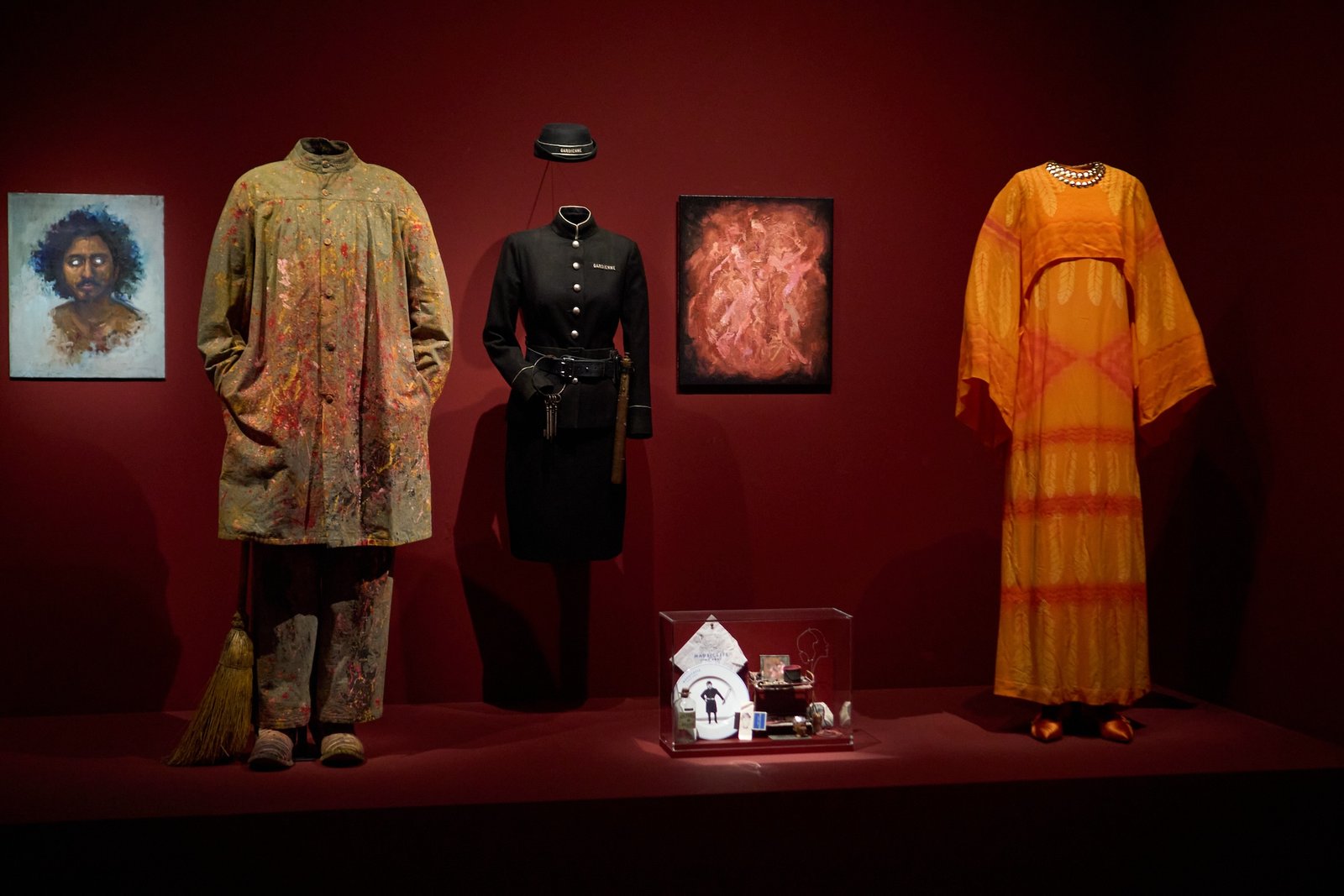
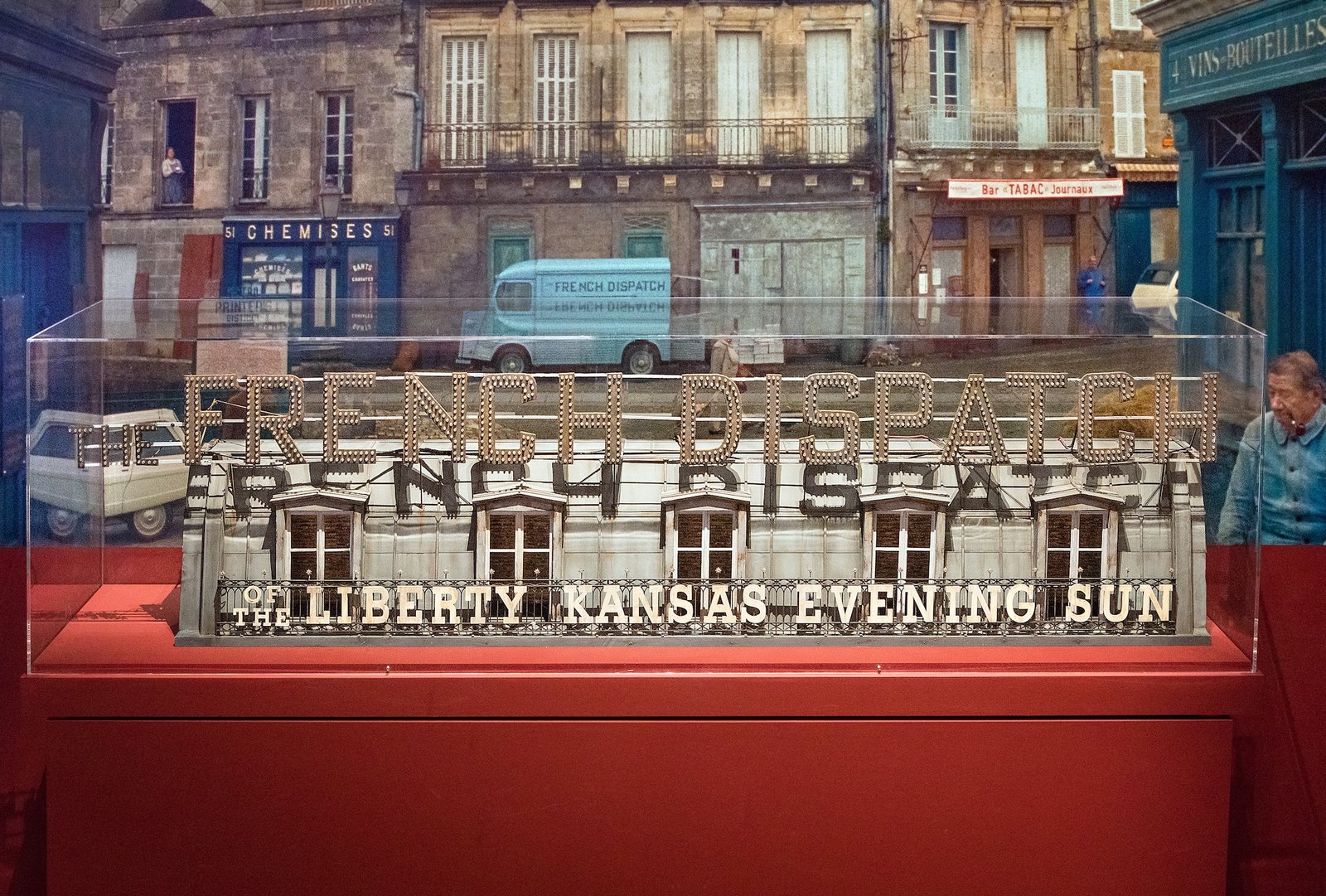
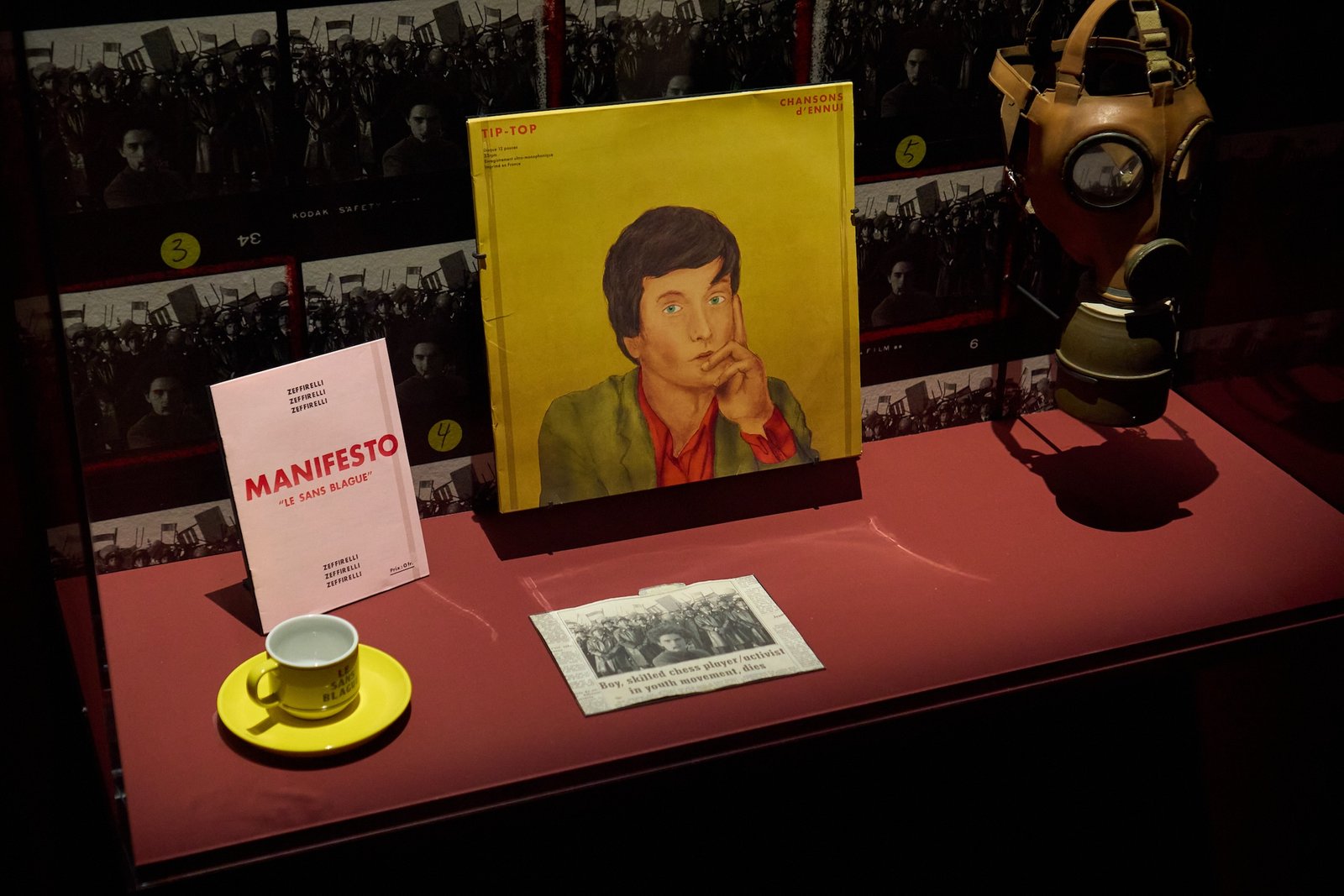
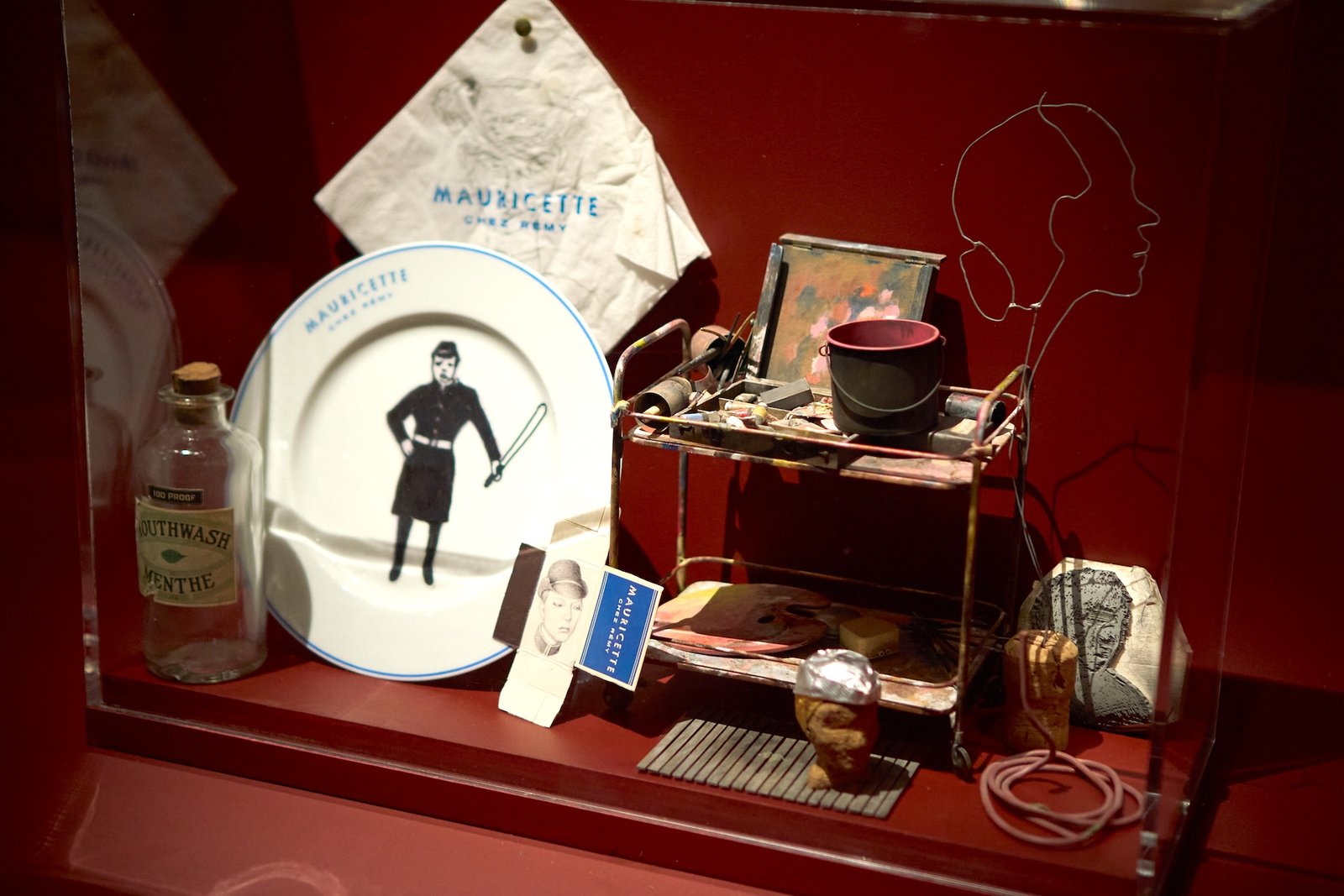
Opposite that: The French Dispatch (2021), with costumes from the guard-and-painter scene, props, and brilliant graphic work from one of Anderson’s strongest films. For the first time, a giant painted backdrop from the end credits is exhibited — animated and full of details, including a miniature version of the title sign worth viewing up close.
Wes Anderson Exhibition, photo by Tal Solomon Vardy
French Dispatch. Wes Anderson Exhibition. Photo: Stéphane Dabrowski, La Cinémathèque française
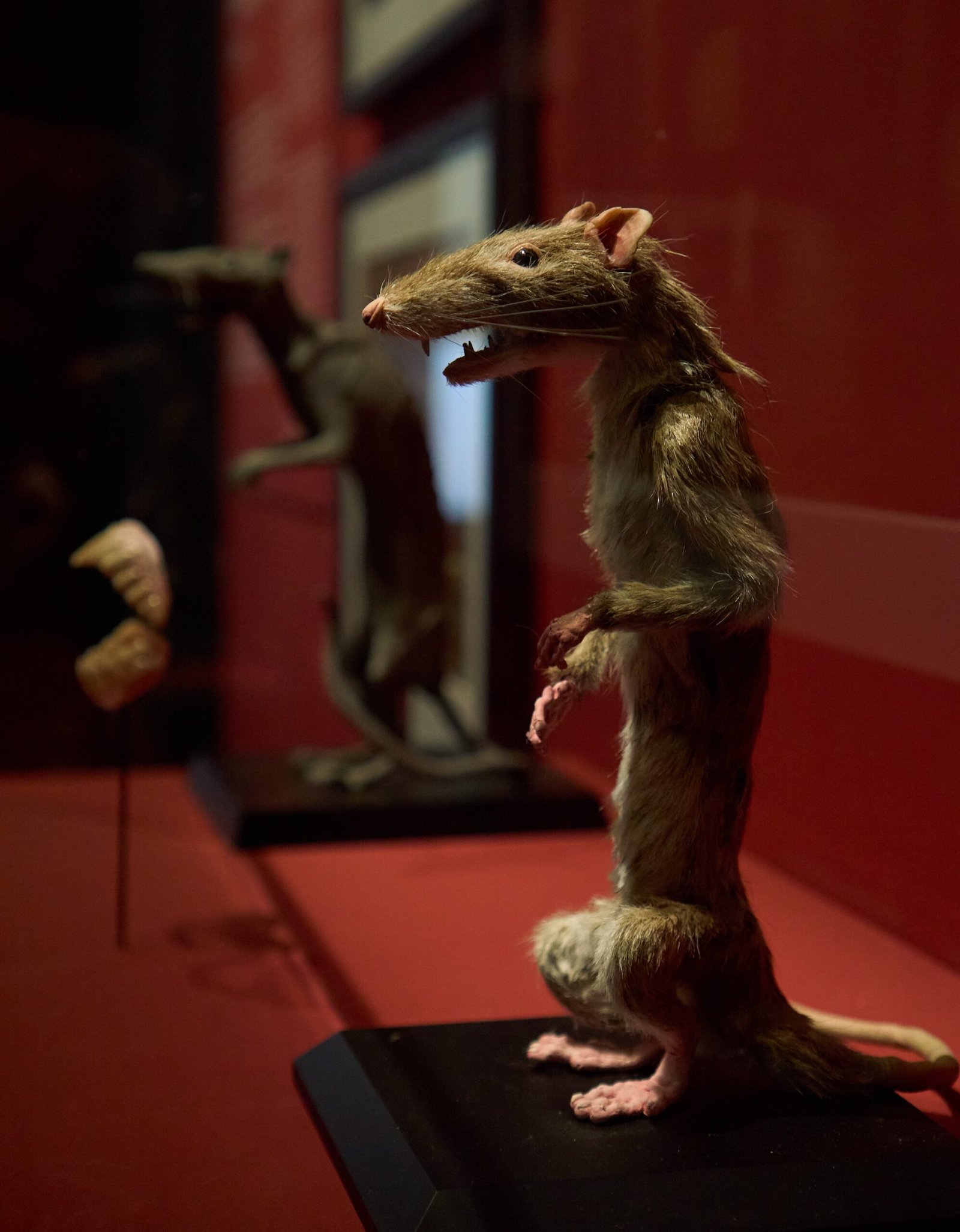
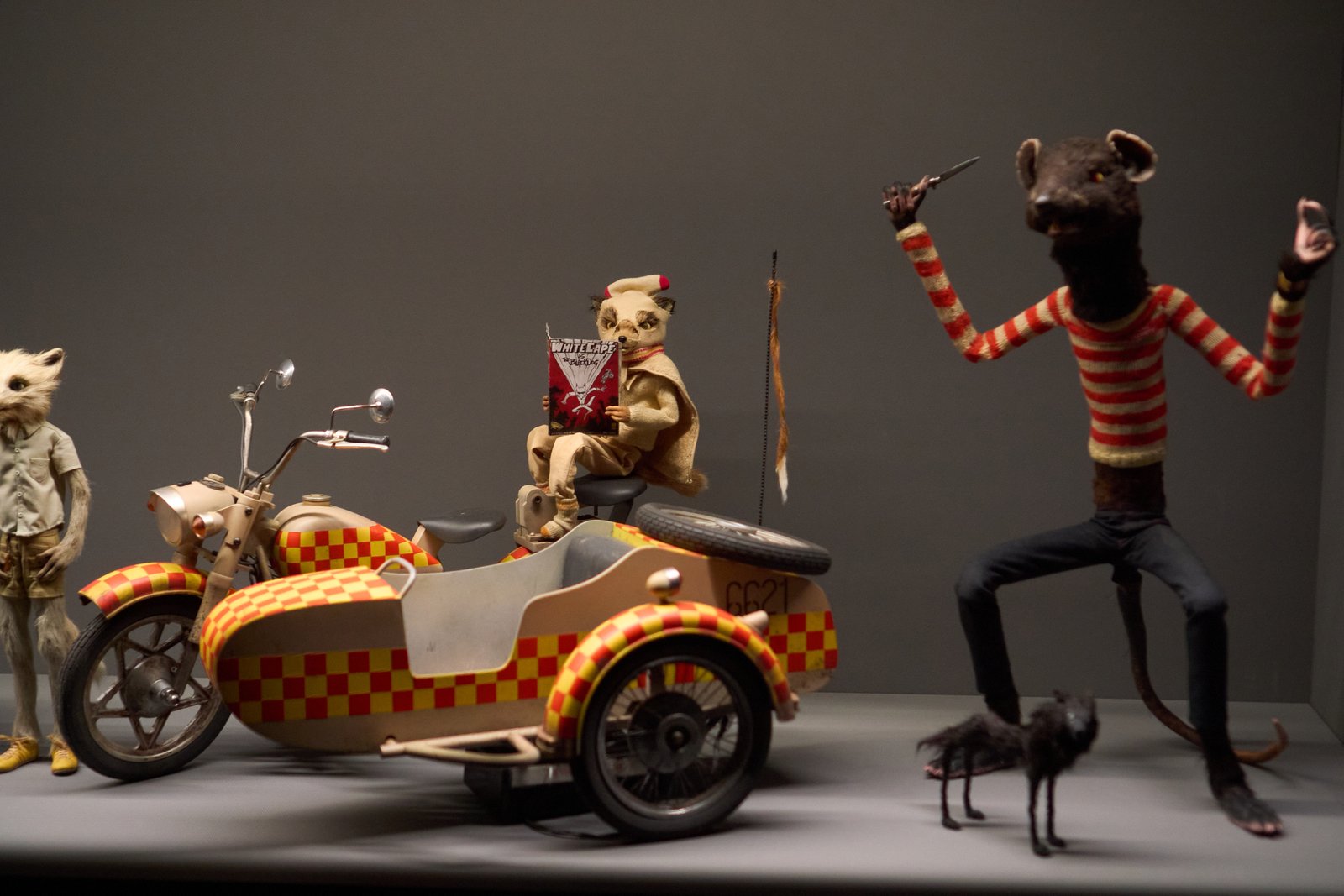
The Wonderful Story of Henry Sugar, Anderson’s 2023 Netflix short film anthology based on Roald Dahl stories, gets a small nod via the stop-motion mouse puppet from The Rat Catcher.
The Wonderful Story of Henry Sugar. Wes Anderson Exhibition, photo by Tal Solomon Vardy
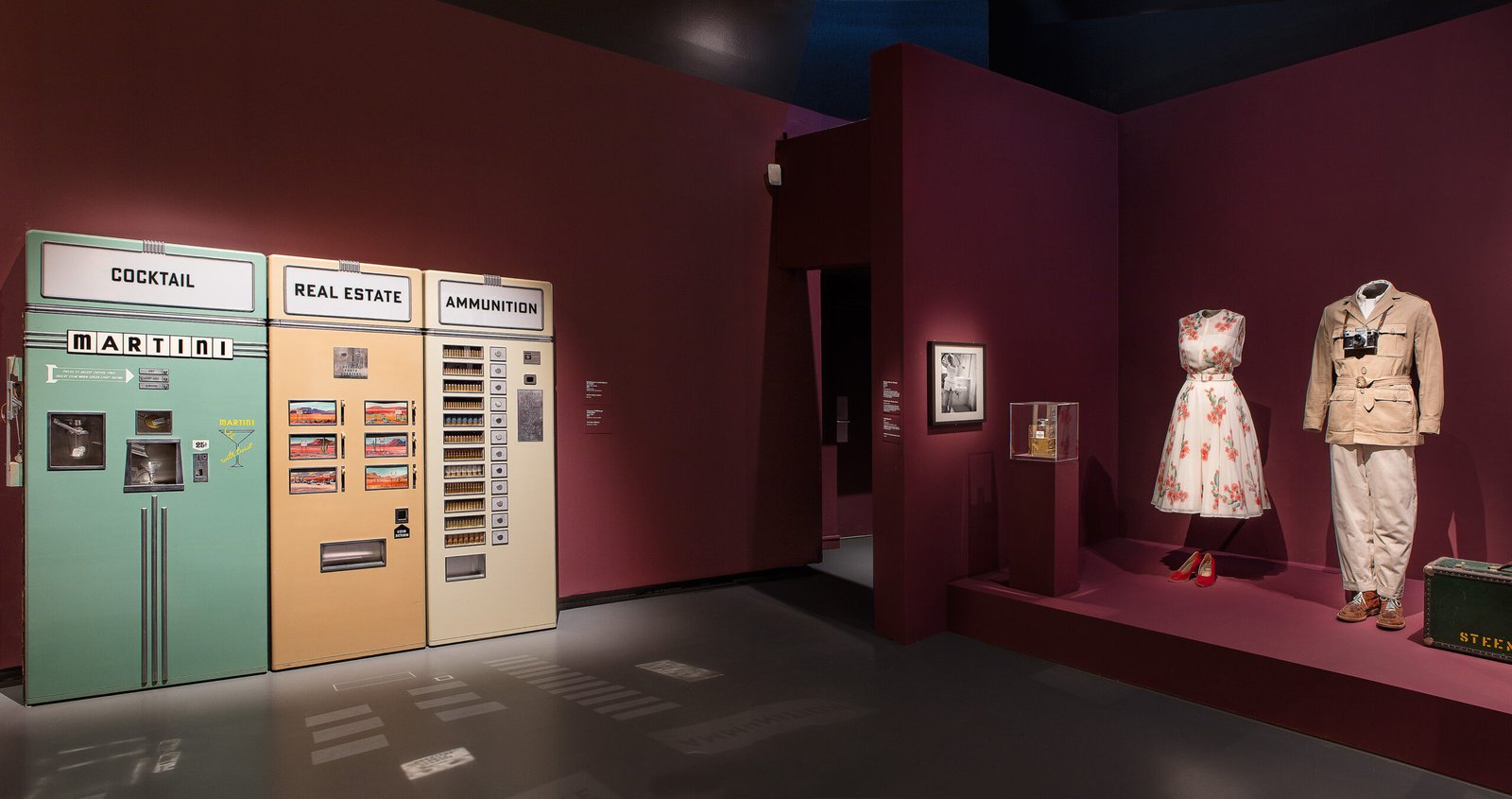
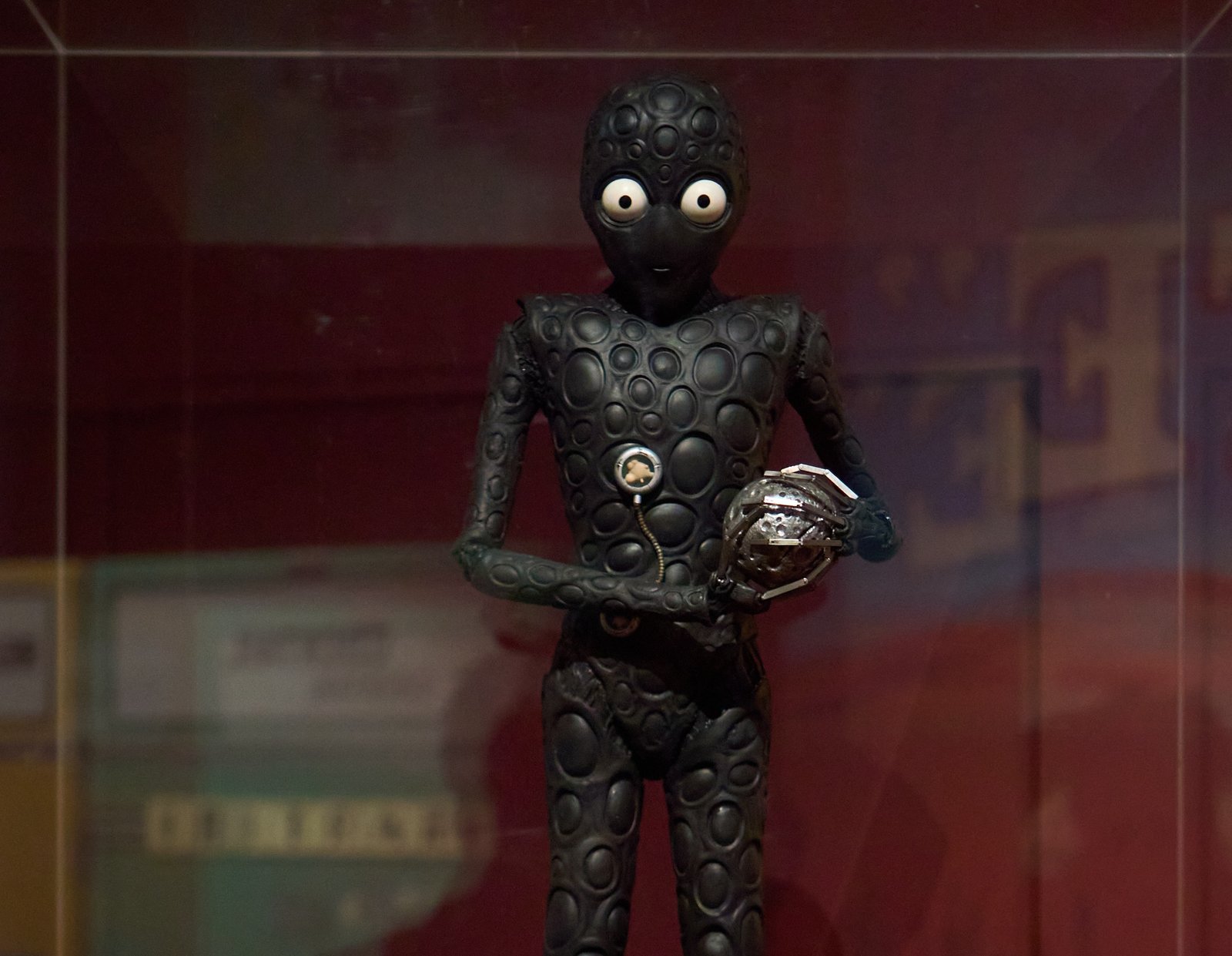
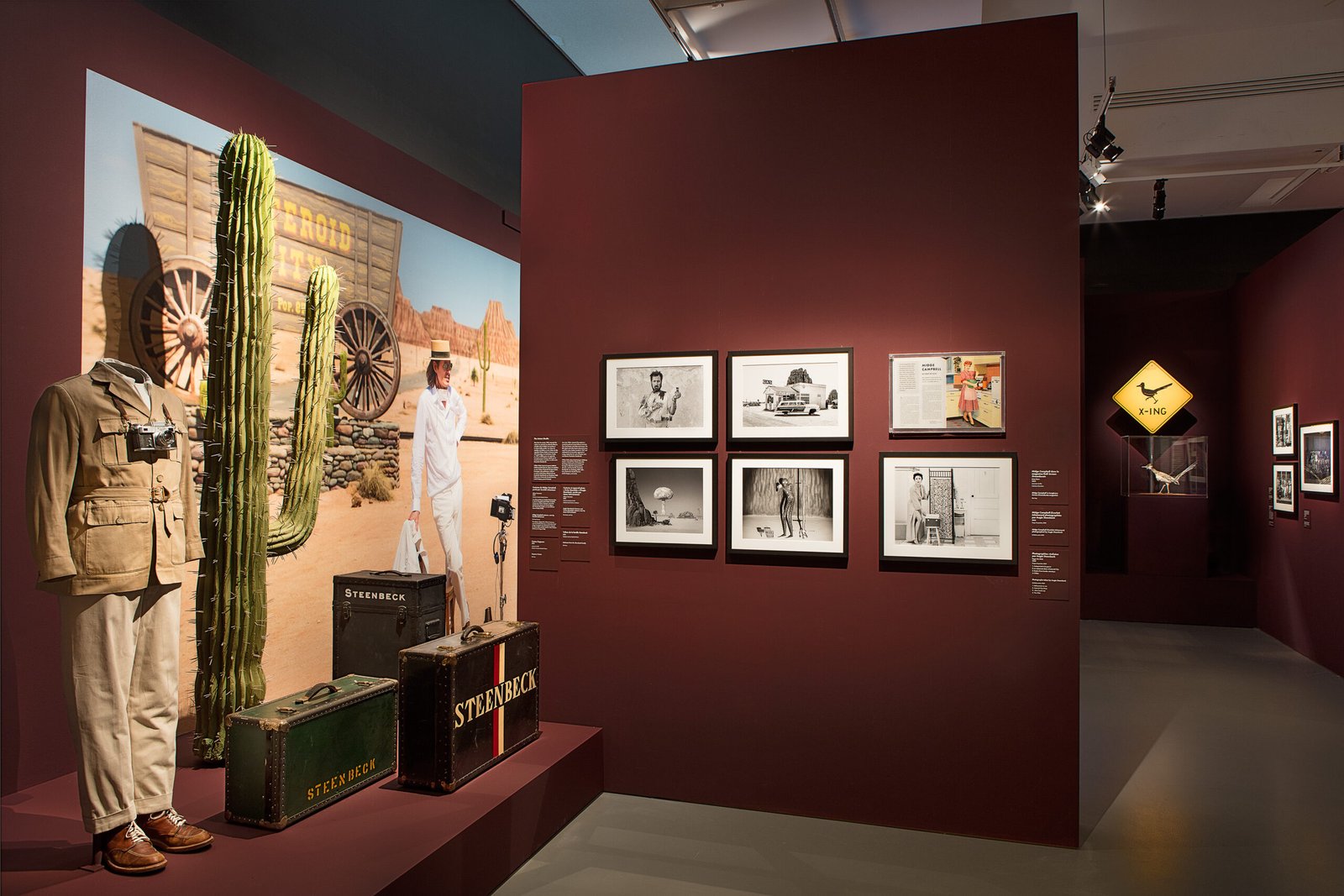
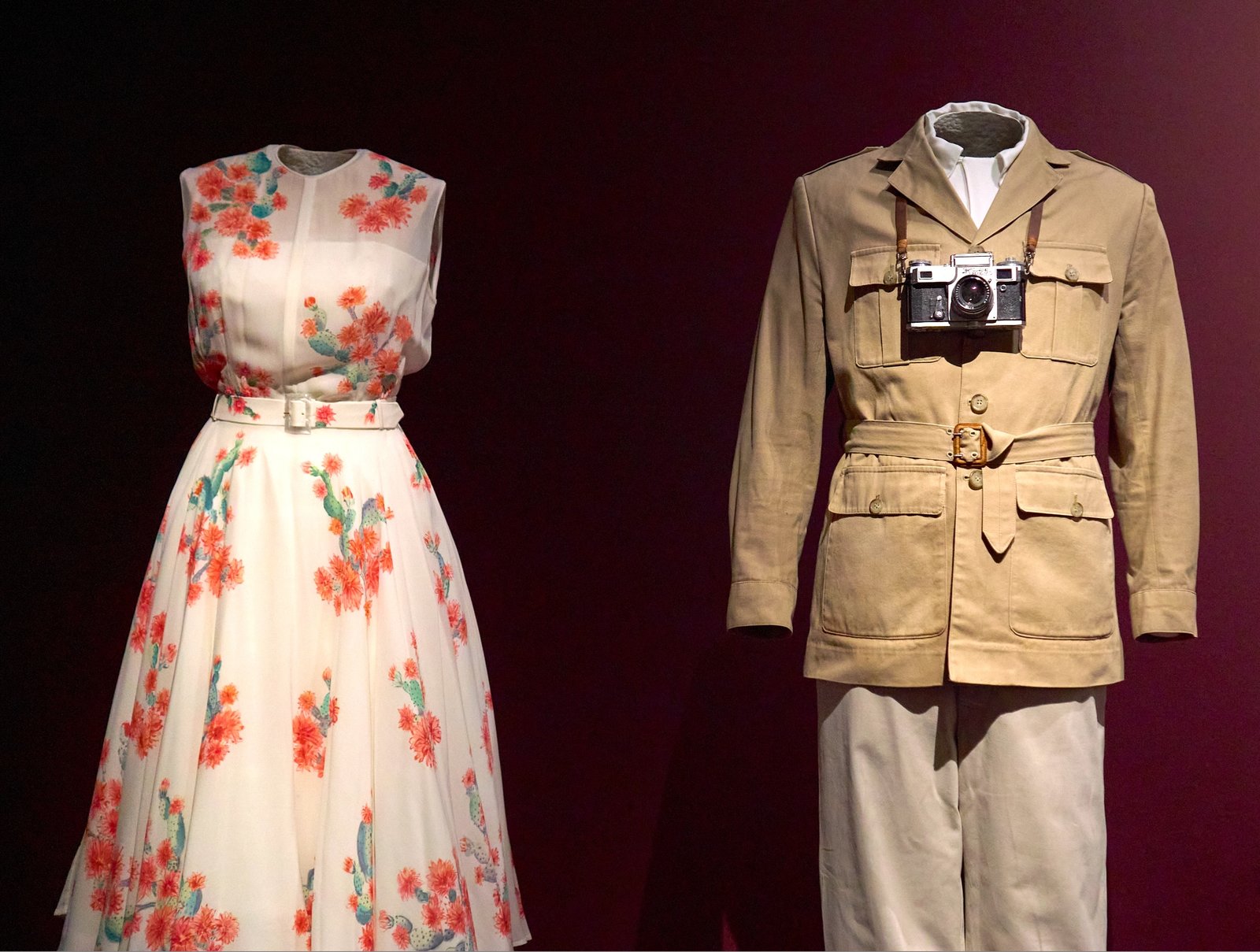
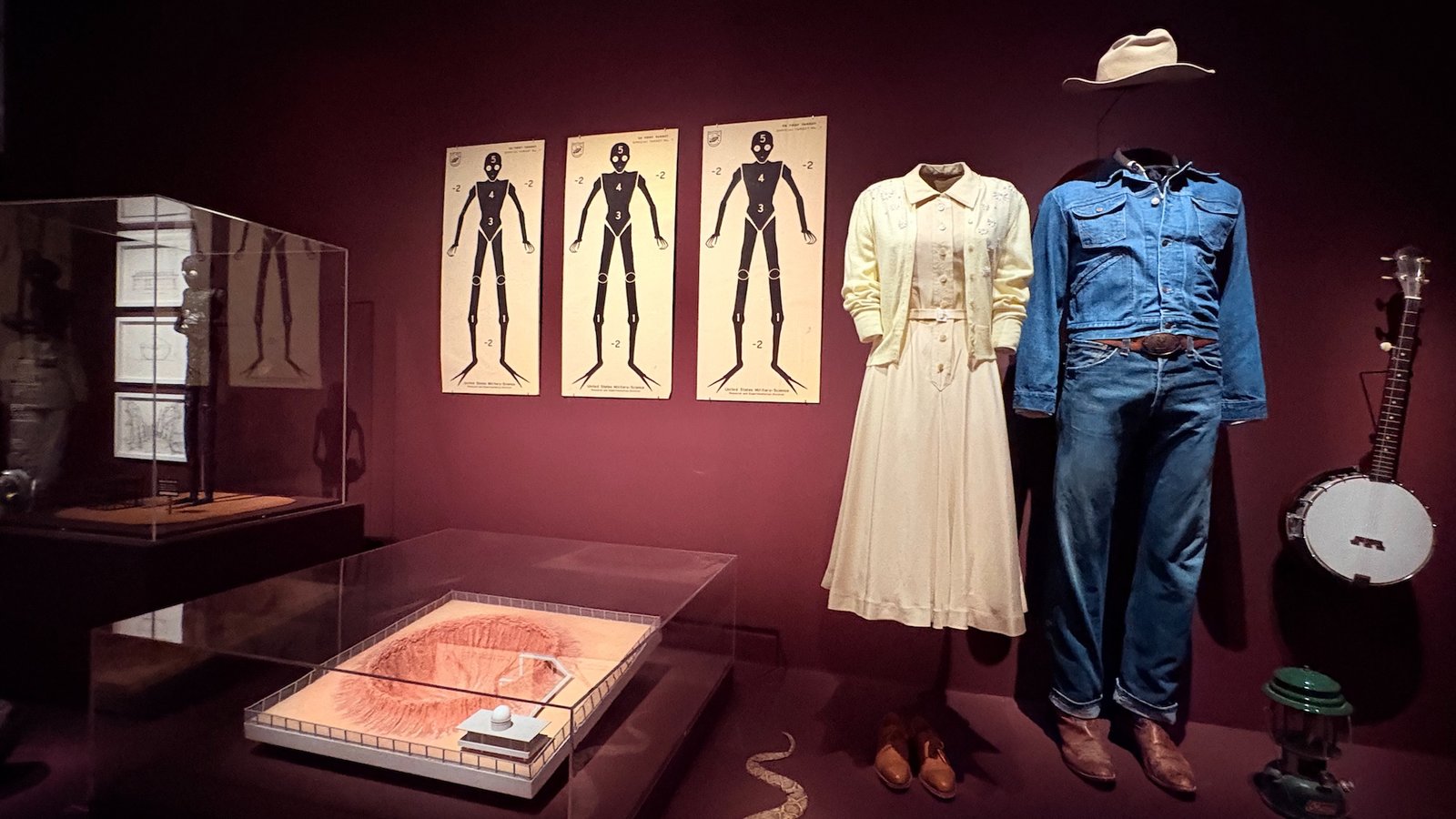
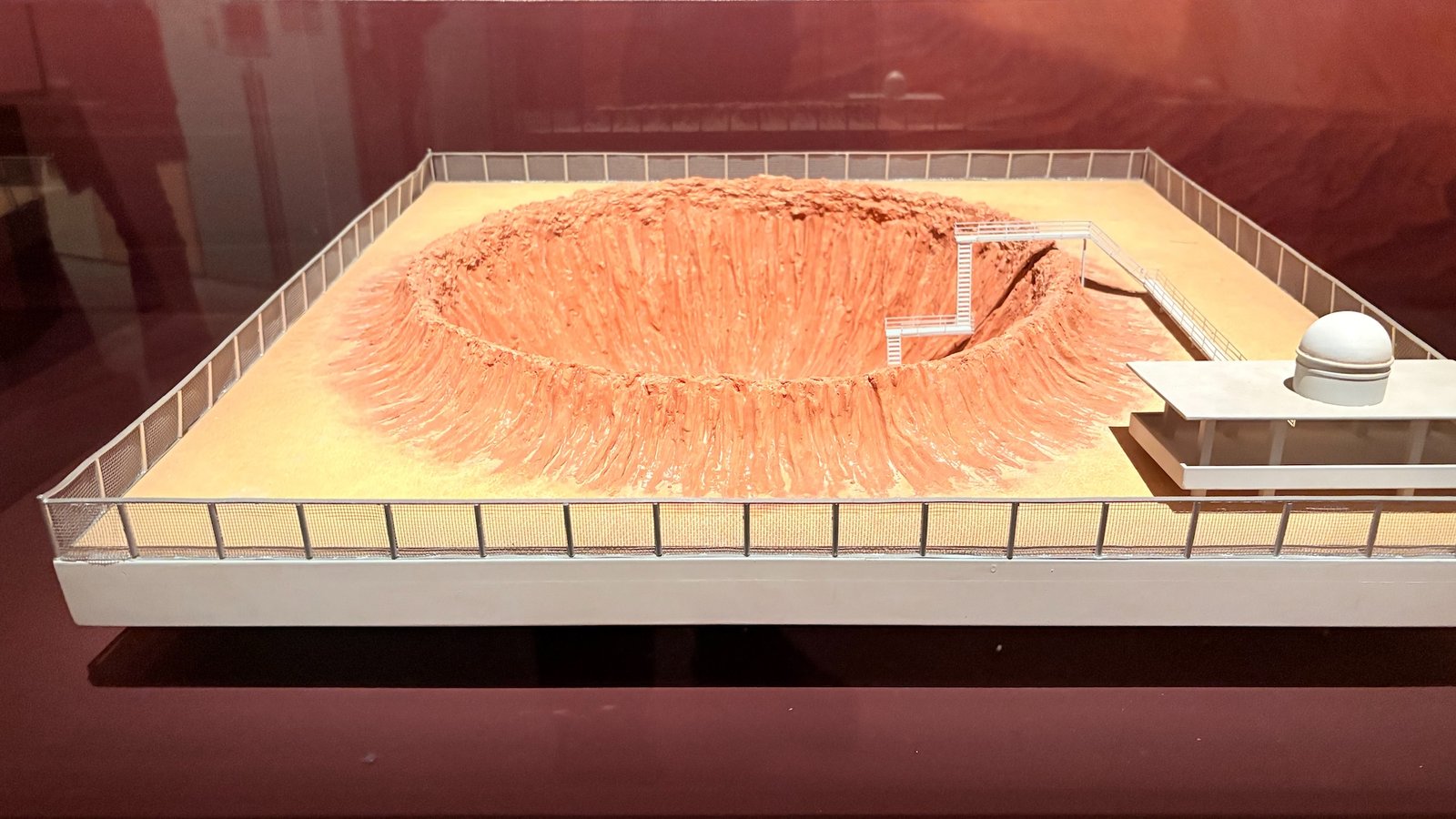
The exhibition concludes with Asteroid City (2023), Anderson’s latest feature, showcasing a wealth of props, a miniature crater, the adorable alien puppet, costumes, and vending machines—one of which dispensed martinis (Erica Dorn discussed them in our interview).
The exhibition’s greatest achievement at the Cinémathèque Française in Paris lies in its coherent capture of the many design disciplines Wes Anderson touches throughout his films — paired with a heartfelt tribute to his creative ensemble. At the same time, it offers an extreme close-up of the elements that make up each film, inviting even those outside the design world to appreciate the immense level of detail and effort behind them. Anderson is the driving force, and with a constellation of talented collaborators, he brings to life the dreamlike visions scribbled across the pages of his notebooks.
Now the only question that remains: will The Phoenician Scheme, his upcoming film set to release next month, receive an exhibition of its own — just like his recent movies?
Wes Anderson: The Archives Cinémathèque Française, Paris Through July 27, 2025